
Embarking on a journey to Hawaii is often a once-in-a-lifetime experience, but many travelers soon realize that the Hawaiian Islands are a diverse archipelago, each offering a distinct personality and landscape. From the bustling urban energy of Oahu to the lush, prehistoric greenery of Kauai and the volcanic majesty of the Big Island, seeing just one island rarely feels like enough. However, because the islands are separated by the vast Pacific Ocean and deep-sea channels, the logistics of moving between them require careful planning. Understanding the nuances of inter-island travel is essential for any traveler looking to maximize their experience in this tropical paradise located in the United States.
The Dominance of Aviation: Commercial Inter-Island Flights
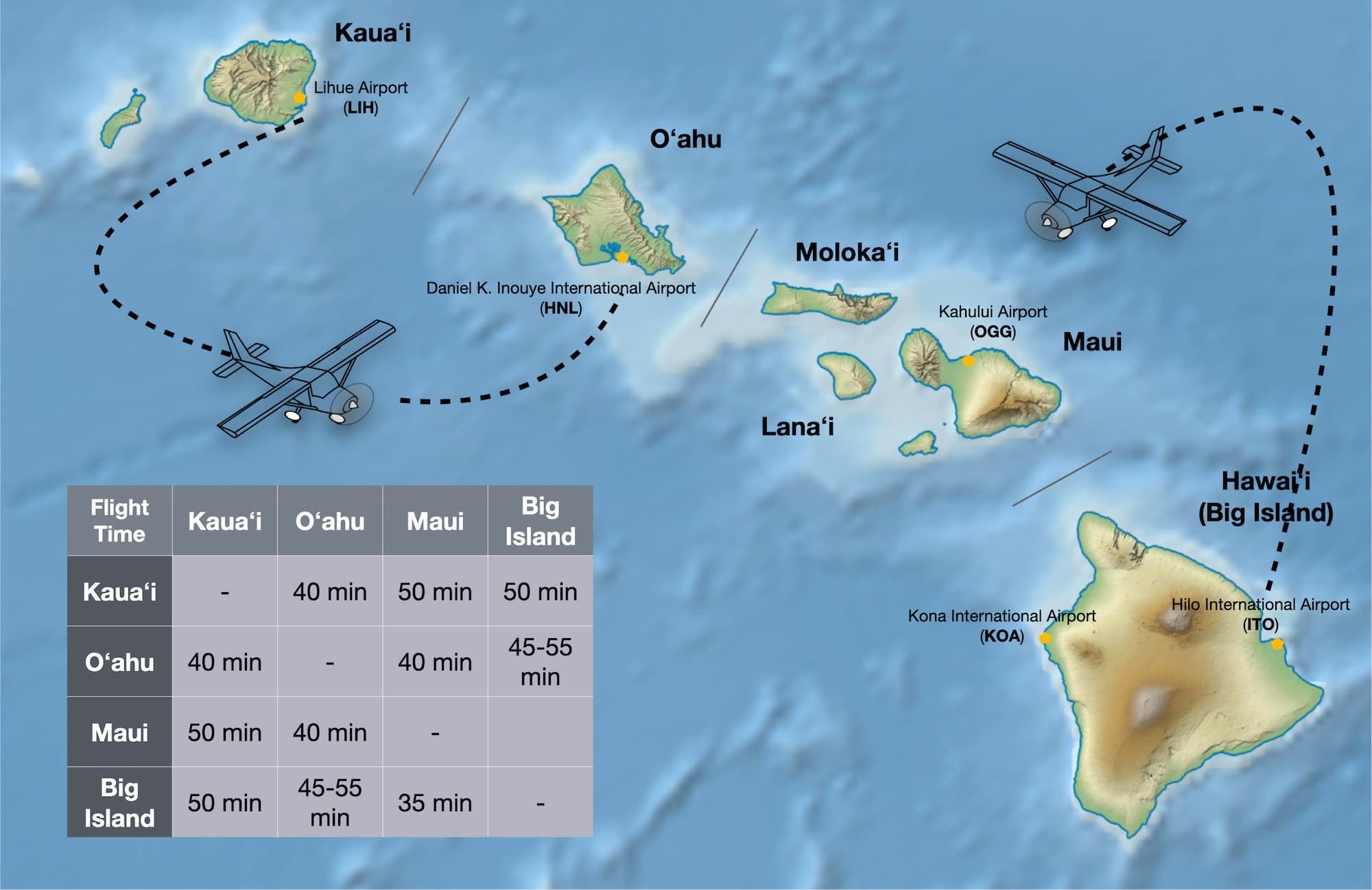
Flying is the primary and most efficient way to travel between the islands. Since there are no bridges or tunnels connecting the major landmasses, the “inter-island hopper” has become a staple of local life and tourism. Flights are generally short, ranging from 20 to 50 minutes, and provide some of the most spectacular aerial views of the coastline, coral reefs, and volcanic peaks.
Hawaiian Airlines: The Traditional Choice
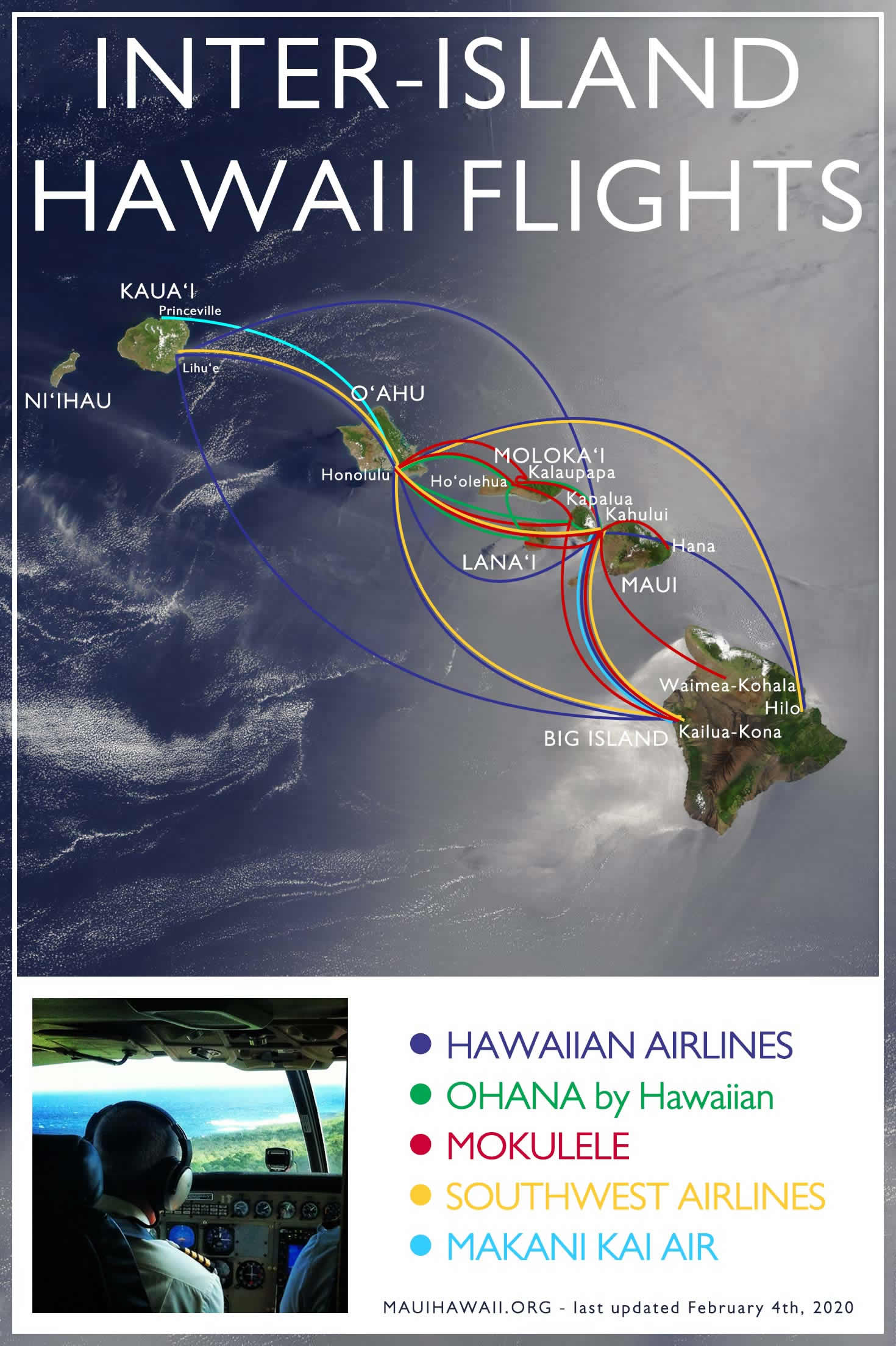
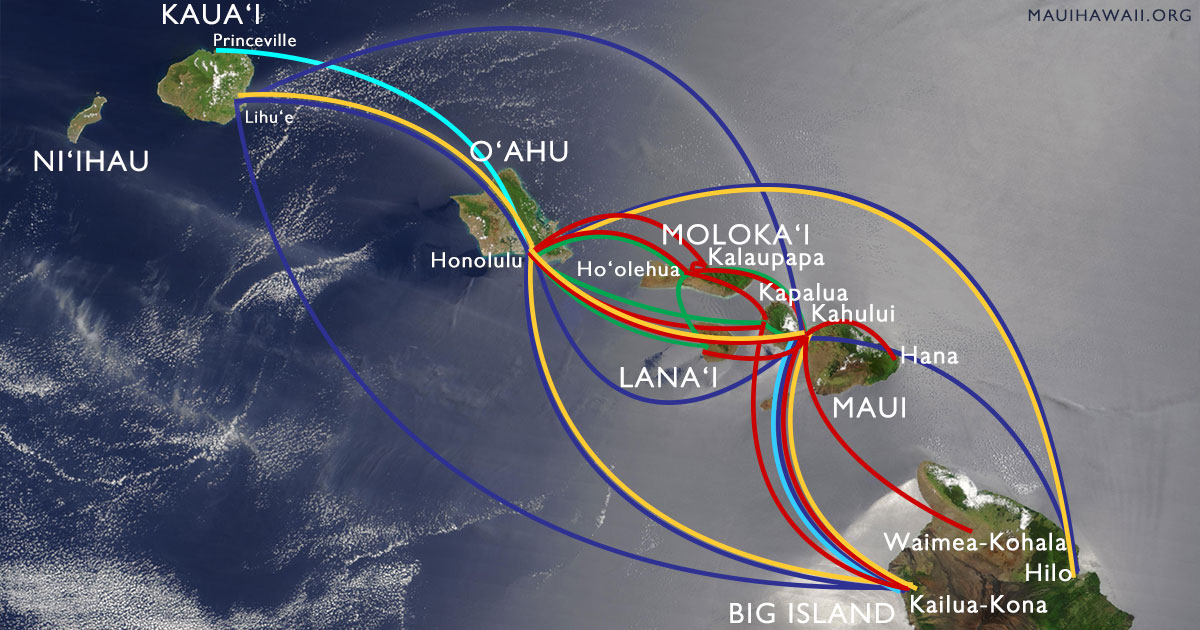
As the state’s legacy carrier, Hawaiian Airlines has been the backbone of inter-island transportation for decades. Operating out of its primary hub at Daniel K Inouye International Airport in Honolulu, the airline offers high-frequency service to every major island. Their fleet of Boeing 717 aircraft is specifically designed for these short, high-cycle routes, allowing for quick turnarounds and reliable schedules. For travelers, Hawaiian Airlines offers a level of consistency and a robust rewards program that appeals to both locals and international visitors. The boarding process is typically efficient, and the service often includes a small taste of island hospitality, such as local juice blends.
Southwest Airlines: The Modern Competitor
The entry of Southwest Airlines into the Hawaiian market several years ago revolutionized inter-island travel. By introducing competitive pricing and their signature “two bags fly free” policy, they made island hopping significantly more affordable for budget-conscious travelers. Southwest Airlines operates a variety of routes connecting Honolulu with Kahului Airport on Maui, Lihue Airport on Kauai, and both Kona International Airport and Hilo International Airport on the Big Island. Their presence has forced a general lowering of fares across the board, benefiting anyone looking to see more than one destination during their stay.
Mokulele Airlines: Connecting Smaller Hubs
For those looking to reach the more secluded parts of the state, Mokulele Airlines provides a unique and scenic alternative. Operating a fleet of Cessna Grand Caravans, this commuter airline specializes in flights to smaller airfields like those in Molokai, Lanai City, and Kapalua in West Maui. Because these planes fly at lower altitudes than the larger jets, passengers are treated to an unparalleled sightseeing experience. You might fly directly over the sea cliffs of Molokai—some of the tallest in the world—or spot pods of humpback whales in the Auau Channel during the winter months. Flying with Mokulele Airlines feels more like a private tour than a standard commercial flight, as the aircraft carry only nine passengers at a time.
Waterbound Routes: Ferry Services and Ocean Travel
While many travelers assume there is a robust ferry system connecting all the islands, the reality is quite different. Due to the rough waters of the Pacific Ocean channels and historical failed attempts at large-scale ferry operations, sea travel between the major islands is extremely limited. However, for specific routes, taking a boat is not only possible but highly recommended for the experience.
The Expeditions Lanai Ferry
The most reliable and popular water-based transit is the Expeditions Lanai Ferry. This service connects the island of Maui to the island of Lanai. The ferry departs from Lahaina Harbor (though schedules may vary based on local conditions and reconstruction efforts) and arrives at Manele Harbor on Lanai. The crossing takes about 45 to 60 minutes. It is a favorite for day-trippers who want to visit the Four Seasons Resort Lanai or explore the rugged landscapes of the “Pineapple Island.” During the winter, this ferry ride effectively doubles as a whale-watching tour, as the waters between Maui and Lanai are a primary sanctuary for North Pacific humpback whales.
Private Charters and Luxury Yachts
For those with a higher budget or seeking a more personalized adventure, private charters are an option for inter-island transit. Sailing from Oahu to Kauai or across the Alenuihaha Channel to the Big Island requires a sturdy vessel and an experienced crew, as these waters can be notoriously choppy. Many luxury travelers choose to book a multi-day charter on a catamaran or motor yacht, turning the transit itself into the vacation. This allows for stops at hidden coves and snorkeling spots that are inaccessible by land, such as the back side of Molokini Crater.
Navigating the Major Airports of the Hawaiian Islands
To travel successfully between islands, it helps to understand the layout and function of the major hubs. Each airport serves as a gateway to the unique attractions of its respective island, and knowing what to expect can reduce travel stress.
Daniel K Inouye International Airport in Honolulu
As the largest airport in the state, Daniel K Inouye International Airport is the central nexus for almost all inter-island travel. If you are flying from the United States mainland or internationally, you will likely land here first. The airport features a dedicated Inter-Island Terminal (Terminal 1), which primarily serves Hawaiian Airlines. Walking between terminals can take some time, so it is important to allow for a cushion if you are connecting from a long-haul flight to a local hopper. While waiting, you can enjoy the open-air walkways and traditional Hawaiian gardens located within the airport complex.
Neighbor Island Airports: Kahului, Lihue, and Kona
Once you leave Oahu, you will likely arrive at one of the “Neighbor Island” airports. Kahului Airport on Maui is the second busiest in the state and serves as the gateway to Haleakala National Park and the Road to Hana. Lihue Airport on Kauai is a smaller, more relaxed facility that puts you minutes away from the stunning Waimea Canyon State Park. On the Big Island, travelers must choose between Kona International Airport on the dry, sunny west side, or Hilo International Airport on the lush, rainy east side. Kona International Airport is particularly famous for its outdoor terminal and tropical architecture, providing a seamless transition from the aircraft to the island atmosphere.
Practical Planning Tips for Multi-Island Trips
Planning an inter-island itinerary requires more than just booking tickets; it involves managing time, luggage, and ground transportation to ensure a smooth transition between different environments.
Luggage and TSA Requirements
When flying between islands, it is important to remember that you will still need to pass through TSA security, even for a 20-minute flight. While the lines at Lihue Airport or Hilo International Airport are generally shorter than those at major mainland hubs, they can still fluctuate. Additionally, if you are flying on a smaller carrier like Mokulele Airlines, pay close attention to weight restrictions. These smaller aircraft have much stricter limits for checked and carry-on baggage than the larger jets operated by Southwest Airlines or Hawaiian Airlines. If you are carrying heavy gear for hiking the Na Pali Coast State Park or photography equipment for Hawaii Volcanoes National Park, plan your packing accordingly.
Transportation Upon Arrival
One of the most critical aspects of island hopping is securing transportation once you land. Public transit is limited on most islands, with the exception of the TheBus system on Oahu. For Maui, Kauai, and the Big Island, a rental car is almost essential to explore the landmarks. It is highly recommended to book your rental car at the same time you book your inter-island flights, as inventory can be tight during peak seasons. If you prefer not to drive, rideshare services like Uber and Lyft operate in major areas like Waikiki Beach and Kailua-Kona, but they can be expensive and difficult to find in more remote locations such as the North Shore of Oahu or the Hanalei region of Kauai.
Timing Your Inter-Island Travel
To make the most of your trip, try to schedule your inter-island flights during the mid-morning or early afternoon. This allows you to check out of your hotel on one island and check into the next without wasting a full day of sightseeing. Avoid the “rush hour” flights used by local commuters (early morning and late afternoon) to ensure a more relaxed airport experience. When you arrive on a new island, consider visiting a local landmark that is close to the airport to maximize your first day. For example, if you land in Honolulu, a quick trip to Pearl Harbor or a hike up Diamond Head is easily manageable before heading to your hotel in Waikiki. Likewise, if you arrive at Lihue Airport, the majestic Wailua Falls is just a short drive away. By mastering the logistics of island hopping, you transform a simple vacation into a comprehensive exploration of the unique beauty and culture that defines each part of Hawaii.
LifeOutOfTheBox is a participant in the Amazon Services LLC Associates Program, an affiliate advertising program designed to provide a means for sites to earn advertising fees by advertising and linking to Amazon.com. Amazon, the Amazon logo, AmazonSupply, and the AmazonSupply logo are trademarks of Amazon.com, Inc. or its affiliates. As an Amazon Associate we earn affiliate commissions from qualifying purchases.