
The journey from the bustling streets of New York to the tranquil shores of Hawaii represents one of the most significant domestic expeditions one can undertake in the United States. Spanning the vast width of the North America continent and a significant portion of the Pacific Ocean, this trek takes travelers across roughly 4,900 to 5,000 miles, depending on the specific island destination. It is a transition from the concrete canyons of Manhattan to the volcanic peaks of the Central Pacific, offering a profound contrast in culture, climate, and geography.
Understanding the sheer scale of this distance is the first step in planning a successful getaway. For many residents of the East Coast, a trip to the Hawaiian Islands is often viewed with the same weight as a flight to Europe or even Asia. The sheer distance necessitates a deep dive into logistics, flight paths, and the unique challenges of crossing six different Time Zones.
The Geographical Reality: Measuring the Great American Distance
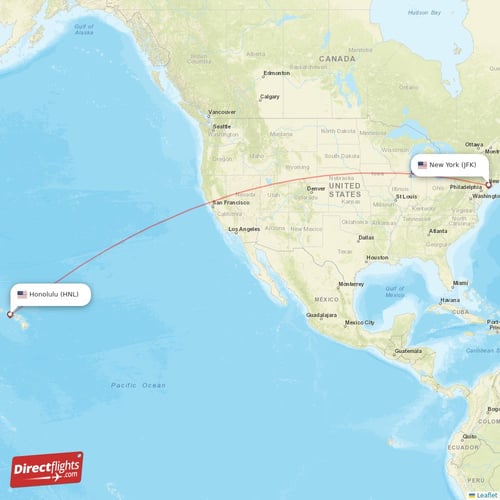
When measuring the distance from New York City to Honolulu, the numbers are staggering. A direct line from John F Kennedy International Airport to Daniel K Inouye International Airport covers approximately 4,962 miles. To put this in perspective, this is nearly double the distance from New York to Los Angeles.
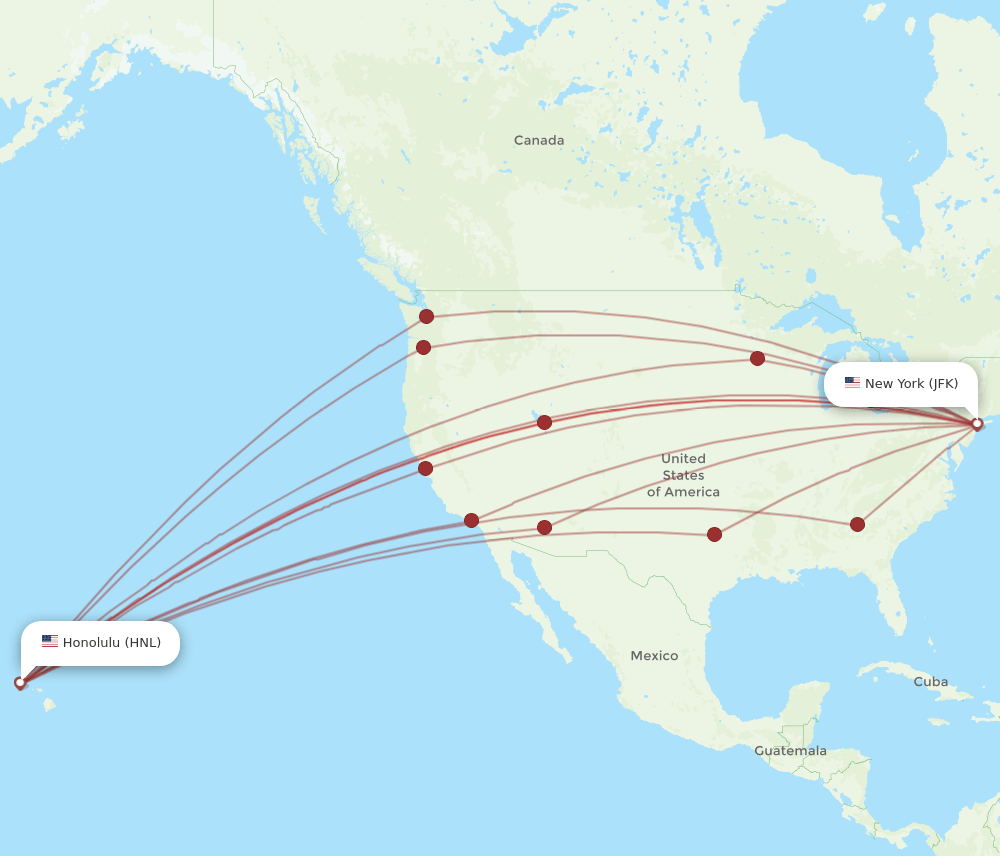
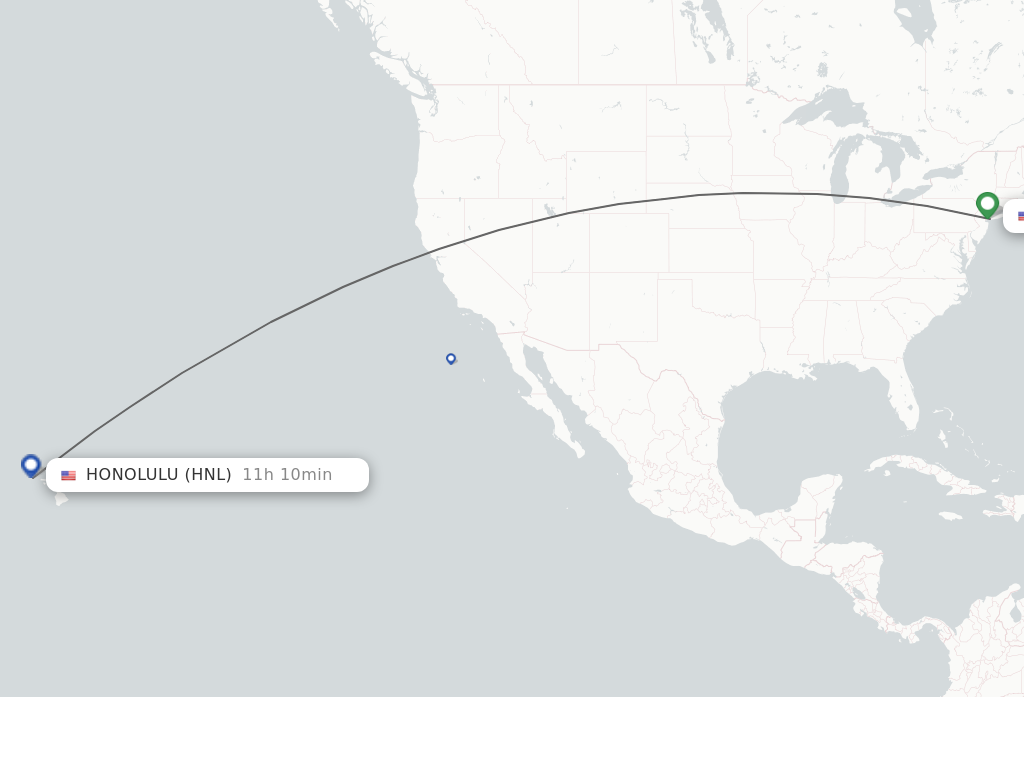
The flight path typically takes aircraft over the heart of the Midwest, across the Rocky Mountains, and high above California before the long stretch over open water begins. For the final five hours of the journey, there is nothing but the vast expanse of the ocean below. This geographical reality means that travelers are essentially embarking on a marathon flight that rivals many international long-haul routes.
Navigating the Air Journey: Direct Flights and Layovers
Because of the extreme distance, the flight time from the Tri-State Area to the islands is significant. A nonstop flight from Newark Liberty International Airport or JFK typically takes between 10.5 and 11 hours when flying west. The return journey, aided by the jet stream, is usually slightly shorter, often clocking in around 9 to 10 hours.
Currently, airlines like Hawaiian Airlines, United Airlines, and Delta Air Lines provide the primary connections for this route. Hawaiian Airlines is particularly famous for its direct service, often incorporating island-inspired hospitality the moment passengers board in New York.
For those who prefer to break up the journey, common layover cities include San Francisco, Seattle, and Dallas. These stops can provide a much-needed respite, allowing travelers to stretch their legs and adjust to the time change more gradually. However, for those eager to reach the sand as quickly as possible, the “Direct to Honolulu” option remains the gold standard of convenience.
Choosing Your Island: Hawaii’s Diverse Archipelagic Wonders
While the distance to the state capital is the standard metric, Hawaii is comprised of several distinct islands, each offering a unique experience for the East Coast traveler. Choosing which island to land on can change the total travel time and the nature of the adventure.
Oahu: The Gathering Place
Oahu is the most frequent entry point for travelers coming from New York. It serves as the bridge between urban sophistication and tropical beauty. Here, you can visit Waikiki Beach, where the iconic Diamond Head crater provides a dramatic backdrop to the skyline. History buffs often prioritize a visit to Pearl Harbor and the USS Arizona Memorial, while those seeking luxury may head to the Moana Surfrider or the Royal Hawaiian Hotel. For a more secluded experience on the same island, the North Shore offers world-class surfing and the expansive Turtle Bay Resort.
Maui: The Valley Isle
Further southeast, Maui offers a balance of resort luxury and raw nature. The distance from New York to Kahului Airport is roughly the same, but the vibe is decidedly more relaxed. Visitors can drive the legendary Road to Hana, explore the massive Haleakala National Park, or enjoy the high-end amenities of Wailea, home to the Grand Wailea Resort.
Kauai: The Garden Isle
For the traveler who wants to escape the noise of Times Square completely, Kauai is the ultimate destination. Known for its lush greenery and dramatic cliffs, it is home to the breathtaking Na Pali Coast and the deep reds of Waimea Canyon. Flying into Lihue Airport feels like stepping back into a more primal version of the world, far removed from the skyscrapers of Manhattan.
The Big Island: Hawaii
The largest of the chain, the Big Island (also known simply as Hawaii), is a place of geological wonder. From the snow-capped peak of Mauna Kea to the active lava flows in Hawaii Volcanoes National Park, the diversity here is unparalleled. Visitors often split their time between the sunny shores of Kona and the tropical rainforests near Hilo.
From the Streets of New York to the Shores of Hawaii: A Cultural Contrast
The 5,000-mile gap is not just physical; it is a shift in lifestyle and pace. In New York, the culture is defined by “The City That Never Sleeps.” It is a world of Broadway shows, Central Park strolls, and the architectural majesty of the Empire State Building. The energy is high, the movement is constant, and the environment is dominated by the human-made world.
In contrast, Hawaii operates on “Island Time.” The priority shifts from the clock to the tide. Instead of the Statue of Liberty, the landmarks are natural—like Mount Waialeale or the Molokini Crater. The culture of the islands is rooted in the “Aloha Spirit,” a philosophy of kindness, harmony, and humility. For a New Yorker, this shift can be jarring but ultimately deeply restorative.
The culinary landscape also shifts dramatically. While New York City is a global hub for every cuisine imaginable, Hawaii offers a unique fusion of Polynesian, Asian, and Western influences. From fresh poke at a local market to traditional kalua pig at a luau, the flavors are tied directly to the land and the sea.
Essential Travel Strategies for the Long-Haul Explorer
Traveling such a distance requires more than just a plane ticket; it requires a strategy. The six-hour time difference (which becomes five hours during Daylight Saving Time, as Hawaii does not observe it) can be difficult to manage.
- Hydration and Wellness: On an 11-hour flight, staying hydrated is crucial. The recycled air in airplane cabins can be incredibly drying. Many seasoned travelers recommend starting the hydration process 24 hours before departure at JFK.
- Timing Your Sleep: If you are taking a morning flight from New York, try to stay awake for the duration of the flight to align with the evening arrival in Honolulu. This helps reset your internal clock more quickly.
- Choosing the Right Hub: If you cannot find a direct flight, consider a layover in Los Angeles. LAX offers the highest frequency of flights to the various islands, including smaller airports like Lanai or Molokai.
- Packing for Contrast: You might leave New York in a heavy coat during the winter, but you will land in a climate where the average temperature is 80 degrees Fahrenheit. Layering is key. Ensure your swimwear and reef-safe sunscreen are easily accessible upon arrival at your resort, whether it is the Four Seasons Resort Maui or a boutique stay in Hanalei.
The Significance of the Pacific Crossing
Despite the distance, the connection between New York and Hawaii remains strong. It is a journey that carries travelers from the financial capital of the world to a state that is a global leader in environmental conservation and indigenous cultural preservation. Whether you are seeking the surf of Oahu or the quiet luxury of Lanai, the distance is a small price to pay for the transformative experience that awaits.
From the moment you leave the Hudson River behind and cross the San Francisco Bay to the final descent over the Pacific Ocean, the journey is a testament to the vastness and beauty of the United States. Hawaii may be far from New York in miles, but it is a quintessential part of the American travel experience, offering a paradise that feels worlds away yet remains conveniently within reach.
LifeOutOfTheBox is a participant in the Amazon Services LLC Associates Program, an affiliate advertising program designed to provide a means for sites to earn advertising fees by advertising and linking to Amazon.com. Amazon, the Amazon logo, AmazonSupply, and the AmazonSupply logo are trademarks of Amazon.com, Inc. or its affiliates. As an Amazon Associate we earn affiliate commissions from qualifying purchases.