
Traveling from the pristine landscapes of Japan to the tropical shores of Hawaii is a journey that spans the vast Pacific Ocean, bridging two cultures that share a deep and storied history. For travelers planning this trans-Pacific voyage, the question of flight duration is central to their itinerary. Whether you are departing from the neon-lit streets of Tokyo or the cultural hub of Osaka, the flight to the “Aloha State” is a significant undertaking that requires an understanding of wind patterns, time zones, and airline options.
Typically, a non-stop flight from Japan to Hawaii takes between 7 and 9 hours depending on the direction of travel and the specific departure city. This duration places the route firmly in the category of long-haul travel, necessitating a level of comfort and preparation that turns the flight itself into an integral part of the vacation experience. As one of the most popular international routes for Japanese tourists and a growing favorite for westerners looking to combine Asia and North America in one trip, the air corridor between these two regions is well-served by world-class carriers.

Major Routes and Flight Durations
The duration of your flight is largely dictated by your point of departure in Japan and your final destination in Hawaii. Most international flights land at Daniel K. Inouye International Airport in Honolulu on the island of Oahu, which serves as the primary gateway to the archipelago.
Departing from Tokyo (Narita and Haneda)
Tokyo remains the primary hub for flights to Hawaii. Travelers can choose between Narita International Airport, located about an hour outside the city, and Haneda Airport, which is closer to the city center.
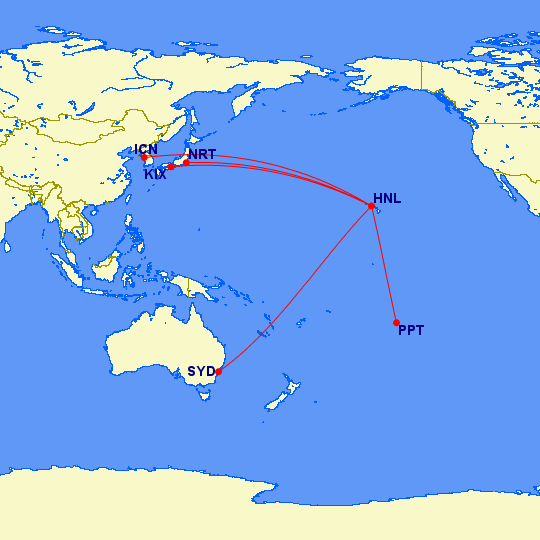
The eastbound flight from Tokyo to Honolulu is generally shorter due to the assistance of the jet stream. On average, you can expect to spend about 7 to 8 hours in the air. This route often departs in the evening, allowing passengers to sleep through the night and arrive in the islands during the morning hours. Conversely, the westbound return flight from Honolulu to Tokyo faces strong headwinds, extending the flight time to approximately 9 to 10 hours.
Departing from Osaka and Nagoya
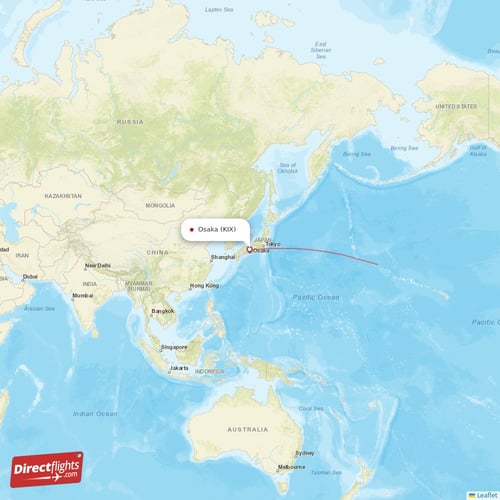
For those located in the Kansai region, Kansai International Airport in Osaka offers direct connections to the islands. The flight time from Osaka is slightly longer than from Tokyo due to the geographical distance, usually clocking in at around 8 to 8.5 hours for the outbound leg. Similarly, travelers departing from Chubu Centrair International Airport in Nagoya will find flight times roughly equivalent to those from Osaka.
The Impact of Wind and Weather
It is important to note that these times are estimates. The Pacific Ocean is a dynamic environment, and seasonal shifts in the jet stream can significantly impact travel times. During the winter months, the jet stream is at its strongest, which can shave time off the flight to Hawaii but add substantial time to the flight back to Japan. Pilots often adjust flight paths to optimize for these winds, which may occasionally result in variations of 30 to 45 minutes from the scheduled arrival time.
Premium Airlines and In-Flight Comfort
Given the duration of the flight, the choice of airline plays a crucial role in the overall travel experience. Several major carriers dominate this route, offering a range of services from budget-friendly options to ultra-luxurious first-class suites.
Japanese Flag Carriers: JAL and ANA
Japan Airlines and All Nippon Airways are renowned for their exceptional service and hospitality, known as “omotenashi.” Flying with these carriers often feels like the vacation has already begun. Both airlines offer multiple daily flights from Tokyo to Honolulu.
All Nippon Airways has gained significant attention for its fleet of ANA Flying Honu aircraft. These Airbus A380 double-decker planes are painted to resemble Hawaiian sea turtles and are specifically dedicated to the Tokyo to Honolulu route. The aircraft features multi-class configurations, including a couch-style seating option in economy that is perfect for families, making the 8-hour journey much more manageable.
American Carriers and Budget Options
Hawaiian Airlines provides an authentic island experience from the moment you step on board. Their service includes island-inspired meals and a warm, welcoming atmosphere that perfectly prepares travelers for their arrival in Honolulu. Other major U.S. carriers like United Airlines and Delta Air Lines also maintain a strong presence on this route, offering consistent service and extensive loyalty program benefits.
For the budget-conscious traveler, Zipair, a low-cost subsidiary of Japan Airlines, has revolutionized travel between Japan and Hawaii. By offering a no-frills approach with the option to purchase “full-flat” seats at a fraction of the cost of traditional business class, Zipair has made the 8-hour flight accessible to a wider demographic of travelers.
Planning Your Trans-Pacific Journey
Managing a long-haul flight across the International Date Line requires more than just booking a ticket. Logistics such as time differences, seasonal weather, and entry requirements are vital considerations for any traveler moving between Japan and Hawaii.
Navigating the International Date Line
One of the most confusing aspects of flying from Japan to Hawaii is the time difference. Japan Standard Time is 19 hours ahead of Hawaii-Aleutian Standard Time. When you fly east from Japan, you cross the International Date Line, effectively “gaining” a day.
For example, if you depart Narita International Airport on a Friday evening, you will typically arrive at Daniel K. Inouye International Airport on Friday morning. This “time travel” can lead to significant jet lag, so it is recommended to stay hydrated and try to adjust your sleep schedule to Hawaiian time as soon as you board the aircraft.
Best Times to Visit
While Hawaii is a year-round destination, the best time to fly from Japan often depends on local Japanese holidays and Hawaiian weather patterns. The “Golden Week” in Japan (late April to early May) and the New Year holiday see a massive surge in travel, leading to higher ticket prices and crowded flights.
From a weather perspective, the Hawaiian summer (June to August) offers the calmest waters and warmest temperatures, ideal for visiting Waikiki or snorkeling in Hanauma Bay. However, the winter months (December to February) are prime for whale watching and seeing the massive swells on the North Shore of Oahu.
Entry Requirements for the United States
As Hawaii is a state within the United States, Japanese citizens must comply with U.S. entry regulations. Most Japanese travelers can enter under the Visa Waiver Program but must obtain an approved ESTA (Electronic System for Travel Authorization) before departure. For travelers of other nationalities residing in Japan, it is essential to check the specific visa requirements for their passport well in advance of the 8-hour flight.
Arriving in the Aloha State
Once the wheels touch down in Honolulu, the transition from the structured, fast-paced environment of Japan to the relaxed “island time” of Hawaii begins. The arrival process at Daniel K. Inouye International Airport is streamlined, but during peak arrival times (when multiple wide-body aircraft from Tokyo arrive simultaneously), customs and immigration can take some time.
Exploring Beyond Honolulu
While Oahu is the most frequent destination for those arriving from Japan, the other islands offer vastly different experiences. Many travelers take a short 40-minute inter-island flight to Maui to see the sunrise at Haleakala National Park, or to the Big Island to witness the volcanic landscapes of Hawaii Volcanoes National Park. Kauai, known as the “Garden Isle,” is another popular choice for its dramatic scenery, including the Waimea Canyon and the Na Pali Coast.
Cultural Connections
The connection between Japan and Hawaii is evident everywhere, from the local food to the language. You will find that many shops and restaurants in Waikiki have Japanese-speaking staff, and the influence of Japanese cuisine is a staple of Hawaiian culture. Dishes like “poke” and “spam musubi” reflect this fusion, making the islands feel like a home away from home for many Japanese visitors.
For the adventurous traveler, landmarks like Diamond Head offer panoramic views of the coastline, while historical sites like Pearl Harbor provide a somber and educational look into the shared history of the two nations. Whether you are there for the surfing, the shopping at Ala Moana Center, or the sheer beauty of the Pacific Ocean, the journey from Japan is the first step in an unforgettable adventure.
Ultimately, while the flight from Japan to Hawaii is a long-haul commitment of 7 to 9 hours, the destination more than justifies the time spent in the air. By choosing the right airline, understanding the time zone shifts, and preparing for the tropical climate, travelers can ensure that their transit across the Pacific Ocean is as smooth and enjoyable as the island paradise that awaits them.
LifeOutOfTheBox is a participant in the Amazon Services LLC Associates Program, an affiliate advertising program designed to provide a means for sites to earn advertising fees by advertising and linking to Amazon.com. Amazon, the Amazon logo, AmazonSupply, and the AmazonSupply logo are trademarks of Amazon.com, Inc. or its affiliates. As an Amazon Associate we earn affiliate commissions from qualifying purchases.