
The journey from the bustling urban sprawl of Los Angeles to the tranquil, emerald-green landscapes of Hawaii is one of the most iconic travel routes in the United States. Whether you are escaping the city for a romantic getaway in Maui or heading to Honolulu for a family vacation, the question of time is always at the forefront of planning. Spanning a vast stretch of the Pacific Ocean, this flight bridges the gap between the mainland and the isolated beauty of the Polynesian archipelago. Understanding the nuances of flight duration, from seasonal wind patterns to specific island destinations, is essential for any traveler looking to maximize their time in paradise.
Understanding the Duration of Your Journey
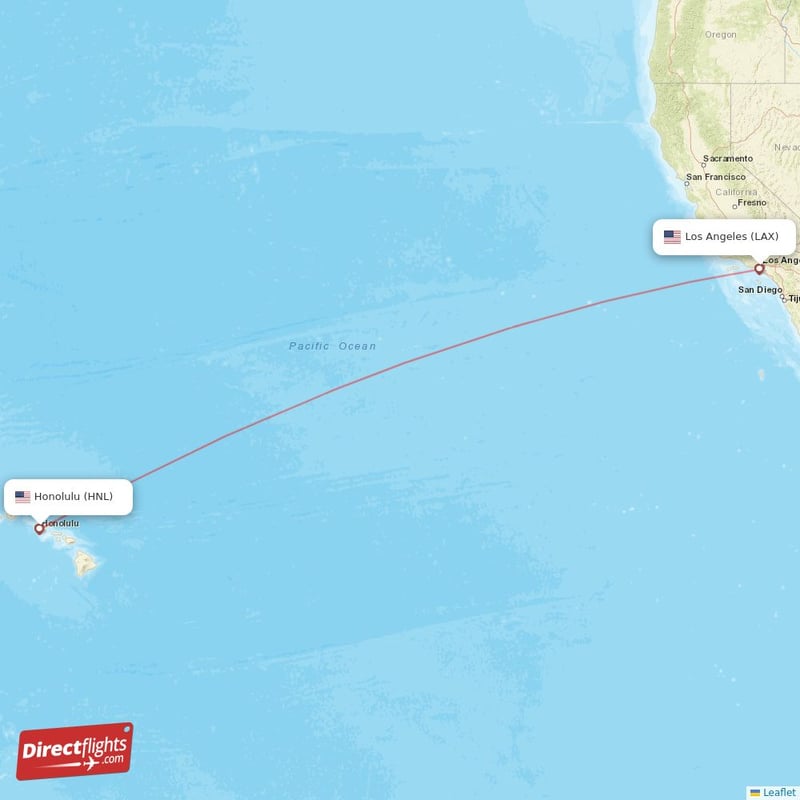
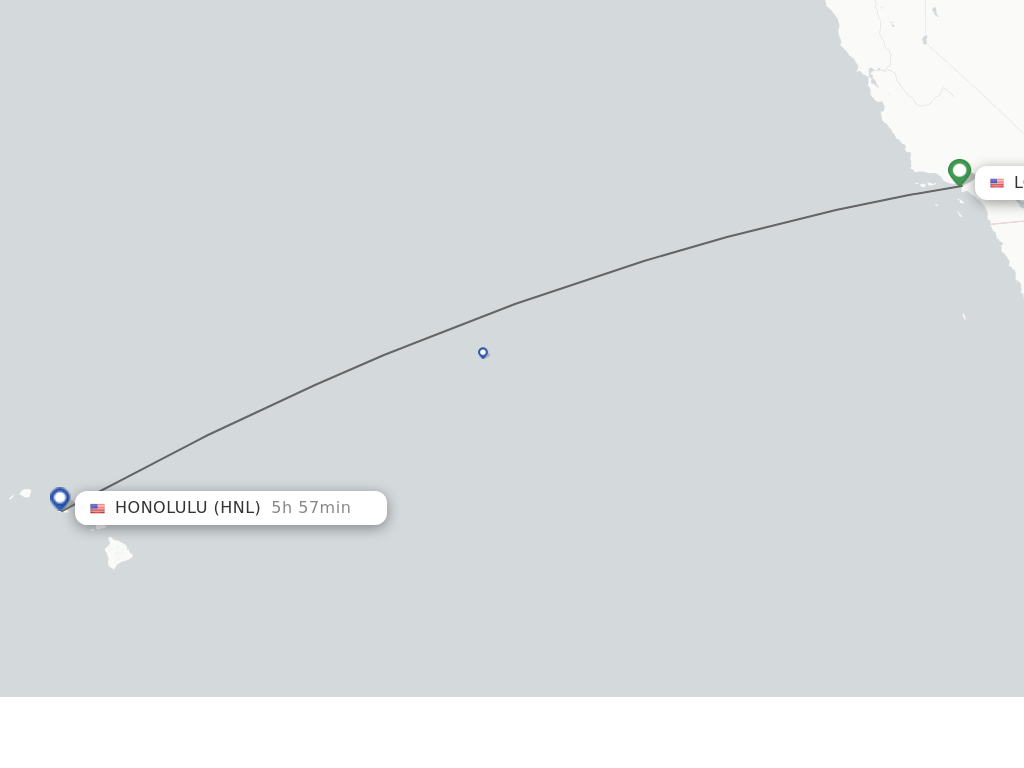
When flying from Los Angeles International Airport, commonly known as LAX, to the Hawaiian Islands, the average flight time typically ranges between 5 hours and 30 minutes to 6 hours for the outbound leg. This duration can fluctuate based on several factors, including the specific island you are visiting and the current atmospheric conditions. Because the islands are spread across hundreds of miles, flying to the easternmost islands takes slightly less time than reaching the westernmost points of the chain.
Average Times to Major Islands
The most common destination for travelers is Oahu, landing at the Daniel K. Inouye International Airport. A direct flight here usually clocks in at approximately 5 hours and 45 minutes. If your itinerary takes you to the “Valley Isle” of Maui, landing at Kahului Airport, the time is very similar, often just a few minutes shorter than the flight to Honolulu.
For those heading to the Big Island, the flight time depends on whether you land at Ellison Onizuka Kona International Airport on the west side or Hilo International Airport on the east. Flights to Kona usually take about 5 hours and 40 minutes. Meanwhile, a journey to the “Garden Isle” of Kauai, landing at Lihue Airport, is the longest of the standard routes, frequently reaching the 6-hour mark due to its more northwesterly position in the chain.
The Return Leg: The Tailwind Advantage
One of the most noticeable aspects of traveling between California and Hawaii is the difference in duration between the outbound and inbound flights. While the flight to the islands often feels like a long haul, the return trip to Los Angeles is significantly faster. This is due to the prevailing jet streams—powerful, high-altitude winds that move from west to east. On the return journey, these winds act as a massive tailwind, often shaving 45 minutes to an hour off the travel time, bringing the flight down to roughly 4 hours and 45 minutes or 5 hours.
Factors That Influence Flight Time
While the distance between LAX and the islands remains constant—roughly 2,500 miles—the time spent in the air is subject to the whims of nature and the technicalities of aviation. Travelers should be prepared for slight variations every time they fly this corridor.
Jet Streams and Seasonal Weather
The jet stream is the primary architect of flight duration over the Pacific Ocean. During the winter months, these winds can become particularly strong. While this might result in a record-breaking fast return to North America, it can simultaneously add significant time to the outbound flight as the aircraft fights against a heavy headwind. In some extreme winter cases, a flight from Los Angeles to Kauai might take nearly 6.5 hours if the headwinds are exceptionally fierce.
Airline Routing and Speed
Different airlines utilize different aircraft and routing strategies. Major carriers like Hawaiian Airlines, Delta Air Lines, and United Airlines operate large wide-body and narrow-body jets that have specific cruising speeds. Furthermore, Southwest Airlines and Alaska Airlines often use Boeing 737 models which are highly efficient but may fly at slightly different altitudes or speeds than the larger Airbus A330 or Boeing 787 Dreamliner models used by other carriers.
Airport Traffic and Taxiing
The time “in the air” is only part of the story. Los Angeles International Airport is one of the busiest hubs in the world. It is not uncommon for an aircraft to spend 20 to 30 minutes taxiing from the gate to the runway, especially during peak morning or evening banks. Similarly, upon arrival at Daniel K. Inouye International Airport, there can be delays if a gate is not immediately available. When calculating your total travel day, it is wise to add an extra hour to the scheduled flight time to account for the ground experience at both ends.
Navigating the Destination Airports and Beyond
Landing in Hawaii is a sensory experience. As the cabin door opens, the scent of salt air and tropical flora greets you. Each island offers a unique entry point into the Aloha State.
Honolulu: The Gateway to Oahu
The flight to Honolulu is the most frequent route from LAX. Once you land at Daniel K. Inouye International Airport, you are just a short drive away from the famous beaches of Waikiki. This airport serves as the primary hub for inter-island transfers. If your final destination is Molokai or Lanai, you will likely fly into Honolulu first before boarding a smaller commuter plane for a 20-minute hop.
Kahului: Exploring the Wonders of Maui
Flights to Kahului Airport are perfect for travelers bound for the luxury resorts of Wailea or the historic charm of Lahaina. The descent into Maui offers breathtaking views of Haleakala National Park and the dramatic coastline of the Road to Hana. The airport is centrally located, making it easy to pick up a rental car and head toward the surfing meccas of the North Shore.
Kona and Lihue: Nature and Volcanics
Direct flights from LAX to Kona land you on a stunning runway built over ancient lava flows. This is the starting point for exploring the Hawaii Volcanoes National Park or the astronomical wonders atop Mauna Kea. On the other hand, flying into Lihue Airport on Kauai places you in the heart of the “Garden Isle,” near the majestic Na Pali Coast and the deep crevices of Waimea Canyon.
Maximizing Comfort on the Long Haul
A five-to-six-hour flight is significantly longer than a standard domestic hop but shorter than a transatlantic journey. This “medium-haul” status requires a bit of preparation to ensure you arrive refreshed and ready to explore attractions like Pearl Harbor or Hanauma Bay.
Choosing Your Seat and Cabin
If budget allows, upgrading to a premium cabin on airlines like American Airlines or Hawaiian Airlines can provide “lie-flat” seats, which are a game-changer for the morning flights leaving LAX. However, even in economy, selecting a seat in the front of the cabin or an exit row can provide much-needed legroom. Given the scenic approach to the islands, a window seat on the left side of the aircraft (Seat A) often provides the best views of the islands as you descend into Honolulu.
Managing the Time Zone Shift
Hawaii follows Hawaii-Aleutian Standard Time, which does not observe Daylight Saving Time. This means the time difference from Los Angeles fluctuates between two and three hours depending on the time of year. To minimize jet lag, try to stay awake for the duration of the flight and immediately adopt the local time upon landing. Spending your first afternoon outdoors at Diamond Head or walking along the shores of Poipu will help your internal clock reset with the help of natural sunlight.
Best Times to Fly and Strategic Planning
While the flight duration is relatively consistent, the experience of the flight and the cost of the journey vary wildly by season. Planning your trip from LAX requires an understanding of the peak travel cycles in the United States.
Peak Seasons vs. Shoulder Seasons
The busiest times to fly to Hawaii are during Christmas, New Year, and the Summer months. During these periods, flights are frequently at capacity, and the airports in both California and the islands are crowded. For a more relaxed experience, consider traveling during the shoulder seasons—specifically April to June or September to November. Not only are the flights more likely to have empty seats, but the boarding process at LAX is generally smoother.
Mid-Week Strategic Booking
If you are looking to optimize your travel time, mid-week flights (Tuesday and Wednesday) are often less prone to the heavy traffic delays seen on Fridays and Sundays. Airlines like JetBlue and Southwest Airlines often run promotions for these off-peak days. By choosing a mid-morning departure, you can avoid the worst of the Los Angeles morning rush hour traffic and arrive in Hawaii just in time for a late afternoon check-in at your resort.
Final Preparations at LAX
Before you board, ensure you have downloaded all necessary entertainment, as Wi-Fi over the Pacific Ocean can be spotty on certain carriers. Los Angeles International Airport offers a variety of high-end dining options in the Tom Bradley International Terminal and other terminals, allowing you to grab a meal before you embark on your 2,500-mile journey. Once you are in the air, the five-plus hours provide the perfect window to transition from the fast-paced lifestyle of the mainland to the slow, intentional rhythm of the islands. Whether you are dreaming of the black sand beaches or the lush rainforests, the flight from LAX is the beginning of an unforgettable adventure into the heart of the Pacific.
LifeOutOfTheBox is a participant in the Amazon Services LLC Associates Program, an affiliate advertising program designed to provide a means for sites to earn advertising fees by advertising and linking to Amazon.com. Amazon, the Amazon logo, AmazonSupply, and the AmazonSupply logo are trademarks of Amazon.com, Inc. or its affiliates. As an Amazon Associate we earn affiliate commissions from qualifying purchases.