
Embarking on a journey from the sprawling metropolitan heart of Texas to the volcanic shores of Hawaii is a bucket-list experience for many travelers. Spanning a significant portion of the United States and crossing the vast Pacific Ocean, the trip from Houston to the Hawaiian Islands is one of the longest domestic flights available. Whether you are seeking the urban energy of Honolulu or the lush seclusion of Kauai, understanding the logistics of this transpacific trek is the first step in planning a seamless tropical getaway.
Direct vs. Connecting Flights: Understanding Your Journey
The duration of your flight from Houston to Hawaii depends primarily on your choice of route and destination island. Because the distance is nearly 3,900 miles, the travel time is substantial, often rivaling flights to Europe from the Gulf Coast.
The Direct Path to Honolulu
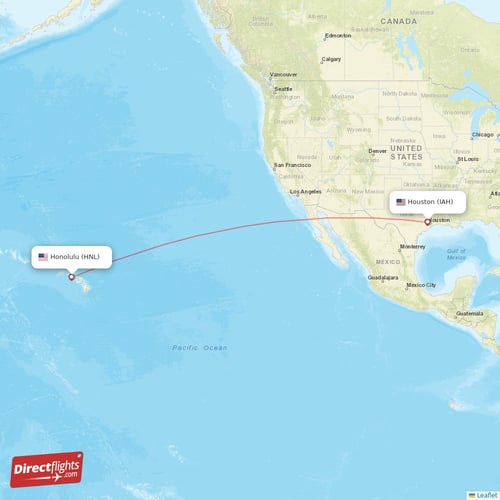
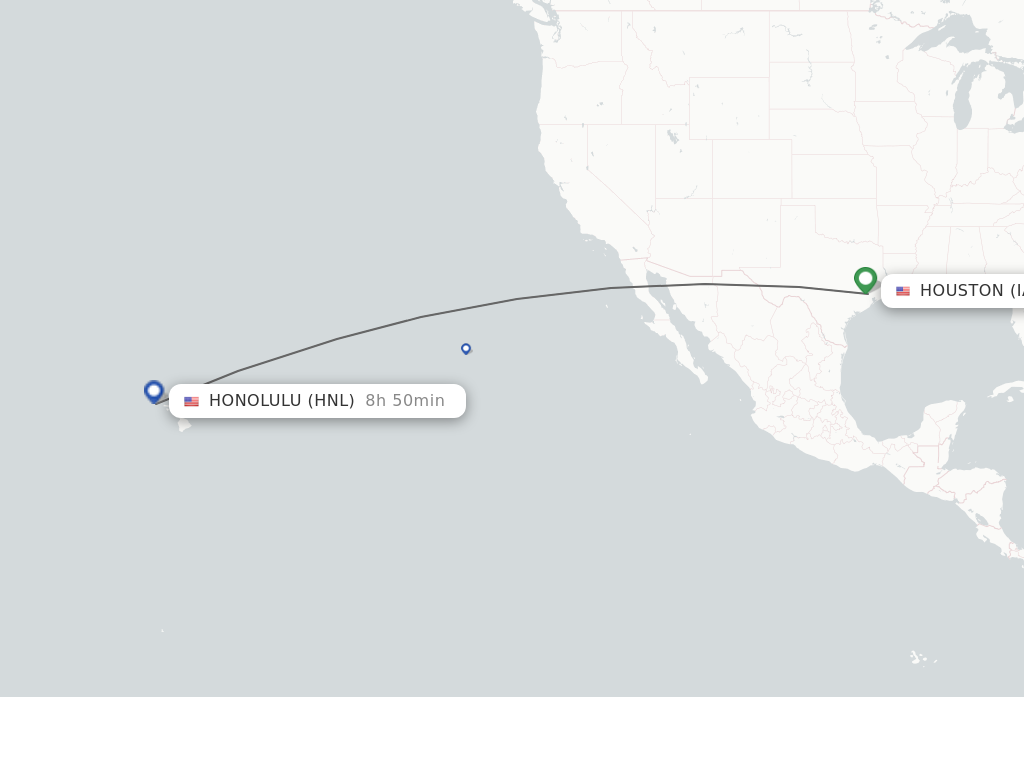
For those looking for the most efficient route, the non-stop flight from George Bush Intercontinental Airport to Daniel K. Inouye International Airport in Oahu is the gold standard. This flight, typically operated by United Airlines, generally takes between 8 hours and 15 minutes to 9 hours.
The variation in time is often due to the jet stream. When flying westward toward the Hawaiian Islands, aircraft often face headwinds, which can lengthen the duration. Conversely, the return flight from Honolulu to Houston is often shorter, typically ranging from 7 hours and 30 minutes to 8 hours, as the tailwinds help push the plane back toward the mainland.
Connecting Options and Multi-Stop Itineraries
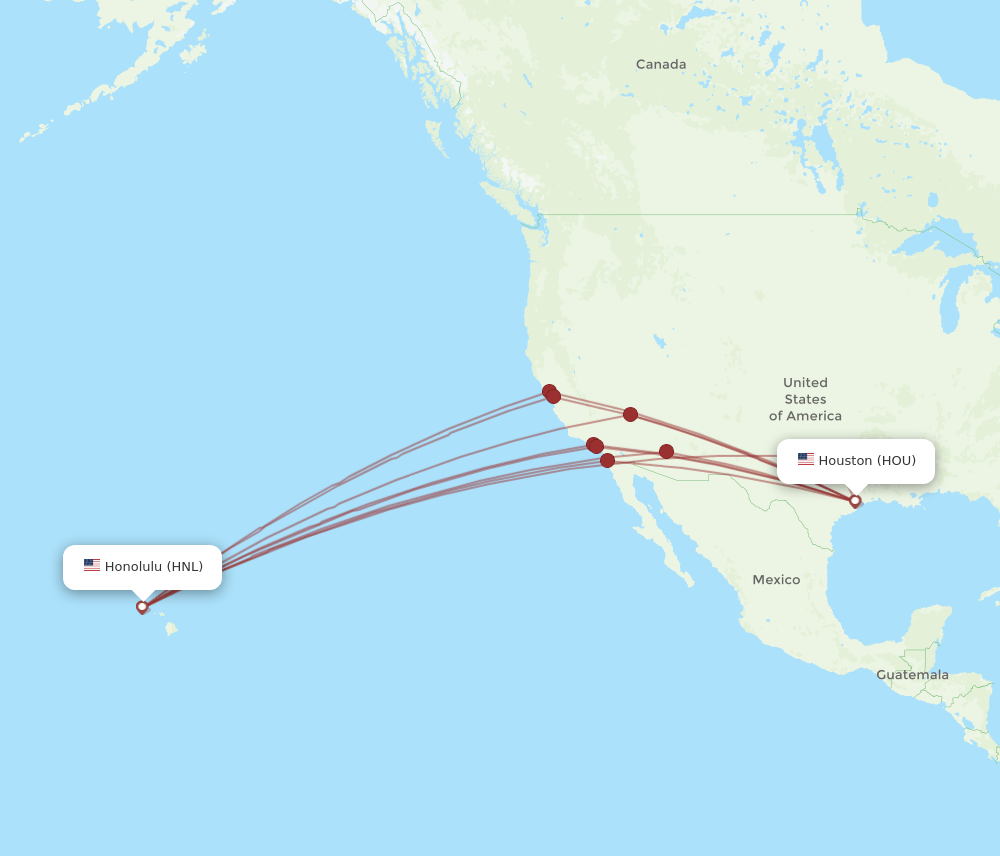
If you are not flying directly to Oahu, or if you are looking for more competitive pricing, you will likely encounter connecting flights. Most connections take place in major West Coast hubs. Common layover cities include Los Angeles, San Francisco, Seattle, and Phoenix.
When opting for a connection, your total travel time can increase significantly. A typical connecting itinerary from Houston might look like this:
- A 3.5 to 4-hour flight to California.
- A layover ranging from 1 to 3 hours.
- A 5.5 to 6-hour flight from the West Coast to Hawaii.
Total travel time for connecting flights usually averages between 11 and 14 hours. While longer, these routes offer the opportunity to fly directly into other island airports, such as Kahului Airport on Maui or Ellison Onizuka Kona International Airport on the Big Island, without having to transfer through Honolulu.
Navigating the Major Gateways: Airports and Airlines
Your experience begins at one of the busiest aviation hubs in North America. Houston serves as a critical departure point for travelers across the Southern United States heading to the Pacific.
Departing from George Bush Intercontinental Airport
As a primary hub for United Airlines, George Bush Intercontinental Airport offers the most frequent and reliable service to the islands. Travelers should prepare for a long day of travel by arriving early to navigate the large terminals. Many travelers prefer the amenities in Terminal C or Terminal E, which offer a variety of dining options reflecting the culinary diversity of Texas.
While William P. Hobby Airport also serves the Houston area, it primarily handles Southwest Airlines traffic. If you choose to fly from Hobby Airport, you will invariably have a connection, likely in Oakland or San Jose, before continuing to the islands.
Arriving at Daniel K. Inouye International Airport
Upon arrival in Honolulu, the atmosphere shifts immediately. Daniel K. Inouye International Airport is an open-air facility that welcomes visitors with the scent of tropical flowers and the warm Pacific breeze. From here, you are only a short drive from iconic destinations like Waikiki Beach or the historic site of Pearl Harbor.
For those whose final destination is Maui or Kauai, Honolulu serves as the primary transfer point for inter-island carriers like Hawaiian Airlines. These short “puddle-jumper” flights take between 30 and 45 minutes, offering stunning aerial views of the Diamond Head crater and the surrounding turquoise waters.
Exploring the Neighbor Islands
While Honolulu is the most common entry point, travel guides often recommend exploring the Neighbor Islands for a different pace of life.
- Maui: Known for the Road to Hana and Haleakala National Park, Maui is a favorite for honeymooners and families.
- Kauai: The “Garden Isle” is famous for the Nāpali Coast and Waimea Canyon, appealing to hikers and nature lovers.
- Big Island: Formally known as Hawaii Island, it is home to Hawaii Volcanoes National Park, where travelers can witness the power of active lava flows.
What to Expect Onboard and Time Zone Considerations
A flight of this magnitude requires some mental and physical preparation. Crossing several time zones and spending nearly nine hours in the air is a feat of endurance that is well rewarded upon arrival.
Crossing the Pacific Ocean
Once your flight leaves the coast of California, there is nothing but the Pacific Ocean for over 2,000 miles. This stretch of the journey is remarkably peaceful. Most airlines provide robust in-flight entertainment systems to help pass the time. Given the length of the flight from Houston, many travelers opt for Economy Plus or First Class upgrades to enjoy extra legroom and enhanced meal services.
Managing Jet Lag and Time Differences
Hawaii follows Hawaii-Aleutian Standard Time. Unlike Texas, Hawaii does not observe Daylight Saving Time. This means the time difference between Houston and Honolulu changes throughout the year.
- During the winter months (Standard Time), Hawaii is 4 hours behind Houston.
- During the summer months (Daylight Saving Time), Hawaii is 5 hours behind Houston.
To combat jet lag, travel experts suggest staying hydrated and immediately adjusting your watch to Hawaii time as soon as you board the plane in Texas. If you arrive in the afternoon, try to stay awake until the local sunset to help your internal clock synchronize with the island rhythm.
Strategic Planning for Your Hawaiian Islands Adventure
Timing your trip can influence both the flight duration and the overall travel experience. While the flight time remains relatively consistent, external factors like weather and seasonal tourism peaks can affect your journey.
Seasonal Variations in Flight Times and Conditions
While the flight duration from Houston is fairly stable, winter months can bring stronger headwinds, occasionally adding 20 to 30 minutes to the westward journey. Winter is also the time when the North Shore of Oahu sees massive swells, attracting professional surfers from around the globe.
If your travel goal is to see the majestic humpback whales, plan your visit between December and April. During this time, flights can be more crowded as travelers flock to Maui for whale-watching expeditions. Planning your flight during the “shoulder seasons” of late spring or early fall can result in a more relaxed airport experience at both George Bush Intercontinental Airport and the island terminals.
Enhancing the Experience: From Bayou to Beach
The transition from the humid, piney woods of Southeast Texas to the volcanic landscapes of Hawaii is profound. To make the most of the long flight, many travelers use the time to research local customs and “Aloha Spirit.”
Once you land, the travel experience shifts from the cabin to the coast. Whether you are heading to the luxury resorts of Wailea or the historic streets of Lahaina, the long journey from Houston becomes a distant memory the moment you see the first hibiscus bloom.
Final Considerations for the Houston to Hawaii Traveler
Packing for a flight of this length requires strategy. Essentials include noise-canceling headphones, a neck pillow, and layers of clothing to adjust to the varying temperatures of the aircraft cabin. Since you are traveling from the United States mainland to a domestic destination, you do not need a passport, but you will need to comply with Hawaii agricultural inspections upon arrival.
The flight from Houston to Hawaii is an bridge between two iconic cultures. From the Space City to the Rainbow State, the 8 to 9-hour flight is the gateway to a world of adventure, relaxation, and unparalleled natural beauty. By choosing the right flight path, preparing for the time difference, and understanding the airport logistics, your Hawaiian vacation begins the moment you leave the gate in Texas.
LifeOutOfTheBox is a participant in the Amazon Services LLC Associates Program, an affiliate advertising program designed to provide a means for sites to earn advertising fees by advertising and linking to Amazon.com. Amazon, the Amazon logo, AmazonSupply, and the AmazonSupply logo are trademarks of Amazon.com, Inc. or its affiliates. As an Amazon Associate we earn affiliate commissions from qualifying purchases.