
The allure of the Sunshine State is undeniable. From the pristine beaches of Miami and the vibrant theme parks of Orlando to the historic charm of St. Augustine and the natural wonders of the Everglades National Park, Florida offers an unparalleled tapestry of travel experiences, lifestyle opportunities, and breathtaking landmarks. Whether you’re planning a short-term luxury getaway, a family-friendly adventure, a business stay, or considering a long-term move to embrace the Florida lifestyle, understanding the local laws and regulations is paramount. Among the many considerations, especially for those who legally own firearms, is the question of concealed carry. “Do you need a concealed carry permit in Florida?” is a question that has seen significant changes recently, making it more relevant than ever for both visitors and residents. This comprehensive guide will navigate the intricacies of Florida’s concealed carry laws, helping you understand your rights and responsibilities, ensuring your trip or stay in the Sunshine State is not only enjoyable but also fully compliant with the law.
Unpacking Florida’s Concealed Carry Landscape for Travelers and Residents
Florida, a popular destination for millions of tourists and a growing home for new residents from across the United States and beyond, has always been at the forefront of discussions surrounding firearm rights. Its approach to concealed carry has evolved, particularly with recent legislative changes that directly address the question of whether a permit is necessary. For anyone planning travel, considering accommodation options like a cozy apartment rental in Tampa or a luxurious villa near Naples, or simply enjoying the local culture and attractions, understanding these shifts is crucial.
The Shift to Permitless Carry in the Sunshine State
Perhaps the most significant development in Florida’s firearm laws, and the direct answer to our titular question for many, is the implementation of permitless concealed carry. As of July 1, 2023, eligible individuals in Florida are no longer required to possess a Concealed Weapon or Firearm Permit (CWFP) to carry a handgun or other legal weapon concealed. This landmark change means that if you meet the state’s basic requirements for firearm ownership, you can carry a concealed handgun without first obtaining a specific permit.
This legislative adjustment reflects a broader national trend in some states, aiming to expand Second Amendment rights. For visitors from states that also have permitless carry, this might feel familiar. For others, particularly those accustomed to strict permitting processes, it represents a substantial shift. This doesn’t mean anyone can carry a firearm; strict eligibility criteria still apply, ensuring that only those legally entitled to possess a firearm can exercise this right. This move simplifies the process for many law-abiding citizens and tourists who might previously have forgone carrying due to permit complexities or time constraints. However, understanding the continuing restrictions and the benefits of a permit remains vital.
What is a Concealed Weapon or Firearm Permit (CWFP)?
Despite the advent of permitless carry, the Concealed Weapon or Firearm Permit (CWFP)—often simply referred to as a concealed carry permit—still exists in Florida. Historically, this permit was mandatory for anyone wishing to carry a handgun or other authorized weapon concealed on their person in public. Issued by the Florida Department of Agriculture and Consumer Services, the CWFP signifies that the holder has met specific state requirements, including training, background checks, and age limits.
While no longer a prerequisite for concealed carry within Florida for its residents and eligible visitors, the CWFP continues to hold significant value for several reasons. Primarily, it facilitates reciprocity with other states, allowing Florida permit holders to carry concealed in many other jurisdictions that recognize Florida’s permit. This is a critical consideration for those whose lifestyle involves extensive travel beyond the Sunshine State, perhaps on a cross-country road trip or frequent business flights across the United States. Additionally, possessing a CWFP can streamline the process of purchasing firearms from licensed dealers, as it often serves as an exemption from the instantaneous background check performed by the NICS (National Instant Criminal Background Check System). Therefore, while not strictly “needed” for concealed carry within Florida anymore, the CWFP offers distinct advantages that are worth considering.

Navigating the Nuances: Carrying Without a Permit
The ability to carry a concealed weapon without a permit in Florida presents a new landscape for firearm owners. However, this freedom comes with a profound responsibility and a strict set of rules that must be understood and adhered to. Ignorance of the law, especially when traveling or settling in a new area, is never an excuse. For those enjoying the vibrant nightlife in Fort Lauderdale, exploring the historical sites of Pensacola, or even relaxing in a beachfront Marriott resort, awareness of these nuances is essential for a safe and lawful experience.
Eligibility Requirements for Permitless Carry
Even with permitless carry, not everyone is automatically authorized to carry a concealed firearm in Florida. The law dictates that individuals must still meet the same eligibility requirements that would apply for obtaining a CWFP, without the need to go through the application process for the permit itself. These requirements generally include:
- Age: You must be 21 years of age or older. Active duty military personnel and honorably discharged veterans are exempt from the 21-year age requirement.
- Legal Eligibility: You must be legally eligible to own and possess a firearm under both Florida and federal law. This means you cannot have been convicted of a felony, certain domestic violence misdemeanors, or be subject to a domestic violence injunction.
- Residency: While not explicitly restricted to Florida residents, visitors must also meet these eligibility criteria.
- Mental Competency: You must not have been adjudicated mentally defective or been committed to a mental institution.
- No Disqualifying Factors: A range of other disqualifying factors, such as dishonorable discharge from the armed forces, renunciation of United States citizenship, or being an unlawful user of a controlled substance, would prevent permitless carry.
It’s crucial to understand that “permitless carry” does not equate to “unrestricted carry.” Individuals must still conduct themselves responsibly, understand the law, and be prepared to articulate their eligibility if questioned by law enforcement.
Where You Still Cannot Carry a Firearm
One of the most critical aspects of Florida’s concealed carry law, even with permitless carry, is the list of prohibited locations. These restrictions apply universally, whether you have a CWFP or are carrying without one. Tourists planning visits to famous attractions and residents enjoying their daily routines must be acutely aware of these places to avoid serious legal repercussions. Prohibited locations typically include:
- Any place of nuisance as defined in Section 823.05, Florida Statutes.
- Law enforcement stations or sheriff’s offices.
- Courthouses or courtrooms.
- Polling places during an election.
- Meetings of a government body (e.g., legislative meetings in Tallahassee).
- Any school, college, or university facility (including athletic events). This is particularly relevant for those visiting Gainesville or other college towns.
- Airports (sterile areas beyond security checkpoints).
- Any establishment primarily devoted to dispensing alcoholic beverages for on-premises consumption (e.g., bars or pubs, especially relevant for those enjoying South Beach nightlife or breweries in Tampa).
- Portions of a business where the primary income is from alcoholic beverages for consumption on the premises.
- Federal buildings or property.
- Professional athletic events (e.g., sporting arenas).
- Jails or prisons.
This list is not exhaustive, and firearm owners are responsible for knowing and abiding by all current regulations. For travelers exploring Walt Disney World Resort or Universal Studios Florida, theme parks generally prohibit firearms, regardless of a permit. Always check the specific policies of any venue or attraction you plan to visit.
The Advantages of Still Obtaining a CWFP
Given the permitless carry law, one might wonder why anyone would still bother to obtain a CWFP. However, for a savvy traveler or a long-term resident of Florida, the permit offers several compelling advantages that enhance the overall lifestyle and travel experience.
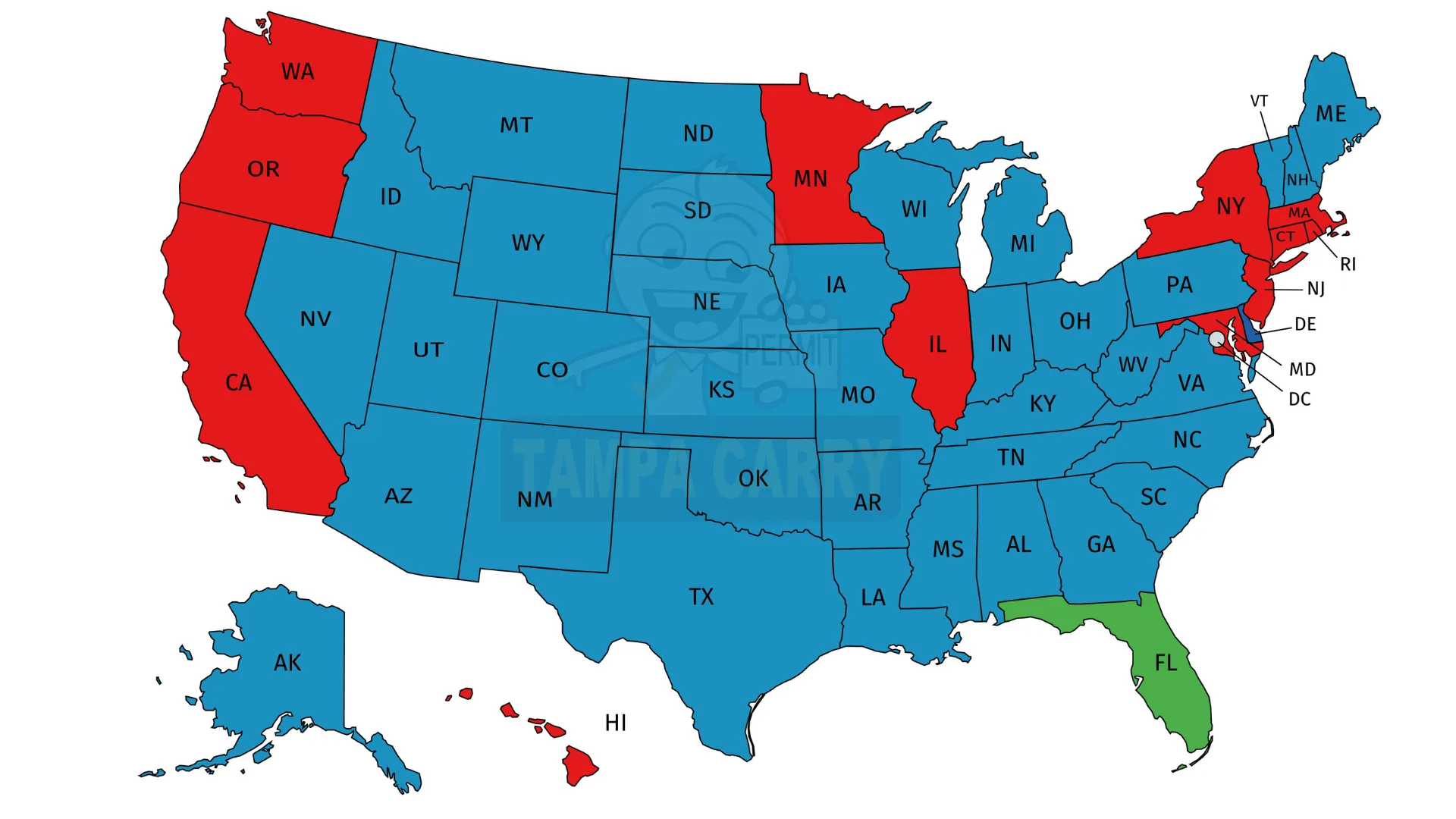
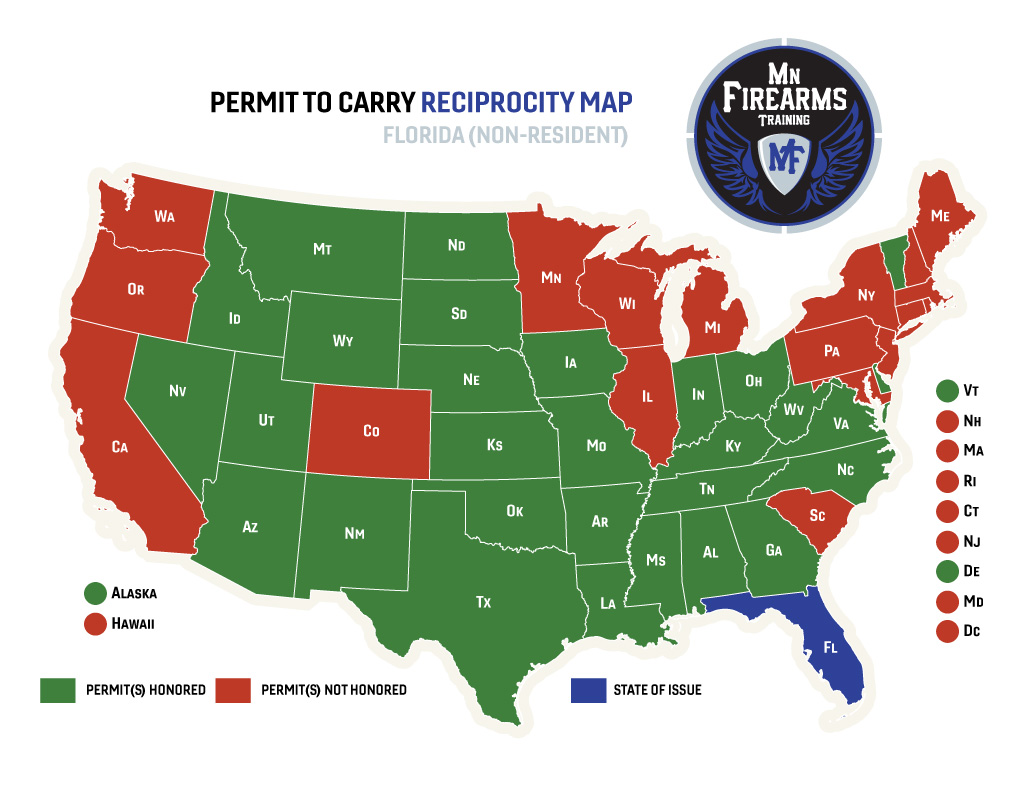
Firstly, and perhaps most importantly, is reciprocity with other states. A Florida CWFP is recognized in many other states across the United States through formal reciprocity agreements or unilateral recognition. This means if your travels take you beyond Florida’s borders—perhaps a drive up the Atlantic Coast or a visit to family elsewhere—your permit allows you to legally carry a concealed firearm in those reciprocating states, often without needing to navigate their unique permitting systems. This simplifies multi-state travel and ensures continuity in your self-defense capabilities.
Secondly, a CWFP provides an exemption from the NICS background check when purchasing a firearm from a licensed dealer in Florida. While a background check is still technically performed, the permit itself acts as proof that you’ve already undergone the necessary checks, often leading to a faster and more streamlined purchase process. For firearm enthusiasts or those looking to expand their collection while enjoying Florida’s retail opportunities, this is a distinct convenience.
Furthermore, some legal experts suggest that having a CWFP might offer certain legal benefits in specific situations, such as demonstrating a clear intent to comply with state laws and having undergone formal training. While permitless carry is now legal, holding a state-issued credential can sometimes simplify interactions with law enforcement, as it immediately clarifies your status as a vetted, law-abiding citizen who has completed required training.
Finally, for many, the peace of mind derived from formal training and state endorsement is invaluable. The application process includes mandatory training that emphasizes safe firearm handling, legal aspects of self-defense, and responsible storage. This comprehensive education fosters a deeper understanding of the gravity of carrying a firearm, contributing to safer practices for both the individual and the community, whether at home, staying in a Ritz-Carlton, or exploring nature in Biscayne National Park.
Obtaining a Concealed Weapon or Firearm Permit (CWFP) in Florida
For those who decide that the advantages of holding a CWFP outweigh the convenience of permitless carry, the process in Florida is well-defined. This section is particularly relevant for new residents, long-term visitors, or those planning extensive travel who seek the broadest possible legal protections and convenience. Navigating the process is a small investment for long-term peace of mind, enhancing your overall experience of the Florida lifestyle.
Step-by-Step Application Process
Obtaining a Florida CWFP involves a series of straightforward steps managed by the Florida Department of Agriculture and Consumer Services. The process is designed to ensure that all applicants meet the legal requirements and possess the necessary safety knowledge.
- Meet Eligibility Requirements: First, ensure you meet all the foundational eligibility criteria discussed earlier, including age, legal status, and absence of disqualifying criminal history or mental health issues.
- Complete a Firearms Training Course: This is a mandatory step. You must demonstrate competency with a firearm by completing an approved training course. This typically involves classroom instruction on firearm safety, legal aspects of self-defense, and a live-fire exercise.
- Gather Required Documents: You’ll need proof of training (certificate), a valid form of identification, and sometimes other supporting documents.
- Submit an Application: Applications can be completed online or submitted in person at designated regional offices. The application will require personal information, a sworn statement regarding eligibility, and authorization for a background check.
- Provide Fingerprints: Electronic fingerprints are required for the background check process. These are usually taken at a local sheriff’s office or an approved third-party vendor.
- Pay Fees: There are application fees, fingerprinting fees, and typically a fee for the training course.
- Undergo Background Check: The state conducts a thorough background check using federal and state databases to verify eligibility.
- Receive Your Permit: If approved, your CWFP will be mailed to you. The processing time can vary, so it’s wise to apply well in advance if you have specific travel plans.
Understanding each step helps streamline the process, allowing you to quickly move from planning to enjoying the diverse attractions and destinations Florida has to offer.
Training Requirements and Safety Considerations
The training requirement for a Florida CWFP is not merely a bureaucratic hurdle; it’s a foundational element for responsible firearm ownership. This training aims to instill critical safety principles and a comprehensive understanding of the legal framework surrounding firearm use, particularly for self-defense.
Approved training courses typically cover:
- Safe Handling: Fundamental rules of firearm safety, loading, unloading, and clearing malfunctions.
- Ammunition Knowledge: Understanding different types of ammunition and their proper use.
- Storage: Secure storage practices to prevent unauthorized access, especially important for families or when staying in accommodation like hotels or rented villas.
- Maintenance: Basic cleaning and maintenance of firearms.
- Legal Aspects: Extensive discussion of Florida’s self-defense laws, including the “Stand Your Ground” doctrine, and where carrying is prohibited.
Crucially, the training must include actual firing of a handgun and demonstration of proficiency. This hands-on experience is invaluable for developing confidence and competence. For those who choose permitless carry, while formal training isn’t mandated, seeking out similar education is highly recommended. Responsible firearm ownership is a lifestyle choice that prioritizes safety, legal compliance, and ethical considerations, whether you’re exploring Key West, enjoying the Gulf Coast beaches, or simply at home near Lake Okeechobee.
Responsible Firearm Ownership and Travel in Florida
Integrating firearm ownership with the joys of travel and a dynamic lifestyle in Florida requires continuous diligence and a commitment to responsible practices. Whether you’re a seasoned gun owner or new to the concept, making informed decisions about carrying, transporting, and storing your firearm ensures safety for yourself and those around you, allowing you to fully immerse in all the Sunshine State has to offer.
Understanding Reciprocity with Other States
One of the most compelling reasons to still acquire a Florida CWFP is its recognition in numerous other states. Florida maintains reciprocity agreements or unilateral recognition with many jurisdictions across the United States. This means that a Florida permit holder can legally carry a concealed firearm in those states, adhering to their specific laws regarding carrying. For instance, if you’re driving from Jacksonville to another state, having your permit could prevent legal complications.
It is absolutely crucial to research the firearm laws of any state you plan to travel through or visit. Reciprocity laws are complex and can change. While your Florida permit might be recognized, the nuances of where you can carry, duty to inform, and specific prohibited locations can vary significantly. Websites like the Florida Department of Agriculture and Consumer Services usually provide updated reciprocity maps and information, which should be consulted before any interstate travel. This foresight ensures your travel experiences, whether for leisure or business stays, remain hassle-free and legally sound.
Firearm Storage and Transportation for Visitors
For visitors traveling to Florida with firearms, or residents moving between different types of accommodation (e.g., from a permanent home to a temporary stay at a Grand Hyatt or a vacation rental in Destin), proper storage and transportation are paramount. Federal and state laws govern how firearms can be transported, especially when crossing state lines or flying.
- Vehicle Transportation: When a firearm is not being carried concealed on one’s person (either with or without a permit), it generally must be securely encased or not readily accessible for immediate use. “Securely encased” can mean in a holster with a retention strap, in a gun case, a closed box, or any other container that completely encloses the firearm.
- Air Travel: Firearms must always be declared to the airline and checked as luggage. They must be unloaded and transported in a locked, hard-sided container, separate from ammunition, in the cargo hold. Never attempt to carry a firearm or ammunition onto an airplane in carry-on luggage.
- Hotel/Accommodation Storage: When staying in hotels, resorts, or vacation rentals, ensure your firearm is securely stored to prevent theft or unauthorized access. Many hotels, even those allowing firearms on premises, may have specific policies or recommend using a personal safe. Always check with the accommodation provider, such as a Hilton or Four Seasons property, about their policies. Secure storage is especially critical for families traveling with children.
Diligent attention to these details prevents legal issues and promotes overall safety, allowing you to focus on enjoying Florida’s incredible destinations, from the Kennedy Space Center Visitor Complex to the serene shores of Panama City Beach.
Embracing Florida Safely: A Lifestyle Perspective
Florida’s appeal is multifaceted, drawing individuals with its vibrant culture, stunning natural beauty, and diverse lifestyle options. Whether you’re here for the thriving tourism industry, enjoying a long-term stay in a beautiful Sarasota apartment, or embracing the outdoor adventures offered by Dry Tortugas National Park, understanding and respecting the local laws, particularly those concerning firearms, is a fundamental aspect of responsible living and traveling.
The answer to “Do you need a concealed carry permit in Florida?” is now nuanced: not necessarily for concealed carry within Florida for eligible individuals, but highly recommended for its benefits, especially for interstate travel. This change allows for greater freedom but places an even greater emphasis on individual responsibility. By staying informed, adhering to safety protocols, and understanding the specific legalities of prohibited places and transportation, you can confidently and safely experience all the richness that the Sunshine State has to offer. Enjoy the beaches, the attractions, the food, and the unique Florida lifestyle with peace of mind, knowing you are a responsible and informed visitor or resident.
LifeOutOfTheBox is a participant in the Amazon Services LLC Associates Program, an affiliate advertising program designed to provide a means for sites to earn advertising fees by advertising and linking to Amazon.com. Amazon, the Amazon logo, AmazonSupply, and the AmazonSupply logo are trademarks of Amazon.com, Inc. or its affiliates. As an Amazon Associate we earn affiliate commissions from qualifying purchases.