
Embarking on a journey from Philadelphia, Pennsylvania, to the tropical shores of Hawaii is one of the longest domestic travel experiences a resident of the United States can undertake. Spanning nearly the entire width of North America and a significant portion of the Pacific Ocean, this trip requires careful planning, a bit of patience, and an understanding of the logistical nuances involved in crossing six time zones. Whether you are heading to the bustling streets of Honolulu or the serene cliffs of the Na Pali Coast, the time spent in the air is a significant factor in your itinerary.
Breaking Down the Distance and Flight Durations
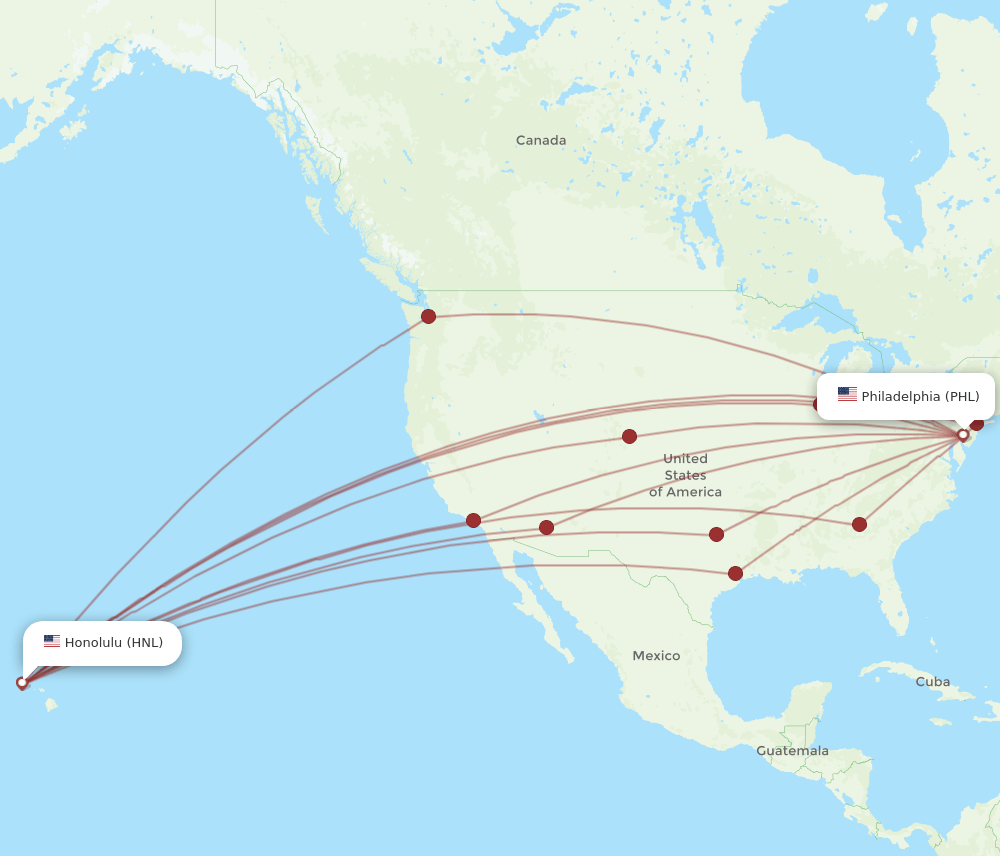
The Great Circle distance between Philadelphia International Airport and Daniel K. Inouye International Airport is approximately 4,900 miles. To put this in perspective, this is further than a flight from Philadelphia to London or even Rome. Because of this immense distance, total travel time generally ranges from 11 to 16 hours, depending heavily on the duration of layovers and the specific island destination.
Non-Stop vs. Connecting Flights
Historically, American Airlines has occasionally offered direct service from PHL to Honolulu, typically clocking in at around 10 hours and 30 minutes to 11 hours on the outbound leg. However, direct flights from the East Coast are relatively rare and often seasonal. Most travelers departing from the Delaware Valley will find themselves booking a connecting flight.
When connecting, the duration is split into two main segments: a transcontinental flight to a major hub and a subsequent long-haul over-water flight to the islands. A typical journey might involve a 5-hour flight to Dallas, a two-hour layover, and then an 8-hour flight to Oahu. If your final destination is Maui or Kauai, you may add an additional 30 to 60 minutes for an inter-island hop or a direct connection from the West Coast.
The Impact of the Jet Stream and Seasonality
Flight times are not static and are heavily influenced by high-altitude winds known as the jet stream. When flying west from Philadelphia toward the Pacific Ocean, aircraft often face strong headwinds, which can add 45 minutes to an hour to the total air time. Conversely, the return journey from Hawaii back to Pennsylvania is often significantly faster—sometimes under 9 hours for the air portion—as the jet stream “pushes” the plane eastward.
Seasonality also plays a role in scheduling. During the winter months, weather systems in the Midwest or Rocky Mountains can cause delays in connecting hubs like Chicago or Denver, effectively lengthening the total travel day.
Primary Flight Routes and Layover Hubs
Because there are limited direct options from the East Coast, choosing the right connection hub is essential for optimizing your travel time. Different airlines utilize different gateways, and each has its own advantages in terms of flight frequency and airport amenities.
Transiting Through the Midwest and South
Many travelers choose to take the “southern route” or “midwestern route” to break the journey into more manageable pieces. American Airlines frequently routes passengers through Dallas Fort Worth International Airport or Phoenix Sky Harbor International Airport. These hubs are advantageous because they are roughly halfway across the continent, allowing travelers to stretch their legs before the long over-water segment.
Alternatively, United Airlines often funnels Philadelphia passengers through Chicago O’Hare International Airport or Denver International Airport. While Chicago can be prone to winter weather delays, Denver offers a very efficient transition point. From these cities, the flight to Hawaii is approximately 8 to 9 hours.
West Coast Connections: The Final Leap Across the Pacific
For those who prefer to get the bulk of the domestic flying over with in one go, connecting through West Coast cities like Los Angeles, San Francisco, or Seattle is a popular choice. Delta Air Lines and Alaska Airlines offer numerous daily departures from these coastal gateways.
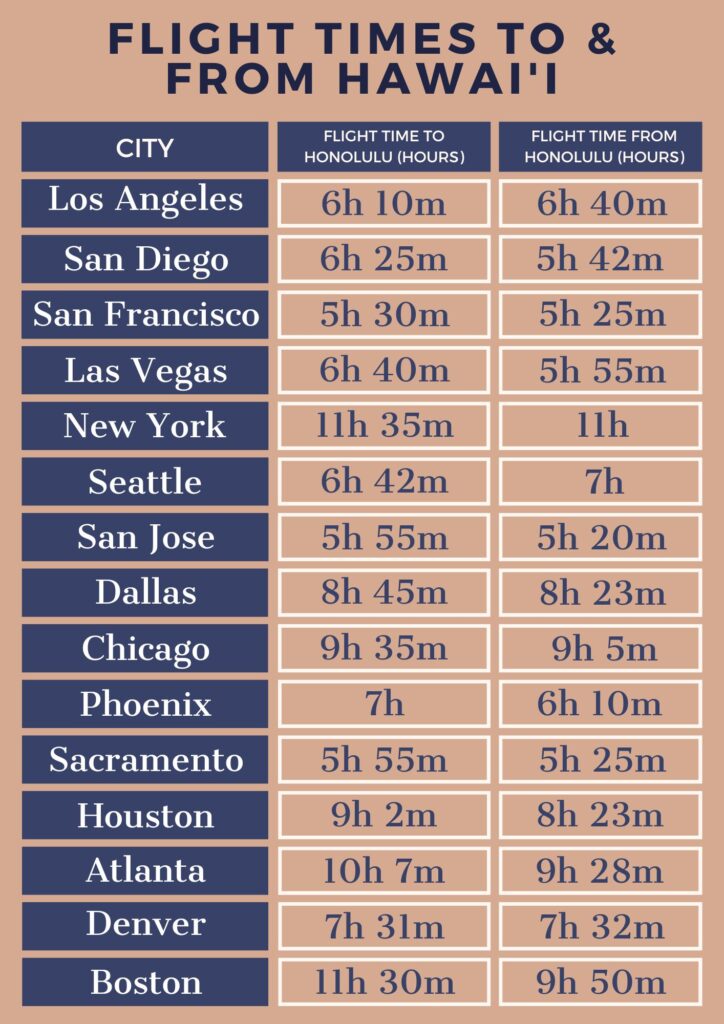
Connecting in California reduces the over-water flight time to about 5.5 to 6 hours. This is often the preferred route for travelers who want to spend a night in a city like San Diego or San Francisco to break up the trip and adjust to the time change gradually. It also provides the most options for reaching smaller airports like Lihue Airport on Kauai or Kona International Airport on the Big Island without having to go through Honolulu first.
Airline Options and In-Flight Services
Choosing an airline for a 5,000-mile trip is about more than just the ticket price; it is about the “hard product” (seats and aircraft type) and the “soft product” (food and service). Since you will be spending the better part of a day in the cabin, the amenities matter.
Hawaiian Airlines is a favorite for many, even though they do not fly directly out of Philadelphia International Airport. Many travelers will take a short hop to John F Kennedy International Airport in New York or Newark Liberty International Airport to catch a Hawaiian Airlines flight. They are known for their island-inspired hospitality, complimentary meals even in economy, and a cabin ambiance that makes you feel like you’ve reached the Pacific the moment you board.
United Airlines and Delta Air Lines often use wide-body aircraft like the Boeing 787 Dreamliner or the Airbus A330 for their long-haul routes to the islands. these planes offer better cabin pressure and humidity levels, which can significantly reduce the feeling of jet lag and fatigue upon arrival at Daniel K. Inouye International Airport. Southwest Airlines has also become a major player in the Hawaii market, primarily connecting through California. While they don’t offer a traditional first-class cabin, their two-free-checked-bags policy is a major draw for families planning a long stay on the islands.
Arriving in Paradise: Logistics for Each Island
The “flight to Hawaii” is a broad term, as the experience can vary depending on which of the major islands serves as your primary destination. Each airport has its own character and logistical considerations for the weary traveler arriving from the East Coast.
Oahu and Honolulu
Most international and long-haul domestic flights land at Honolulu. Upon arrival, you are just a short drive away from iconic landmarks like Waikiki Beach and Diamond Head. If your flight arrives in the late afternoon, you might have just enough time to catch a sunset over Pearl Harbor before the effects of the time difference set in. The transit from the airport to the major hotel zones is efficient, but traffic in Honolulu can be surprisingly heavy, mimicking the congestion of Philadelphia.
Maui, Kauai, and the Big Island
If you are bypassing Oahu for the “neighbor islands,” your flight time may be slightly longer if you have an additional layover. Kahului Airport in Maui is the second busiest gateway. From there, it is a scenic drive to the resorts of Wailea or the historic town of Lahaina.
For those heading to the Big Island, you will likely land at Kona International Airport, which features a unique open-air terminal. If your destination is the lush eastern side near Hilo, you may need a connecting flight from Honolulu, as direct flights from the mainland to Hilo International Airport are less frequent. Kauai travelers arrive at Lihue Airport, where the proximity to the Garden Isle’s natural wonders, like Waimea Canyon State Park, is immediate.
Essential Preparation for the Long-Haul Journey
Given that the flight from Philadelphia to Hawaii can take upwards of 12 hours of total travel time, preparation is key to ensuring you don’t spend the first three days of your vacation exhausted.
First, consider the time zone shift. Hawaii follows Hawaii-Aleutian Standard Time, which does not observe Daylight Saving Time. This means the time difference between Pennsylvania and the islands is either 5 or 6 hours. To combat jet lag, experts recommend staying awake until at least 8:00 PM local time on your first night in Maui or Oahu.
Hydration is another critical factor. The dry air in airplane cabins can be dehydrating over a 10-hour period. Drinking plenty of water and avoiding excessive caffeine or alcohol while over the Pacific Ocean will help you feel refreshed when you finally step off the plane into the warm, tropical air.
Finally, ensure your carry-on is packed with essentials. Since many flights from Philadelphia depart early in the morning, you will likely experience a full day of “sunlight” as you fly west, following the sun. Noise-canceling headphones, a portable power bank, and a light jacket (as cabins can get chilly) are indispensable for this transcontinental trek. By the time you see the volcanic peaks of Haleakala National Park or the steam rising from Volcanoes National Park out your window, the long hours in the air will feel like a small price to pay for the beauty of the Hawaiian Islands.
LifeOutOfTheBox is a participant in the Amazon Services LLC Associates Program, an affiliate advertising program designed to provide a means for sites to earn advertising fees by advertising and linking to Amazon.com. Amazon, the Amazon logo, AmazonSupply, and the AmazonSupply logo are trademarks of Amazon.com, Inc. or its affiliates. As an Amazon Associate we earn affiliate commissions from qualifying purchases.