
The journey from the bustling metropolis of Los Angeles to the serene archipelago of Hawaii is one of the most popular travel routes in the United States. For many travelers, the transition from the concrete jungle of California to the lush landscapes of the Central Pacific is a bucket-list experience. However, before you can bury your toes in the volcanic sands, you must navigate the logistical crossing of the Pacific Ocean. Understanding the duration, airline options, and travel nuances is essential for planning a seamless tropical getaway.
The Logistics of Crossing the Pacific: Flight Times and Routes
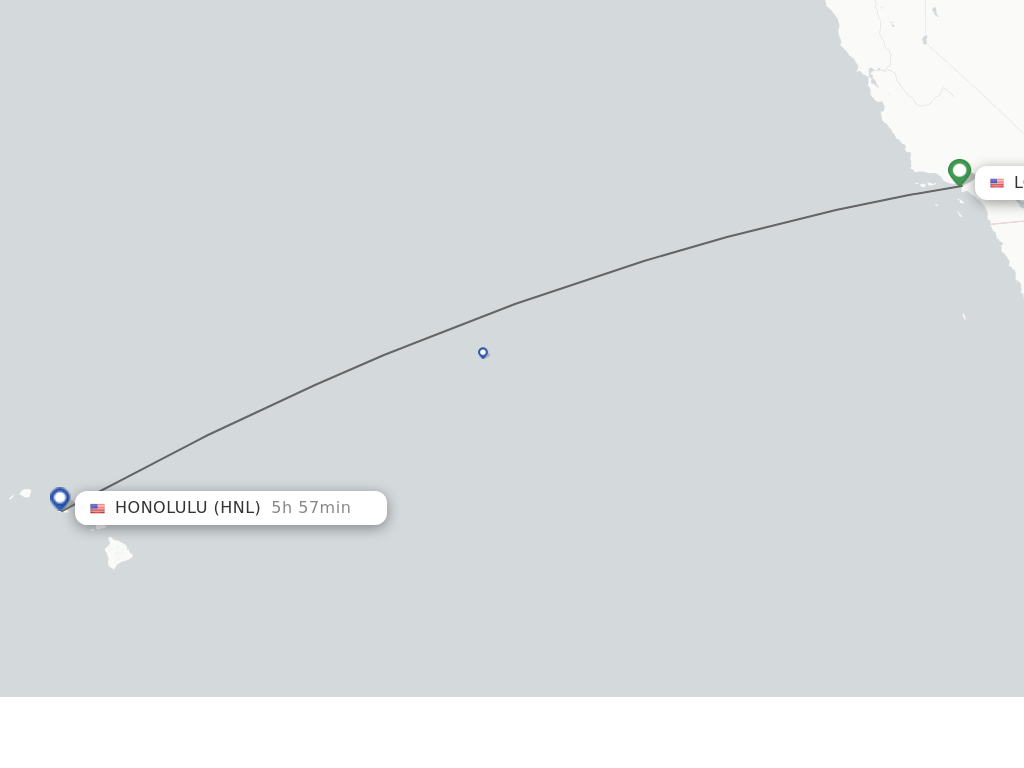
When calculating how long a flight from Los Angeles to the islands will take, the answer varies slightly depending on your specific destination island and the prevailing weather patterns. On average, a direct flight from Los Angeles International Airport to the major Hawaiian hubs takes between five and a half to six hours.
Direct Flights vs. Connecting Flights
The majority of travelers departing from LAX opt for non-stop service. These direct routes are the most efficient way to reach the islands, typically clocking in at approximately 5 hours and 45 minutes for the outbound journey. Because the flight heads west against the prevailing jet stream, the journey to the islands is usually about 30 to 45 minutes longer than the return trip to the mainland.
Connecting flights, while sometimes more budget-friendly, can significantly increase your travel time. Common connection points include San Francisco or Seattle. Opting for a layover can extend your total travel day to anywhere from eight to twelve hours, depending on the duration of the stopover. For most, the convenience of a direct flight from North America to the mid-Pacific is worth the potential price difference.
Island-Specific Durations
While the islands are clustered together, the flight time varies slightly depending on which runway you are aiming for.
- Oahu: The flight to Daniel K Inouye International Airport in Honolulu is the most frequent route. This flight typically takes about 5 hours and 40 minutes.
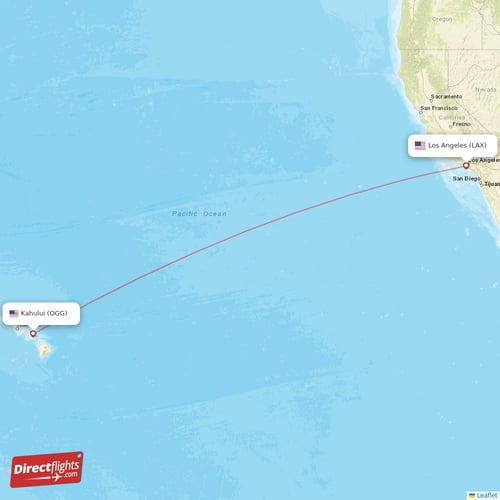
- Maui: Traveling to Kahului Airport usually requires about 5 hours and 30 minutes. It is often the shortest of the direct routes from the southern California coast.
- Kauai: To reach the “Garden Isle” via Lihue Airport, expect to spend roughly 5 hours and 50 minutes in the air.
- Island of Hawaii: Flights to the Big Island, landing at Ellison Onizuka Kona International Airport in Kona, take approximately 5 hours and 45 minutes. If you are flying into Hilo, you may often find yourself taking a connecting flight through Honolulu.
Airlines and In-Flight Experiences from LAX to the Islands
Choosing the right carrier can define your initial experience of the “Aloha Spirit.” Several major airlines service this corridor, offering a range of amenities designed to make the six-hour trek across the ocean comfortable.
Major Carriers and Their Services
Hawaiian Airlines is often the preferred choice for those who want their vacation to start the moment they step onto the plane. Known for their island-inspired meals and hospitality, they provide a distinct cultural touch that sets them apart. They operate several daily non-stops from Los Angeles using wide-body aircraft, which often feel more spacious for the long haul.
United Airlines and American Airlines also maintain a heavy presence on this route. These carriers offer multiple cabin classes, including lie-flat seats in first class on certain aircraft, which is a significant advantage for those looking to arrive refreshed. Delta Air Lines provides robust service with a focus on high-end in-flight entertainment and connectivity.
For budget-conscious travelers, Southwest Airlines and Alaska Airlines offer competitive pricing. Southwest Airlines is particularly popular for its “two bags fly free” policy, which is incredibly useful for families packing snorkeling gear and hiking boots for the diverse Hawaiian terrain.
Onboard Amenities and Overwater Safety
Since the flight from Los Angeles to Hawaii takes place almost entirely over the open ocean, the aircraft used are subject to ETOPS (Extended-range Twin-engine Operational Performance Standards) regulations. This ensures that the planes are equipped and maintained for long-distance overwater travel.
Onboard, passengers can typically expect a variety of entertainment options. Most modern jets on this route offer seat-back screens or Wi-Fi streaming services. Given the length of the flight, it is advisable to bring a neck pillow and noise-canceling headphones. While some airlines offer complimentary snacks or meals, many travelers choose to purchase food at LAX to ensure they have a substantial meal during the crossing.
Navigating Los Angeles International Airport for Your Departure
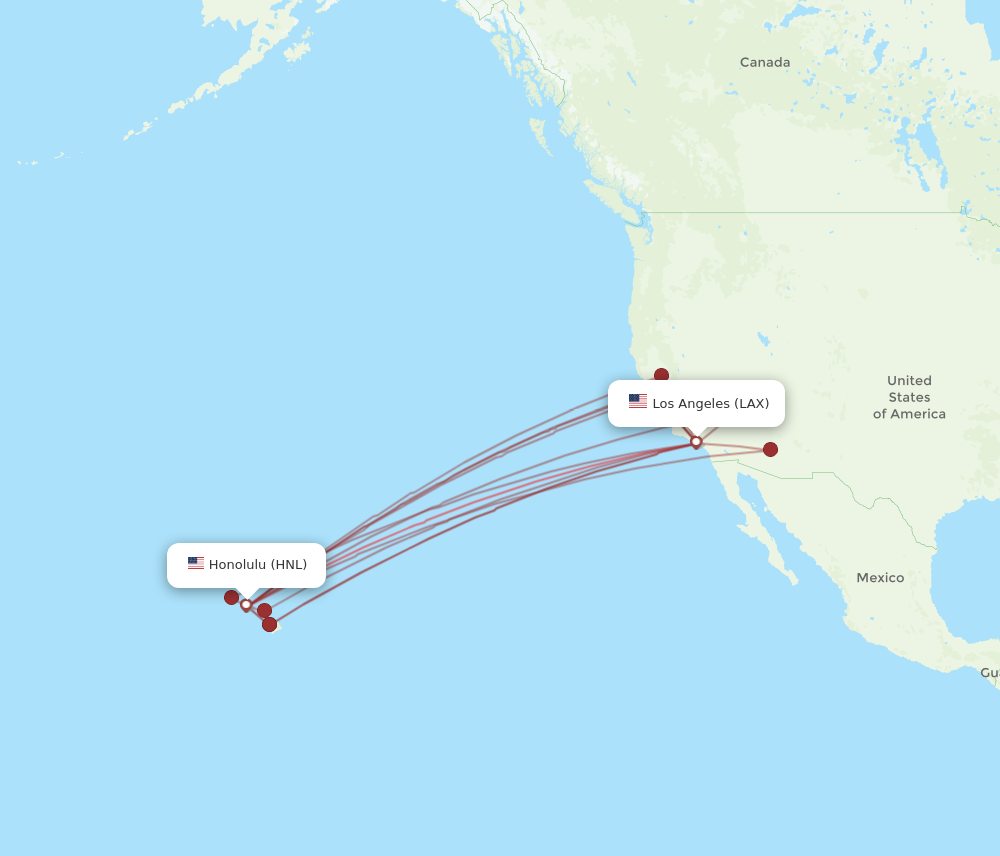
The experience of flying to Hawaii begins long before you reach the gate. Los Angeles International Airport is one of the busiest airports in the world, and navigating it requires a bit of strategy.
Terminal Tips and Security Checks
Most Hawaiian-bound flights depart from Terminal 4, Terminal 5, Terminal 7, or the Tom Bradley International Terminal. It is crucial to check your gate location in advance, as LAX is currently undergoing significant renovations that can affect transit times between terminals.
Arriving at least three hours before your scheduled departure is highly recommended. While Hawaii is a domestic destination, the volume of passengers at Los Angeles can lead to long TSA lines. If you have TSA PreCheck or Clear, your transit through security will be significantly faster, allowing more time to relax in one of the many airport lounges.
Pre-flight Essentials for the Aloha State
One unique aspect of traveling to Hawaii from the mainland United States is the agricultural declaration. Before landing, or sometimes at the gate in Los Angeles, you will be required to fill out a State of Hawaii Agricultural Declaration Form. This is part of the islands’ effort to protect their unique ecosystem from invasive species.
Additionally, ensure your wardrobe is “layer-ready.” While the weather in Los Angeles might be temperate, and Hawaii will be tropical, aircraft cabins are notoriously chilly. A light jacket or pashmina is essential for the flight, even if you plan on changing into shorts and flip-flops immediately upon arrival.
Maximizing Your Time in the Hawaiian Islands
Once the wheels touch down and the warm, humid air hits you at the gate, the six-hour flight becomes a distant memory. Whether you land in Honolulu or a more rural island, the attractions awaiting you are world-class.
Exploring Honolulu and Oahu
If your flight lands at Daniel K Inouye International Airport, you are just a short drive away from the iconic Waikiki Beach. This area is the heartbeat of Hawaiian tourism, offering a blend of high-end shopping, historic sites, and legendary surf.
A visit to the Pearl Harbor National Memorial is a must for history enthusiasts, providing a somber and educational look at the events of World War II. For those seeking outdoor adventure, hiking the Diamond Head State Monument offers a panoramic view of the coastline that makes every minute of the flight worth it.
Natural Wonders of the Neighbor Islands
For those who continued their journey to Maui, a trip to Haleakala National Park to witness the sunrise above the clouds is a transformative experience. Driving the Road to Hana allows travelers to see the dramatic waterfalls and rainforests that define the island’s windward side.
On Kauai, the Na Pali Coast State Wilderness Park remains one of the most stunning natural sights in the world, accessible only by boat, helicopter, or a rigorous hike. Meanwhile, Waimea Canyon State Park, often called the “Grand Canyon of the Pacific,” showcases the geological diversity of the archipelago.
On the Island of Hawaii, the Hawaii Volcanoes National Park provides a rare opportunity to see active volcanic landscapes. From the snow-capped peaks of Mauna Kea to the black sand beaches of the Kona coast, the Big Island offers an expansive playground for the intrepid traveler.
Planning Your Return Journey to California
As your vacation concludes, the return flight to Los Angeles requires its own set of considerations. Most flights departing Hawaii for the mainland are “red-eyes,” leaving in the late evening and arriving in California early the following morning.
The return flight is generally shorter—often clocking in around 5 hours and 15 minutes—due to the tailwinds of the jet stream. However, the agricultural inspection on the way out is more stringent. All checked and carry-on luggage must pass through a USDA agricultural screening before you can check in for your flight. This process is usually quick, but it is an extra step to account for when arriving at the airport in Honolulu or Kahului.
Traveling from Los Angeles to Hawaii is a straightforward journey that bridges two vastly different worlds. By understanding the flight durations, choosing the right airline for your needs, and preparing for the logistics of LAX, you can ensure that your transition into island time is as smooth and enjoyable as the Pacific breeze.
LifeOutOfTheBox is a participant in the Amazon Services LLC Associates Program, an affiliate advertising program designed to provide a means for sites to earn advertising fees by advertising and linking to Amazon.com. Amazon, the Amazon logo, AmazonSupply, and the AmazonSupply logo are trademarks of Amazon.com, Inc. or its affiliates. As an Amazon Associate we earn affiliate commissions from qualifying purchases.