
For countless individuals approaching their golden years, the question of where to retire is often intertwined with complex financial considerations. Among the myriad factors, state taxation policies play a pivotal role, influencing everything from daily expenses to the long-term sustainability of retirement savings. For many, the allure of the Sunshine State is undeniable, offering an enticing blend of warm weather, pristine beaches, and a vibrant lifestyle. But a crucial question often arises: “Does Florida tax Social Security benefits?”
The definitive answer is a resounding no. Florida is widely recognized as one of the most tax-friendly states for retirees in the United States, primarily because it does not levy a state income tax. This crucial distinction means that your Social Security benefits, along with other forms of retirement income such as pensions and distributions from 401(k)s and IRAs, are entirely exempt from state taxation in Florida. This favorable tax environment is a significant draw, making the state an increasingly popular choice for those looking to maximize their retirement income and enjoy a comfortable post-work life.
The Sunshine State’s Tax Advantage for Retirees
Florida’s tax structure is deliberately designed to attract residents, particularly those who are retired. The absence of a state income tax is the cornerstone of this strategy, creating a compelling financial incentive for individuals and families considering a move. Beyond just Social Security, this policy extends its benefits to a broad spectrum of income sources, ensuring that retirees can keep more of their hard-earned money.
No State Income Tax: A Major Draw
The lack of a state income tax in Florida means that whether you’re receiving a pension from your former employer, drawing income from a personal retirement account, or collecting Social Security benefits, the state government won’t take a slice. This is a substantial advantage, especially when compared to states that impose high income taxes on all forms of income, including retirement distributions. For someone on a fixed income, every dollar saved from taxation directly translates into greater purchasing power, allowing for a more enjoyable and less stressful retirement experience.
Imagine a scenario where a retiree living in a state with a high income tax might see a significant portion of their monthly Social Security check disappear before it even hits their bank account. In Florida, that entire benefit remains intact at the state level. This fosters a sense of financial security and freedom, enabling retirees to allocate their resources towards travel, hobbies, healthcare, or simply enjoying the myriad lifestyle opportunities the state offers. The ability to avoid state taxes on retirement income is often the deciding factor for many individuals who choose to relocate to the Sunshine State for their golden years.
Understanding Florida’s Other Tax Policies
While Florida offers significant tax advantages for retirees regarding income, it’s essential to understand other aspects of the state’s tax landscape. A comprehensive view ensures that prospective residents can make informed decisions.
- Sales Tax: Florida has a statewide sales tax of 6%. Many counties also impose their own discretionary sales surtaxes, which can add an additional 0.5% to 2.5% to purchases, bringing the effective sales tax rate in some areas up to 7.5% or even 8.5%. This tax applies to most goods and some services. For retirees on a budget, being mindful of discretionary spending can help manage this expense.
- Property Tax: Property taxes in Florida can vary significantly by county and municipality. They are assessed based on the value of the property, and these taxes fund local services such as schools, police, and fire departments. While some areas, particularly popular coastal regions, can have higher property values and thus higher taxes, Florida does offer a homestead exemption for primary residences, which can reduce the taxable value of a home by up to $50,000. Additionally, specific exemptions are available for seniors, disabled veterans, and surviving spouses, which can further alleviate the property tax burden.
- Inheritance and Estate Tax: Another considerable financial benefit for retirees and their families is that Florida does not have a state-level inheritance tax or estate tax. This means that assets passed down to heirs will not be subject to additional state taxation, helping to preserve wealth across generations. This policy stands in stark contrast to several other states that do impose such taxes, adding another layer of financial appeal for long-term residents.
- Intangible Tax: Florida previously had an intangible tax on certain investments, but this was repealed in 2000, further simplifying the tax landscape for investors and retirees.
In summary, while Florida does have sales and property taxes, the overall tax burden for retirees is often significantly lower due to the absence of state income, estate, or inheritance taxes. This balanced approach makes it an attractive financial haven for those looking to stretch their retirement dollars further.
Beyond Taxes: Why Florida Attracts Retirees
While the tax benefits are a powerful magnet, the appeal of Florida for retirees extends far beyond financial incentives. The state offers an unparalleled quality of life, characterized by its idyllic climate, diverse natural beauty, and a rich tapestry of cultural and recreational opportunities. This holistic appeal contributes to its status as a premier retirement destination.
Lifestyle and Leisure: More Than Just Beaches
Florida’s reputation as a leisure destination is well-earned. With over 1,350 miles of coastline, access to stunning beaches like those in Sarasota or along the Emerald Coast, is almost universally convenient. But the state offers much more than just sunbathing and swimming.
- Outdoor Activities: The warm climate year-round allows for an active lifestyle. Golf enthusiasts can choose from hundreds of world-class courses, while fishing, boating, and kayaking are popular pastimes in the state’s numerous lakes, rivers, and coastal waters. Nature lovers can explore the unique ecosystems of the Everglades National Park, hike through state parks, or enjoy birdwatching.
- Arts and Culture: Florida boasts a vibrant arts and culture scene, particularly in cities like Miami, Sarasota, and St. Petersburg. From international art fairs and renowned museums to live theater, music venues, and historical landmarks like St. Augustine, there’s a constant stream of cultural engagement. Many communities also host local festivals celebrating everything from seafood to jazz.
- Culinary Delights: The food scene in Florida is incredibly diverse, reflecting its rich cultural mix. From fresh seafood straight from the Atlantic and Gulf to Latin-inspired cuisine in South Florida and farm-to-table restaurants, there’s something to satisfy every palate. Exploring local markets and dining out becomes an enjoyable part of the lifestyle.
- Community and Social Life: Many Florida communities are specifically designed with retirees in mind, offering a wealth of social clubs, organized activities, and opportunities to connect with like-minded individuals. Places like The Villages exemplify this, providing a comprehensive, active adult lifestyle.
This rich tapestry of lifestyle options ensures that retirees in Florida can pursue their passions, discover new interests, and maintain a fulfilling and active social life, all under the advantageous umbrella of the state’s tax policies.
Popular Retirement Destinations in Florida
The diversity of Florida means there’s a perfect spot for nearly every preference and budget. From bustling urban centers to serene coastal towns and active adult communities, the state offers a range of options for retirees.
- Sarasota: Located on the Gulf Coast, Sarasota is celebrated for its thriving arts and culture scene, beautiful beaches (including Siesta Key), and sophisticated dining. It’s ideal for those seeking a blend of cultural enrichment and relaxed coastal living.
- Naples: Further south on the Gulf, Naples offers a more upscale experience with luxury resorts, championship golf courses, high-end shopping, and exquisite dining. It’s known for its pristine beaches and elegant lifestyle.
- The Villages: This sprawling, master-planned active adult community in Central Florida is renowned for its extensive amenities, including golf courses, recreation centers, town squares with live entertainment, and thousands of social clubs. It offers a unique, all-encompassing retirement lifestyle.
- Fort Lauderdale: Known as the “Venice of America” due to its extensive canal system, Fort Lauderdale in Southeast Florida offers a vibrant urban environment with beautiful beaches, a bustling arts and cultural scene, and a diverse culinary landscape. It’s popular for those seeking an active, metropolitan retirement.
- St. Petersburg: Situated on a peninsula between Tampa Bay and the Gulf of Mexico, St. Petersburg has undergone a significant revitalization. It boasts a thriving downtown area, world-class museums like The Dalí Museum, beautiful waterfront parks, and a lively arts scene. It offers a more walkable, urban retirement experience.
- Tampa: As a major city on the Gulf Coast, Tampa offers all the amenities of a large metropolitan area, including diverse dining, cultural attractions, professional sports, and a growing job market for those considering part-time work in retirement. Its proximity to beaches and other Florida attractions makes it a convenient hub.
- Orlando: While famous for its theme parks, Orlando also offers a wide range of retirement communities, abundant healthcare facilities, and a diverse population. Its central location makes it easy to access both coasts and explore other parts of the state.
- Jacksonville: As Florida’s largest city by area, Jacksonville offers a more affordable cost of living compared to South Florida, alongside extensive natural beauty, including beaches, parks, and the St. Johns River. It appeals to those seeking a balance between urban amenities and outdoor adventures.
- Miami: For retirees seeking a dynamic, international urban experience, Miami offers a vibrant cultural scene, world-class dining, luxury shopping, and a bustling social life. It’s a hub for arts, fashion, and Latin culture, though the cost of living can be higher here.
Each of these destinations offers a unique flavor of the Florida retirement dream, allowing individuals to tailor their experience to their personal preferences and financial plans. Many offer a wide array of accommodation options, from luxury apartments and independent living villas to serene resort-style communities, catering to various budgets and lifestyle needs.
Important Considerations for a Florida Retirement
While Florida’s advantages are compelling, a balanced perspective requires acknowledging certain challenges and considerations. Making an informed decision involves weighing the pros against potential cons, ensuring that the dream of a Sunshine State retirement aligns with personal realities.
Navigating the Cost of Living and Climate Challenges
Despite the tax advantages, certain aspects of living in Florida can impact a retiree’s budget and lifestyle:
- Rising Cost of Living: While generally more affordable than some Northeastern or Californian counterparts, the cost of living in Florida has been on the rise, particularly in popular coastal cities. Housing costs, while not subject to state income tax, can be significant, especially in highly sought-after areas. Groceries, utilities (especially air conditioning during hot months), and transportation costs should also be factored into a retirement budget.
- Insurance Costs: Homeowner’s insurance, including flood and hurricane coverage, can be notably expensive in Florida, especially for properties in coastal or flood-prone zones. This is a crucial expense that often surprises newcomers and must be thoroughly researched.
- Traffic and Crowds: Florida is a popular tourist destination, and its population continues to grow. This can lead to significant traffic congestion in major metropolitan areas and crowded attractions, particularly during peak season (“snowbird season” from November to April).
- Hurricane Season: The Atlantic hurricane season, from June 1st to November 30th, is a significant annual consideration. Residents must be prepared for potential storms, which can lead to property damage, power outages, and temporary evacuations. This necessitates having an emergency plan and adequate insurance coverage.
- Heat and Humidity: The summer months in Florida are characterized by intense heat and high humidity, which can be challenging for some, especially those with certain health conditions. While air conditioning is ubiquitous, it’s a factor to consider for year-round comfort.
Understanding these factors is essential for a realistic assessment of a Florida retirement. Proper budgeting and preparedness can mitigate many of these concerns.
Comparing Florida to Other Retirement Havens
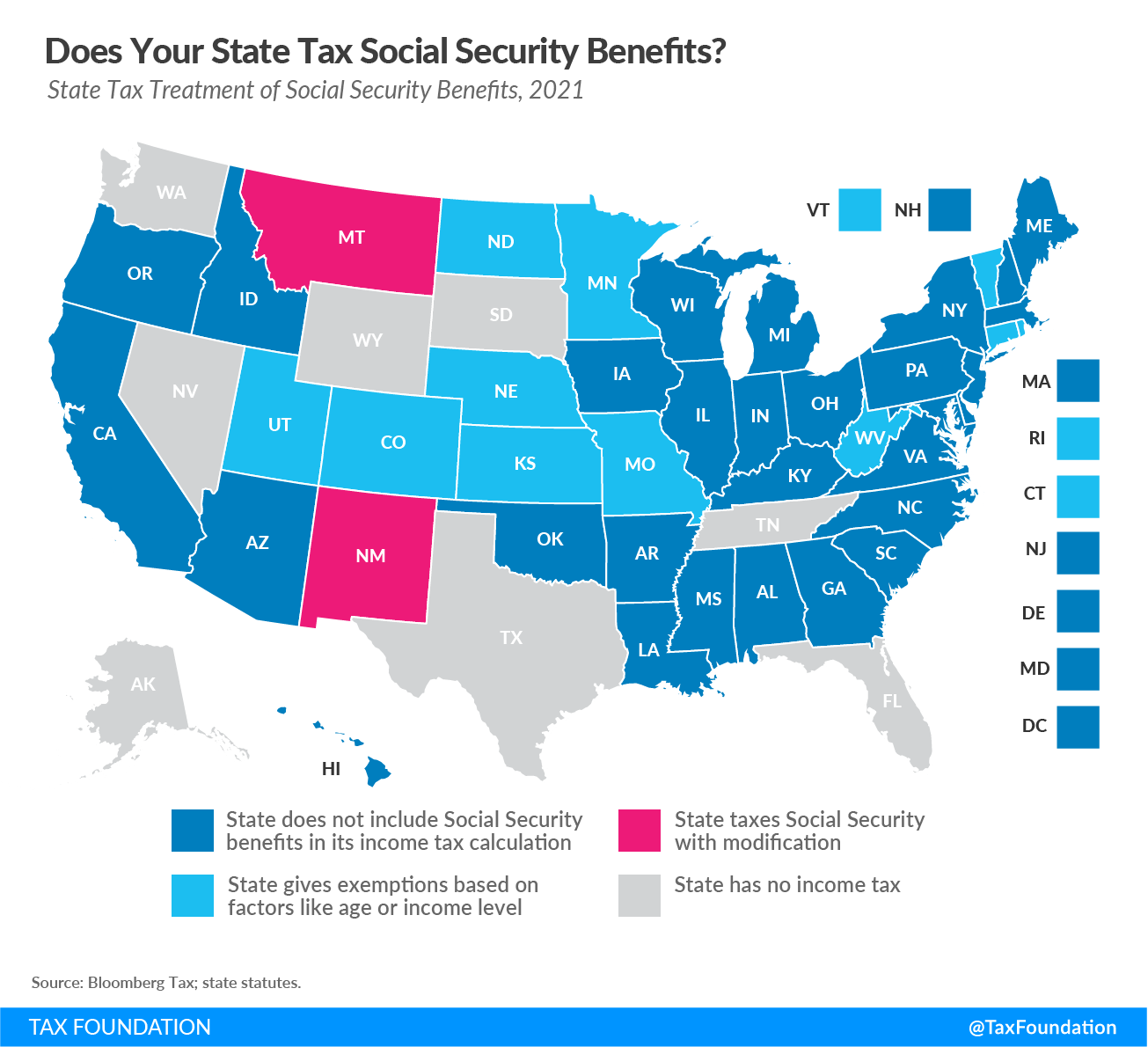
For a complete picture, it’s beneficial to briefly compare Florida’s tax policies on Social Security with those of other states. The majority of U.S. states do not tax Social Security benefits. However, a notable minority do impose state income tax on these benefits, often with certain exemptions or thresholds. These states include:
- Colorado
- Connecticut
- Kansas
- Minnesota
- Montana
- Nebraska
- New Mexico
- Rhode Island
- Utah
- Vermont
- West Virginia
Conversely, other states like Alaska, Nevada, South Dakota, Tennessee, Texas, Washington, and Wyoming also have no state income tax, making them similarly attractive for retirement income, though they each present their own unique climate and lifestyle considerations. New Hampshire taxes interest and dividends but not earned income or retirement benefits.
Florida stands out among these tax-friendly states due to its unique combination of climate, vast coastline, established retiree infrastructure, and diverse recreational opportunities. This blend often positions it favorably against states that may offer similar tax benefits but lack the same lifestyle appeal or natural environment for year-round enjoyment.
Federal vs. State: A Crucial Distinction for Social Security
It’s vital for all retirees to understand that while Florida does not tax Social Security benefits at the state level, these benefits may still be subject to federal income tax. This is a common point of confusion for many.
The Internal Revenue Service (IRS) determines if a portion of your Social Security benefits is taxable based on your “combined income.” Your combined income is calculated by adding:
- Your adjusted gross income (AGI)
- Any tax-exempt interest
- Half of your Social Security benefits
Based on your combined income, up to 85% of your Social Security benefits can be subject to federal income tax. The thresholds for federal taxation are:
- If your combined income is between $25,000 and $34,000 for an individual (or $32,000 and $44,000 for a married couple filing jointly), up to 50% of your benefits may be taxable.
- If your combined income is above $34,000 for an individual (or $44,000 for a married couple filing jointly), up to 85% of your benefits may be taxable.
Below these thresholds, your Social Security benefits are not federally taxable. This federal taxation applies regardless of which state you reside in. Therefore, while retiring in Florida offers significant state-level tax relief, retirees must still factor in potential federal taxes on their Social Security income when planning their overall financial picture. Consulting with a financial advisor or tax professional is always recommended to understand the specific implications for individual circumstances.
In conclusion, Florida stands as a prominent and attractive destination for retirees, largely due to its clear stance on income taxation: it simply doesn’t tax it. This includes your valuable Social Security benefits, pensions, and other retirement distributions. This financial advantage, combined with the state’s appealing climate, diverse lifestyle offerings, and a wide array of retirement communities, makes it a top choice for those seeking to enjoy their post-working years with greater financial freedom and a higher quality of life. While it’s crucial to consider other costs like sales tax, property tax, and insurance, the absence of state income and estate taxes provides a compelling incentive, solidifying Florida’s reputation as a true retirement haven.
LifeOutOfTheBox is a participant in the Amazon Services LLC Associates Program, an affiliate advertising program designed to provide a means for sites to earn advertising fees by advertising and linking to Amazon.com. Amazon, the Amazon logo, AmazonSupply, and the AmazonSupply logo are trademarks of Amazon.com, Inc. or its affiliates. As an Amazon Associate we earn affiliate commissions from qualifying purchases.