
Navigating the financial landscape of the United States often requires a keen eye for regional differences, but few places present as unique a challenge as Hawaii. For the discerning traveler, understanding the cost of goods and services is a fundamental pillar of lifestyle planning. Whether you are organizing a high-end retreat at the Four Seasons Resort Maui or embarking on a budget-conscious hiking trip through Waimea Canyon State Park, the way taxes are applied in the islands will directly impact your bottom line.
Strictly speaking, Hawaii does not have a “sales tax” in the traditional sense. Instead, the state employs a General Excise Tax (GET). While this might seem like a semantic distinction, the mechanics of the GET are vital for anyone engaged in budget travel or business stays. Unlike a standard sales tax, which is levied on the consumer, the GET is levied on the business for the privilege of doing business in the islands. However, in practice, almost every business passes this cost onto the consumer, resulting in a visible tax line on your receipt.
The Nuances of the General Excise Tax (GET)
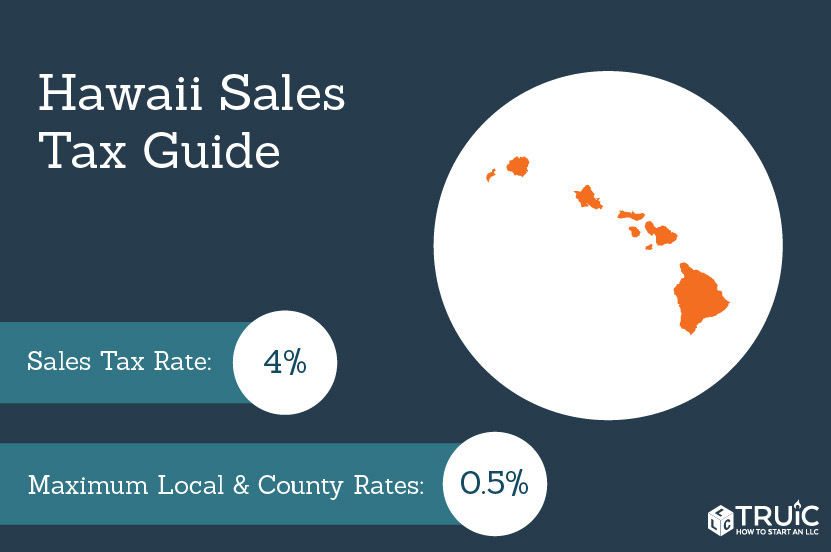
The baseline rate for the General Excise Tax in the state of Hawaii is 4%. However, travelers visiting different islands will notice slight variations due to county surcharges. These surcharges are implemented to fund local infrastructure projects, such as the rail system in Honolulu.
Regional Variations Across the Islands
If you are spending time on Oahu, home to the vibrant shores of Waikiki and the historic Pearl Harbor, the effective GET rate is 4.5%. This includes the 4% state tax plus a 0.5% county surcharge. This rate applies to nearly everything you purchase—from a surfboard rental at Kuhio Beach to a designer handbag at the Ala Moana Center.
On the neighboring islands, the rates are largely identical but governed by local county councils. Visitors to Maui, Kauai, and Hawaii Island (often called the Big Island) also encounter a 4.5% rate as of recent legislative updates. Whether you are dining in Lahaina or exploring the lush greenery of Princeville, the 4.5% figure is the standard benchmark for your daily expenditures.
The “Tax on Tax” Phenomenon
One of the most surprising aspects for those used to mainland United States shopping is that Hawaii law allows businesses to “visibly pass on” the GET to the consumer. Because the tax is technically on the merchant’s gross income, a merchant may charge you slightly more than the 4.5% to ensure they cover the tax they owe on the total transaction. This can result in an effective rate of approximately 4.712% on Oahu. While the difference is nominal on a cup of coffee in Kailua-Kona, it becomes a relevant factor for luxury travelers purchasing high-ticket items at Luxury Row.
Navigating the Transient Accommodations Tax (TAT) for Travelers
For the lifestyle traveler, the GET is only the beginning. The most significant financial consideration for any stay in the islands is the Transient Accommodations Tax (TAT). This tax is specifically designed for guests staying in “transient” lodgings, which includes any rental shorter than 180 days. This applies to the Royal Hawaiian Hotel, boutique rentals in Hanalei, and even modern apartments in Kakaako.
Understanding the Combined Lodging Tax
The state TAT rate is currently set at 10.25%. However, in recent years, each county has introduced its own local TAT, typically adding another 3%. When you combine the state TAT (10.25%), the local TAT (3%), and the GET (approximately 4.5%), the total tax on your hotel room or vacation rental can exceed 17.75%.
For example, a luxury suite at the Grand Wailea priced at $1,000 per night will actually cost the traveler nearly $1,180 after taxes are applied. This is a critical distinction for those planning family trips or business stays, as the advertised “rack rate” can be deceptive. When browsing options at Aulani A Disney Resort & Spa or the Hilton Hawaiian Village, always look for the “total price” inclusive of these mandatory fees.
Resort Fees and Additional Surcharges
In addition to the state and county taxes, many high-end resorts in areas like Wailea or Kapalua charge daily resort fees. These fees cover amenities such as beach umbrellas, Wi-Fi, and fitness center access. It is important to note that the General Excise Tax is also applied to these resort fees. When budgeting for a stay at The Ritz-Carlton Maui Kapalua, ensuring you account for the 17-18% tax on both the room rate and the daily resort fee is essential for accurate financial planning.
Practical Budgeting for Shopping and Dining Across the Islands
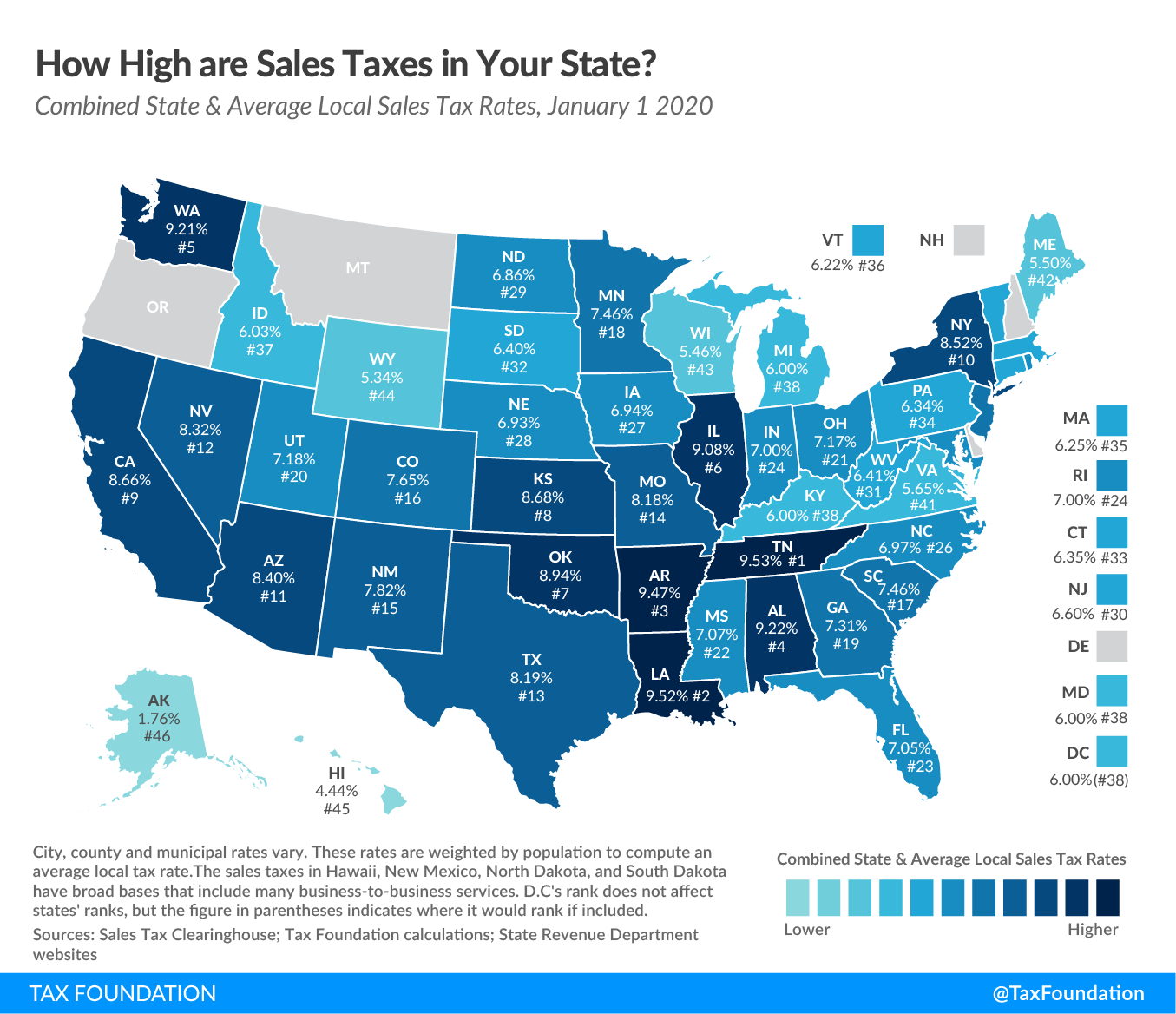
For those focused on budget travel, food and retail are the areas where the GET is most frequently encountered. Unlike many other states, Hawaii does not exempt groceries from its excise tax. Whether you are buying local fruit at a market in Hilo or stocking up on supplies at a supermarket in Lihue, you will pay the 4.5% GET.
Dining and Gratuities
When dining out at iconic spots like Dukes Waikiki or enjoying a sunset dinner in Poipu, the tax is added to the food and beverage total. A common point of confusion for international travelers is how to calculate tips. In the United States, it is customary to tip on the pre-tax amount. However, many modern point-of-sale systems suggest tips based on the post-tax total. Given Hawaii high cost of living, a tip of 18-22% is standard in the service industry, and knowing that the tax is already added can help you manage your gratuities more effectively.
Luxury Shopping and Car Rentals
For those seeking the finer things, shopping at the International Market Place or Whalers Village offers a wide array of luxury goods. While Hawaii lacks a “tax-free” shopping status like some other regions, the 4.5% rate is still significantly lower than the sales tax in cities like New York City or Los Angeles.
Car rentals are another area where taxes and fees aggregate quickly. Beyond the GET, renters are subject to a Rental Motor Vehicle Surcharge Tax (usually $5 per day) and county-specific surcharges. If you are picking up a convertible at Kahului Airport to drive the Road to Hana, ensure you factor in these daily add-ons, which can increase the base price of a rental by 20-30%.
Business Stays and Professional Travel Considerations
For the business traveler, Hawaii represents a unique intersection of work and leisure. If you are attending a conference at the Hawaii Convention Center or meeting clients in the downtown financial district of Honolulu, tax documentation is paramount.
Deductibility and GET Compliance
Because the GET is a tax on the business and not strictly the consumer, some mainland companies may have specific rules regarding how these are categorized on expense reports. It is advisable for business travelers to keep itemized receipts. Most hotels, such as the Sheraton Waikiki, provide a clear breakdown of the GET, TAT, and County TAT.
For professionals staying long-term in corporate housing or serviced apartments in North Shore or Kapolei, remember that the TAT is waived if your stay exceeds 180 consecutive days. This is a significant cost-saving measure for those on extended business assignments or those relocating to the islands.
Strategies to Manage Your Expenses in Paradise
While the taxes in Hawaii are unavoidable, a savvy lifestyle approach can help mitigate their impact. Budgeting effectively allows for more freedom to enjoy experiences like a helicopter tour over the Na Pali Coast or a visit to the Polynesian Cultural Center.
Off-Peak Travel and Booking Direct
One of the best ways to offset the high lodging taxes is to visit during the “shoulder” seasons—typically from mid-April to June or September to mid-December. During these times, the base rates at resorts like the Turtle Bay Resort are lower, which in turn reduces the total dollar amount paid in TAT and GET.
Additionally, booking directly with local properties or through reputable travel advisors can sometimes yield packages that include “resort credits.” While you still pay the tax on the room, these credits can cover the cost of activities like snorkeling at Molokini Crater or visiting Volcanoes National Park, effectively lowering your overall trip cost.
Leveraging Local Knowledge
Finally, embracing the local lifestyle can lead to significant savings. Shopping at farmers’ markets in Kakaako or exploring free natural landmarks like Diamond Head (which requires a small reservation fee but no sales tax on the experience itself) balances out the higher costs of luxury dining. Even a simple visit to Hanauma Bay or watching the surfers at Banzai Pipeline provides world-class entertainment with minimal tax exposure.
In conclusion, while Hawaii General Excise Tax and Transient Accommodations Tax are essential components of the state’s economy, they need not be a deterrent for the informed traveler. By understanding that the “sales tax” is a 4.5% excise tax and that lodging taxes can reach nearly 18%, you can plan your Pacific Ocean getaway with precision. Whether you are seeking the heights of Mauna Kea or the tranquility of Lanikai Beach, being tax-savvy ensures that your focus remains on the beauty and culture of the islands rather than the fine print on your receipt.
LifeOutOfTheBox is a participant in the Amazon Services LLC Associates Program, an affiliate advertising program designed to provide a means for sites to earn advertising fees by advertising and linking to Amazon.com. Amazon, the Amazon logo, AmazonSupply, and the AmazonSupply logo are trademarks of Amazon.com, Inc. or its affiliates. As an Amazon Associate we earn affiliate commissions from qualifying purchases.