
For many travelers, the dream of visiting Hawaii involves images of swaying palm trees, crystal-clear turquoise waters, and endless sunshine. However, those planning a trip often find themselves asking a crucial question regarding the climate of the United States’ tropical gem: How often do hurricanes actually strike the islands? While the threat of a tropical cyclone is a reality in the Pacific Ocean, the statistical frequency of direct hits on the archipelago is surprisingly low. Understanding the nuances of the hurricane season is essential for any tourist looking to balance adventure with safety.
Defining the Hurricane Season in the Central Pacific
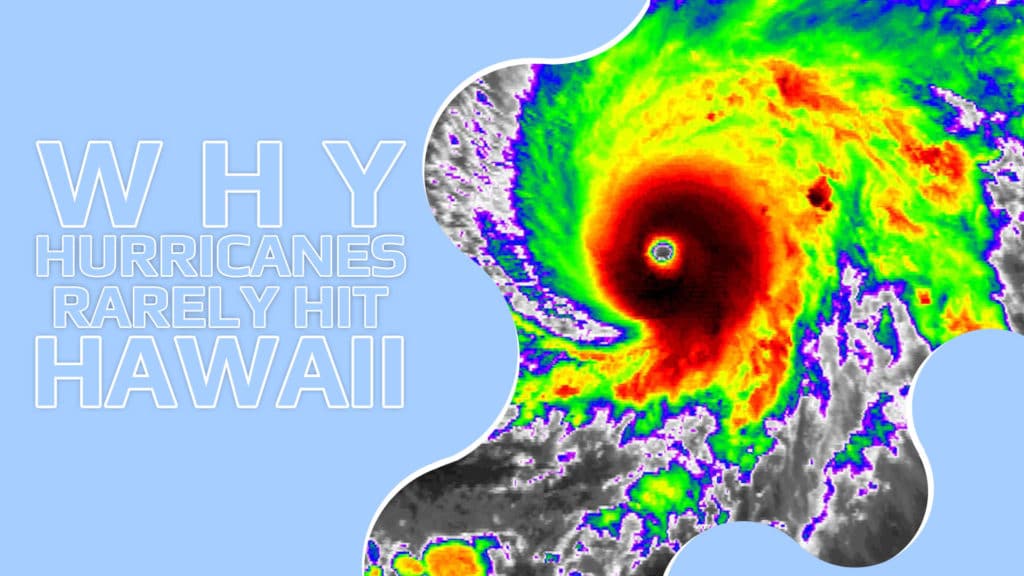
The official hurricane season for the islands, as monitored by the Central Pacific Hurricane Center based in Honolulu, runs from June 1st through November 30th. During this window, the atmospheric conditions are most conducive to the formation of tropical depressions, storms, and full-scale hurricanes. Despite this six-month window, Hawaii rarely experiences the devastating landfall events that are frequently seen in the Caribbean or along the Gulf Coast.
Historical Patterns and Statistical Probabilities
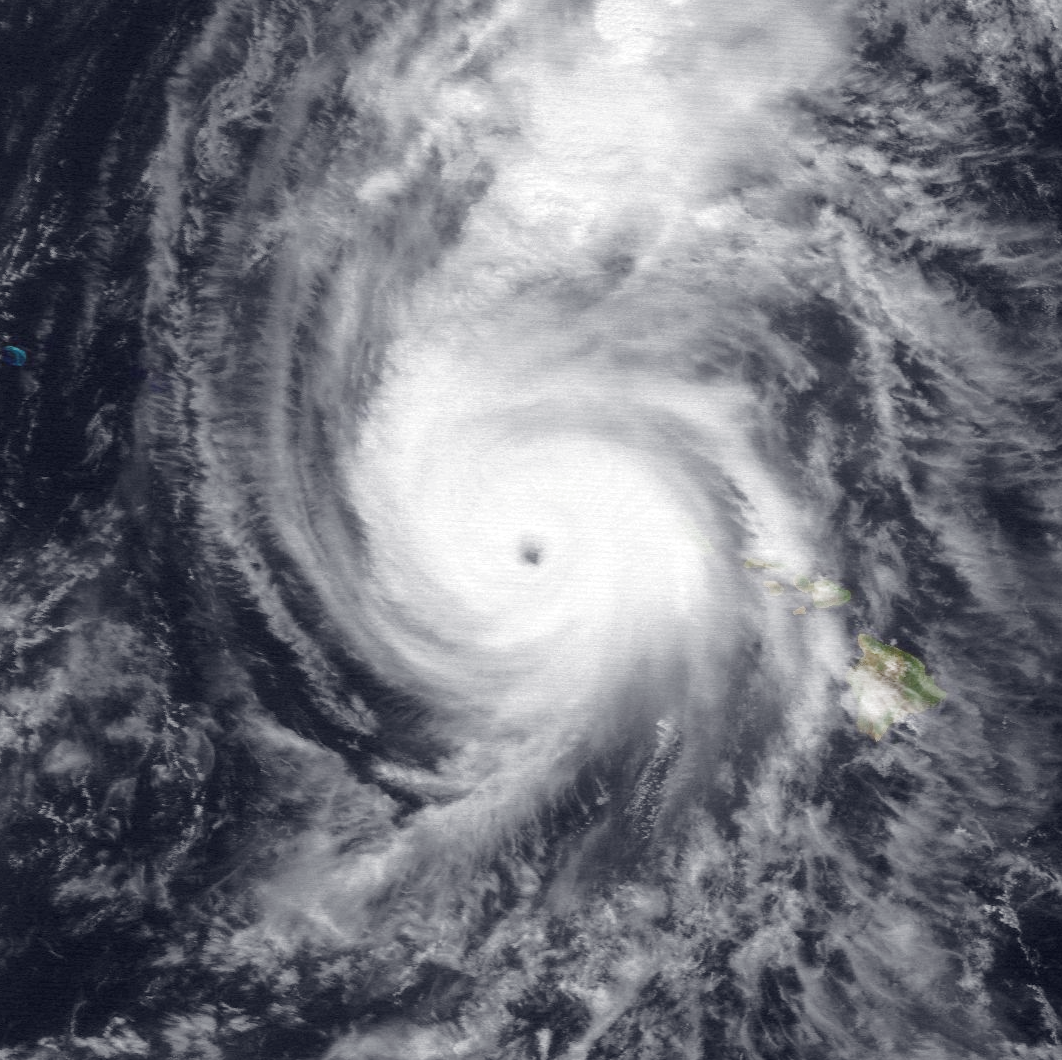
When looking at the historical record, a direct hit by a major hurricane is a once-in-a-generation event. In the last several decades, only a handful of significant storms have made landfall. The most notable in recent memory is Hurricane Iniki, which struck the island of Kauai in 1992. Before that, Hurricane Iwa caused significant damage in 1982.
Statistically, while four to five tropical cyclones might enter the central Pacific basin annually, most either dissipate before reaching the islands or pass safely to the north or south. This phenomenon occurs because Hawaii is a relatively small target in the vastness of the Pacific Ocean. Travelers visiting during the peak months of August and September should remain vigilant, but the likelihood of a vacation being completely derailed by a major storm remains low.
Why the Islands Are Often Spared
Nature has provided the islands with several layers of defense. First, a “buffer” of cooler ocean temperatures often surrounds the chain. Hurricanes thrive on warm water, typically needing temperatures above 80 degrees Fahrenheit to maintain strength. As storms approach from the east, they often encounter cooler waters that act as a natural dampener.
Furthermore, the islands are frequently protected by strong upper-level wind shear. These winds can effectively “tear” the tops off developing storms, preventing them from organizing into dangerous hurricanes. Additionally, the massive volcanic peaks of Mauna Kea and Mauna Loa on the Big Island act as physical barriers. These mountains, rising over 13,000 feet, can disrupt the circulation of a storm, often causing it to weaken or change direction before it can impact the more populated areas of Oahu or Maui.
Impact on Tourism and Seasonal Activities
Even if a hurricane does not make a direct hit, its proximity can significantly influence the tourism experience. For visitors, the most immediate impact is often felt in the ocean and in the sky. When a tropical system lingers nearby, the National Weather Service may issue high surf advisories or small craft warnings, which can alter planned activities.
Planning Your Trip Around the Weather
If you are planning a trip to Waikiki Beach or the North Shore during the summer or fall, it is wise to have a flexible itinerary. While the weather is generally spectacular, a passing storm can bring “Kona weather”—a shift in wind direction that brings humidity and heavy rain to the leeward sides of the islands.
During these periods, popular outdoor attractions like the Diamond Head State Monument or the Pearl Harbor National Memorial may temporarily close their outdoor exhibits due to high winds. However, these closures are usually brief. For the savvy tourist, this is a perfect time to explore indoor cultural sites like the Bishop Museum or enjoy the local food scene in Kakaako.
Water Activities and Ocean Safety
Safety is paramount when tropical activity is present in the region. Even if the sun is shining in Lahaina, a storm hundreds of miles away can generate massive swells. For those booked on snorkeling tours at Molokini Crater or sunset sails off Kaanapali Beach, cancellations are common if the sea state becomes unpredictable.
Lifeguards at popular spots like Poipu Beach or Hanalei Bay are the best resource for current conditions. Tourists are strongly advised to heed all posted signs and warnings. The “Aloha Spirit” extends to safety; local residents and officials take these warnings seriously to ensure that visitors return home with only good memories.
Regional Vulnerabilities: An Island-by-Island Guide

Each island in the chain reacts differently to tropical weather due to its unique topography and geographic position. When monitoring a forecast, it is important to know which island you are on and how its specific landscape might affect the conditions.
Kauai and the Big Island
Kauai, being the oldest and most northwestern of the main islands, has historically been more susceptible to direct hits, as seen with Hurricane Iniki. Its lush, mountainous interior and northern position make it a beautiful but sometimes vulnerable destination. Travelers heading to Princeville or Lihue should always check the local weather apps during the hurricane season.
Conversely, the Big Island often acts as the first line of defense. Its sheer size and height mean that storms approaching from the east are often broken apart by the volcanic terrain. While Hilo might see increased rainfall, the resort areas of Kona often remain sunny even when a storm is in the vicinity, thanks to the shielding effect of the mountains.
Oahu and Maui
Oahu is the economic and tourism hub of the state. While it has not faced a catastrophic direct hit in many years, the infrastructure of Honolulu is prepared for such an event. Large hotels in Waikiki have established protocols to keep guests safe, including emergency power and food supplies.
Maui, known as the Valley Isle, can experience high winds through its central valley during storm events. Tourists driving the Hana Highway should be particularly cautious, as heavy rains can lead to localized flooding and rockslides on this iconic, winding road. Visiting Haleakala National Park during a storm watch is also discouraged, as conditions at high altitudes can become extreme very quickly.
Essential Safety Tips for Travelers
Preparation is the key to a stress-free vacation. While the odds of encountering a hurricane are low, being informed allows you to relax and enjoy the islands’ beauty.
Interpreting Local Alerts and Forecasts
Visitors should familiarize themselves with the terminology used by the Central Pacific Hurricane Center. A “Hurricane Watch” means that hurricane conditions are possible within the specified area, usually issued 48 hours in advance. A “Hurricane Warning” is more serious, indicating that hurricane conditions are expected within 36 hours.
In the digital age, staying informed is easier than ever. Most visitors will receive wireless emergency alerts on their mobile devices. Additionally, local news outlets in Hawaii provide round-the-clock coverage when a system is approaching. Checking the forecast once a day during your morning coffee at a cafe in Kapalua is a simple habit that ensures you won’t be caught off guard.
Emergency Preparedness in Paradise
If a storm does approach, follow the lead of the locals. The concept of Kokua (help or cooperation) is central to Hawaiian culture. In the rare event of a weather emergency, you will see communities coming together to support one another. If you are staying at a resort, the management will provide clear instructions on whether to shelter in place or relocate to a safer area of the building.
For those staying in short-term rentals or villas in more remote areas like Molokai or Lanai, it is recommended to have a small kit including:
- Extra bottled water and non-perishable snacks.
- Portable power banks for mobile devices.
- A physical map of the island (in case GPS fails).
- Any necessary medications.
Travel insurance is another vital tip for those visiting during the hurricane season. Many policies cover trip cancellations or interruptions due to named tropical storms, providing financial peace of mind if your flight into Daniel K Inouye International Airport is delayed.
Conclusion: Weighing the Risks
While the question “How often does Hawaii get hurricanes?” is a valid concern, the reality is that the islands remain one of the safest tropical destinations in the world. The combination of natural geographic protection and highly sophisticated monitoring systems means that visitors are rarely in significant danger.
The hurricane season coincides with some of the best times to visit the islands—the water is at its warmest for swimming at Wailea, the crowds are often smaller than the winter peak, and the local festivals, such as those at the Polynesian Cultural Center, are in full swing. By staying informed and respecting the power of nature, you can enjoy everything the islands have to offer, from the volcanic landscapes of Hawaii Volcanoes National Park to the historic streets of Lahaina, with confidence and peace of mind.
LifeOutOfTheBox is a participant in the Amazon Services LLC Associates Program, an affiliate advertising program designed to provide a means for sites to earn advertising fees by advertising and linking to Amazon.com. Amazon, the Amazon logo, AmazonSupply, and the AmazonSupply logo are trademarks of Amazon.com, Inc. or its affiliates. As an Amazon Associate we earn affiliate commissions from qualifying purchases.