
Traversing the Hawaiian Islands is a dream for many travelers seeking to experience the diverse landscapes of the Pacific Ocean. While the archipelago consists of hundreds of islands, most visitors focus on the six main destinations: Oahu, Maui, Kauai, Lanai, Molokai, and the Big Island (also known as Hawaii Island). Because there are no bridges connecting these landmasses, moving between them requires careful planning and a choice between flying or, in very specific cases, taking a boat. Understanding the logistics of inter-island travel is essential for any United States vacationer looking to see more than just one shore.
The Primary Mode: Inter-Island Commercial Flights
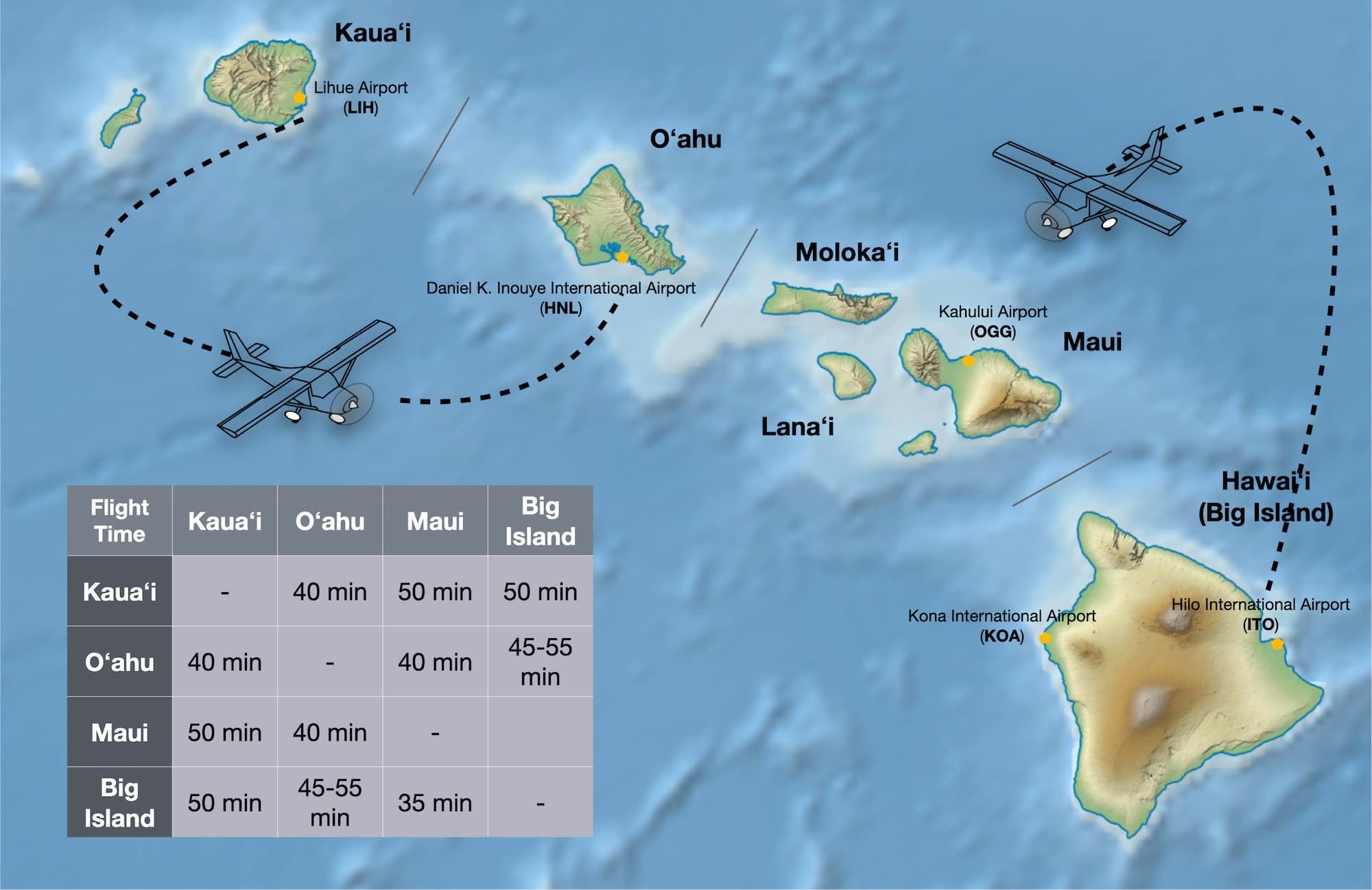
The most efficient and common way to travel between islands in Hawaii is by air. Given the volcanic geography and the distances between the islands, commercial aviation has become the backbone of local transportation. Flights are frequent, often lasting between 20 and 50 minutes, providing stunning aerial views of the coastline and the deep blue waters of the Pacific Ocean.
The Major Carriers: Hawaiian Airlines and Southwest Airlines
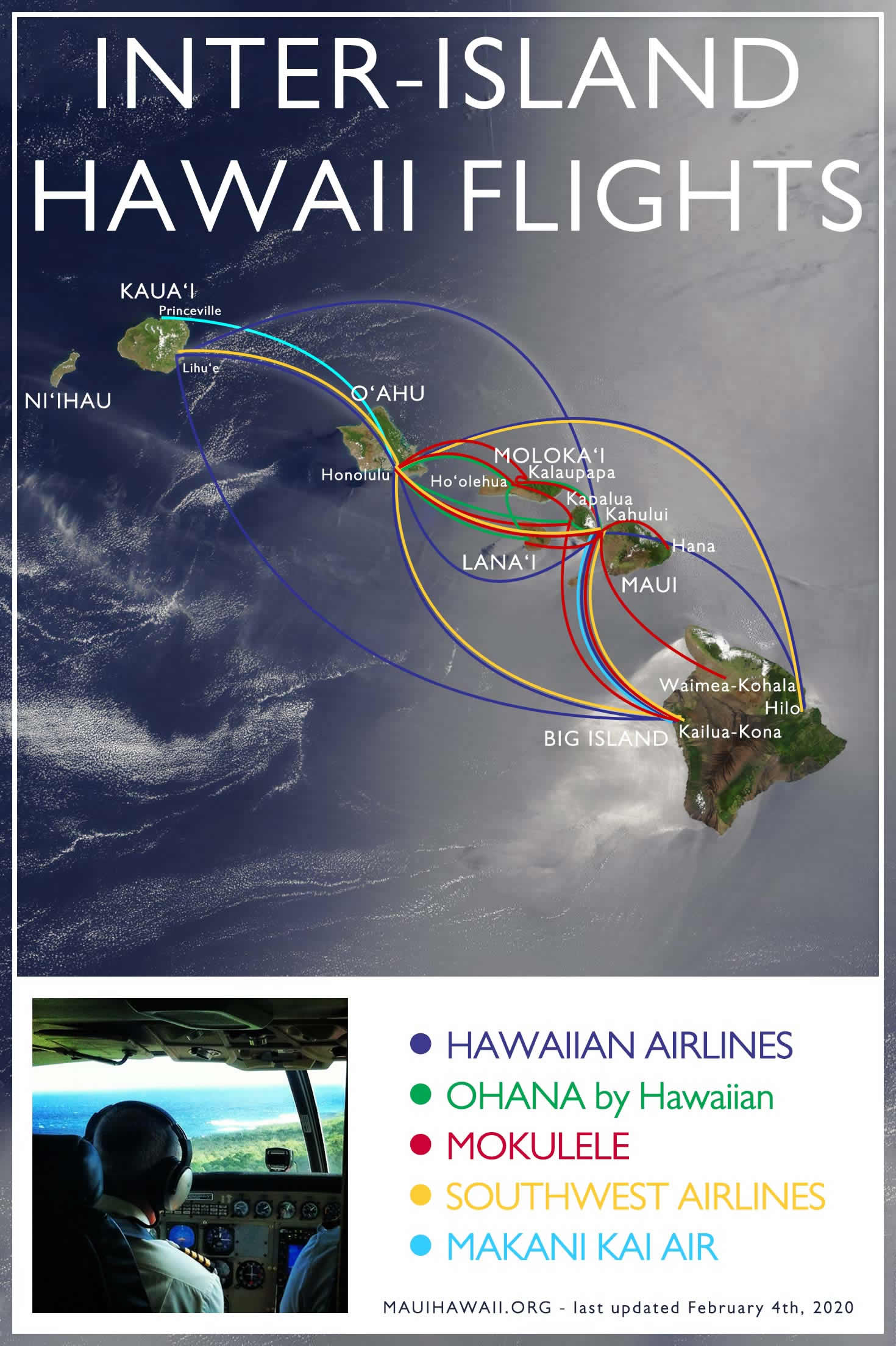
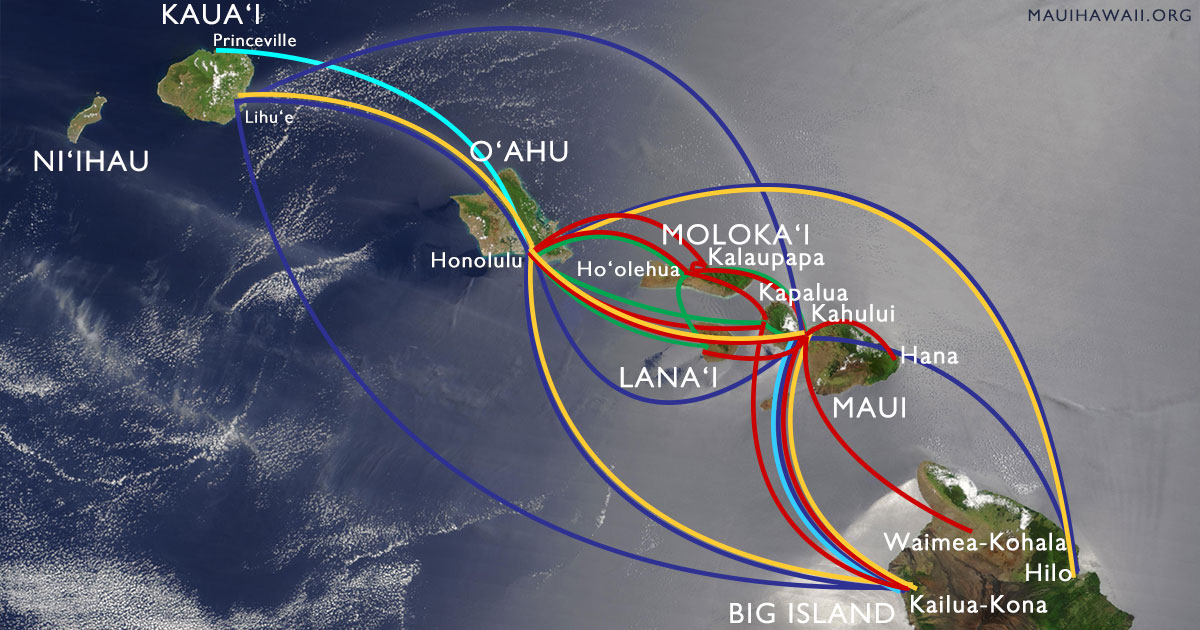
For decades, Hawaiian Airlines has been the dominant force in inter-island travel. They operate a robust schedule of “shuttle” flights, particularly between Honolulu and major hubs like Kahului Airport on Maui or Lihue Airport on Kauai. These flights are known for their reliability and frequent departures, sometimes leaving every half hour during peak times.
In recent years, Southwest Airlines entered the market, significantly increasing competition and lowering prices. This entry has made island-hopping more accessible for budget-conscious travelers. Southwest Airlines operates out of Daniel K. Inouye International Airport and connects to Kona International Airport and Hilo International Airport on the Big Island. One major advantage of this carrier is their generous baggage policy, which can save a family significant money when moving between several destinations.
The Small Aircraft Experience: Mokulele Airlines
For those traveling to smaller airfields or seeking a more intimate flying experience, Mokulele Airlines is the premier choice. They utilize smaller Cessna Grand Caravan aircraft, which fly at lower altitudes than the large jets. This provides an incredible sightseeing opportunity, allowing passengers to see landmarks like Diamond Head or the Molokai sea cliffs up close. Mokulele Airlines is the primary way to reach Molokai and Lanai from other islands, often flying into smaller commuter terminals that avoid the hustle of the main international gates.
Navigating the Waters: Ferries and Ocean Charters
A common misconception among first-time visitors to Hawaii is that there is a comprehensive ferry system connecting all the islands. Historically, there was a “Superferry,” but it is no longer in operation. Today, water-based transit is limited to specific routes, primarily serving the islands in Maui County.
The Maui to Lanai Ferry
The most reliable and popular water route is the Expeditions Lanai Ferry. This ferry departs from Lahaina (though schedules have been adjusted recently due to local conditions) and transports passengers across the Auau Channel to Manele Harbor on Lanai. The trip takes about 45 to 60 minutes. During the winter months, this ferry doubles as an impromptu whale-watching tour, as Humpback Whales frequent these shallow waters. It is an excellent option for those staying in Ka’anapali or Kapalua who want to take a day trip to explore the rugged beauty of Lanai.
Cruise Ships: The All-Inclusive Hopping Method
For travelers who want to see multiple islands without the hassle of repeated airport check-ins, a cruise is the ideal solution. Norwegian Cruise Line operates the Pride of America, which is the only major U.S.-flagged cruise ship that sails year-round itineraries within the islands. The ship typically starts in Honolulu and visits Kahului, Hilo, Kona, and Nawiliwili on Kauai. This method allows you to sleep in the same room every night while waking up in a different destination each morning, effectively solving the logistics of inter-island transport and accommodation simultaneously.
Strategic Itinerary Planning for Multi-Island Trips
Deciding which islands to visit is often the hardest part of planning a trip to Hawaii. Each island has a distinct personality, and trying to see too many in a short period can lead to “travel burnout.” A professional recommendation is to allocate at least four to five days per island to truly appreciate the local attractions and culture.
Choosing Your Base Islands
Most travelers begin their journey on Oahu, home to Waikiki and iconic historical sites like Pearl Harbor. From Oahu, it is easy to catch a flight to Kauai to see the Na Pali Coast and the Waimea Canyon. Alternatively, heading to the Big Island allows for an exploration of Hawaii Volcanoes National Park, where the Kilauea Volcano continues to shape the earth.
If you are looking for a mix of luxury and adventure, Maui is a perfect secondary island. After enjoying the beaches of Wailea, you can take the Road to Hana or visit the summit of Haleakala National Park for a sunrise that Mark Twain once described as the most sublime spectacle he had ever witnessed.
Estimating Travel Time and Logistics
While a flight might only be 30 minutes, you must factor in the time spent returning a rental car, going through security at Daniel K. Inouye International Airport, and picking up a new vehicle at your destination. A “travel day” between islands usually consumes about half a day. To maximize your time, try to book the earliest flights possible. This ensures that you arrive at your next destination—be it Princeville on Kauai or Kailua-Kona on the Big Island—by mid-morning, giving you a full afternoon of exploration.
Essential Preparation for Smooth Island Transitions
To make island-hopping as seamless as possible, travelers should be aware of specific local regulations and logistical quirks. Moving between islands is similar to domestic travel within the United States, but there are extra steps regarding the movement of flora and fauna.
Managing Inter-Island Luggage and Security
When flying between islands, you will still need to go through TSA checkpoints. Furthermore, the Hawaii Department of Agriculture requires an agricultural inspection for all baggage departing from any island. This is to prevent the spread of invasive species and protected pests. Be sure to check that you are not carrying any restricted fruits, plants, or seeds before heading to Lihue Airport or Kahului Airport.
Regarding baggage, if you are flying Hawaiian Airlines, joining their loyalty program can sometimes reduce checked bag fees. If you are flying Southwest Airlines, take advantage of the two free checked bags. Many travelers choose to leave their larger suitcases at a hotel in Honolulu if they are doing a quick two-day side trip to another island, traveling only with a carry-on to save time and money.
Vehicle Rentals and Ground Transportation
Once you land on a new island, having a car is almost always a necessity, except perhaps in the heart of Waikiki. Public transportation is limited on the more rural islands like Kauai or the Big Island. It is highly recommended to book rental cars well in advance, as inventory can be tight, especially during peak seasons like Christmas or summer break.
If you are visiting Oahu, you might enjoy sights like Hanauma Bay or the Polynesian Cultural Center via organized shuttles, but for the North Shore, a car is best. On Kauai, a rental car allows you to drive from the sunny shores of Poipu Beach up to the lush canyons of the interior. By coordinating your flight times with your car rental pickup and drop-off, you can ensure a smooth transition from one paradise to the next, making the most of every moment in the Hawaiian Islands.
LifeOutOfTheBox is a participant in the Amazon Services LLC Associates Program, an affiliate advertising program designed to provide a means for sites to earn advertising fees by advertising and linking to Amazon.com. Amazon, the Amazon logo, AmazonSupply, and the AmazonSupply logo are trademarks of Amazon.com, Inc. or its affiliates. As an Amazon Associate we earn affiliate commissions from qualifying purchases.