
For many travelers, Hawaii represents the pinnacle of tropical paradise. Located in the heart of the Pacific Ocean, this archipelago is a central part of the United States that promises emerald cliffs, volcanic wonders, and some of the world’s most famous beaches. However, when planning a journey to such a diverse and geologically active environment, the question of safety inevitably arises. Is Hawaii dangerous? The short answer is no, but it requires a nuanced understanding of natural forces, urban dynamics, and environmental health. This guide provides an in-depth look at the risks associated with the islands and how to navigate them to ensure a safe, memorable experience.

The Power of Nature: Volcanic Activity and Oceanic Forces
The most unique aspect of Hawaii is its geological youth. The islands were formed—and are still being formed—by volcanic activity. While this creates breathtaking landscapes, it also introduces specific natural hazards that travelers must respect.
Volcanic Hazards and Vog
The Big Island is home to some of the most active volcanoes on Earth. Most notably, Kilauea and Mauna Loa have shaped the identity of the Hawaii Volcanoes National Park. While volcanic eruptions are a major draw for tourism, they come with risks. The primary danger is not usually the lava itself, which often flows slowly and is strictly monitored by scientists, but rather the volcanic smog, known locally as “vog.”
Vog is created when sulfur dioxide and other gases emitted from the volcano react with oxygen and moisture in the presence of sunlight. This can cause respiratory issues for travelers with asthma or other lung conditions. When visiting areas near Hilo or the volcanic park, it is essential to check air quality reports. Furthermore, the terrain in these areas is unstable; venturing off marked paths can lead to falls on sharp volcanic rock or exposure to thin crusts over hollow lava tubes.
Ocean Safety and Rip Currents
If there is one “danger” in Hawaii that is frequently underestimated, it is the ocean. The power of the Pacific Ocean is immense, and conditions can change in minutes. On Oahu, particularly at the North Shore, winter swells can reach heights of 30 feet or more. These are world-class surfing conditions but are deadly for inexperienced swimmers.
Rip currents are a significant concern across all islands, from the calm-looking waters of Waikiki to the rugged shores of Kauai. The golden rule in Hawaii is: “When in doubt, don’t go out.” Popular spots like Hanauma Bay offer more protected environments, but even there, swimmers must remain vigilant. Rogue waves, often called “sneaker waves,” can also sweep unsuspecting beachgoers off rocky ledges, particularly on the dramatic coastlines of Maui.
Navigating the Trails: Hiking and Terrain Safety
Hawaii offers some of the most spectacular hiking trails in the world, but the islands’ verticality and tropical climate introduce unique challenges.
Flash Floods and Slippery Slopes
Many of the most beautiful attractions, such as the Na Pali Coast on Kauai, are accessed via challenging trails. The Kalalau Trail is world-renowned for its beauty but is also considered one of the most dangerous hikes due to narrow ledges and unpredictable weather. In Hawaii, heavy rain in the mountains can lead to sudden flash floods in valleys and streams miles away. If you are hiking near a stream and notice the water turning muddy or the flow increasing, it is vital to reach higher ground immediately.
Volatile Mountain Weather
Altitude is another factor often overlooked. Those traveling to the summit of Mauna Kea on the Big Island or Haleakala on Maui will experience a significant drop in temperature and oxygen levels. Altitude sickness is a possibility, and the drive up these mountains requires focus due to steep grades and switchbacks. Even on lower-altitude hikes like Diamond Head in Honolulu, the midday heat and lack of shade can lead to severe dehydration and heat exhaustion if travelers are not properly prepared.
The Rugged Interior
Inland regions like Waimea Canyon offer breathtaking vistas, but the red dirt can become incredibly slick when wet. Many trails are not as well-maintained as those in the mainland United States national parks. Travelers should always inform someone of their route and expected return time, especially when exploring more remote islands like Molokai or Lanai.
Safety in the City: Crime and Personal Security

While Hawaii is generally safer than many large metropolitan areas on the mainland, it is not immune to urban issues. Understanding the local landscape is key to avoiding becoming a victim of opportunity.
Property Crime and Rental Cars
The most common crime involving tourists is property theft, specifically from rental cars. Thieves often target popular trailheads, beach parking lots, and scenic overlooks. In areas like Kona or the remote parts of Maui, it is common to see signs warning drivers not to leave valuables in their vehicles. The best practice is to leave nothing in the car—not even in the trunk—as professional thieves can spot a rental car easily and break in within seconds.
Urban Awareness in Honolulu
Honolulu is a major city with the same challenges found in any large urban center. Areas surrounding major landmarks, such as Pearl Harbor and the USS Arizona Memorial, are generally very safe and well-patrolled. However, travelers should exercise caution when walking in less-touristed neighborhoods late at night. Stick to well-lit areas in Waikiki and avoid isolated spots in the city’s parks after dark.
Respecting Local Communities
There is a deep cultural history in Hawaii, and respecting the local “Aloha Spirit” is part of staying safe. Some areas are more residential and private; being a respectful visitor means adhering to “No Trespassing” signs and avoiding places that are not intended for public tourism. In towns like Lahaina, which has faced significant recent challenges, being a sensitive and conscious traveler is more important than ever.
Environmental Health: From the Sun to the Streams
Safety in Hawaii also involves protecting your physical health from environmental factors that may be unfamiliar to visitors.
Sun Exposure and Dehydration
Because Hawaii is located close to the equator, the sun’s rays are significantly stronger than in many other parts of the world. A “mild” day can quickly result in a severe sunburn. It is crucial to use reef-safe sunscreen to protect both your skin and the delicate coral reefs. Dehydration is another common issue, especially for those spending long days at the Polynesian Cultural Center or exploring the historic halls of Iolani Palace.
Wildlife and Marine Life
Hawaii does not have snakes, which is a relief to many hikers, but it does have other wildlife to consider. Centipedes and scorpions exist in the drier leeward areas, and their stings can be painful. In the water, box jellyfish often appear on the south-facing shores of Oahu about eight to ten days after a full moon. Signs are usually posted at beaches like Poipu or Princeville when they are present.
Another specific health concern is Leptospirosis, a bacterial disease found in freshwater ponds and waterfalls. While the idea of swimming in a tropical waterfall is idyllic, it is advised to avoid entering freshwater streams if you have open cuts or if there have been heavy rains recently, as runoff can increase the presence of the bacteria.
Navigating the Roadways
Driving in Hawaii can be a highlight of the trip, especially on routes like the Road to Hana. However, these roads are often narrow, winding, and prone to landslides. Local drivers are accustomed to the terrain and move quickly; tourists should pull over to allow locals to pass and keep their eyes on the road rather than the scenery. Parking in unauthorized areas can lead to heavy fines or towing, particularly in congested areas near popular beaches.
Essential Safety Tips for a Worry-Free Hawaiian Vacation
In summary, Hawaii is a remarkably safe destination for families, solo travelers, and adventurers alike. The perceived “dangers” are almost entirely manageable with a little bit of preparation and a high degree of respect for the natural environment.
To ensure your trip is as safe as possible:
- Monitor the Weather: Use local apps to track surf heights, flash flood warnings, and volcanic air quality.
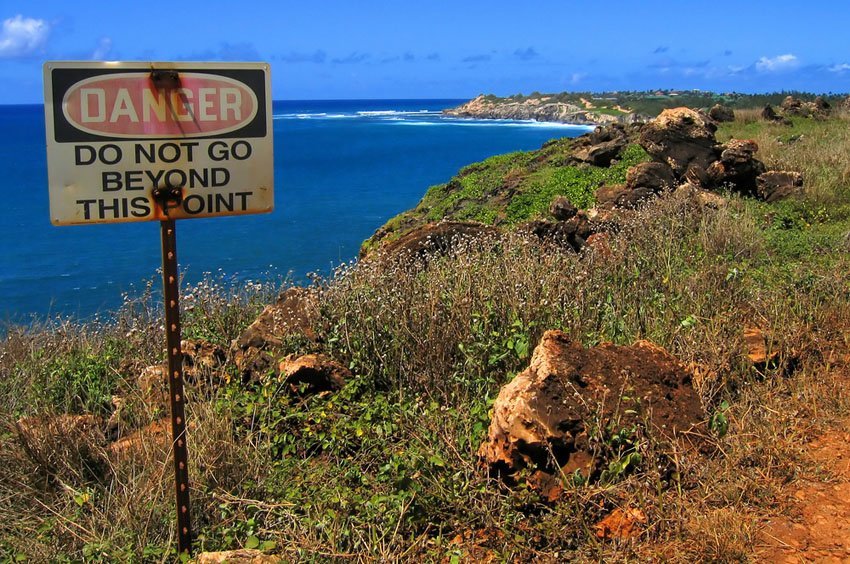
- Respect Warning Signs: Whether it’s a “Hazardous Surf” sign at the beach or a “Private Property” sign on a trail, these are there for your safety and the preservation of the land.
- Protect Your Belongings: Never leave anything of value in your car, especially at trailheads.
- Swim at Lifeguarded Beaches: Hawaii has some of the best-trained ocean safety officers in the world. Choose beaches where they are present.
- Practice Aloha: Respect the local culture, the people, and the wildlife. Give sea turtles and monk seals plenty of space, as interfering with them is both dangerous and illegal.
By staying informed and aware, you can focus on the incredible experiences Hawaii has to offer, from the historic sites of Honolulu to the majestic peaks of Kauai, without fear for your safety.
LifeOutOfTheBox is a participant in the Amazon Services LLC Associates Program, an affiliate advertising program designed to provide a means for sites to earn advertising fees by advertising and linking to Amazon.com. Amazon, the Amazon logo, AmazonSupply, and the AmazonSupply logo are trademarks of Amazon.com, Inc. or its affiliates. As an Amazon Associate we earn affiliate commissions from qualifying purchases.