
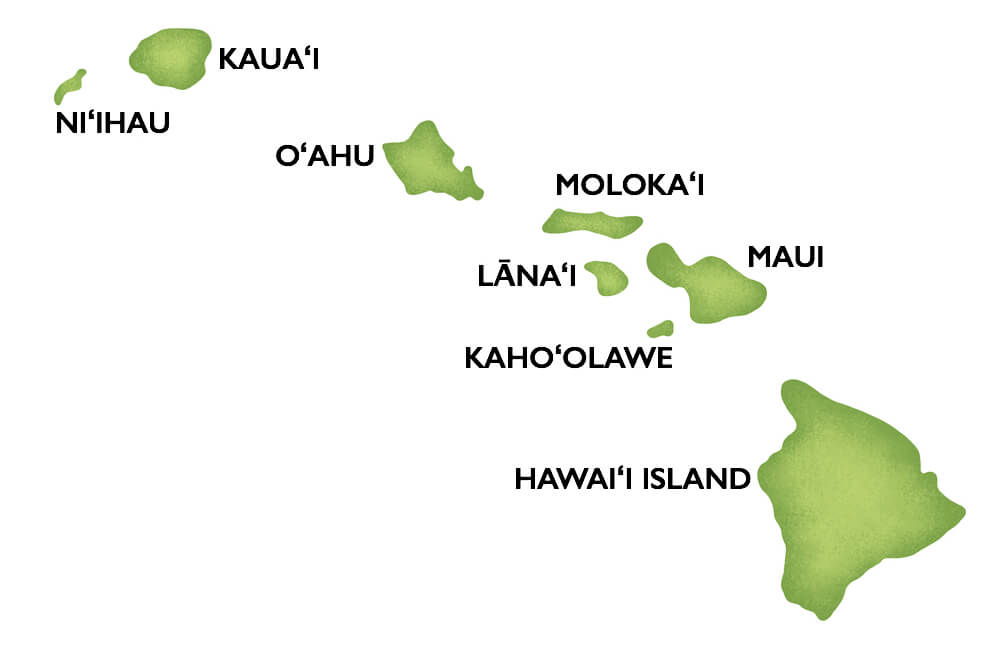
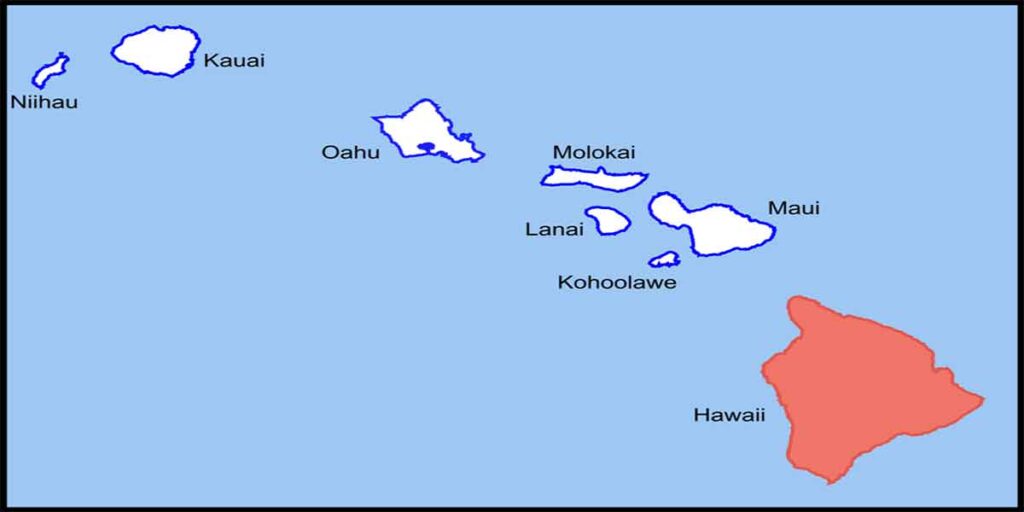
The archipelago of Hawaii, situated in the heart of the Pacific Ocean, is a dream destination for travelers from the United States and across the globe. Comprising hundreds of islands spread over 1,500 miles, the state is defined by its eight “main” islands, six of which are open to tourism and offer a distinct personality, climate, and landscape. Whether you are seeking the metropolitan pulse of a tropical city, the quiet solitude of a remote beach, or the raw power of an active volcano, understanding the differences between these islands is the first step in planning an unforgettable Hawaiian escape.
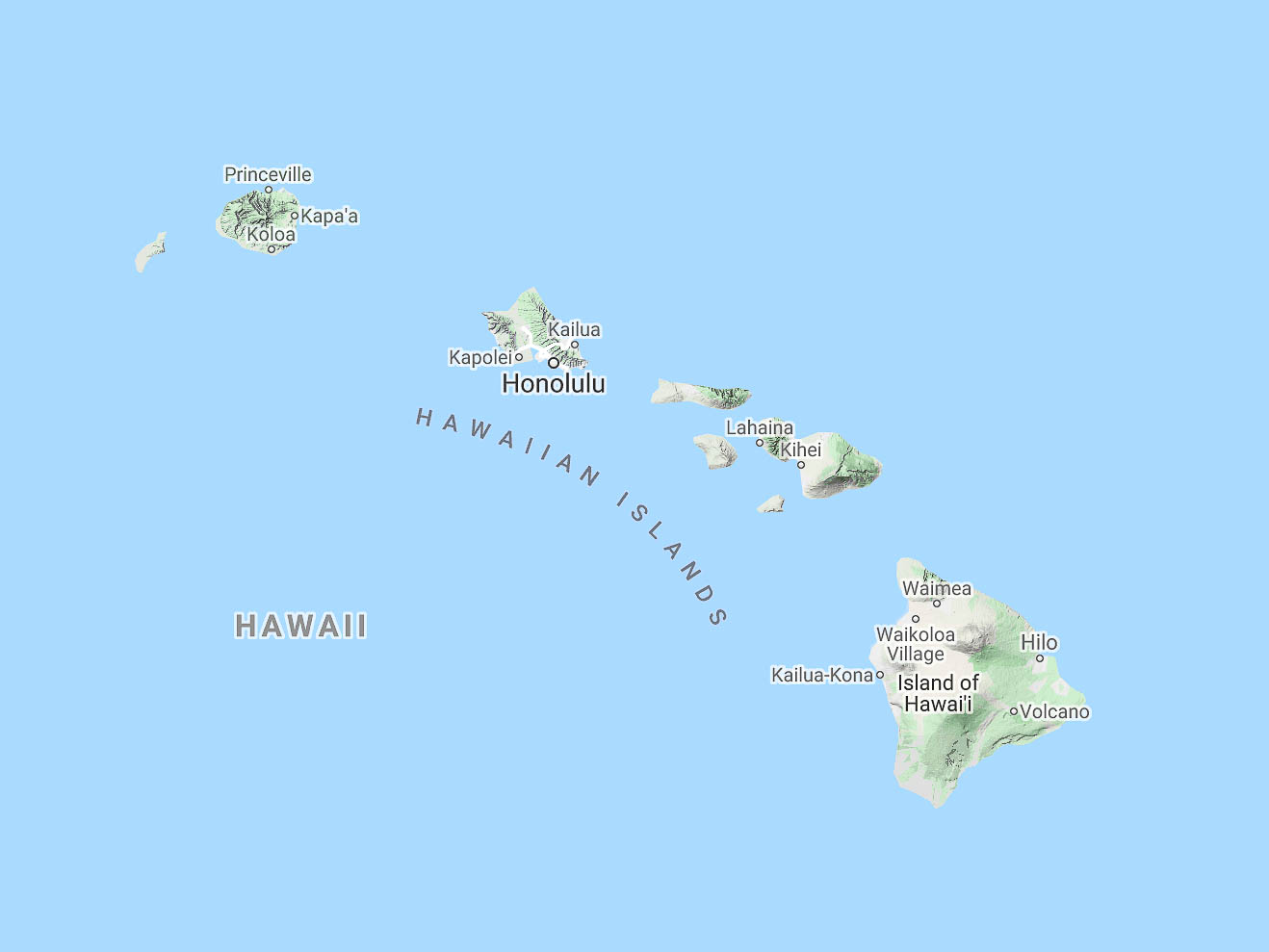
Oahu: The Gathering Place
Oahu is the most populated and frequently visited island, earning its nickname as the vibrant center of the state. It perfectly balances modern conveniences and luxury with the natural beauty that defines the region. For many travelers, Oahu is the gateway to the islands, home to the capital city of Honolulu and the world-famous Waikiki Beach.
The Urban Energy of Honolulu and Waikiki
The skyline of Honolulu provides a striking contrast to the turquoise waters of the coast. Visitors can spend their mornings browsing high-end boutiques and their afternoons learning to surf in the gentle breaks of Waikiki. Beyond the shopping and dining, the city is steeped in history. A visit to Pearl Harbor and the USS Arizona Memorial offers a somber and educational look at the events of World War II. Nearby, the Iolani Palace stands as the only royal palace on American soil, providing insight into the Hawaiian Kingdom.
Natural Wonders and the North Shore
Away from the city lights, Oahu offers breathtaking nature. The hike up Diamond Head rewards travelers with a panoramic view of the coastline and the volcanic crater. For those interested in marine life, the Hanauma Bay Nature Preserve is an essential stop for snorkeling in a protected volcanic cove.
As you drive toward the North Shore, the pace slows down significantly. This area is legendary in the surfing world, particularly during the winter months when massive swells hit spots like Waimea Bay and the Banzai Pipeline. In the summer, these waters become calm and crystal clear, ideal for swimming and exploring the charming town of Haleiwa.
Maui: The Valley Isle
Maui is often cited as a favorite for honeymooners and families alike because it offers a “best of both worlds” experience. It is less crowded than Oahu but more developed than Kauai, providing sophisticated dining and world-class resorts alongside rugged, untamed landscapes.
The Majesty of Haleakala and the Upcountry
Dominating the eastern half of the island is Haleakala National Park, home to a massive dormant volcano. Travelers often wake up in the early hours of the morning to drive to the summit for a sunrise that is frequently described as a spiritual experience. The “upcountry” slopes of the volcano are also home to lavender farms, botanical gardens, and the unique Maui Wine estate, offering a cooler, pastoral side of Hawaii.
Coastal Escapes and the Road to Hana
The western side of Maui is famous for its sun-drenched beaches. Kaanapali Beach and Kapalua are home to luxury resorts and some of the best snorkeling conditions in the archipelago. For a more adventurous day trip, the Road to Hana is a legendary drive featuring 620 curves and 59 bridges. This journey takes travelers through lush rainforests, past hidden waterfalls, and eventually to the black sand beaches of Waianapanapa State Park. Off the coast, the crescent-shaped Molokini Crater serves as a premier destination for divers and snorkelers looking to see vibrant coral reefs and tropical fish.
Kauai: The Garden Isle
Kauai is the oldest of the main islands, and its age is reflected in its dramatic, weathered landscapes. Known as the “Garden Isle,” it is the greenest and most lush of the chain, making it the top choice for hikers, photographers, and nature enthusiasts.
The Grandeur of Waimea Canyon
Often referred to as the “Grand Canyon of the Pacific,” Waimea Canyon State Park is one of the most stunning landmarks in the islands. The canyon stretches ten miles long and drops 3,000 feet deep, showcasing a palette of red earth and vibrant green vegetation. Several lookout points and hiking trails allow travelers to explore the rim and interior of this geological marvel.
The Na Pali Coast and Hanalei Bay
The crown jewel of Kauai is undoubtedly the Na Pali Coast. This 17-mile stretch of coastline is characterized by emerald-green cliffs that rise 4,000 feet straight out of the ocean. Because there are no roads leading into this area, it can only be accessed by boat, helicopter, or a grueling hike along the Kalalau Trail.
On the northern shore lies Hanalei Bay, a picturesque town backed by mist-covered mountains and waterfalls. In the south, the sunny region of Poipu offers calmer waters and reliable sunshine, with Poipu Beach being a popular spot for sightings of the endangered Hawaiian Monk Seal.
Hawaii Island: The Big Island
Larger than all the other islands combined, Hawaii Island—commonly called the Big Island—is a land of extremes. Within its borders, you can find 4 out of the 5 major climate zones, ranging from tropical rainforests to arid deserts and even subarctic tundra near the mountain peaks.
Volcanic Activity and Hawaii Volcanoes National Park
The primary draw for many visitors to the Big Island is Hawaii Volcanoes National Park. Here, travelers can witness the power of creation and destruction firsthand. The park is home to Kilauea, one of the world’s most active volcanoes, and Mauna Loa, the world’s largest subaerial volcano. Walking through the Thurston Lava Tube or viewing the steam vents provides a visceral connection to the earth’s geological processes.
Kona, Hilo, and Mauna Kea
The island is divided into two main sides: the sunny Kona side to the west and the lush, rainy Hilo side to the east. Kona is famous for its coffee plantations and the historical sites of Kealakekua Bay. Hilo serves as a gateway to majestic waterfalls like Akaka Falls.
For a truly unique experience, many travelers head to the summit of Mauna Kea. At over 13,000 feet above sea level, it is one of the best locations in the world for stargazing. Several international observatories are located here, and the sunset from the visitor center is a highlight for anyone visiting the Big Island.
Molokai and Lanai: The Secluded Gems
For those who want to truly unplug and escape the modern world, Molokai and Lanai offer a glimpse into a slower, more traditional way of life. These islands have fewer hotels and no traffic lights, making them ideal for the seasoned traveler seeking authenticity.
Molokai: The Friendly Isle
Molokai remains deeply committed to preserving Hawaiian culture. It is home to the highest sea cliffs in the world and the Kalaupapa National Historical Park, a site with a poignant history as a former colony for those with Hansen’s Disease. The main town of Kaunakakai feels like a step back in time, where the “aloha spirit” is felt in every interaction.
Lanai: The Pineapple Island
Once the site of a massive pineapple plantation, Lanai is now a private island getaway known for luxury and tranquility. While it features high-end resorts, much of the island remains undeveloped. Travelers can rent a four-wheel-drive vehicle to explore the Garden of the Gods, a stunning rock garden with a lunar-like landscape, or relax at the pristine Hulopoe Bay, a protected marine preserve that is home to spinner dolphins.
Each island in the Hawaiian chain offers a different narrative. From the bustling streets of Honolulu to the silent craters of Maui and the dramatic spires of Kauai, the main islands provide an endless variety of experiences for every type of explorer. Whether you visit just one or hop between several, the diversity of the United States’ 50th state ensures that there is always something new to discover.
LifeOutOfTheBox is a participant in the Amazon Services LLC Associates Program, an affiliate advertising program designed to provide a means for sites to earn advertising fees by advertising and linking to Amazon.com. Amazon, the Amazon logo, AmazonSupply, and the AmazonSupply logo are trademarks of Amazon.com, Inc. or its affiliates. As an Amazon Associate we earn affiliate commissions from qualifying purchases.