
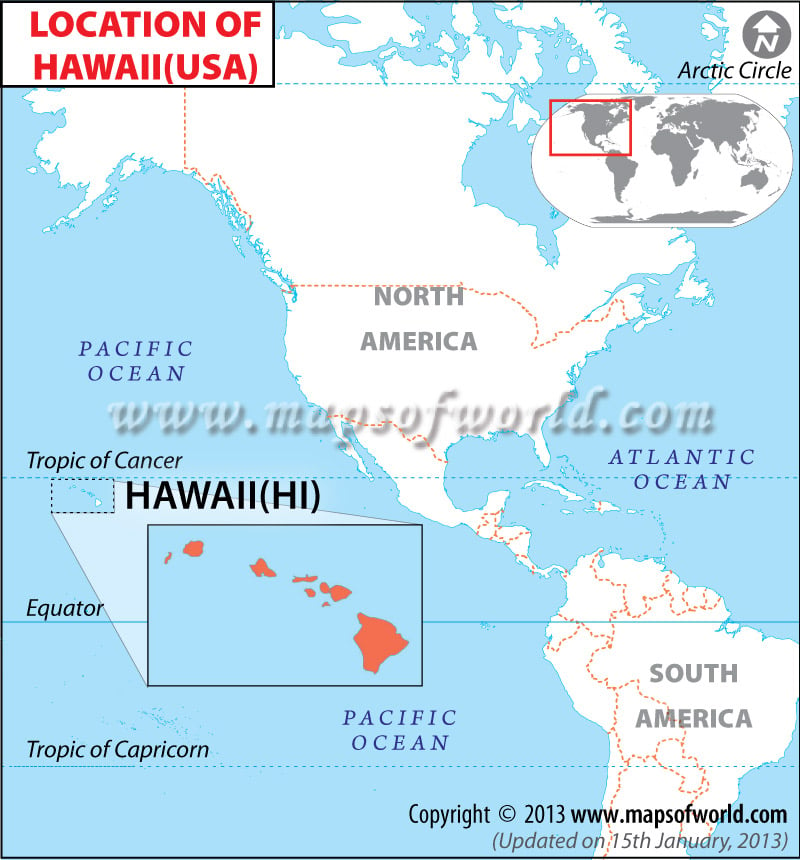
The Hawaiian Islands represent one of the most remote inhabited places on Earth. Located in the heart of the Pacific Ocean, this volcanic archipelago is often perceived as a solitary paradise, far removed from the bustling metropolises of the modern world. However, for travelers planning a journey to the Aloha State, understanding its geographic position relative to other nations is essential for navigating international flight paths, cultural exchanges, and regional history. While Hawaii is a proud constituent of the United States, its closest neighbors are a mix of sovereign island nations and the coastal giants of the Pacific Rim.
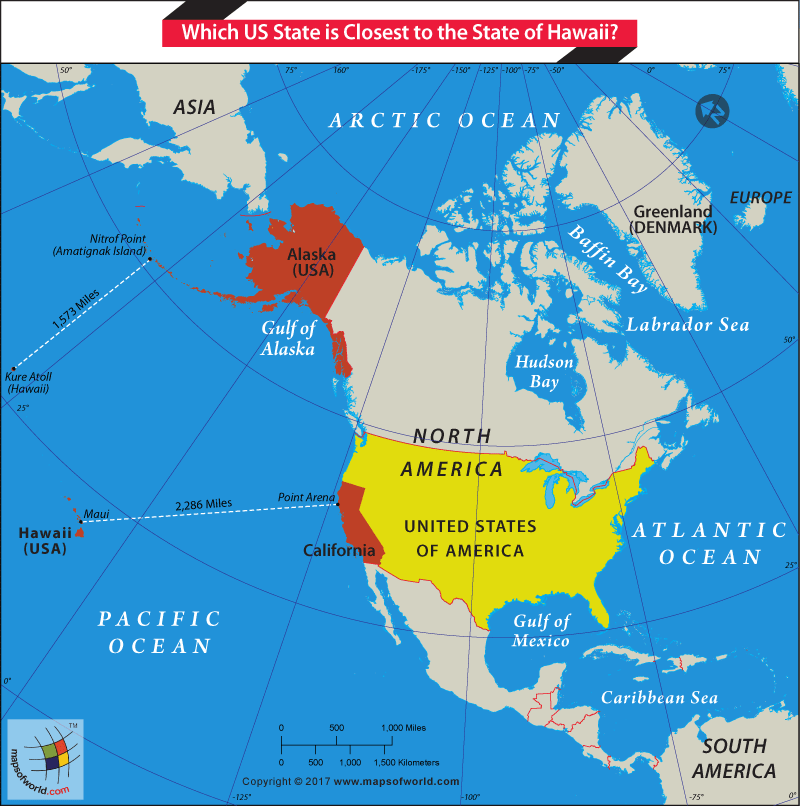
Understanding Hawaii’s Geographic Isolation
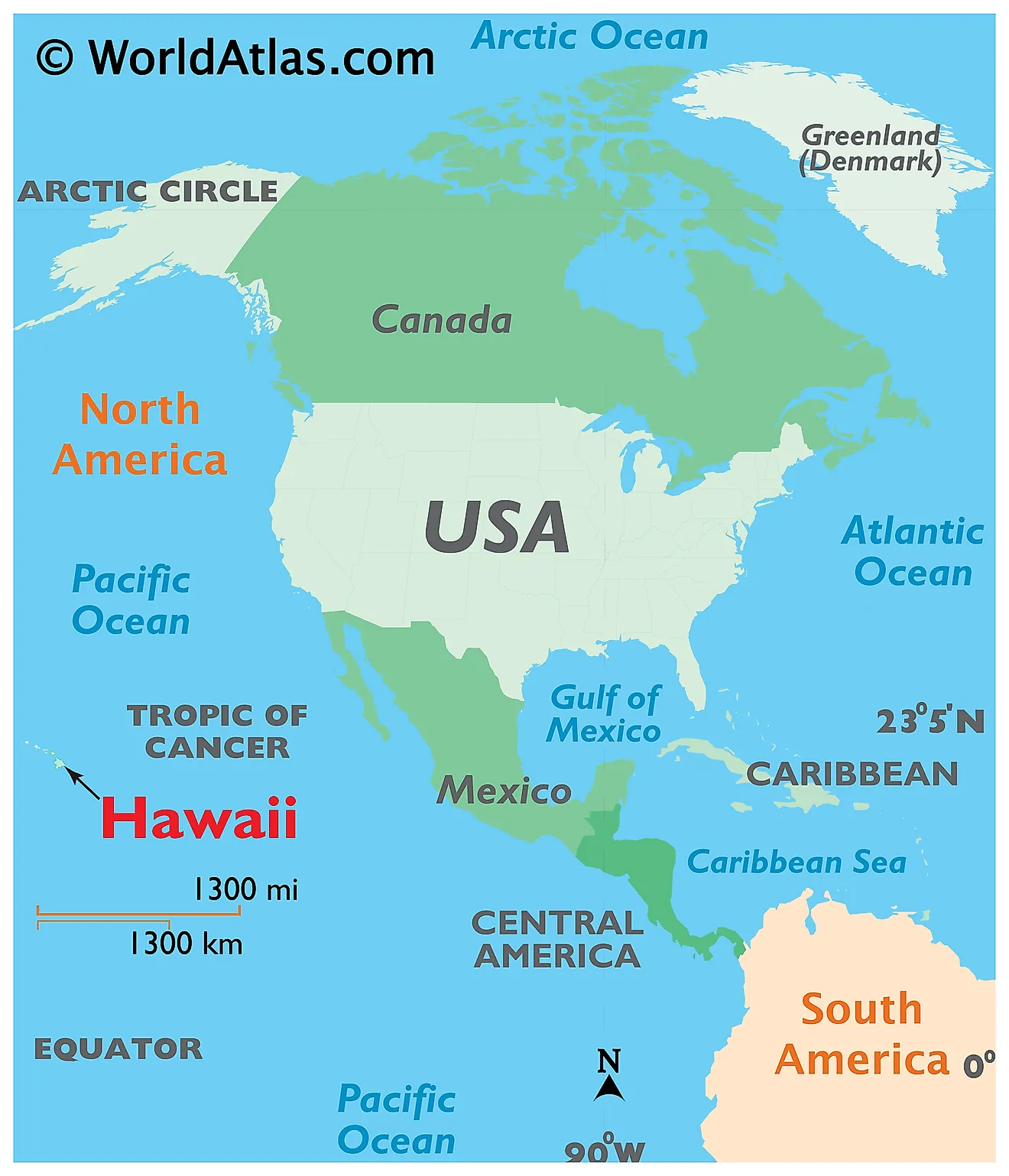
To appreciate the distances involved, one must first look at the vastness of the North Pacific Ocean. Hawaii sits approximately 2,400 miles from California and over 4,000 miles from Japan. This isolation has defined the state’s history, from the arrival of the first Polynesian voyagers to its current status as a global travel hub.
The Closest Sovereign Neighbor: Kiribati
When looking at a map, many travelers are surprised to find that the closest foreign country to Hawaii is not a major continental power, but the Republic of Kiribati. Specifically, the Line Islands of Kiribati lie directly south of the Hawaiian chain. Christmas Island, also known as Kiritimati, is the closest inhabited landmass belonging to a foreign nation.
The distance from Honolulu to Kiritimati is roughly 1,300 miles. This is significantly closer than the United States mainland. For adventurous travelers, Kiribati offers a glimpse into a world of pristine coral atolls and traditional Micronesian culture, though it remains one of the least-visited countries in the world due to limited flight connectivity.
Proximity to North American Neighbors
Beyond the island nations of Oceania, Hawaii shares its closest maritime borders and flight corridors with Canada and Mexico.
Canada is a major source of tourism for the islands, particularly during the winter months. The city of Victoria and the metropolitan hub of Vancouver are the closest Canadian points to Hawaii, situated approximately 2,700 miles away. Direct flights from Vancouver International Airport make the Pacific Northwest a frequent gateway for international travelers heading to Maui or Oahu.
To the east, Mexico stands as another close continental neighbor. The Baja California peninsula is the nearest part of Mexico to the Hawaiian Islands. While there are fewer direct flights compared to US routes, the historical and ecological ties between the two regions are significant, particularly regarding migratory patterns of marine life in the Pacific.
Travel Connections and Gateway Cities
Because of its central location, Hawaii serves as the “Crossroads of the Pacific.” This makes it an ideal stopover for travelers moving between Asia, North America, and Oceania.
The Asian Connection: Japan and Beyond
For many, Japan feels like the closest cultural and economic neighbor to Hawaii. The flight time from Tokyo to Honolulu is roughly seven to eight hours, covering a distance of about 3,800 miles. Narita International Airport and Haneda Airport serve as vital conduits for millions of visitors each year. The influence of Japan is visible everywhere in Hawaii, from the prevalence of Japanese cuisine to the many shrines and temples, such as the Byodo-In Temple in the Valley of the Temples.
South Korea and China are also significant neighbors in terms of travel accessibility. Seoul is a major hub, with Incheon International Airport offering frequent service to the islands. Travelers from Shanghai and Hong Kong also find Hawaii to be a premier destination for luxury shopping and tropical relaxation.
The South Pacific Route: Australia and New Zealand
Heading south, Australia and New Zealand are the primary points of contact. Sydney is approximately 5,000 miles from Honolulu, while Auckland is slightly closer at about 4,400 miles. These nations share deep ancestral roots with the Native Hawaiian people through the Polynesian migration. Today, Hawaiian Airlines, Qantas, and Air New Zealand maintain these vital links, making it possible for travelers to explore the diversity of the Polynesian Triangle.
Exploring the Polynesian Triangle
The concept of the Polynesian Triangle is vital for any traveler interested in the regional context of Hawaii. This massive area of the Pacific Ocean is anchored by Hawaii in the north, Easter Island (Rapa Nui) in the southeast, and New Zealand (Aotearoa) in the southwest.
French Polynesia and American Samoa
Within this triangle, French Polynesia is a key neighbor. The island of Tahiti and its capital, Papeete, are located about 2,700 miles south of Hawaii. For those looking to experience a different side of Pacific life, the connection between Honolulu and Papeete is a classic trans-oceanic route.
American Samoa, a US territory, and the independent nation of Samoa are also relatively close. The distance to Pago Pago is approximately 2,600 miles. Travelers visiting Hawaii often find that these islands offer a more rugged, less commercialized experience of Polynesian culture compared to the high-density tourism of Waikiki.
The Marshall Islands and Micronesia
To the west of Hawaii lie the Marshall Islands and the Federated States of Micronesia. The Island Hopper flight operated by United Airlines is one of the most famous routes in aviation, connecting Honolulu to Majuro, Kwajalein, Pohnpei, Chuuk, and finally Guam. This route highlights the strategic and logistical importance of Hawaii as a jumping-off point for exploring the remote reaches of the Western Pacific.
Navigating Hawaii as a Travel Hub
Understanding which country is closest to Hawaii helps travelers plan multi-destination itineraries that maximize their time in the Pacific. Most international travelers arrive via Daniel K. Inouye International Airport in Honolulu. From here, the world opens up.
Logistics for International Travelers
For those coming from the United Kingdom or Europe, Hawaii is nearly on the opposite side of the globe. These travelers usually connect through Los Angeles, San Francisco, or Seattle. However, some choose to fly via Asia, stopping in Singapore or Bangkok before the final leg to Hawaii.
When planning these trips, it is important to consider the International Date Line, which runs between Hawaii and Asia/Australia. Crossing this line can result in “losing” or “gaining” a day, a phenomenon that has fascinated travelers for centuries.
The Role of Cruise Ships
While air travel is the primary mode of transport, the cruise industry also emphasizes Hawaii’s proximity to other nations. Many trans-Pacific cruises depart from Sydney or Auckland, stopping in Fiji, Vanuatu, and French Polynesia before arriving at the Port of Honolulu. Similarly, “repositioning cruises” often travel from Vancouver to Hawaii as ships move between Alaska and the South Pacific for the changing seasons.
Final Considerations for the Pacific Traveler
While Kiribati holds the title for the closest sovereign nation, the “closest” country in terms of ease of travel and cultural impact is undoubtedly the United States mainland, followed closely by Japan and Canada. Hawaii’s unique position allows it to be a bridge between the East and the West, a place where American, Asian, and Polynesian influences converge.
For the modern explorer, the question of proximity is less about miles and more about connections. Whether you are surfing the North Shore of Oahu, exploring the volcanic landscapes of the Hawaii Volcanoes National Park on the Big Island, or hiking the Kalalau Trail on Kauai, you are standing in a place that is at once isolated and deeply connected to the global community.
By understanding the geographic context of the Hawaiian Islands, travelers can better appreciate the incredible feat of the ancient navigators who first found these shores and the modern logistics that keep the islands thriving today. Hawaii remains a destination that feels like another world, yet it sits at the very heart of the Pacific story.
LifeOutOfTheBox is a participant in the Amazon Services LLC Associates Program, an affiliate advertising program designed to provide a means for sites to earn advertising fees by advertising and linking to Amazon.com. Amazon, the Amazon logo, AmazonSupply, and the AmazonSupply logo are trademarks of Amazon.com, Inc. or its affiliates. As an Amazon Associate we earn affiliate commissions from qualifying purchases.