
When people ask “What do Hawaii?”, they are rarely searching for a simple list of coordinates in the Pacific Ocean. Instead, they are inquiring about the essence of a destination that functions as a bridge between ancient Polynesia and the modern United States. To truly experience the islands is to engage with a complex tapestry of indigenous heritage, volcanic power, and a unique social philosophy known as the Aloha Spirit. Tourism in these islands is not merely about sightseeing; it is about participation in a living culture that prioritizes the relationship between the people and the land.

The Cultural Heartbeat: Understanding the Aloha Spirit
At the core of any visit to the islands is the concept of “Aloha.” While often used as a greeting or farewell, its deeper meaning involves a reciprocal relationship of love, respect, and responsibility. For the visitor, this translates into a tourism style that emphasizes mindfulness and appreciation for the local way of life.
The Significance of Hula and Native Traditions
One cannot understand the islands without recognizing the importance of Hula. Far from the commercialized performances often seen in films, traditional Hula is a sacred storytelling medium. In Honolulu, the Bishop Museum offers an extensive look into how these dances preserved the history of the Hawaiian people before a written language existed. If you are lucky enough to visit during the Merrie Monarch Festival in Hilo, you will witness the world’s most prestigious hula competition, which serves as a powerful reminder of the resilience of native culture.
Historic Sites and Royal Legacies
A major part of the tourism experience involves visiting landmarks that tell the story of the Hawaiian Kingdom. Oahu is home to the Iolani Palace, the only royal palace on American soil. Walking through its halls provides a poignant look at the lives of King Kalakaua and Queen Liliuokalani. Just a short drive away, Pearl Harbor offers a somber reflection on 20th-century history. These sites represent the two pillars of the island’s past: its independent sovereign history and its later role in global military events. For those interested in deeper cultural roots, the Polynesian Cultural Center provides an immersive environment where visitors can learn about the interconnectedness of various island nations across the Pacific Ocean.
Celebrations and Community Life
Local festivals are the best way to see the “real” Hawaii. Events such as Prince Kuhio Day celebrate the legacy of the “People’s Prince” and involve parades and community gatherings that highlight civic pride. Engaging with these local celebrations allows tourists to move beyond the resort gates and understand the societal values that bind the residents of the islands together.
Island-Hopping Adventures: From Volcanic Peaks to Emerald Cliffs
Each island in the archipelago offers a distinct personality and a different set of activities. The diversity of the landscape is a primary draw for tourists, who can travel from snow-capped peaks to tropical rainforests in a single day.
The Dynamic Landscapes of the Big Island
The Big Island is a land of extremes. Here, the Hawaii Volcanoes National Park showcases the raw power of creation as Kilauea and Mauna Loa continue to shape the land. Visitors can hike through ancient lava tubes or stand on cliffs overlooking the steam where molten rock meets the sea. For a different perspective, many journey to the summit of Mauna Kea, a dormant volcano that hosts some of the world’s most advanced astronomical observatories. The contrast between the volcanic deserts of Kona and the lush tropical gardens of Hilo makes this island a microcosm of the entire chain’s geological history.
The Garden Isle and the Valley Isle
Kauai, known as the Garden Isle, is a paradise for hikers and nature lovers. The Na Pali Coast is perhaps the most iconic sight in the state, with its jagged emerald spires rising thousands of feet above the ocean. Accessing this area via the Kalalau Trail or by sea provides a glimpse into the untouched beauty of the islands. Meanwhile, the Waimea Canyon State Park offers a dramatic landscape often referred to as the “Grand Canyon of the Pacific.”
Maui, the Valley Isle, strikes a balance between adventure and luxury. The Road to Hana is a legendary drive featuring 620 curves and 59 bridges, leading travelers through waterfalls and rainforests. Watching the sunrise from the 10,000-foot summit of Haleakala National Park is often cited as a spiritual experience for many travelers. For those looking for coastal relaxation, Kaanapali Beach offers golden sands and world-class amenities.
The Hub of Oahu
Oahu serves as the “Gathering Place.” It is the most populous island and the center of commerce and tourism. Most visitors start in Waikiki, a world-famous stretch of beach known for its surfing and vibrant nightlife. However, the island also offers quiet escapes like the Byodo-In Temple in the Valley of the Temples, a stunning replica of a 950-year-old Buddhist temple in Japan. Hiking up Diamond Head provides a panoramic view of the coastline, while a trip to the North Shore in the winter allows tourists to witness the sheer power of the world’s biggest waves.
The Gastronomic Tapestry: A Journey of Flavor and Tradition
Food is an essential part of the tourism experience in the islands. The local cuisine is a “melting pot” in the truest sense, reflecting the waves of immigration from China, Japan, the Philippines, and Portugal that occurred during the plantation era.
The Traditional Luau
Attending a Luau is a rite of passage for many visitors. While it is a festive occasion featuring entertainment, the focus is the food. The centerpiece is often the Kalua Pig, cooked in an “imu” (underground oven). Accompanied by Poi (pounded taro root), Lomi Salmon, and Haupia (coconut pudding), the meal is a lesson in traditional resourcefulness. Understanding the labor that goes into harvesting and preparing Taro—a plant considered a sacred ancestor in Hawaiian mythology—adds a layer of depth to the dining experience.
Modern Fusion and Local Favorites
Beyond the Luau, the islands offer a sophisticated culinary scene. Hawaiian Regional Cuisine (HRC) was pioneered by a group of chefs who emphasized using locally sourced ingredients, from grass-fed beef on the Big Island to fresh seafood caught in the Pacific Ocean. For a more casual experience, no trip is complete without trying “Plate Lunch,” which typically consists of two scoops of rice, macaroni salad, and a protein like Teriyaki Beef or Mahi Mahi.
Snacking is also a cultural pastime. Shave ice, topped with tropical syrups and a “snow cap” of condensed milk, is the quintessential cool-down treat. Similarly, Malasadas—Portuguese doughnuts brought to the islands by immigrant workers—have become a staple of local life. These foods tell the story of the many cultures that have contributed to the unique identity of the United States’ 50th state.
Sacred Waters and Ancient Land: Outdoor Stewardship
The activities that draw people to the islands are inextricably linked to the environment. Whether it is surfing, snorkeling, or hiking, the concept of “Malama Aina” (to care for the land) is a guiding principle for responsible tourism.
Surfing: The Sport of Kings
Surfing was born in Polynesia and perfected in Hawaii. It was once a sport reserved for royalty. Today, visitors can take lessons in the gentle waves of Waikiki or watch professionals tackle the massive swells at the North Shore. Participating in surfing is not just a physical activity; it is a way to connect with the rhythm of the ocean, which is central to the island’s identity.
Marine Life and Protected Bays
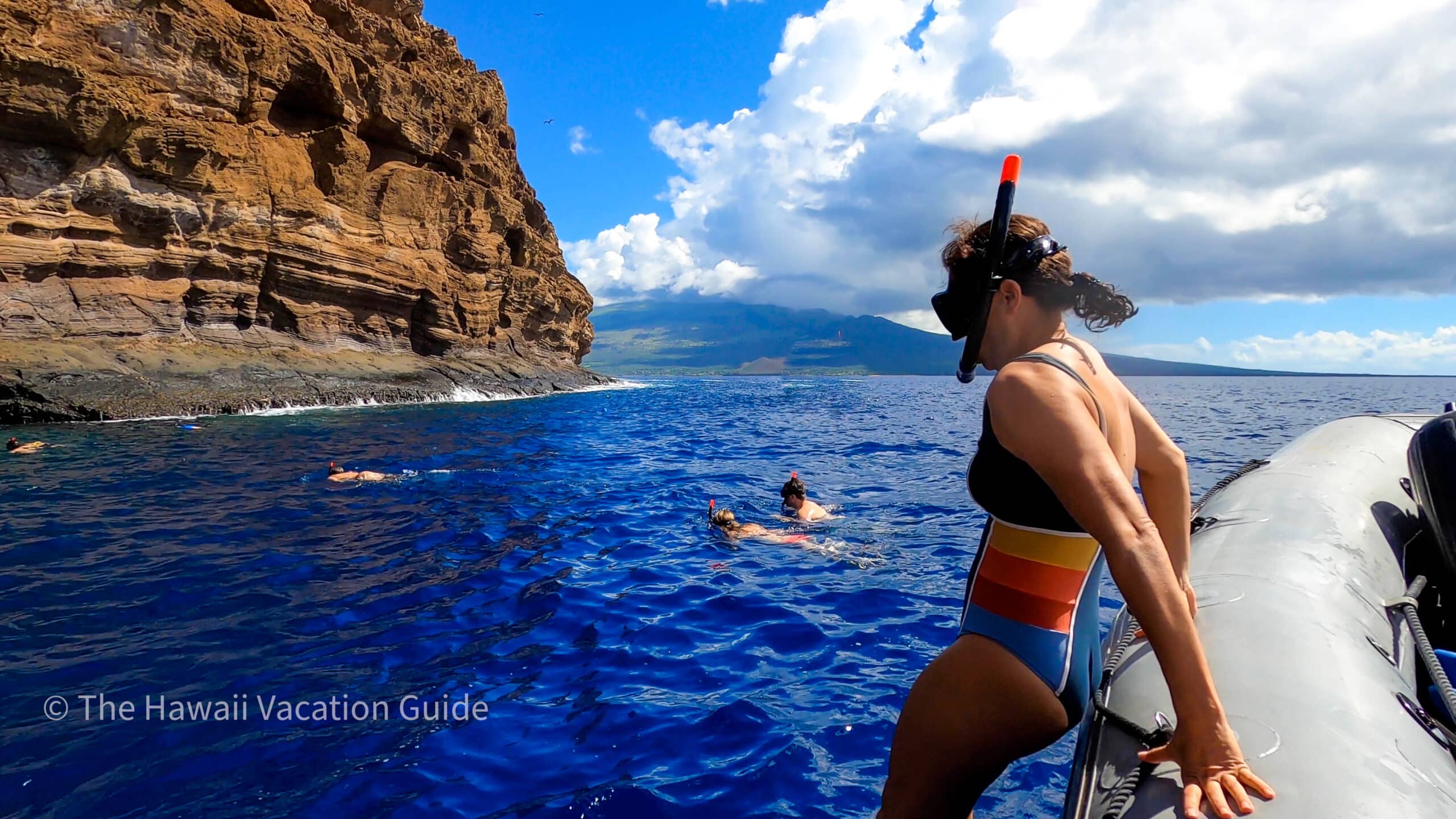
The waters surrounding the islands are home to a diverse array of marine life. Hanauma Bay on Oahu is one of the most famous snorkeling destinations in the world. As a protected marine life conservation district, it requires visitors to watch an educational video about reef preservation before entering. This emphasis on education ensures that future generations can continue to see the green sea turtles (Honu) and vibrant tropical fish that inhabit these reefs.

Responsible Engagement and Tips for Travelers
Responsible tourism in the islands involves more than just picking up trash. It means respecting “Kapu” (forbidden) signs that mark sacred sites or private lands. It also involves understanding the fragility of the ecosystem. The islands are home to many endemic species found nowhere else on earth, many of which are endangered.
When tourists ask what to do, the best advice is to slow down. The “Island Time” philosophy encourages a pace that allows for observation and reflection. Instead of rushing from one attraction to another, spend time talking to local artisans, visiting farmers’ markets in Maui, or learning about the quiet histories of Molokai and Lanai. By choosing to support local businesses and engaging with the culture respectfully, visitors become part of the solution in preserving the very beauty they came to see.
In conclusion, answering “What Do Hawaii?” requires looking past the surface level of a typical vacation. It is a destination that demands engagement with its history, respect for its natural wonders, and a willingness to learn from its people. Whether you are exploring the volcanic craters of the Big Island or the historic streets of Honolulu, the true experience lies in the connection you build with the land and the spirit of Aloha that permeates every corner of the islands.
LifeOutOfTheBox is a participant in the Amazon Services LLC Associates Program, an affiliate advertising program designed to provide a means for sites to earn advertising fees by advertising and linking to Amazon.com. Amazon, the Amazon logo, AmazonSupply, and the AmazonSupply logo are trademarks of Amazon.com, Inc. or its affiliates. As an Amazon Associate we earn affiliate commissions from qualifying purchases.