
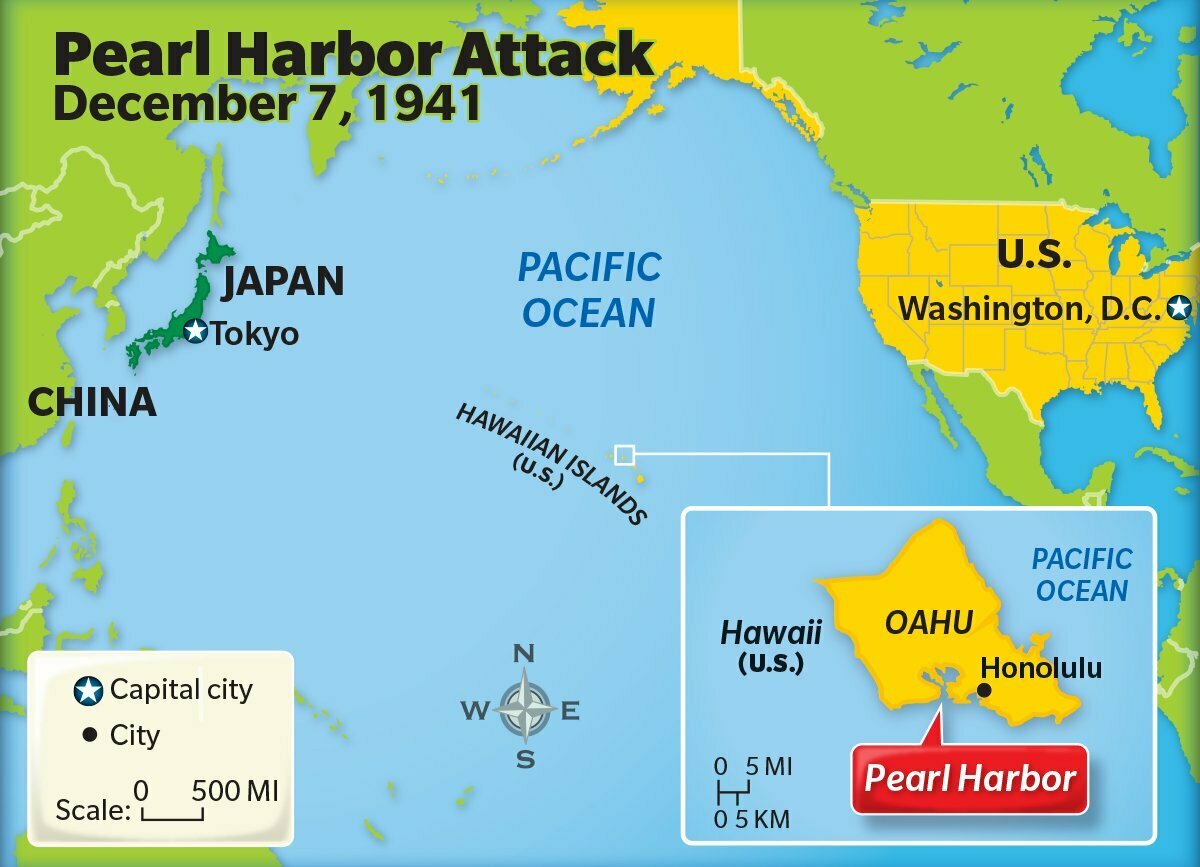
Pearl Harbor is located on the island of Oahu, the most populous and central island of the Hawaii archipelago. Situated just west of Honolulu, this deep-water naval base is one of the most significant landmarks in the United States, serving as a bridge between the nation’s past and present. As a National Historic Landmark, it stands as a solemn reminder of the events of December 7, 1941, an event that forever changed the course of World War II. The geography of Oahu, with its natural lagoons and strategic position in the Pacific Ocean, made it the ideal location for the Pacific Fleet, but it also made it a focal point of global history. Today, the site is managed by the National Park Service and draws millions of visitors who come to witness the architectural and historical resonance of its many memorials.
The Architectural Significance of the USS Arizona Memorial
The most iconic structure within the Pearl Harbor National Memorial is undoubtedly the USS Arizona Memorial. This elegant white structure spans the sunken hull of the USS Arizona without actually touching the ship itself. Designed by the renowned architect Alfred Preis, the memorial’s design is deeply symbolic. Alfred Preis intended for the building to sag in the center but stand firm and upright at the ends. This specific shape represents initial defeat, but ultimate victory.
The Symbolic Design of Alfred Preis
The architecture of the USS Arizona Memorial is a masterclass in minimalist emotional resonance. The 184-foot-long structure features 21 windows—seven on each side and seven on the ceiling—which represent a 21-gun salute, the highest honor that can be rendered to the military. Inside the assembly room, visitors can look down into the water to see the “Black Tears of the Arizona.” These are drops of oil that still leak from the sunken battleship today, rising to the surface of the Pacific Ocean like a living connection to the sailors entombed below. The Shrine Room at the end of the memorial contains a marble wall engraved with the names of the 1,177 sailors and Marines who lost their lives on the ship, providing a space for quiet reflection amidst the stunning natural beauty of Oahu.
Exploring Battleship Row
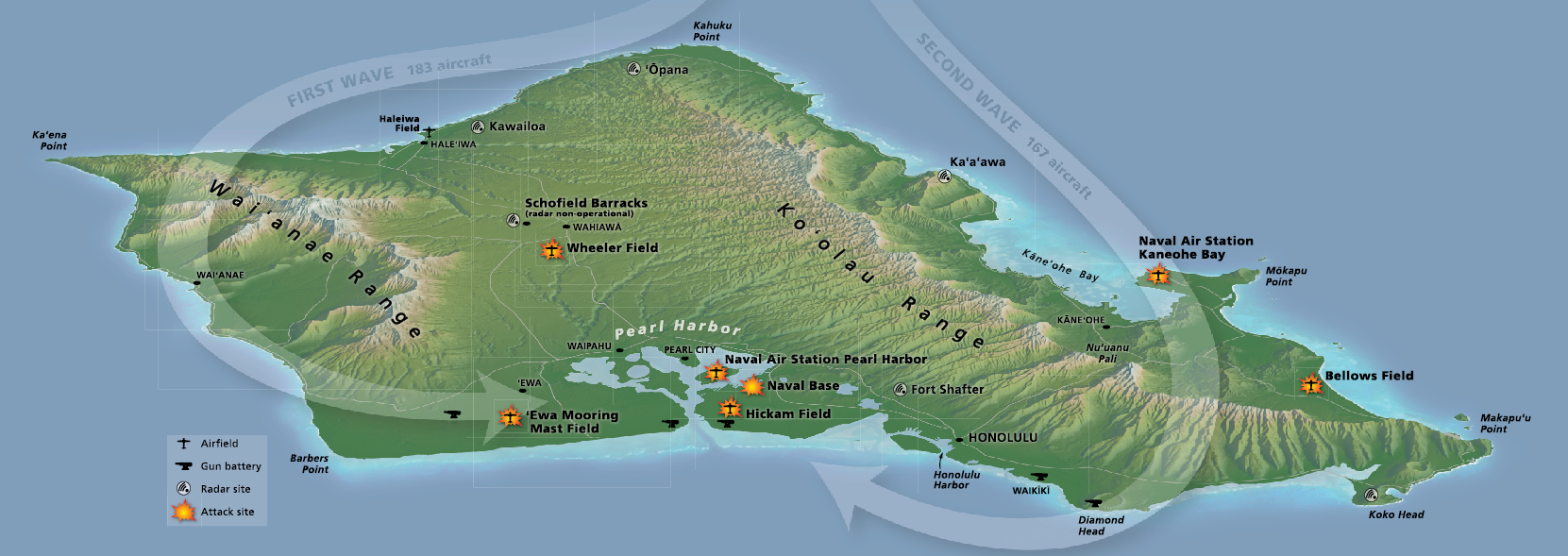
The USS Arizona was part of what was known as Battleship Row, a concentration of the United States Navy’s most powerful vessels. While the USS Arizona Memorial is the most visited, the USS Oklahoma Memorial also stands nearby on Ford Island. This landmark features 429 white marble pillars, each representing a crew member of the USS Oklahoma who perished during the attack. The layout of these memorials across the harbor creates a historical map of the events that transpired, allowing visitors to visualize the sheer scale of the naval presence on the island of Oahu.
The Mighty Mo: Battleship Missouri Memorial
In stark contrast to the sunken remains of the USS Arizona, the Battleship Missouri Memorial stands as a towering symbol of the end of the conflict. Known affectionately as the “Mighty Mo,” this Iowa-class battleship is permanently moored at Pearl Harbor, facing the USS Arizona Memorial. The positioning is intentional; it creates a “bookend” effect, representing the beginning of the war for the United States and its ultimate conclusion.
The Surrender Deck and Global Diplomacy
The USS Missouri is a landmark of immense political and historical importance because its deck was the site where the Empire of Japan officially surrendered on September 2, 1945. Walking onto the Surrender Deck allows visitors to see the exact spot where General Douglas MacArthur and representatives from the Allied powers signed the documents that ended the war. The ship itself is an architectural marvel of mid-century naval engineering, boasting massive 16-inch guns that could fire projectiles weighing as much as a small car.

Life Aboard a Floating City
Exploring the Battleship Missouri Memorial provides a glimpse into the lifestyle and daily operations of thousands of sailors. The ship functioned as a floating city, complete with a post office, a dental clinic, and massive mess halls. The preservation of these spaces on Oahu allows for an immersive historical experience, showcasing the sheer scale of industrial power the United States harnessed during the mid-20th century. The silhouette of the USS Missouri against the skyline of Honolulu is a testament to the enduring legacy of the Pacific Fleet.
Submarines and Aviation: The Hidden History of Ford Island
While the battleships often take center stage, Pearl Harbor is home to several other landmarks that highlight different facets of military history and architecture. Ford Island, located in the middle of the harbor, is the site of the Pearl Harbor Aviation Museum and the USS Bowfin Submarine Museum & Park. These sites offer a more technical look at the evolution of warfare in the Pacific Ocean.
The Silent Service: USS Bowfin
The USS Bowfin Submarine Museum & Park features the USS Bowfin, a Balao-class submarine launched exactly one year after the attack on Pearl Harbor. It was nicknamed the “Pearl Harbor Avenger.” The landmark includes the submarine itself, which visitors can tour to experience the claustrophobic and highly technical environment of the “Silent Service.” The museum grounds also feature an outdoor park with a collection of missiles, torpedoes, and a memorial dedicated to the 52 United States submarines lost during the war.
Aviation History in the Hangar
The Pearl Harbor Aviation Museum is housed in historic hangars on Ford Island that still bear the scars of the 1941 attack. Bullet holes can still be seen in the glass of Hangar 79. The museum’s collection includes a wide array of aircraft, from the Japanese Zero to the B-17 Flying Fortress. The architecture of the hangars themselves is a significant part of the landmark experience, representing the utilitarian and industrial design of the Naval Station Pearl Harbor during the 1940s. The Ford Island Control Tower, another vital landmark, has been meticulously restored and stands as a beacon over the airfield where the first bombs fell.
The Cultural and Geographical Context of Pearl Harbor on Oahu
The location of Pearl Harbor on the island of Oahu is no accident. Long before it was a naval base, the area was known to the native people of Hawaii as “Wai Momi,” meaning “Waters of Pearl.” The estuary was once rich with pearl-producing oysters, and the surrounding land was fertile and abundant. The transition from a natural resource to a strategic military landmark is a key part of the island’s complex history.
The Role of the National Park Service
The National Park Service plays a crucial role in maintaining the integrity of these landmarks. The Pearl Harbor Visitor Center serves as the entry point for all these sites, providing galleries that detail the lead-up to the conflict and the aftermath. The layout of the visitor center is designed to prepare guests emotionally and intellectually before they board the shuttle boats to the USS Arizona Memorial. Through careful preservation, the National Park Service ensures that the stories of Oahu and the Pacific Ocean theater are told with accuracy and respect.
Other Sites of Remembrance
Beyond the harbor itself, the legacy of Pearl Harbor extends to other landmarks on Oahu. The National Memorial Cemetery of the Pacific, located within the Punchbowl Crater in Honolulu, is the final resting place for many who served in the Pacific Ocean during World War II. The architecture of the cemetery, set within an extinct volcanic crater, offers a panoramic view of the island and serves as a companion site to the harbor memorials. Additionally, the USS Utah Memorial on the western side of Ford Island honors the crew of the USS Utah, another ship that remains submerged in the harbor.
The Enduring Landmark
Pearl Harbor remains the most visited landmark on Oahu, not only because of its historical weight but also because of the way it has been integrated into the island’s landscape. The juxtaposition of the somber memorials against the vibrant blue waters of Hawaii creates a powerful atmosphere. Whether it is the sleek modernism of the USS Arizona Memorial or the industrial might of the Battleship Missouri Memorial, these structures serve as permanent fixtures of the American identity. For any visitor to Hawaii, understanding the geography of Oahu starts with understanding the harbor that sits at its heart. The preservation of these sites ensures that the history of the United States and its role in the global community will never be forgotten.
LifeOutOfTheBox is a participant in the Amazon Services LLC Associates Program, an affiliate advertising program designed to provide a means for sites to earn advertising fees by advertising and linking to Amazon.com. Amazon, the Amazon logo, AmazonSupply, and the AmazonSupply logo are trademarks of Amazon.com, Inc. or its affiliates. As an Amazon Associate we earn affiliate commissions from qualifying purchases.