
The Hawaii Island is a land of vast ecological diversity, towering volcanic peaks, and deep historical significance. While it is known globally by its popular nickname, the Big Island, its official name remains simply Hawaii. This can often lead to confusion for travelers and geography enthusiasts alike, as Hawaii is also the name of the entire United States state. To distinguish the landmass from the political entity, residents and visitors almost exclusively refer to it as the Big Island. This name is fitting, as the island is larger than all the other main Hawaiian islands combined, covering approximately 4,028 square miles.
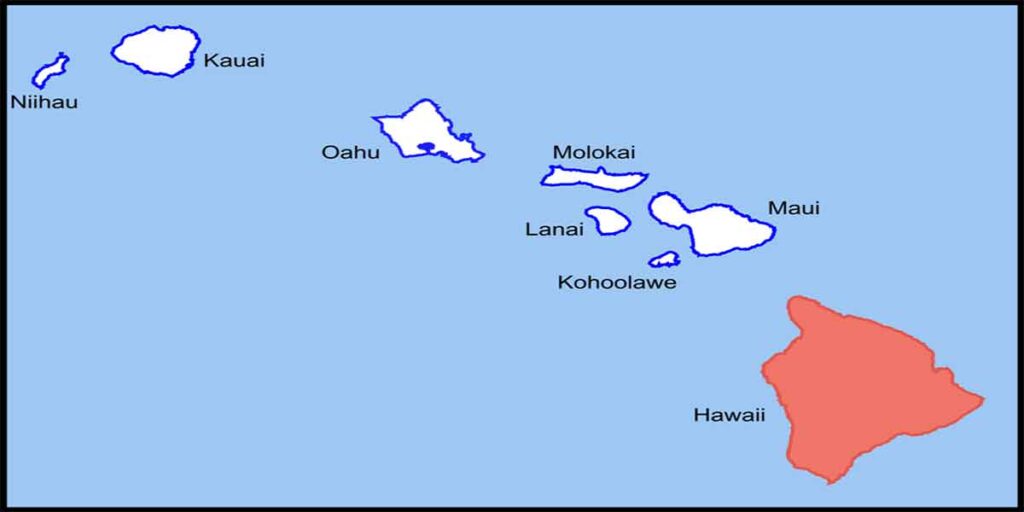
The Official Identity: Understanding Hawaii Island
The nomenclature of the Big Island is rooted in the history of Polynesia and the eventual unification of the islands. To understand what the Big Island of Hawaii is called, one must look at the linguistic evolution of the region. The word “Hawaiʻi” is derived from the Proto-Polynesian word “Sawaiki,” which traditionally refers to the ancestral homeland of the Polynesian people.
Distinguishing the Island from the State
Because the state shares the name of its largest island, the term Hawaii Island is the formal designation used by the United States Census Bureau and the Board on Geographic Names. However, in everyday conversation, the “Big Island” moniker serves as a practical tool for clarity. If someone says they are “going to Hawaii,” they could mean any of the islands, such as Oahu or Maui. If they specify they are “going to the Big Island,” there is no ambiguity about their destination.
The Legend of Hawaii Loa
Local tradition also provides insight into the island’s name. According to legend, the island was named after Hawaii Loa, the mythical Polynesian navigator who is said to have first discovered the archipelago. By naming the largest island after himself, he established a legacy that would eventually encompass the entire chain. Today, the island is not just a landmark of the Pacific Ocean but a monument to the endurance of Hawaiian culture.
Geographic Landmarks: The Volcanic Giants
The Big Island is defined by its extraordinary geology. It is essentially a collection of five major volcanoes, three of which remain active. These natural landmarks have created a landscape that is constantly evolving, making the island a primary site for scientific research and nature exploration.
Mauna Kea: The Tallest Peak
Mauna Kea is perhaps the most significant geographic landmark on the island. While Mount Everest is known as the highest mountain above sea level, Mauna Kea is actually the tallest mountain on Earth when measured from its base on the ocean floor. It rises 13,803 feet above sea level, but its total height exceeds 33,000 feet. The summit is home to the world’s largest astronomical observatory, where international scientists utilize massive telescopes to peer into the deep reaches of space. To the Native Hawaiians, the summit is considered the most sacred place in the entire archipelago, believed to be the realm of the gods.
Mauna Loa: The World’s Largest Active Volcano
Neighboring Mauna Kea is Mauna Loa, a massive shield volcano that makes up roughly half of the island’s land area. Mauna Loa is the largest subaerial volcano on the planet. Its name, which means “Long Mountain” in Hawaiian, is an accurate description of its gentle but immense slope. Because of its sheer mass, the island’s crust actually sags beneath the weight of the volcano. Its recent eruptions continue to reshape the landscape, reminding observers of the raw power of the volcanic processes that birthed the Big Island.
Kilauea and the Hawaii Volcanoes National Park
One of the most visited landmarks in the world is Hawaii Volcanoes National Park. Within this park lies Kilauea, one of the most active volcanoes on the planet. Unlike the explosive eruptions of mountains like Mount St Helens, Kilauea typically produces effusive eruptions, where lava flows steadily toward the sea. The Halemaumau Crater, located within the larger summit caldera of Kilauea, is said to be the home of Pele, the Hawaiian goddess of fire and volcanoes. This site is a living landmark, where the physical creation of the island can be witnessed in real-time.
Cultural and Historical Landmarks
Beyond its natural wonders, the Big Island is rich with historical landmarks that tell the story of the Hawaiian monarchy and the ancient people who thrived in this rugged environment.

The Birthplace of King Kamehameha I
The Kohala district on the northern tip of the island is the birthplace of King Kamehameha I, the legendary leader who unified the Hawaiian Islands under one rule. A famous bronze statue of the king stands in Kapaau, a landmark that honors his legacy. The history of the Big Island is inextricably linked to the rise of the Kingdom of Hawaii, and many of the island’s landmarks are dedicated to preserving this heritage.
Puukohola Heiau National Historic Site
Located on the Kohala Coast, the Puukohola Heiau National Historic Site is one of the most impressive examples of ancient Hawaiian architecture. This massive stone temple was built by King Kamehameha I in the late 18th century as a dedication to the war god Kukailimoku. The temple was constructed without the use of mortar, using stones passed by hand in a human chain that stretched for miles. Today, it remains a symbol of the strength and unity required to forge a nation.
Puuhonua o Honaunau National Historical Park
On the western side of the island, near Kona, lies Puuhonua o Honaunau National Historical Park. This site served as a “place of refuge” for ancient Hawaiians who had broken the “kapu” (sacred laws). If a person could reach this sacred ground before being caught, they were spared from execution and could be ritually purified. The park features a massive Great Wall, ancient burial grounds, and reconstructed thatched-roof structures, providing a window into the complex social and religious structures of ancient Hawaii.
The Diverse Landscapes of the Big Island
What truly sets the Big Island apart is its sheer size, which allows for an incredible variety of ecosystems. The island contains four out of the five major climate zones on Earth, ranging from humid tropical to polar tundra.
Punaluu Black Sand Beach
One of the most iconic coastal landmarks is Punaluu Black Sand Beach. Created by basaltic lava exploding as it hits the ocean water and then being eroded by waves, the beach is a striking jet-black color. It is a frequent resting place for the Hawaiian Green Sea Turtle, also known as the “Honu.” The contrast between the black sand, the turquoise water, and the surrounding green palms makes this one of the most photographed nature landmarks in the world.
Akaka Falls State Park
Moving to the lush Hamakua Coast, the landscape shifts into a tropical rainforest. Akaka Falls State Park is home to the stunning Akaka Falls, a waterfall that plunges 442 feet into a stream-eroded gorge. The surrounding park is filled with bamboo groves, wild orchids, and ferns, showcasing the fertile nature of the island’s windward side. Not far away is Rainbow Falls, located within the city of Hilo, which is famous for the rainbows that form in its mist on sunny mornings.
Waipio Valley: The Valley of the Kings
The Waipio Valley is a landmark of immense cultural and natural beauty. Surrounded by cliffs reaching 2,000 feet high, the valley was once the capital of the Big Island and a favorite retreat for Hawaiian royalty. It is a place of deep historical significance, often referred to as the “Valley of the Kings.” Today, the valley remains largely secluded, accessible only by a steep, winding road that requires four-wheel drive. The taro patches and wild horses found within the valley evoke a sense of the old Hawaii that has remained untouched by modern development.
Why the Name “Big Island” Persists
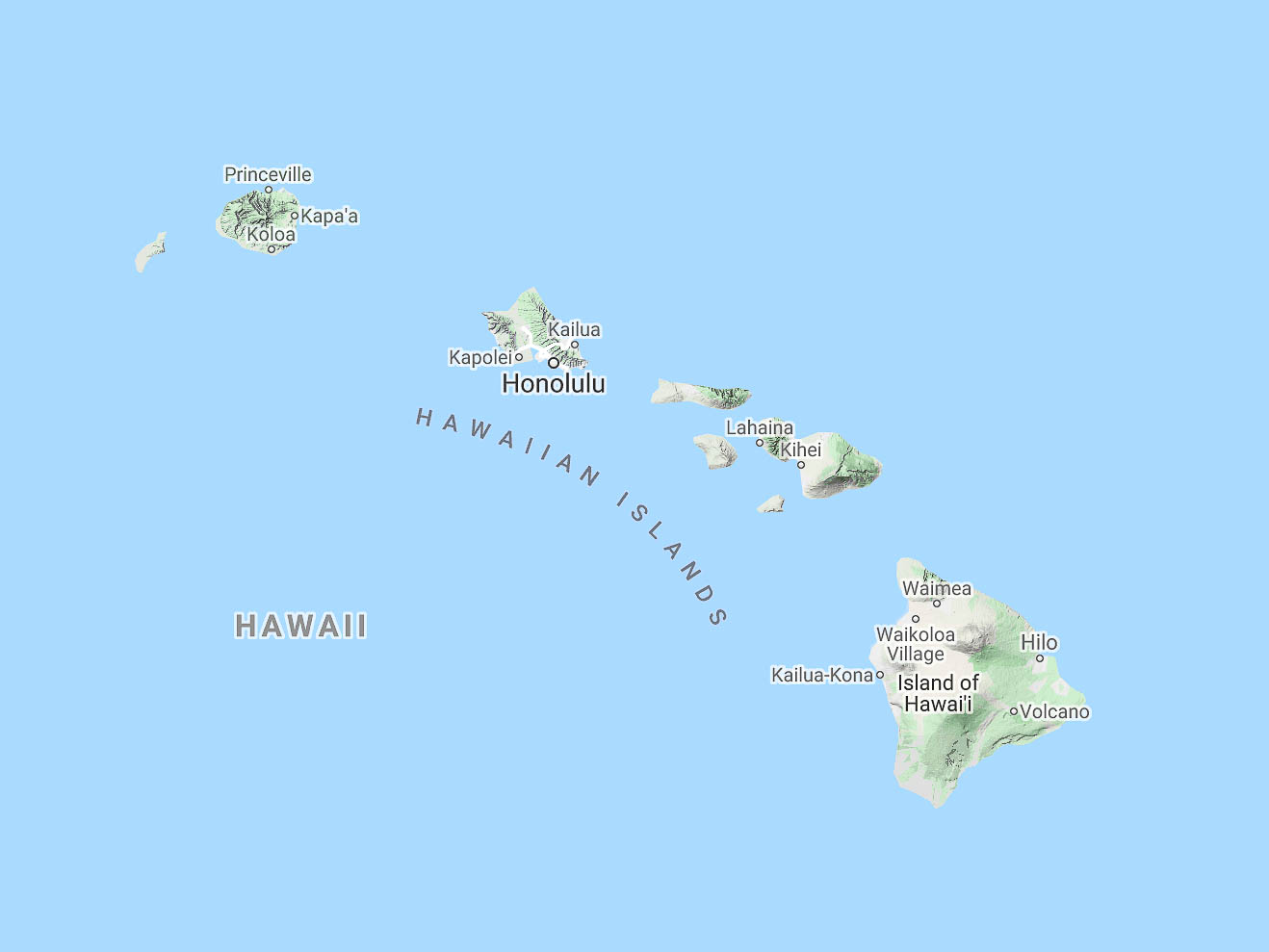
The survival of the name “Big Island” is a testament to the island’s unique identity. While other islands like Kauai have nicknames such as the “Garden Isle,” or Lanai is called the “Pineapple Isle,” those are descriptors of character. The Big Island is a descriptor of reality. The sheer scale of the land affects everything from the climate to the culture.
The island continues to grow every day as Kilauea deposits more lava into the sea, literally expanding the borders of the United States. This constant growth ensures that the island remains a dynamic landmark, a place where the history of the earth is being written in real-time. Whether you call it Hawaii Island for official purposes or the Big Island to honor its massive presence, it remains the heart of the archipelago.
From the snow-capped peak of Mauna Kea to the underwater wonders of Kealakekua Bay, where the Captain Cook monument stands, the island is a mosaic of landmarks. Each site tells a story of volcanic fire, royal lineage, and the relentless beauty of nature. To visit the Big Island is to walk through a living museum of history and geography, where the name itself is just the beginning of a much larger story.
LifeOutOfTheBox is a participant in the Amazon Services LLC Associates Program, an affiliate advertising program designed to provide a means for sites to earn advertising fees by advertising and linking to Amazon.com. Amazon, the Amazon logo, AmazonSupply, and the AmazonSupply logo are trademarks of Amazon.com, Inc. or its affiliates. As an Amazon Associate we earn affiliate commissions from qualifying purchases.