
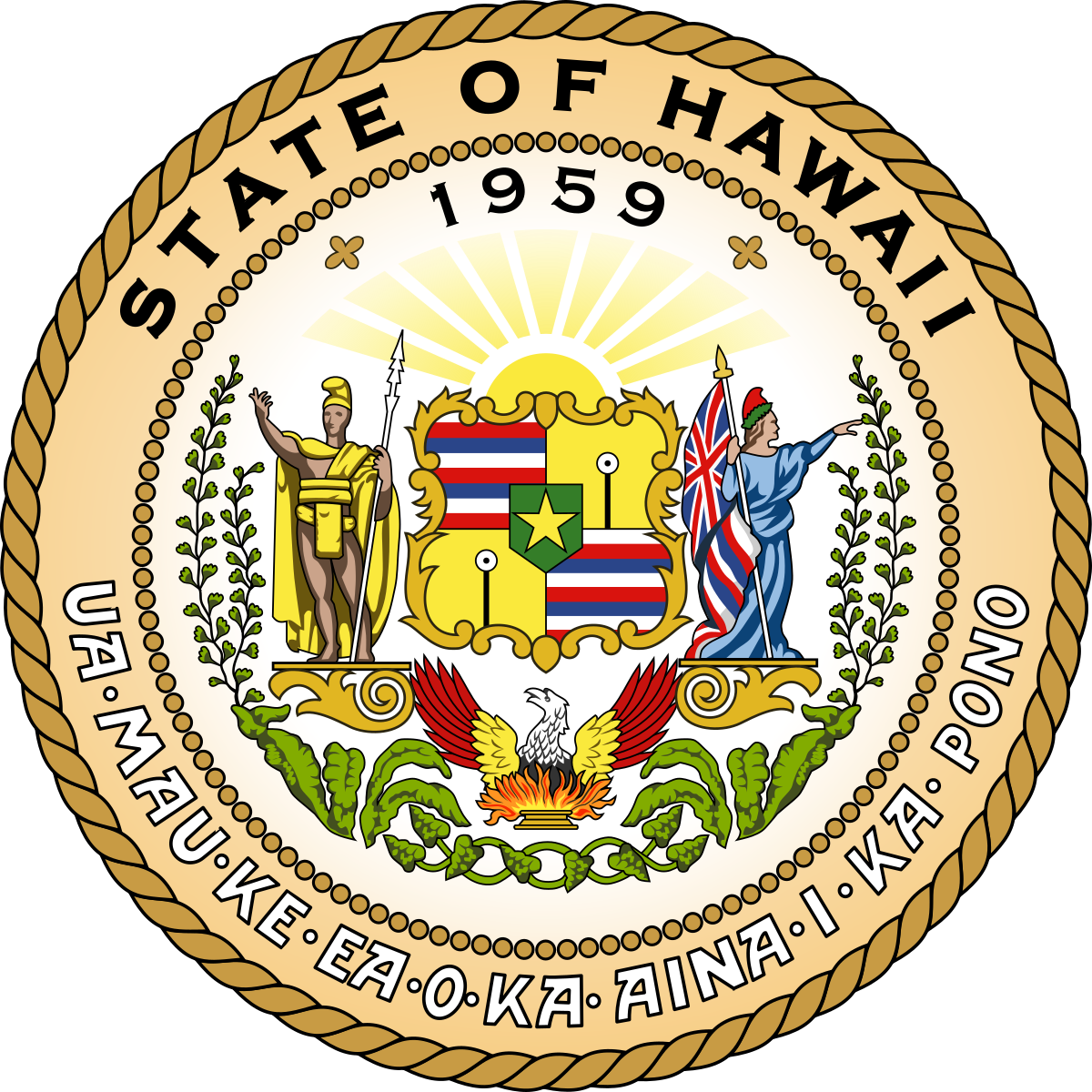
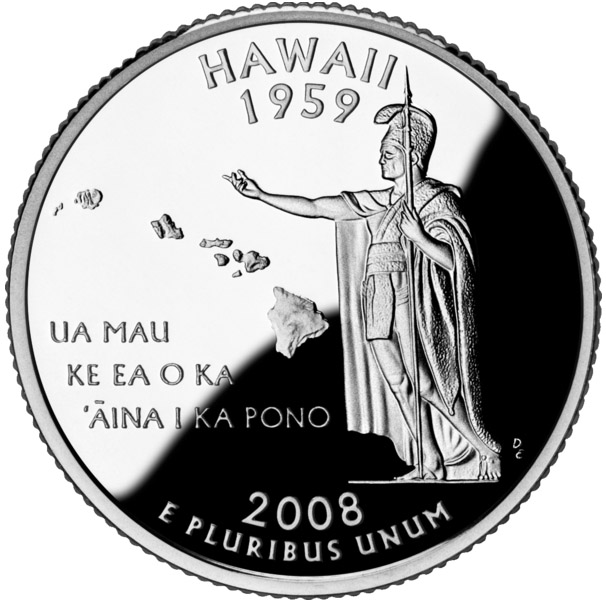
The official state motto of Hawaii is “Ua Mau ke Ea o ka ʻĀina i ka Pono.” Translated from the native Hawaiian Language, it means “The life of the land is perpetuated in righteousness.” For any traveler visiting the Aloha State, understanding these words is more than a historical exercise; it is an entry point into the soul of the islands. This motto is not merely a slogan found on the state seal or license plates; it represents a philosophy that dictates how locals interact with the environment, their history, and the millions of visitors who arrive in Honolulu and beyond each year. To truly experience Hawaii as a tourist is to engage with the concepts of ea (life/sovereignty), aina (land), and pono (righteousness).
The Historical Origins of the Hawaiian Motto
The motto has its roots in a period of intense political turmoil for the Kingdom of Hawaii during the 19th century. It was first uttered by King Kamehameha III, also known as Kauikeaouli, on July 31, 1843. This date is significant in Hawaiian history as Restoration Day, marking the end of a five-month illegal occupation of the islands by the British Empire.
The Paulet Affair and Sovereignty
In early 1843, Lord George Paulet of the United Kingdom arrived in the islands and, through a series of demands and threats, forced the King to cede the Hawaiian Islands to the British crown. This period, known as the Paulet Affair, was a dark time for the local people. However, the sovereignty of the nation was eventually restored by Rear Admiral Richard Darton Thomas, who repudiated Paulet’s actions. During the thanksgiving service following the restoration of independence, the King proclaimed the words that would become the state’s guiding light.
From Kingdom to Statehood
When Hawaii was admitted to the United States as the 50th state in 1959, the territorial government and eventually the state legislature chose to keep this historic phrase. It serves as a bridge between the ancient Polynesian heritage of the islands and its modern identity. For tourists visiting sites like Iolani Palace or Thomas Square in Oahu, the motto provides context for the deep-seated pride and occasional tension regarding the history of governance in the Pacific Ocean.
Understanding the Pillars of the Motto: Aina and Pono
To the casual traveler, “The life of the land is perpetuated in righteousness” might sound poetic but vague. However, in the context of Hawaiian Culture, every word carries immense weight.
The Sacredness of the Aina (Land)
In Hawaii, the aina is not just property; it is an ancestor. The traditional belief system suggests that the land, the sea, and the people are inextricably linked. This is why you will see such a strong emphasis on environmental conservation across the islands, from the volcanic peaks of Mauna Kea on the Big Island to the lush cliffs of the Na Pali Coast on Kauai. For tourists, respecting the aina means following the principles of Malama Hawaii—a call to give back and care for the earth during your stay.
Living with Pono (Righteousness)
The word pono is one of the most important terms in the Hawaiian Language. It translates to righteousness, but it also encompasses balance, harmony, and doing what is right. For a visitor, being pono involves cultural sensitivity. It means understanding that certain areas, like Heiau (ancient temples) or certain beaches in Maui, are sacred. It means driving with patience, supporting local businesses in Lahaina or Kailua-Kona, and showing respect to the kupuna (elders) you encounter.
Integrating the Motto into Your Hawaiian Itinerary
Tourism in Hawaii is shifting toward a model of “regenerative tourism,” which is a direct modern application of the state motto. Instead of just taking photos and leaving footprints, visitors are encouraged to participate in activities that help the land flourish.
Cultural Landmarks and Education
To understand the motto, one must visit the landmarks where this history unfolded. Thomas Square in Honolulu is the very location where the Hawaiian flag was raised again in 1843. Nearby, the Bishop Museum offers the world’s premier collection of Hawaiian artifacts and royal heirlooms, providing deep insight into the reign of Kamehameha III. A visit to the Polynesian Cultural Center on the North Shore of Oahu also helps clarify how the concept of ea is shared across various Pacific island nations.
Eco-Tourism and Volunteering
If the “life of the land” is to be perpetuated, it requires active work. Many resorts in Waikiki and Wailea now offer guests opportunities to volunteer for a day in exchange for a discount or a special experience. This might involve cleaning up plastic at Turtle Bay, planting native trees in the Upcountry Maui region, or restoring ancient fishponds like those found on Molokai. These activities allow travelers to embody the state motto, ensuring their presence contributes to the “righteousness” of the land’s future.
Responsible Exploration of Natural Wonders
Visiting Hawaii Volcanoes National Park or Haleakala National Park is a humbling experience that highlights the power of the aina. The motto reminds us that we are guests of this powerful landscape. When hiking the Kalalau Trail or driving the Hana Highway, adhering to “Leave No Trace” principles is the most direct way a tourist can honor the state’s official sentiment.
Tips for Respectful Tourism in the Spirit of the Motto
Embracing “Ua Mau ke Ea o ka ʻĀina i ka Pono” during your trip ensures a more meaningful and welcomed experience. Hawaii is a unique destination where the local community is deeply protective of their culture and natural resources.
- Learn the Language: Even simple words like Aloha (hello/love), Mahalo (thank you), and A hui hou (until we meet again) show respect for the culture that birthed the motto.
- Observe Signage: Many areas on Oahu and Kauai have signs indicating “Kapu” (forbidden or sacred). Respecting these boundaries is essential for maintaining the pono of the site.
- Support Local Agriculture: The motto emphasizes the land. By eating at “farm-to-table” restaurants in Haliimaile or visiting the Dole Plantation, you are supporting the continued agricultural life of the islands.
- Wildlife Protection: Whether you are snorkeling at Hanauma Bay or watching whales off the coast of Lanai, keep a respectful distance from Hawaiian Monk Seals and Green Sea Turtles. Their life is part of the aina mentioned in the motto.
The Global Relevance of Hawaii’s Motto
While the motto was born from a specific historical event in the Kingdom of Hawaii, its message is increasingly relevant to the global travel industry. The idea that a destination’s “life” or vitality is dependent on the “righteousness” of how it is treated serves as a blueprint for sustainable tourism worldwide.
A Lesson for Modern Travelers
When you stand at the base of Diamond Head or look out over the vast expanse of Waimea Canyon, the motto encourages a shift in perspective. Instead of viewing these places as mere backdrops for social media, the motto asks us to view them as living entities that require care and ethical interaction. This is the essence of the Hawaiian experience.
The Legacy of King Kamehameha III
The legacy of King Kamehameha III lives on through every person who recites these words. From the students in Hilo who learn it in school to the dignitaries who visit Pearl Harbor, the motto remains a powerful reminder of resilience. As a tourist, knowing the history of “Ua Mau ke Ea o ka ʻĀina i ka Pono” transforms your vacation from a simple getaway into a journey of cultural discovery.
By the time you fly out of Daniel K. Inouye International Airport, the hope is that you carry a piece of this motto with you. Whether you spent your days surfing at Hanalei Bay or exploring the historic streets of Lahaina, the “life of the land” is something that every visitor helps to perpetuate. Through mindful travel, respectful engagement, and an appreciation for the deep history of Hawaii, you become a part of the righteousness that keeps the islands vibrant for generations to come.
LifeOutOfTheBox is a participant in the Amazon Services LLC Associates Program, an affiliate advertising program designed to provide a means for sites to earn advertising fees by advertising and linking to Amazon.com. Amazon, the Amazon logo, AmazonSupply, and the AmazonSupply logo are trademarks of Amazon.com, Inc. or its affiliates. As an Amazon Associate we earn affiliate commissions from qualifying purchases.