
Living in Hawaii is a dream held by millions across the United States and the world. Often depicted in popular culture as a perpetual vacation, the reality of residency in the 50th state is a complex, beautiful, and sometimes challenging tapestry of cultural depth, environmental stewardship, and economic navigation. To live in the islands is to trade the frantic pace of the mainland for a lifestyle dictated by the rhythms of the Pacific Ocean and the deeply rooted traditions of the Polynesian people. It is a place where the air smells of salt and plumeria, but it is also a place where the “Paradise Tax” requires a disciplined approach to daily life.
The Cultural Foundation: Living the Aloha Spirit
At the heart of the Hawaiian lifestyle is the “Aloha Spirit.” While tourists often perceive this as a simple greeting, residents understand it as a legal and moral philosophy that dictates how one interacts with others and the land. To live here is to embrace a culture that prioritizes community, patience, and mutual respect.
The Philosophy of Connection
Living in the islands means shifting your social perspective. The concept of “Ohana,” or family, extends far beyond blood relations. Neighbors frequently share the harvest from their fruit trees, and the community tightly knits itself together during times of need. For a newcomer, adapting to this lifestyle requires shedding the individualistic “hustle culture” common in cities like New York or Los Angeles. In Hawaii, personal success is often viewed through the lens of how one contributes to the collective well-being of the neighborhood.
Cultural Diversity and Fusion
The lifestyle is also defined by a unique melting pot of Asian, European, and indigenous influences. This is most visible in the local cuisine and language. A resident’s typical lunch might include Japanese musubi, Portuguese sausage, or Filipino adobo. Living here involves navigating “Pidgin,” the local creole that serves as a linguistic bridge between the various ethnic groups that came to work on the sugar plantations in the 19th and 20th centuries. Understanding this cultural nuance is essential for anyone looking to truly integrate into the local lifestyle.
The Economic Reality: The Price of Paradise
While the scenery is world-class, the lifestyle demands a high level of financial awareness. The “Paradise Tax” is a very real phenomenon that affects every facet of daily existence, from the cost of a gallon of milk to the monthly mortgage payment.
The Housing Market
Housing is the most significant hurdle for those living in Hawaii. Whether you are looking at a high-rise condo in Honolulu or a rural home in Hilo, real estate prices are among the highest in the United States. Many residents live in multi-generational households to offset these costs. In sought-after areas like Waikiki or Kailua, space is at a premium, and luxury lifestyle options often coexist with modest, older neighborhoods. For many, the trade-off for a smaller living space is the fact that the “backyard” is the entire island.
The “Paradise Tax” on Daily Life
Electricity and groceries are significantly more expensive than on the mainland because almost everything must be shipped or flown into the islands. Living in Hawaii teaches residents to be resourceful. Shopping at local farmers’ markets or wholesale clubs is a lifestyle staple. Many people work multiple jobs or participate in the “side hustle” economy to maintain a comfortable standard of living. However, this economic pressure is often balanced by the “free” entertainment provided by nature—surfing, hiking, and beach days require little more than a one-time investment in gear.
Geography as a Lifestyle: Choosing Your Island
One of the most profound aspects of living in Hawaii is that each island offers a distinct lifestyle. The experience of a resident in the urban core of Oahu is vastly different from someone living on the slopes of Haleakala on Maui.
Oahu and the Urban Experience
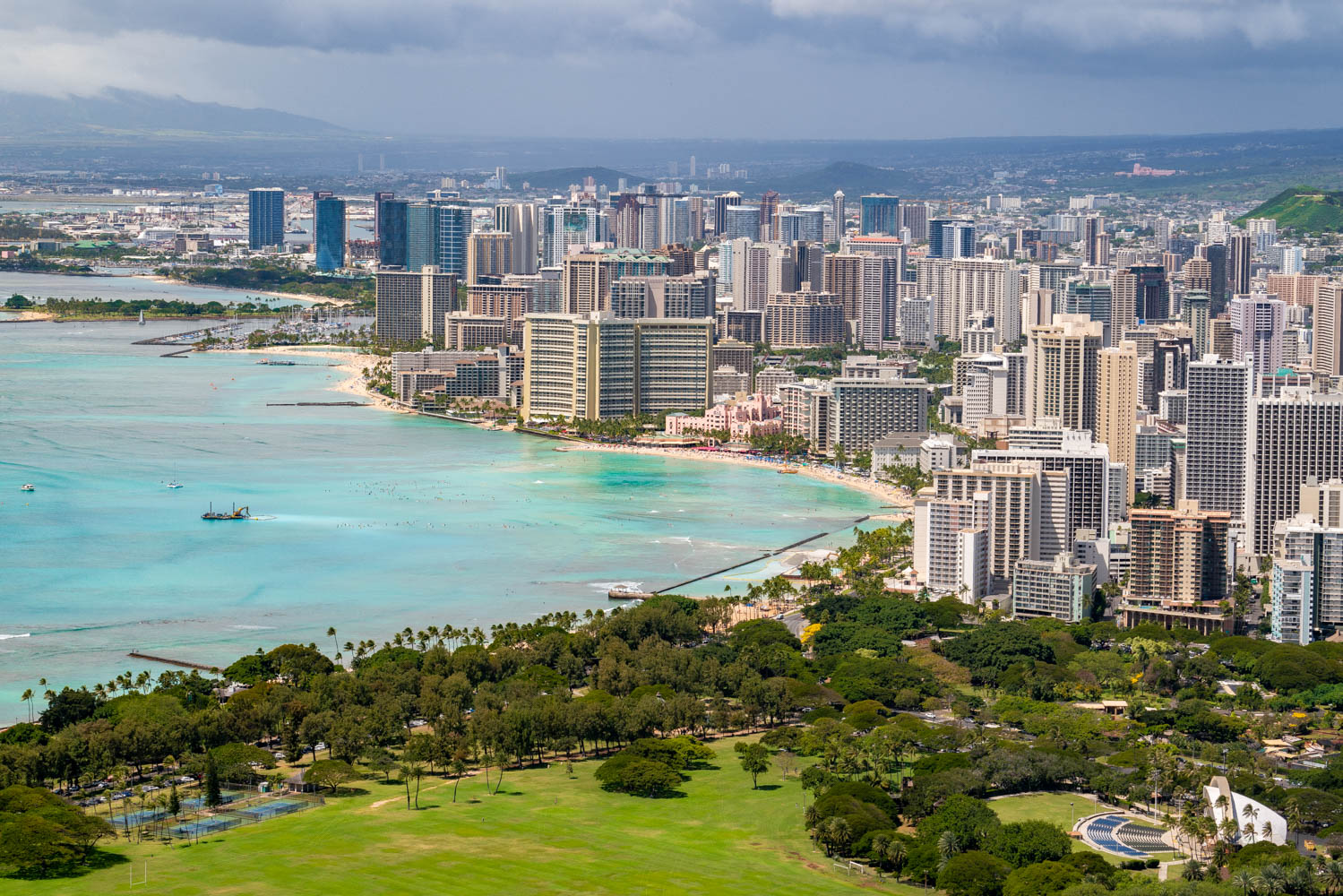
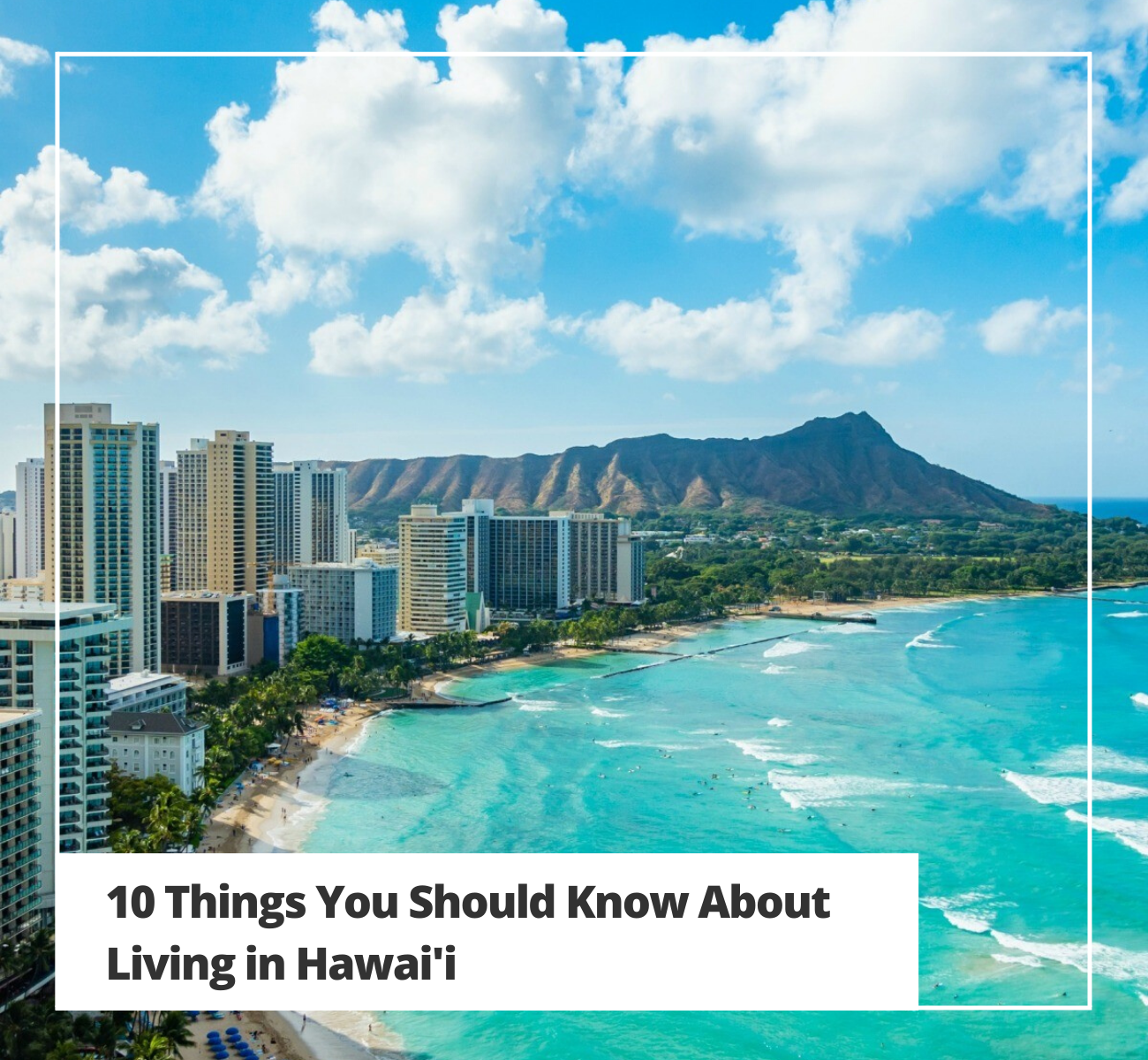
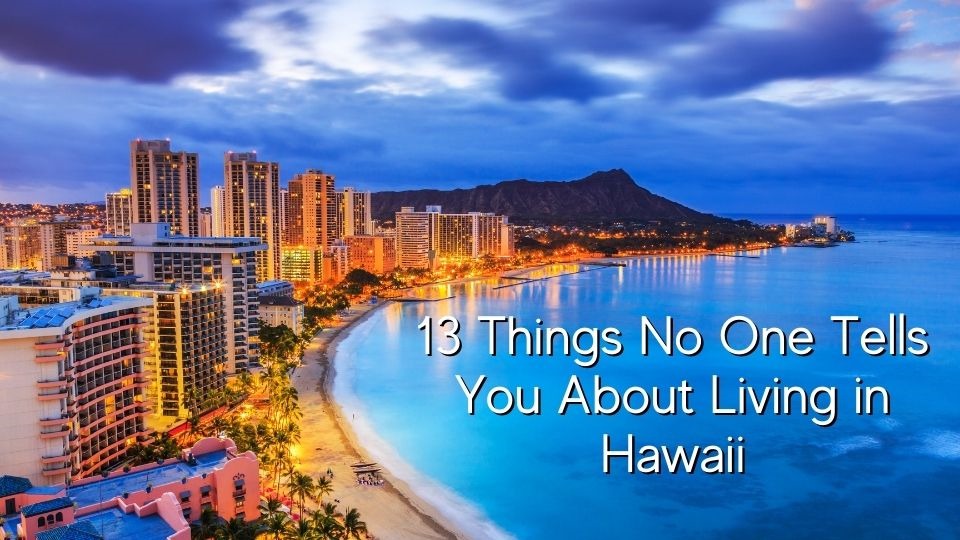
Oahu, known as “The Gathering Place,” is where the majority of the population resides. Living in Honolulu provides a lifestyle that blends metropolitan amenities with tropical beauty. You can work in a corporate office in the morning and be surfing at Waikiki Beach or hiking Diamond Head by late afternoon. The island is the hub for healthcare, government, and the arts, hosting institutions like the Bernice Pauahi Bishop Museum. However, this urban lifestyle comes with heavy traffic and a faster pace than the outer islands.
Maui and the Middle Ground
For those seeking a balance between development and nature, Maui offers a refined lifestyle. It is home to world-class resorts and the famous Road to Hana. Residents here often enjoy a more laid-back atmosphere than Oahu, with a strong focus on agriculture and tourism. Life in towns like Lahaina or Kihei revolves around the ocean, particularly during whale-watching season.
The Serenity of Kauai and the Big Island
Living on Kauai, the “Garden Isle,” is a choice for those who prioritize peace and natural splendor. The lifestyle is rural and slow, with strict building codes that prevent any structure from being taller than a palm tree. On the other hand, the Big Island (also known as Hawaii Island) offers a lifestyle of vast contrasts. From the volcanic landscapes of Volcanoes National Park to the lush rainforests of Hilo and the sunny coffee farms of Kailua-Kona, the Big Island provides the most space and the most affordable land, though it requires a rugged, self-reliant mindset.
Daily Life and Community Dynamics
To live in Hawaii is to be part of a society that moves at a different speed. “Island Time” is not a myth; it is a lifestyle adjustment.
Traffic and Infrastructure
One of the less glamorous realities of living on Oahu is the traffic. The commute between Kapolei and downtown Honolulu is legendary for its congestion. Infrastructure projects, such as the Honolulu Rail Transit, are ongoing efforts to manage the logistical challenges of island living. Because the islands are isolated, residents become acutely aware of supply chain issues. If a shipment is delayed at the Port of Honolulu, grocery store shelves may remain empty for a few days.
Education and Professional Growth
The lifestyle also includes a unique educational landscape. Hawaii has a high concentration of private schools, such as Punahou School and Iolani School, which play a significant role in social and professional networking. For higher education, the University of Hawaii at Manoa is the primary research hub. Professionally, the economy is heavily reliant on tourism and the military, with major installations like Pearl Harbor and Schofield Barracks providing a steady stream of jobs and residents from the mainland.
Health and the Great Outdoors
Perhaps the greatest benefit of living in Hawaii is the profound impact on physical and mental health. The environment encourages an active, outdoor lifestyle year-round.
Nature as a Primary Amenity
Residents don’t just visit landmarks; they live among them. A weekend might involve a snorkeling trip to Hanauma Bay, a surf session at the North Shore, or a hike through the Waimea Canyon. This constant access to nature fosters a deep sense of environmental responsibility. Living in Hawaii often leads to a “Malama Aina” (care for the land) mindset, where recycling, reducing plastic use, and participating in beach cleanups become standard lifestyle habits.
Combating “Rock Fever”
Despite the beauty, long-term residents sometimes experience “rock fever”—the feeling of claustrophobia that comes from being on a small island thousands of miles from the nearest continent. The lifestyle requires an occasional trip to the mainland or to Las Vegas, often jokingly referred to as the “Ninth Island,” to reset. However, most find that the trade-off—a life surrounded by the world’s most beautiful landscapes and a supportive, diverse community—is well worth the occasional desire for more space.
Ultimately, living in Hawaii is about more than just geography; it is about an intentional choice to live more simply, more communally, and more in tune with the environment. It is a lifestyle that demands much in terms of cost and adaptation, but it offers rewards that are found nowhere else on earth. For those who can navigate the economic pressures and embrace the local culture, life in the islands is a profound experience of beauty and belonging.
LifeOutOfTheBox is a participant in the Amazon Services LLC Associates Program, an affiliate advertising program designed to provide a means for sites to earn advertising fees by advertising and linking to Amazon.com. Amazon, the Amazon logo, AmazonSupply, and the AmazonSupply logo are trademarks of Amazon.com, Inc. or its affiliates. As an Amazon Associate we earn affiliate commissions from qualifying purchases.