
Hawaii is often described as the most isolated population center on Earth. Stranded in the vast expanse of the Pacific Ocean, this tropical paradise feels like a world of its own. For travelers planning a journey to the Aloha State, understanding its geographical context is more than just a trivia exercise; it is essential for navigating the long-haul flights and multi-destination itineraries that define Pacific travel. While Hawaii is a proud constituent of the United States, its closest international neighbors are thousands of miles away, scattered across the sea like emeralds on a blue velvet cloth.
The Geographical Reality of the Pacific
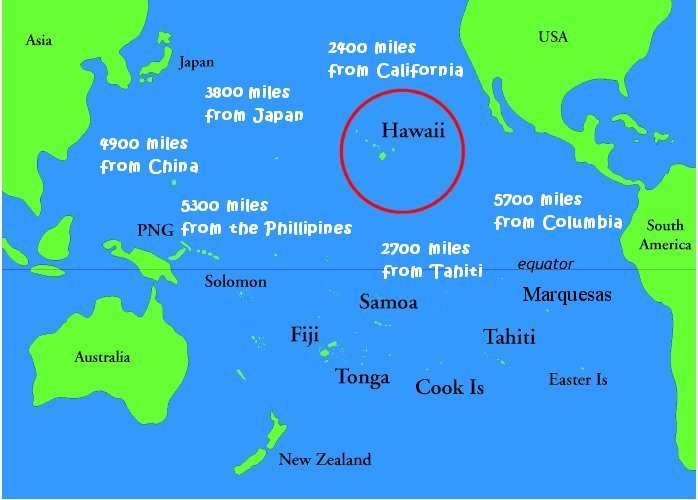
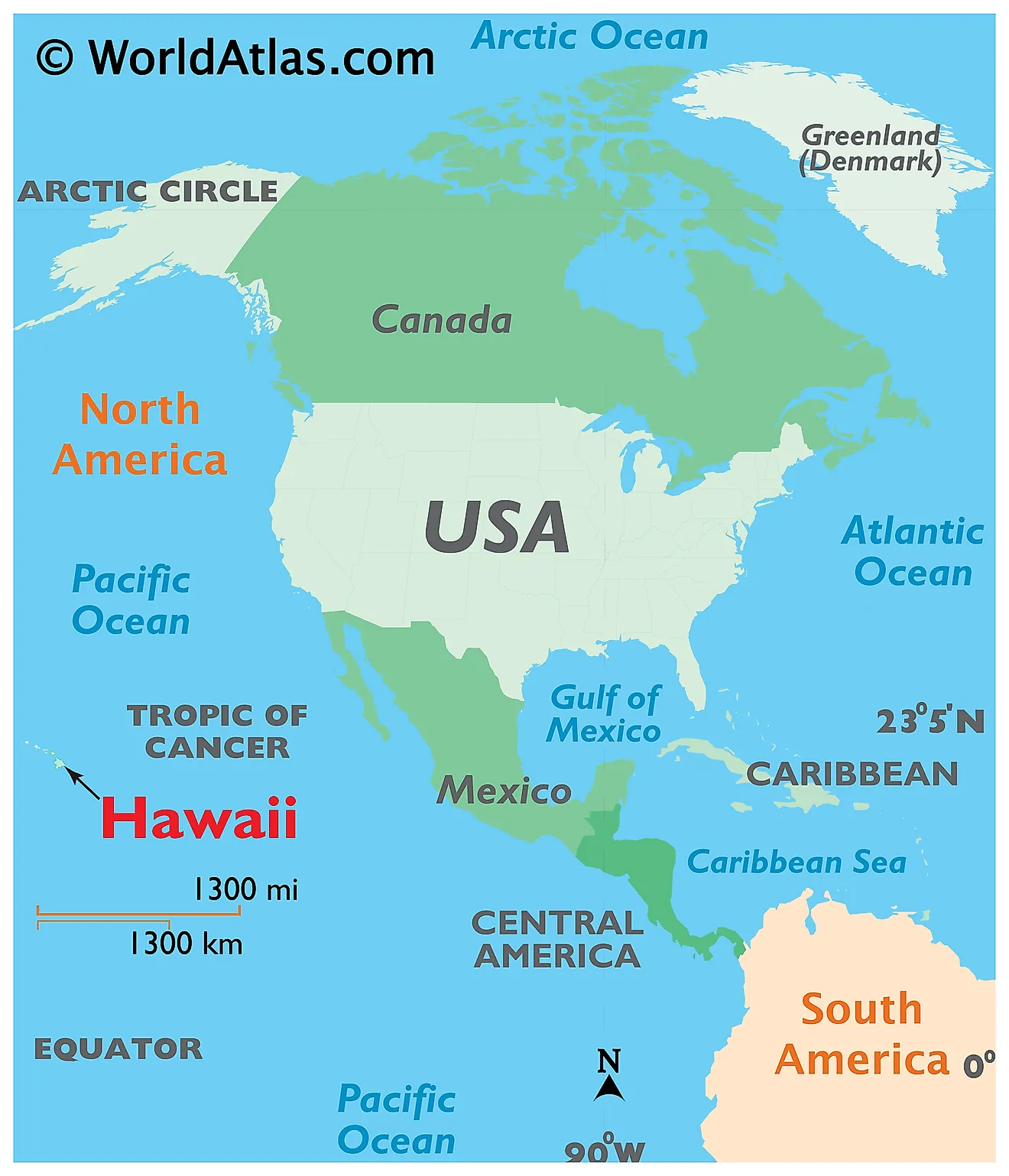
To answer the question of which country is closest to Hawaii, one must look south toward the equator. While many assume the answer would be Canada or Mexico due to their proximity to the North American continent, the reality is found in the heart of Micronesia and Polynesia.
Identifying the Sovereign Neighbor: Kiribati
The sovereign nation closest to Hawaii is Kiribati. Specifically, the Line Islands chain of Kiribati contains the island of Kiritimati, also known as Christmas Island. Located approximately 1,300 miles south of Honolulu, Kiritimati is a remote destination that shares deep cultural and ecological ties with the Hawaiian Islands.
For the intrepid traveler, Kiribati offers a glimpse into a world largely untouched by mass tourism. There are limited commercial flights connecting Honolulu to Cassidy International Airport on Christmas Island, often operated by Fiji Airways. This route is a favorite for world-class fly-fishing enthusiasts and those seeking the ultimate “off-the-grid” experience. The proximity highlights the central role Hawaii plays as a jumping-off point for exploring the wider Oceania region.
The Proximity to the United States Mainland
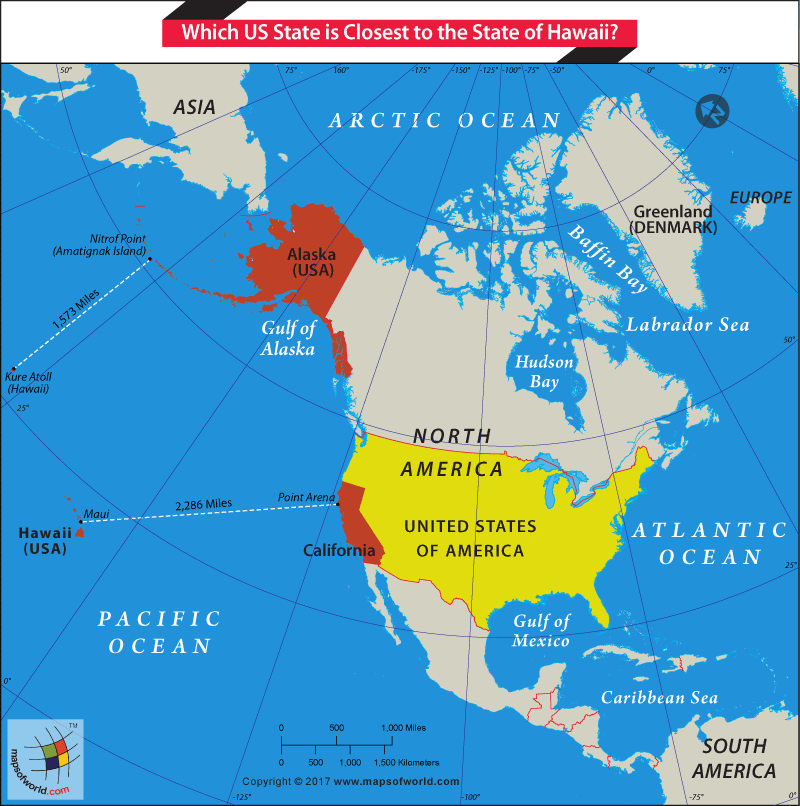
While Kiribati is the closest foreign country, the closest landmass of the United States is the state of California. The distance from Honolulu to San Francisco is roughly 2,400 miles. For travelers, this stretch of ocean represents one of the most traveled corridors in the world. Whether flying from Los Angeles, San Diego, or San Jose, the flight typically takes between five and six hours.
Understanding this distance is crucial for those staying at resorts like the Hilton Hawaiian Village or the Aulani Disney Resort. Despite being part of the same country, the journey involves crossing several time zones and a significant portion of the Pacific Ocean, reinforcing the feeling that Hawaii is a destination that requires dedicated travel time.
Regional Neighbors and Trans-Pacific Travel
Expanding the lens beyond the absolute closest neighbor, Hawaii sits at a strategic crossroads between North America and Asia. This position makes it a premier destination for international tourists from several surrounding nations.
Canada and the Northern Route
Canada is the second-closest major sovereign nation to Hawaii. The city of Vancouver in British Columbia is approximately 2,700 miles from Oahu. This proximity has fostered a massive travel market, especially during the winter months when “snowbirds” from Western Canada seek the warmth of Maui and Kauai.
Travelers from Vancouver or Victoria often find that Hawaii is more accessible than many Caribbean destinations. Direct flights into Kahului Airport or Daniel K Inouye International Airport make the Hawaiian Islands a primary vacation choice for Canadians. The cultural exchange is evident in the presence of Canadian brands and the frequent sightings of the Maple Leaf flag in popular areas like Waikiki Beach.
Japan: The Western Gateway
To the west, Japan is the most significant international neighbor in terms of cultural influence and tourism volume. Though the distance from Tokyo to Honolulu is about 3,800 miles, the two locations are inextricably linked. For many Japanese citizens, Hawaii is the quintessential overseas vacation.
The influence of Japan is visible throughout Honolulu, from the Byodo In Temple in the Valley of the Temples to the luxury shopping boutiques at the Ala Moana Center. Major carriers like Japan Airlines and All Nippon Airways operate frequent daily flights, making Honolulu a bustling hub of East Asian activity. For a traveler, this means that Hawaii offers a unique fusion of American and Japanese hospitality that is hard to find anywhere else.
Mexico and the Southern Reach
Mexico is another close neighbor, with the Baja California peninsula sitting roughly 2,900 miles to the east-southeast of the Big Island. While there are fewer direct flights between Mexico and Hawaii compared to the United States or Japan, the geographical proximity is notable. Some long-range cruise itineraries that depart from Ensenada or Puerto Vallarta include stops in Hilo or Kailua Kona, offering a unique way to traverse the Pacific.
Island Nations and Territories of the Pacific
Beyond sovereign states, Hawaii is surrounded by several island territories and nations that make up the fabric of Polynesia and Micronesia. These destinations are often part of larger “island-hopping” expeditions for luxury travelers and researchers.
The Marshall Islands and Micronesia
To the southwest of Hawaii lie the Marshall Islands. The flight from Honolulu to Majuro, the capital of the Marshall Islands, is a legendary route known as the “Island Hopper” operated by United Airlines. This flight stops at several remote atolls, including Kwajalein Atoll, Kosrae, Pohnpei, and Chuuk, before reaching Guam.
For travelers interested in World War II history, this region is a goldmine. While Pearl Harbor on Oahu is the most famous site, the nearby Marshall Islands and the Federated States of Micronesia offer incredible diving opportunities among sunken shipwrecks and coral reefs that are some of the most pristine in the world.
French Polynesia and the South Pacific Connection
French Polynesia, an overseas collectivity of France, is another significant neighbor. The distance from Honolulu to Papeete on the island of Tahiti is about 2,700 miles. This connection is culturally vital, as the ancient settlers of Hawaii are believed to have traveled from the Marquesas Islands and Tahiti via double-hulled voyaging canoes.
Today, Hawaiian Airlines operates a weekly flight between Honolulu and Tahiti, allowing travelers to experience the two different sides of Polynesia. While Hawaii offers a blend of American infrastructure and Native Hawaiian culture, French Polynesia provides a European flair with overwater bungalows in Bora Bora and Moorea.
Practical Implications for International Travelers
Knowing the closest countries to Hawaii is essential for logistics, especially when considering flight paths and entry requirements.
Flight Times and Long-Haul Logistics
Because Hawaii is so far from any mainland, flights are generally longer than domestic travelers might expect. From the United States East Coast, cities like New York City or Atlanta involve a flight of 10 to 11 hours. From Sydney, Australia or Auckland, New Zealand, the flight is approximately 9 to 10 hours.
For many international visitors, Hawaii serves as a “stopover” destination. Travelers moving between Australia and the United States mainland often spend a few days at the Royal Hawaiian Hotel or the Moana Surfrider to break up the long journey. This role as a mid-Pacific oasis is one of Hawaii’s greatest strengths as a travel destination.
The Role of Hawaii as a Mid-Pacific Hub
Honolulu is more than just a capital city; it is a vital hub for the entire Pacific basin. The Daniel K Inouye International Airport serves as a primary gateway for goods and people traveling between North America and Oceania.
For those visiting the islands, this means that even though you are in a remote location, you have access to international amenities. Whether you are exploring the North Shore of Oahu or hiking through Hawaii Volcanoes National Park on the Big Island, the connectivity to Japan, Canada, and the United States ensures a high level of service and accessibility.
In conclusion, while Kiribati holds the title of the closest sovereign nation to Hawaii, the state’s proximity to Canada, Japan, and the United States mainland defines its character as a global travel destination. The vast distances of the Pacific Ocean do not act as a barrier but rather as a scenic backdrop for one of the most unique and culturally rich archipelagos on the planet. Whether you are arriving from Vancouver, Tokyo, or Los Angeles, the journey to Hawaii is a testament to the enduring allure of the Pacific. From the historic sites of Diamond Head to the lush cliffs of the Na Pali Coast on Kauai, Hawaii remains a central point in a very large, very beautiful neighborhood.
LifeOutOfTheBox is a participant in the Amazon Services LLC Associates Program, an affiliate advertising program designed to provide a means for sites to earn advertising fees by advertising and linking to Amazon.com. Amazon, the Amazon logo, AmazonSupply, and the AmazonSupply logo are trademarks of Amazon.com, Inc. or its affiliates. As an Amazon Associate we earn affiliate commissions from qualifying purchases.