
In the turquoise waters surrounding the archipelago of Hawaii, a vibrant ecosystem thrives, housing some of the most unique marine life in the United States. Among the schools of colorful inhabitants, one species stands out not just for its striking appearance but for its iconic, multi-syllabic name and its deep roots in local culture. The state fish of Hawaii is the rectangular triggerfish, known locally as the humuhumunukunukuapuaʻa.
While visitors to Honolulu or Waikiki may find the name a mouthful to pronounce, this fish is a beloved symbol of the islands’ natural heritage. Understanding the humuhumunukunukuapuaʻa is more than just a biological exercise; it is an entry point into the rich history, linguistics, and environmental consciousness of Polynesia. For tourists and residents alike, spotting one while snorkeling at Hanauma Bay Nature Preserve or off the coast of Maui is often a highlight of their aquatic adventures.
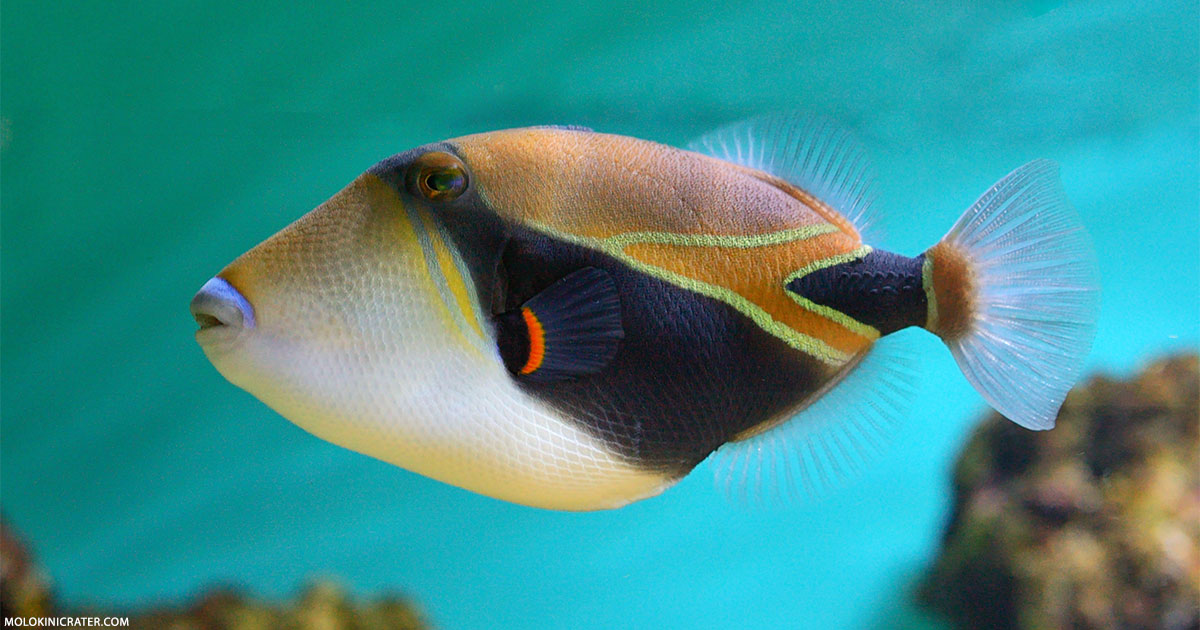
The Cultural Icon: Understanding the Humuhumunukunukuapuaʻa
The humuhumunukunukuapuaʻa (Rhinecanthus rectangulus) officially became the state fish of Hawaii in 1984. However, its journey to permanent status was as colorful as its scales. The initial designation was only for a five-year period, and when the law expired in 1990, the state was technically without an official fish. It wasn’t until 2006, after a massive wave of public support and a campaign by schoolchildren, that it was permanently reinstated by the state legislature.
Linguistic Origins and Meaning
The name humuhumunukunukuapuaʻa is often cited as one of the longest words in the Hawaiian language. To break it down, “humuhumu” is the generic name for all triggerfish. The second half of the name, “nukunukuapuaʻa,” literally translates to “snout like a pig.” This moniker is remarkably accurate, as the fish makes a grunting sound when it is stressed or captured, remarkably similar to a pig’s oink.
In Hawaiian culture, names are deeply descriptive and often carry stories of the environment. The name reflects the sharp observational skills of the ancient Hawaiians, who categorized their natural world with precision. For modern travelers visiting the Big Island or Kauai, learning the name is a sign of respect for the local culture and a fun challenge that bridges the gap between tourist and resident.
Legend and Folklore
The humuhumunukunukuapuaʻa is also intertwined with Hawaiian mythology, specifically the legend of Kamapuaʻa. Kamapuaʻa was a powerful demigod who could shift his shape between a man and a giant boar. Legend has it that during a fierce battle with Pele, the fire goddess of the volcano, Kamapuaʻa transformed into the reef triggerfish to escape her wrath and hide in the cool ocean waters.
Because of this legend, the fish is often associated with resilience and adaptability. When you are staying at a luxury destination like the Aulani Resort or the Hilton Hawaiian Village, you might see artwork or educational displays referencing this story. It adds a layer of mystical depth to the simple act of watching fish dart through the coral reefs of the Pacific Ocean.
Physical Characteristics and Behavior of the Reef Triggerfish
Beyond its cultural status, the humuhumunukunukuapuaʻa is a marvel of evolutionary design. It belongs to the Balistidae family, known for their distinctively shaped bodies and specialized fins. They are generally found in shallow outer reef habitats, making them easily accessible to anyone interested in tourism activities like snorkeling or shore diving.
Identifying the Humuhumunukunukuapuaʻa
To identify the state fish while exploring the waters of Oahu or Lanai, look for a fish roughly eight to ten inches long with a triangular-shaped body. Its coloration is striking: a tan body with dark brown bands, a black patch near the tail, and a vibrant blue “mustache” line across its snout. The fish also features a yellow “V” shape on its side that looks like a chevron.
Their eyes are set high on their heads and can move independently, allowing them to scan for predators and prey simultaneously. This is particularly useful in the competitive environment of the Hawaiian reefs. While they are not typically used in modern Hawaiian cuisine, their unique appearance makes them a primary subject for underwater photography near Sharks Cove or Tunnels Beach.
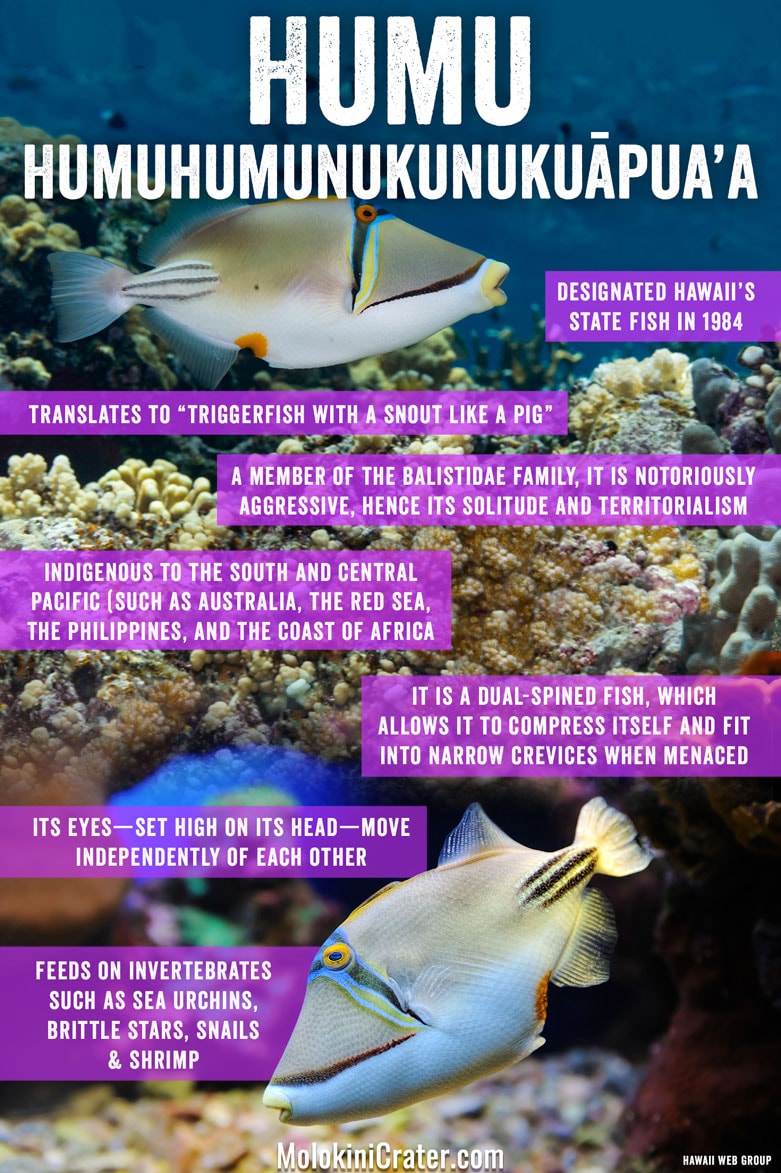
Defending the Reef: Unique Traits
The “trigger” in triggerfish refers to a specialized dorsal fin. The fish has three dorsal spines; the first is large and strong, and the second acts as a locking mechanism. When threatened, the humuhumunukunukuapuaʻa will dive into a small crevice in the coral and “lock” its spine into place. This makes it nearly impossible for a predator to pull the fish out of its hiding spot.
Furthermore, they are known for their somewhat territorial behavior. While they are small, they are not afraid to defend their nesting sites. If you are snorkeling near Poipu Beach Park and notice a small fish darting toward you, it is likely a triggerfish telling you to keep your distance. They use their powerful teeth, which are strong enough to crush sea urchins and crabs, to graze on the reef and occasionally nibble on curious intruders.
Where to Encounter the State Fish: Top Snorkeling Activities in Hawaii
For those traveling to the islands specifically for marine life, certain locations offer a much higher probability of seeing the humuhumunukunukuapuaʻa in its natural habitat. Most of these spots are protected marine life conservation districts, ensuring that the water remains clear and the ecosystem remains healthy.
Molokini Crater and Hanauma Bay
One of the most famous snorkeling destinations in the world is Molokini Crater, a crescent-shaped volcanic caldera off the coast of Maui. Because the crater is a protected sanctuary, the fish here are less skittish than in other areas. The clear, deep blue waters provide high visibility, making it easy to spot the distinctive yellow and black markings of the reef triggerfish.
On the island of Oahu, Hanauma Bay Nature Preserve remains the premier spot for land-based snorkeling. Just a short drive from Honolulu, this bay is a literal nursery for tropical fish. Because the bay is shallow, it is the perfect place for families staying at Waikiki hotels to introduce their children to the state fish without needing a boat tour.
Kealakekua Bay on the Big Island
On the Big Island, specifically near Kona, Kealakekua Bay offers some of the most pristine coral reefs in the state. This area is historically significant as the site where Captain Cook first made contact with the islands. Today, it is a haven for the humuhumunukunukuapuaʻa. The calm waters and vibrant coral gardens allow visitors to watch the fish graze on algae and small invertebrates along the ocean floor.
Responsible Tourism and Marine Conservation
As the popularity of Hawaii as a global destination grows, the pressure on its marine environments increases. Protecting the state fish and its habitat is a top priority for local authorities and conservationists. When planning a trip to Hilo or any of the outer islands, visitors are encouraged to practice “pono” (righteous) tourism.
Protecting Hawaii’s Underwater Ecosystems
The coral reefs are the lifeblood of the humuhumunukunukuapuaʻa. Unfortunately, coral bleaching and physical damage from anchors or swimmers threaten these structures. Hawaii was the first state in the United States to ban sunscreens containing chemicals like oxybenzone and octinoxate, which are harmful to coral. Using reef-safe sunscreen is a simple but vital step every tourist can take to ensure the survival of the state fish.
Additionally, many resorts, such as the Grand Hyatt Kauai Resort and Spa, have implemented educational programs to teach guests about the local marine life. These initiatives help visitors understand that they are entering a fragile home when they step into the ocean.
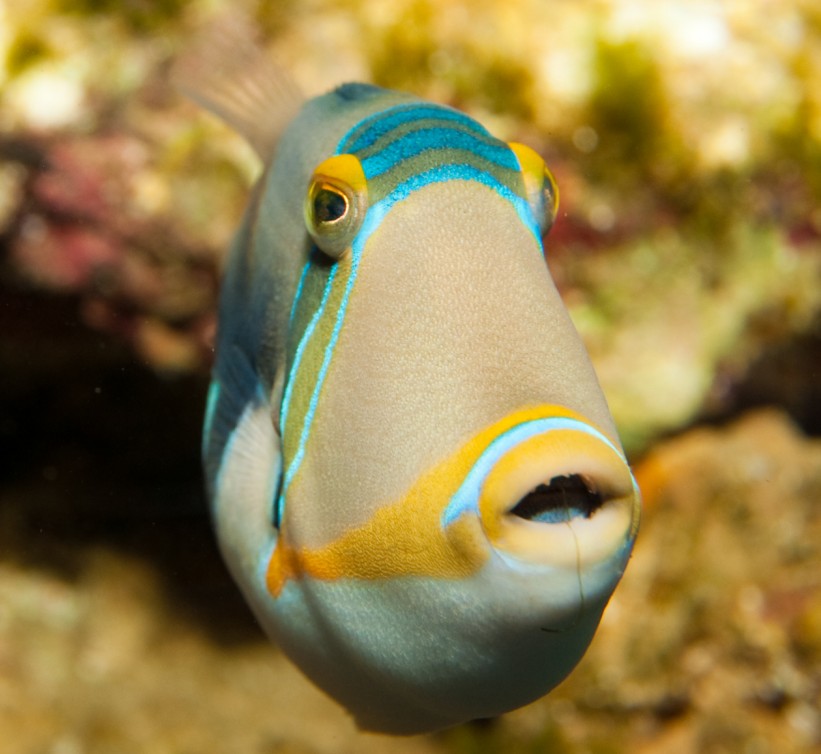
Sustainable Tourism Tips for Visitors
If you are planning to view the humuhumunukunukuapuaʻa, keep the following tips in mind to ensure a respectful experience:
- Maintain Your Distance: Never try to touch or feed the fish. Feeding disrupts their natural diet and can make them aggressive.
- Look, Don’t Touch: Avoid stepping on the coral. Not only does this kill the living organisms that make up the reef, but it can also be dangerous, as some fish—including the triggerfish—may bite if they feel their home is being trampled.
- Use Mineral-Based Sunscreen: Protect the water quality by choosing products that use zinc oxide or titanium dioxide.
- Support Local Guides: Book your snorkeling or diving excursions with companies that are certified as sustainable tour operators.
The humuhumunukunukuapuaʻa is more than just a biological specimen; it is a vibrant ambassador for the spirit of Hawaii. Whether you are exploring the rugged coastline of Molokai or enjoying the amenities of a luxury resort on Oahu, the state fish serves as a constant reminder of the beauty and complexity of the natural world. By learning its name and respecting its habitat, travelers contribute to the ongoing story of this remarkable island chain.
LifeOutOfTheBox is a participant in the Amazon Services LLC Associates Program, an affiliate advertising program designed to provide a means for sites to earn advertising fees by advertising and linking to Amazon.com. Amazon, the Amazon logo, AmazonSupply, and the AmazonSupply logo are trademarks of Amazon.com, Inc. or its affiliates. As an Amazon Associate we earn affiliate commissions from qualifying purchases.