
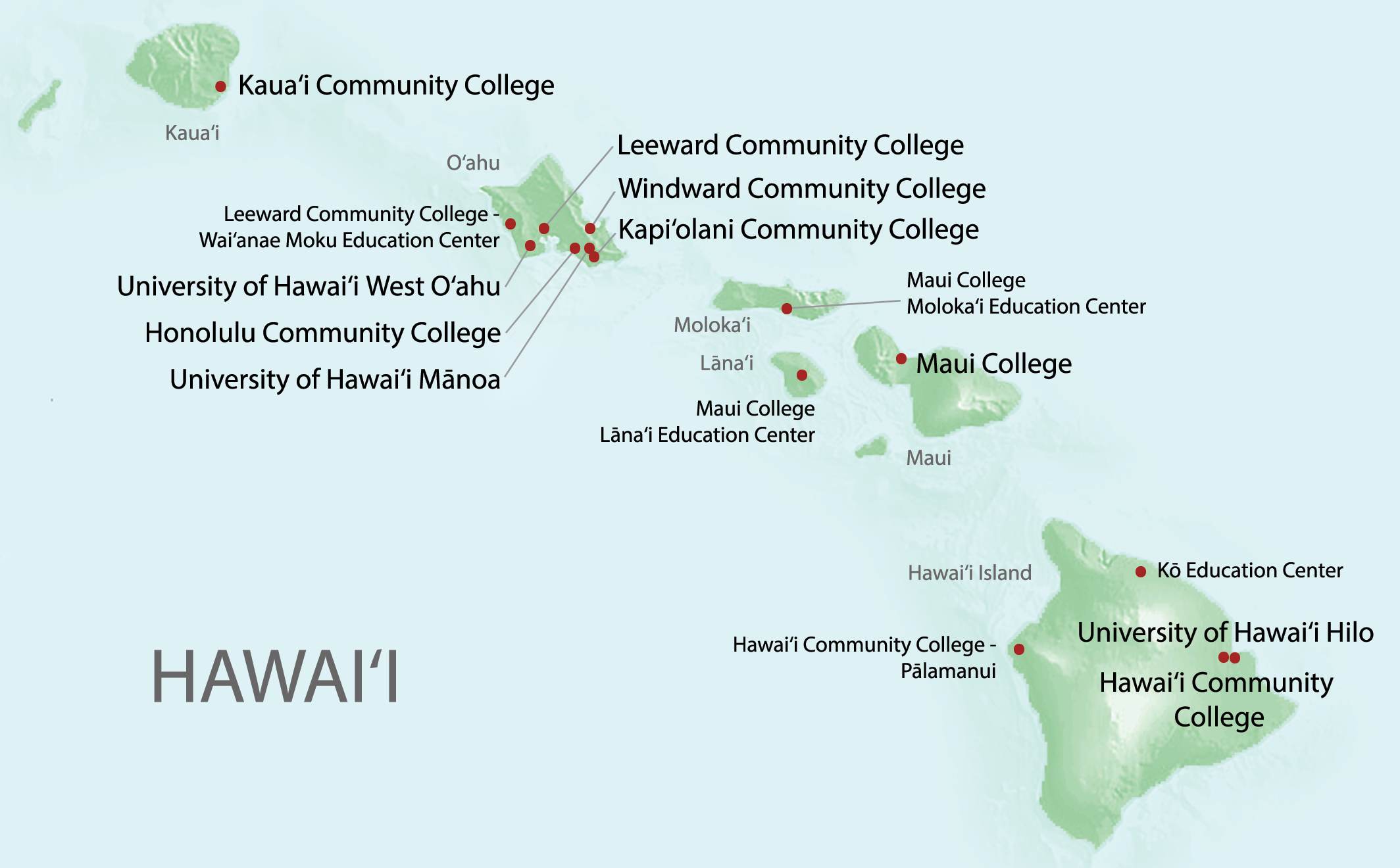
The University of Hawaii system is a unique educational and cultural network that spans the entire Hawaiian Islands archipelago. While many visitors and prospective students often ask which specific island the university is located on, the answer is more complex than a single geographical point. The system is comprised of several distinct campuses, each serving as a landmark of academic excellence and cultural preservation across Oahu, Hawaii Island, Maui, and Kauai. These institutions are not merely schools; they are architectural and historical landmarks that define the landscape of the United States presence in the central Pacific Ocean.
The Flagship Landmark: University of Hawaii at Manoa on Oahu
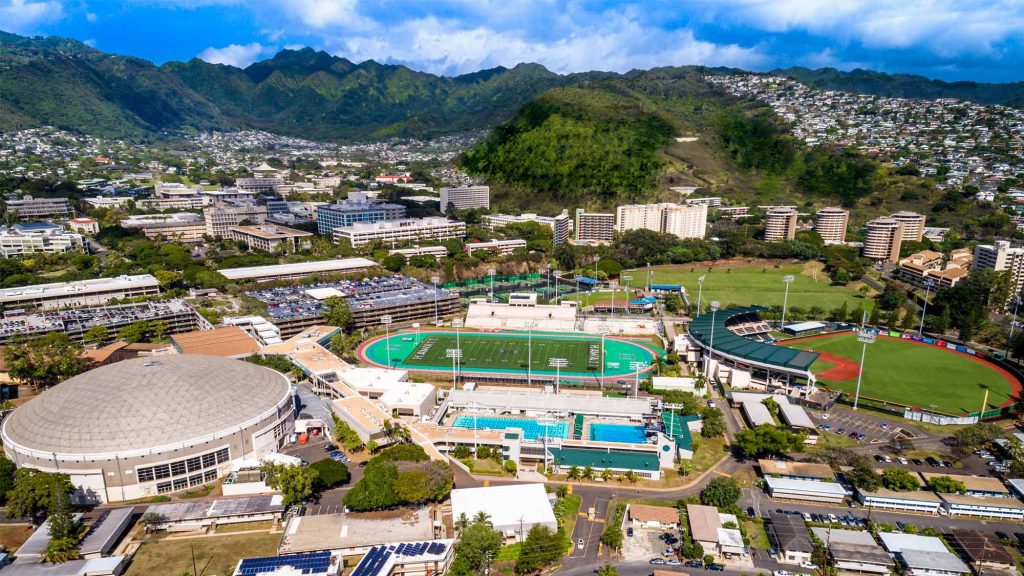
The most recognized branch of the system is the University of Hawaii at Manoa, located on the island of Oahu. Situated in the lush, verdant Manoa Valley, just a few miles from the bustling urban center of Honolulu, this campus serves as the flagship institution. It is a landmark of higher education in the Pacific region, boasting a rich history that dates back to its founding in 1907.
Architecture and Historic Grounds
The University of Hawaii at Manoa is home to several structures that are considered architectural landmarks. Hawaii Hall, the first permanent building on the campus, stands as a testament to the early 20th-century neoclassical style that influenced much of the public architecture in Hawaii during that era. Its stately white columns and proximity to the Varney Circle fountain make it one of the most photographed spots on the island.
Another significant landmark within the campus is the East-West Center. Established by the United States Congress in 1960, this institution was designed by the world-renowned architect I.M. Pei. The center’s buildings, particularly Jefferson Hall, are landmarks of modernist design, blending functionalism with aesthetic harmony. The surrounding Japanese Garden, complete with a koi pond and traditional tea house, serves as a serene landmark of cultural fusion between the United States and Asia.
Natural Landmarks and Research Facilities
Beyond the man-made structures, the Manoa campus is a gateway to significant natural landmarks. The Lyon Arboretum, managed by the university, is a 194-acre botanical landmark located at the back of the valley. It houses thousands of tropical plant species and serves as a critical site for the conservation of Hawaiian flora.
For those interested in marine landmarks, the Waikiki Aquarium, located on the shoreline of Waikiki near Diamond Head, is also part of the university. Founded in 1904, it is the second oldest public aquarium in the United States and stands as a landmark of marine biology and education, showcasing the vibrant coral reefs of Polynesia.
Astronomical Landmarks: University of Hawaii at Hilo on the Big Island
On the Big Island (officially known as Hawaii Island), the University of Hawaii at Hilo serves as a different kind of landmark. While Oahu focuses on urban and international relations, the Hilo campus is intrinsically linked to the celestial and volcanic landmarks of the island.
The Gateway to Mauna Kea
The University of Hawaii at Hilo is world-famous primarily for its proximity to Mauna Kea, a dormant volcano that is the highest point in the state. Mauna Kea is a global landmark for astronomy, housing some of the world’s most powerful telescopes. The university manages the Mauna Kea Science Reserve, making the campus a central landmark for international space research.
In the city of Hilo, the Imiloa Astronomy Center stands as a striking architectural landmark. Its distinctive titanium-clad cones represent the three largest volcanoes on the island: Mauna Kea, Mauna Loa, and Hualalai. The center is a landmark of indigenous knowledge, bridging the gap between traditional Hawaiian navigation and modern astrophysics.
Proximity to Volcanic Landmarks
The Hilo campus also benefits from its location near Hawaii Volcanoes National Park. As a landmark of geology, the park provides a living laboratory for students and researchers. The university’s involvement in monitoring volcanic activity at Kilauea reinforces its status as a landmark institution for earth sciences. The campus itself, with its lush tropical landscaping, mirrors the diverse ecosystems found only on the Big Island.
Island Hubs: Maui College and Kauai Community College
The University of Hawaii system extends its landmark presence to the islands of Maui and Kauai, where the campuses are central to the local community and the preservation of island-specific history.
University of Hawaii Maui College
Located in Kahului, the University of Hawaii Maui College is a landmark of sustainable innovation. The campus has gained international attention for its “net-zero” energy goals, utilizing solar arrays and battery storage to power its facilities. This makes the college a modern landmark for green architecture in the State of Hawaii.
The college also serves as a cultural landmark for the island of Maui. It is home to the Maui Arts and Cultural Center, though the two are separate entities that work closely together. The campus provides a panoramic view of Haleakala, the massive shield volcano that defines the eastern half of the island and stands as one of the most iconic natural landmarks in the North Pacific.
Kauai Community College
On the “Garden Isle,” Kauai Community College sits near the town of Lihue. This campus is a landmark of agricultural and ecological studies. Kauai is home to some of the rarest plant species on Earth, and the college acts as a guardian landmark for this biodiversity. The campus architecture is designed to blend into the surrounding tropical landscape, emphasizing the island’s reputation for natural beauty.
The college is also a landmark of history, located near the Huleia National Wildlife Refuge and the historic Menehune Fishpond. These nearby landmarks provide a rich context for students studying Hawaiian history and environmental science.
Regional Landmarks: West Oahu and the Community Colleges
The reach of the University of Hawaii system includes several other landmark sites that are essential to the fabric of Oahu and the neighboring islands of Molokai and Lanai.
University of Hawaii – West Oahu
One of the newest landmark developments in the system is University of Hawaii – West Oahu, located in Kapolei. Kapolei is often referred to as the “Second City” of Oahu, and the university campus is its crown jewel. The campus features contemporary architecture inspired by the agricultural history of the Ewa Plain. The design incorporates Hawaiian concepts of land management, making the entire campus a landmark of indigenous-integrated urban planning.
Honolulu Community College and Kapiolani Community College
Within the urban core of Honolulu, Honolulu Community College stands as a landmark of technical and vocational training. It is located near the Iwilei district, a historic industrial landmark of the city.
Meanwhile, Kapiolani Community College is perched on the slopes of Diamond Head (Leahi). This campus is a landmark for culinary arts and hospitality, overlooking the Pacific Ocean and the world-famous Waikiki skyline. The Farmers’ Market held on its grounds every Saturday has become a modern culinary landmark, attracting thousands of visitors who come to taste the local flavors of Hawaii.
Windward and Leeward Landmarks
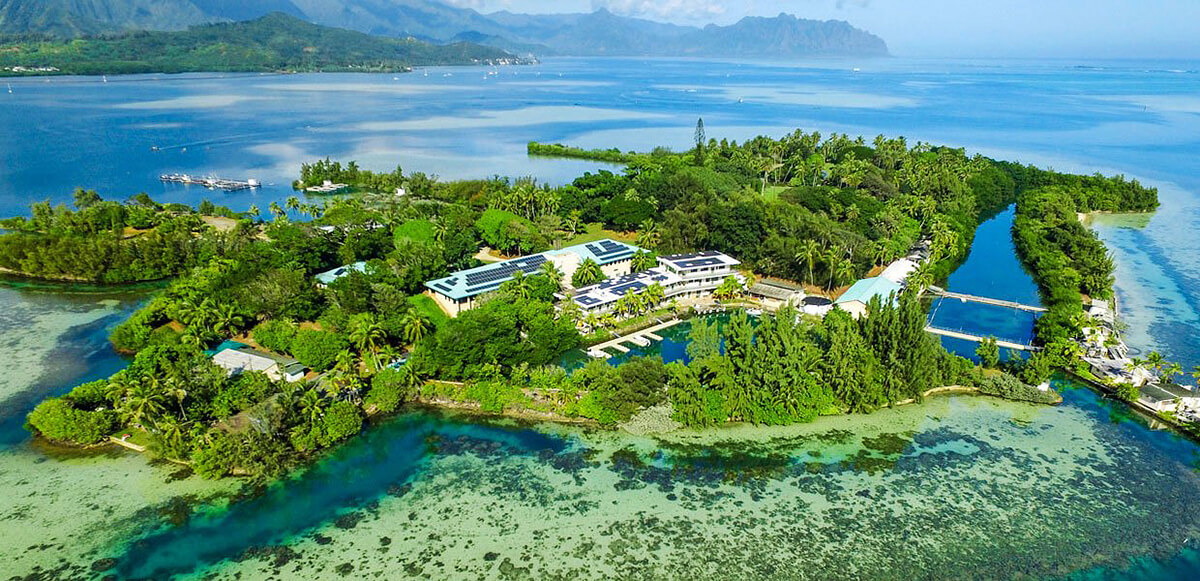
On the opposite side of the Koolau Range, Windward Community College in Kaneohe is a landmark of the arts. The campus is home to the Paliku Theatre and the Gallery Iolani, which are premier cultural landmarks for the windward side of Oahu. The backdrop of the jagged, emerald-green Koolau Mountains makes this one of the most visually stunning academic landmarks in the world.
Similarly, Leeward Community College in Pearl City serves as a landmark overlooking Pearl Harbor. Its proximity to the USS Arizona Memorial and other historic naval landmarks provides a somber and significant historical context to the institution.
In conclusion, the University of Hawaii is not restricted to a single island. It is a constellation of landmarks scattered across the Hawaiian Islands. From the historic halls of Manoa on Oahu to the astronomical heights of Mauna Kea on the Big Island, and from the sustainable initiatives in Maui to the botanical riches of Kauai, the university system stands as a multifaceted landmark of the Pacific. Each campus offers a unique window into the history, architecture, and natural wonders of Hawaii, making them essential destinations for anyone exploring the cultural and intellectual landscape of the islands.
LifeOutOfTheBox is a participant in the Amazon Services LLC Associates Program, an affiliate advertising program designed to provide a means for sites to earn advertising fees by advertising and linking to Amazon.com. Amazon, the Amazon logo, AmazonSupply, and the AmazonSupply logo are trademarks of Amazon.com, Inc. or its affiliates. As an Amazon Associate we earn affiliate commissions from qualifying purchases.