
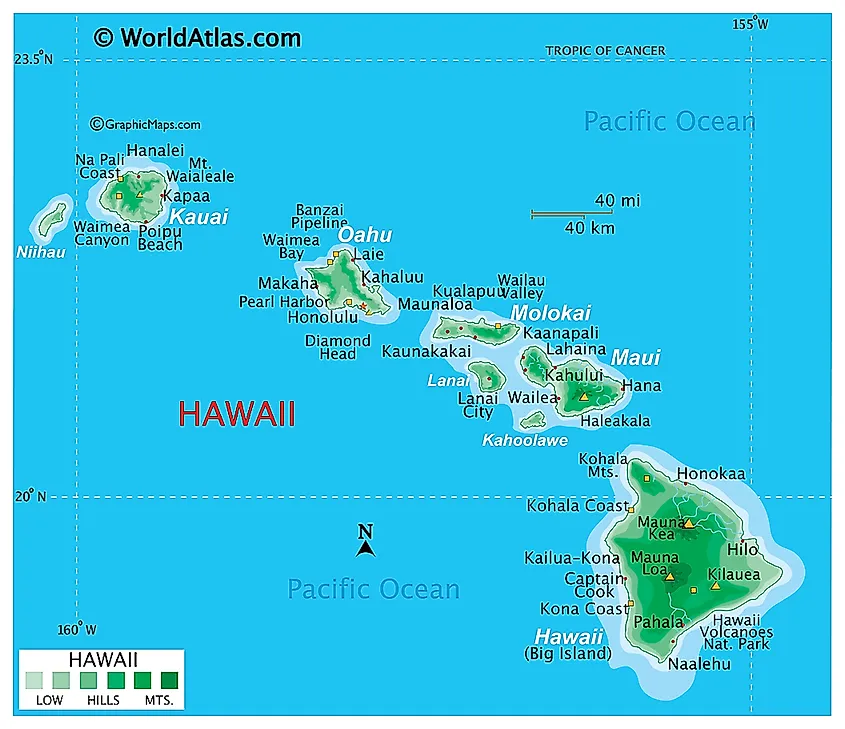
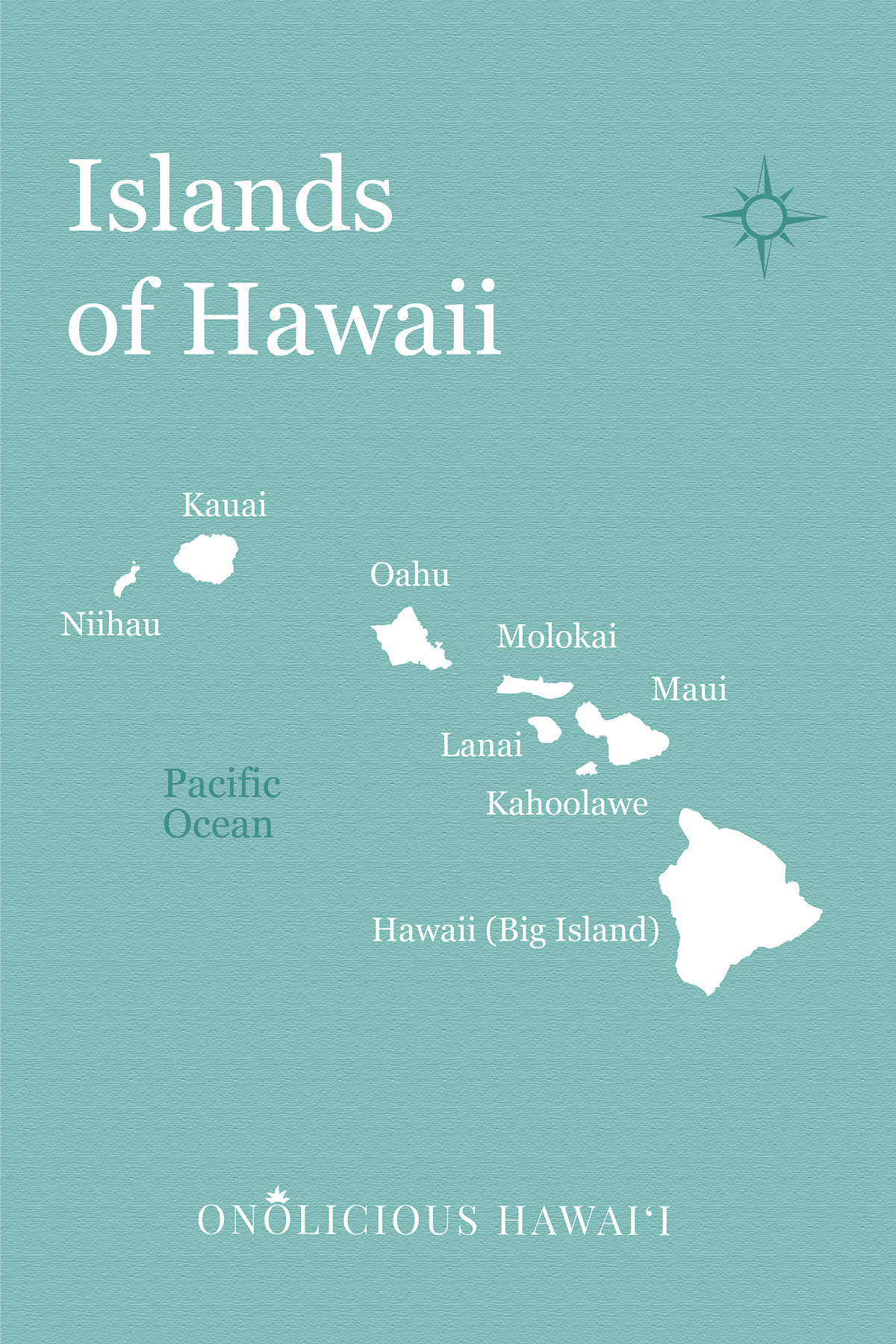
The archipelago of Hawaii represents one of the most geographically isolated and stunningly beautiful destinations in the United States. Located in the heart of the Pacific Ocean, this chain of volcanic islands stretches over 1,500 miles, though travelers primarily focus on the eight main islands that form the southeastern end of the chain. Each island possesses a distinct personality, topography, and range of experiences, making the choice of which to visit a central part of any travel itinerary to the Aloha State.
The Major Inhabited Islands: A Traveler’s Guide
Of the 137 islands, islets, and atolls that make up the state, six are primary destinations for international and domestic travelers. From the bustling metropolitan streets of Honolulu to the silent, red-dirt canyons of Kauai, these islands offer a diverse spectrum of tropical exploration.
Oahu: The Gathering Place
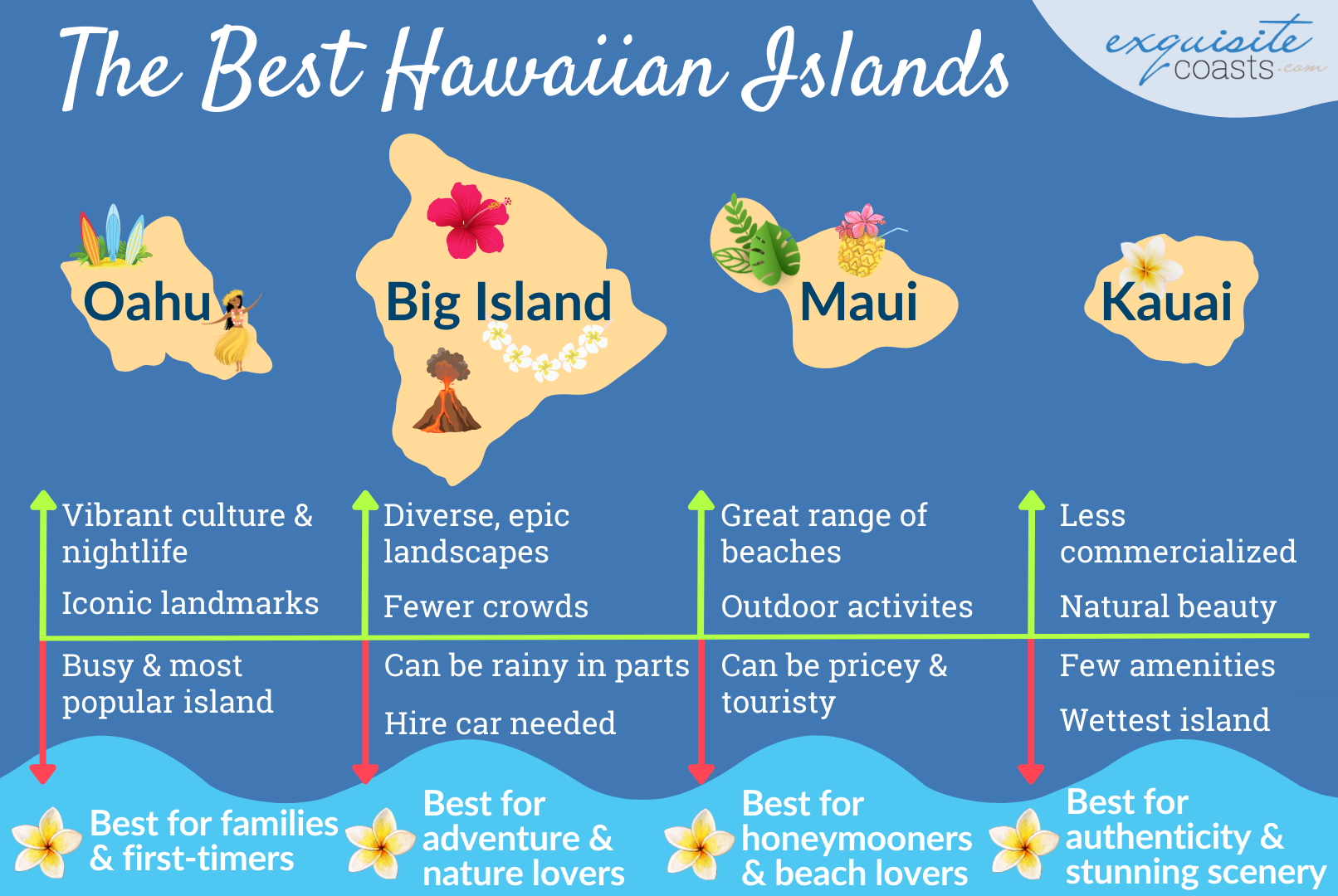
Oahu is the most populous island and the primary entry point for most visitors arriving via Daniel K. Inouye International Airport. It is an island of contrasts, where the urban energy of Waikiki Beach meets the laid-back surf culture of the North Shore.
Travelers often begin their journey in the capital city, exploring landmarks like Pearl Harbor and the USS Arizona Memorial. For those interested in history, a visit to Iolani Palace—the only royal palace on American soil—is essential. Nature enthusiasts can hike the trail at Diamond Head State Monument for a panoramic view of the coastline or snorkel in the protected waters of Hanauma Bay Nature Preserve. During the winter months, the island’s northern coast becomes a theater for world-class surfing at the Banzai Pipeline and Waimea Bay.
Maui: The Valley Isle
Maui is frequently voted as a top travel destination for its balance of luxury resorts and raw natural beauty. The island is defined by two dormant volcanoes, with a fertile isthmus between them that gives it its nickname.
The most iconic experience on the island is driving the Road to Hana, a winding coastal highway featuring hundreds of curves, dozens of one-lane bridges, and countless waterfalls. On the eastern side of the island, Haleakala National Park offers the chance to stand atop a 10,023-foot summit to witness a sunrise above the clouds. For coastal relaxation, the resort areas of Wailea and Kaanapali Beach provide high-end amenities, while the historic Lahaina Town serves as a hub for whale watching tours during the winter. Offshore, the crescent-shaped Molokini Crater provides some of the clearest snorkeling and diving conditions in Polynesia.
Kauai: The Garden Isle
As the oldest of the main islands, Kauai has been sculpted by time and erosion into a masterpiece of emerald cliffs and deep valleys. It is the destination of choice for hikers, photographers, and those seeking a quieter, more rustic experience.
The island’s crown jewel is the Na Pali Coast State Wilderness Park, a 17-mile stretch of towering sea cliffs that are inaccessible by car. Travelers can view this majestic coastline via boat tours, helicopter excursions, or by hiking the challenging Kalalau Trail. On the western side of the island, Waimea Canyon State Park, often called the “Grand Canyon of the Pacific,” offers dramatic vistas of red earth and lush greenery. The north shore’s Hanalei Bay and the south shore’s Poipu Beach provide contrasting coastal vibes, from misty mountains to sun-drenched sands.
Hawaii Island: The Big Island
Twice the size of all other Hawaiian Islands combined, Hawaii Island (commonly called the Big Island) is a land of geological wonder. It contains 8 of the world’s 13 climate zones, ranging from tropical rainforests to arid deserts and even sub-alpine locales.
The primary attraction is Hawaii Volcanoes National Park, home to Kilauea and Mauna Loa. Here, visitors can witness the awesome power of volcanic activity and explore ancient lava tubes. For stargazers, Mauna Kea offers one of the best astronomical vantage points on the planet. The island is also famous for its unique beaches, including the Punaluu Black Sand Beach. Travelers typically split their time between the lush, rainy city of Hilo on the east and the sunny, coffee-growing region of Kailua-Kona on the west.
Exploring the Lesser-Visited Gems
Beyond the four major tourist hubs lie islands that offer a glimpse into a slower pace of life, deeply rooted in tradition and seclusion. These islands are perfect for those who have already seen the main sights and wish to delve deeper into the archipelago’s character.
Molokai: The Friendly Isle
Molokai remains largely untouched by mass tourism. There are no traffic lights, no high-rise hotels, and a strong emphasis on preserving Native Hawaiian culture. One of the most significant sites on the island is Kalaupapa National Historical Park, located on an isolated peninsula at the base of some of the world’s tallest sea cliffs. Access to this historic settlement is strictly regulated and usually requires a guided tour. Visitors to Molokai often spend their time at Papohaku Beach, one of the largest white-sand beaches in the state, or exploring the lush Halawa Valley.
Lanai: The Pineapple Isle
Once a massive pineapple plantation owned by the Dole Food Company, Lanai has transformed into a private paradise for luxury seekers. Much of the island is now owned by Larry Ellison, and it features high-end resorts like the Four Seasons Resort Lanai. Despite the luxury, much of the island remains rugged. Travelers can rent 4WD vehicles to explore Keahiakawelo, also known as the Garden of the Gods, a rock garden of otherworldly formations. Hulopoe Bay offers world-class snorkeling and a chance to spot spinner dolphins in the protected marine preserve.
Niihau and Kahoolawe: The Forbidden and Protected
The final two of the eight main islands are generally off-limits to conventional travel. Niihau, known as the “Forbidden Isle,” is privately owned and dedicated to preserving Hawaiian heritage and language. Access is limited to invited guests and specific helicopter or hunting tours. Kahoolawe, the smallest of the eight, was once used as a military training ground and bombing range. Today, it is a reserve used exclusively for Native Hawaiian spiritual and cultural purposes, with intensive restoration efforts underway to heal the island’s landscape.
Essential Travel Tips for the Hawaiian Islands
Navigating an archipelago requires more planning than a typical mainland vacation. To maximize a trip to Hawaii, understanding the logistics of island-hopping and local customs is vital for a respectful and smooth experience.
Island-Hopping Logistics
While it may be tempting to see every island in one trip, most seasoned travelers recommend at least four to five days per island to truly appreciate the environment. There are no passenger ferries between most islands, with the exception of a limited service between Maui and Lanai. Therefore, travel between islands is almost exclusively done via short flights. Hawaiian Airlines and Mokulele Airlines are the primary carriers, providing frequent “inter-island” shuttle flights that last between 20 to 50 minutes.
The Best Time to Visit
Hawaii is a year-round destination, but the “best” time depends on your travel goals. For those seeking the warmest weather and calmest seas for snorkeling, the summer months of June through August are ideal. However, this is also a peak travel period with higher prices. If the goal is to witness the massive surf on the North Shore or engage in whale watching, the winter months from December through February are preferred. Many travelers find that “shoulder seasons”—April to June and September to November—offer the best balance of pleasant weather, lower crowds, and more affordable travel rates.
Respecting the Land and Culture
The concept of Malama Aina, or “caring for the land,” is a core value in Hawaii. Travelers are encouraged to be mindful of their environmental impact. This includes using reef-safe sunscreen to protect the coral reefs, staying on marked trails to avoid erosion, and respecting wildlife, particularly the endangered Hawaiian Monk Seal and the Green Sea Turtle. Visitors should also be aware that many sites carry deep spiritual significance to the Native Hawaiian people; always heed signs indicating “kapu” (forbidden or sacred) areas.
By understanding the unique geographical and cultural offerings of each island, from the volcanic heights of Hawaii Island to the emerald spires of Kauai, travelers can craft an experience that transcends the standard tropical vacation. Whether you seek the luxury of Maui or the adventurous spirit of Oahu, the islands of Hawaii offer a profound connection to nature and a legendary spirit of hospitality.
LifeOutOfTheBox is a participant in the Amazon Services LLC Associates Program, an affiliate advertising program designed to provide a means for sites to earn advertising fees by advertising and linking to Amazon.com. Amazon, the Amazon logo, AmazonSupply, and the AmazonSupply logo are trademarks of Amazon.com, Inc. or its affiliates. As an Amazon Associate we earn affiliate commissions from qualifying purchases.