
The 2023 wildfires in the United States state of Hawaii represented one of the most significant natural disasters in the archipelago’s history. While the images of destruction traveled across the globe, many travelers and observers were left asking exactly which part of the islands were affected. The fires were not localized to a single spot but occurred across two main islands: Maui and Hawaii Island, often referred to as the Big Island. The impact on landmarks, historical architecture, and natural landscapes was profound, particularly within the historic district of Lahaina, which served as the cultural and historical heart of West Maui.
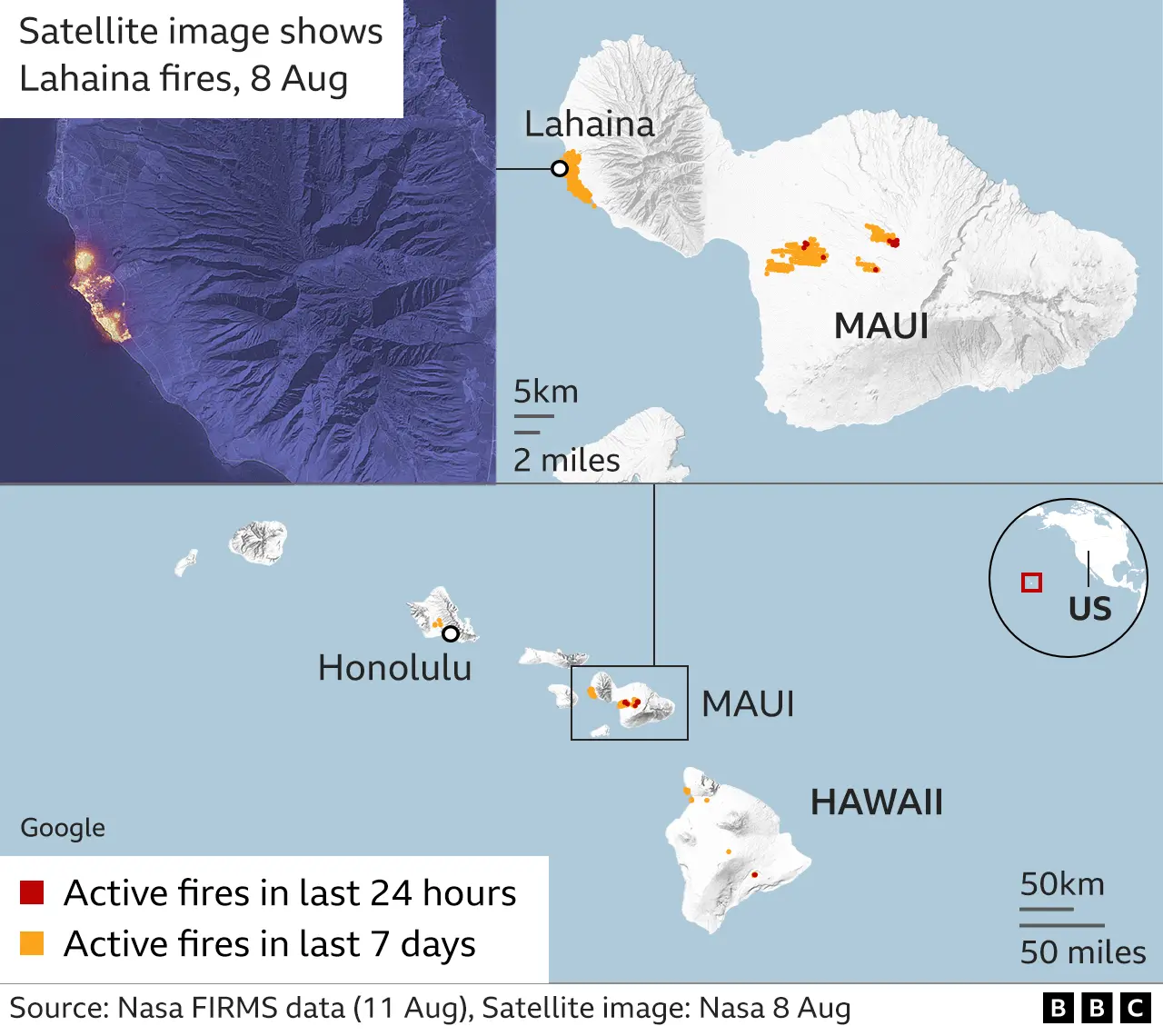
To understand the scope of what burned, one must look at the specific geographical regions and the iconic landmarks that defined them. The fires were fueled by a combination of dry vegetation, low humidity, and powerful winds generated by Hurricane Dora, a Category 4 storm passing far to the south in the Pacific Ocean. This atmospheric pressure gradient created a “perfect storm” that targeted several distinct areas of the Hawaiian Islands.
The Epicenter of Loss: Historic Lahaina in West Maui
The most devastating fire occurred in Lahaina Town. This area was more than just a tourist hub; it was a National Historic Landmark and the former capital of the Hawaiian Kingdom. The fire swept down from the slopes of the West Maui Mountains, consuming almost everything in its path as it moved toward the ocean.
The Architectural Legacy of Front Street
For decades, Front Street was recognized as one of the most charming and historically significant streets in America. It was lined with wooden buildings dating back to the 19th-century whaling era, many of which housed galleries, shops, and restaurants. The fire decimated this corridor, taking with it the Pioneer Inn, a hotel built in 1901 that stood as a sentinel over Lahaina Harbor.
Another major loss was the Old Lahaina Courthouse. Originally constructed in 1859, it served as a customs house for whaling ships and later as a center for the Lahaina Heritage Museum. While the stone walls of the courthouse remained standing, the interior and the priceless artifacts and documents it housed were largely destroyed. Nearby, the Baldwin Home Museum, the oldest standing house on the island of Maui, also suffered irreparable damage. Built in the 1830s for missionary Dwight Baldwin, the home was a testament to the early western architectural influence on the islands.
Sacred Sites and Cultural Landmarks
The fire did not just claim commercial buildings; it struck at the spiritual and cultural core of the community. Waiola Church and its adjacent cemetery, which held the remains of early members of the Hawaiian Royal Family, including Queen Keopuolani, were leveled. This site was essential to the history of the Christian faith in Hawaii and the transition of the monarchy.
The Wo Hing Museum, which celebrated the history of the Chinese community in Lahaina, was another casualty. The two-story social hall on Front Street represented the diverse immigrant groups that contributed to the plantation era and the town’s unique cultural tapestry. Perhaps most heartbreaking for the local community was the damage to Mokuʻula, a sacred site that was once a private island residence for high-ranking royalty and the location of a pocked-sized lake. While much of Mokuʻula was buried under a parking lot in the 20th century, the fire impacted the ongoing restoration efforts of this paramount landmark.
The Resilience of the Banyan Tree
In the center of the devastation stood the Banyan Tree in Lahaina. Planted in 1873 to commemorate the 50th anniversary of the first Protestant mission, the tree grew to cover an entire city block, standing over 60 feet tall with multiple trunks. While the fire scorched the tree and burned the surrounding park, the tree itself became a symbol of hope. In the months following the fire, new leaves began to sprout, showing that while the man-made landmarks of Lahaina were gone, the natural spirit of the land remained.
Beyond the Coast: The Impact on Upcountry Maui and Kula
While Lahaina received the majority of the media attention due to the high death toll and total destruction of the town, another fire was simultaneously burning in the region known as Upcountry Maui. This area is defined by its higher elevation on the slopes of Haleakala, the massive shield volcano that forms the eastern part of the island.
The Kula and Olinda Fires

The fires in Kula and Olinda moved through pastoral lands, eucalyptus forests, and residential neighborhoods. Unlike the urban fire in Lahaina, these were “wildland-urban interface” fires. They burned through thousands of acres of mountainous terrain, destroying several homes and threatening the unique ecosystem of Upcountry Maui.
The landmarks here are less about individual buildings and more about the landscape itself. Areas near the Kula Lodge and the Rice Park were under constant threat. This region is famous for its botanical gardens, lavender farms, and the Kula Botanical Garden. The fire in Kula impacted the watershed and the native habitats of species found nowhere else on Earth. The agricultural legacy of the Paniolo (Hawaiian cowboys) is deeply rooted in this soil, and the loss of ranch land was a significant blow to the island’s identity.
Proximity to Haleakala National Park
Though the fires did not reach the summit of Haleakala National Park, the smoke and proximity of the flames led to closures and evacuations. The park is one of the most visited landmarks in Hawaii, known for its “house of the sun” sunrise views. The fires served as a stark reminder of the vulnerability of even the most protected natural landmarks to the changing climate and the proliferation of invasive, fire-prone grasses that have taken over former sugarcane and pineapple fields.
Hawaii Island: The Fires in South Kohala
Simultaneous with the disasters on Maui, the Big Island also faced significant wildfires. While these did not result in the same level of structural loss as Lahaina, they burned vast swaths of land in the South Kohala and North Kohala districts.
The Mauna Kea Resort and Waikoloa Areas
The fires on Hawaii Island were largely concentrated near Waikoloa and the Mauna Kea Resort. Dry conditions on the leeward side of the island allowed the flames to spread quickly through brushland. Travelers staying at the Westin Hapuna Beach Resort and the Mauna Kea Beach Hotel were forced to monitor the situation closely, as the fires burned near Queen Kaahumanu Highway, the main artery connecting the resorts to Kona International Airport.
The Kohala region is home to some of the island’s most important historical sites, including the Puukohola Heiau National Historic Site. This massive stone temple, built by Kamehameha the Great, was fortunately spared by the flames, but the incident highlighted the risk to the Big Island’s ancient landmarks. The landscape in this part of Hawaii Island is a rugged mix of lava flows and grasslands, and the fire significantly altered the visual character of the Kohala coastline.
Landmarks that Survived: A Glimmer of Hope
In the aftermath of the Lahaina fire, many were shocked to see photos of certain landmarks standing amidst the ash. These “miracle” buildings have become focal points for the community’s eventual rebuilding efforts.
One such landmark is the Maria Lanakila Catholic Church. While the surrounding town was almost entirely leveled, the church and its rectory remained remarkably untouched by the flames. Built in 1858 and rebuilt in stone in 1873, the church is a prominent fixture of the Lahaina skyline. Its survival has been interpreted by many as a sign of resilience and a foundation upon which the future of the town can be built.
Similarly, the Lahaina Jodo Mission, located on the northern edge of the town, saw its iconic Great Buddha statue and pagoda survive the main brunt of the inferno. This site, which overlooks the Pacific Ocean and the islands of Lanai and Molokai, continues to be a place of pilgrimage and reflection.
Understanding the Geographic Scale and Recovery
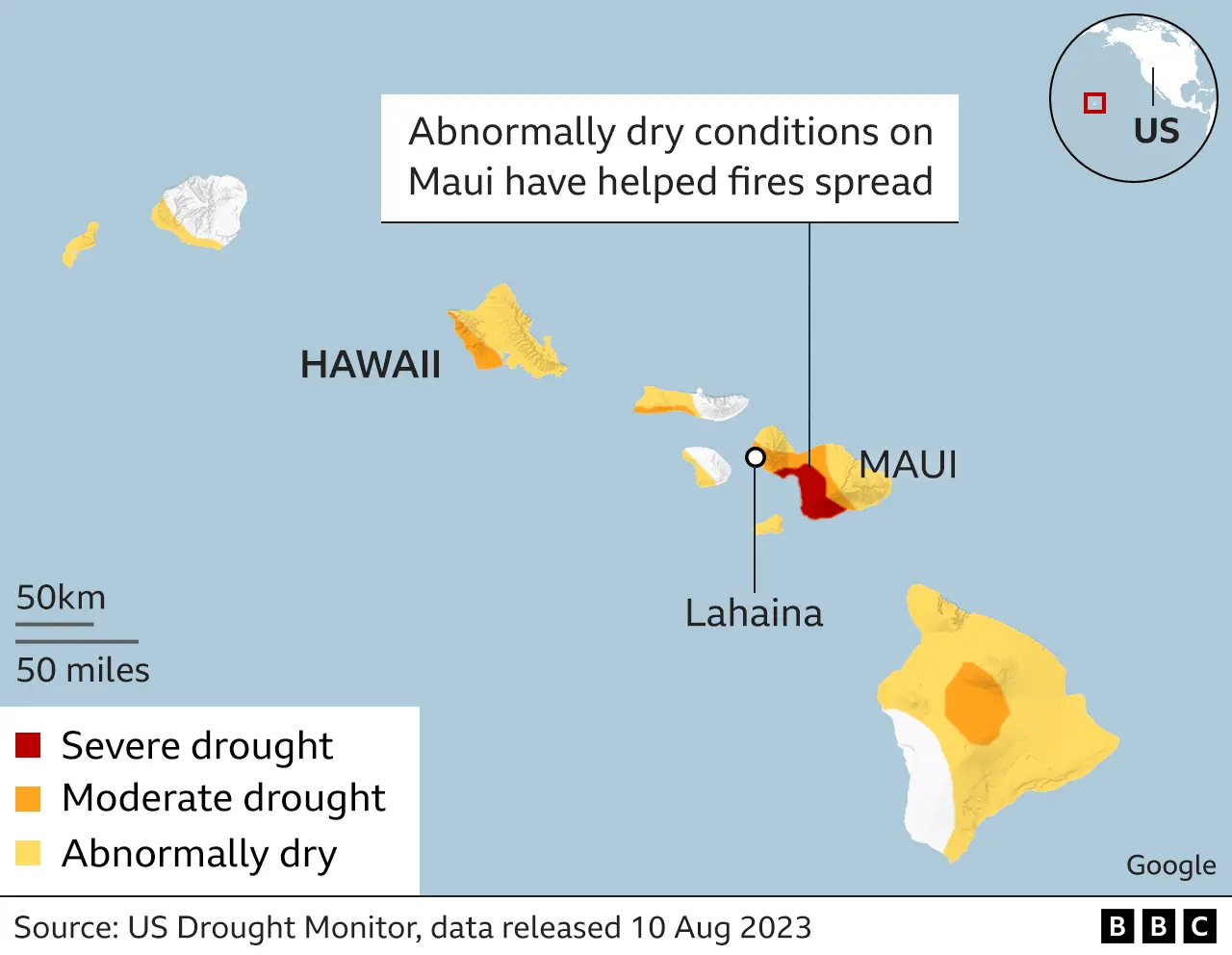
It is important for those unfamiliar with the geography of Hawaii to understand that the fires did not affect the entire state. The island of Oahu, where the capital city of Honolulu and the famous Waikiki Beach are located, remained entirely untouched. Similarly, the “Garden Isle” of Kauai and the smaller islands of Molokai and Lanai did not experience the wildfires.
Even on Maui, the destruction was localized. While Lahaina was decimated, the major resort areas of Kaʻanapali, Napili, and Kapalua just to the north were largely spared from the fire itself, though they suffered from power outages and long-term economic impacts. To the south, the tourism hubs of Kihei and Wailea remained open and unaffected by the flames.
The parts of Hawaii that burned represent a significant loss of the state’s historical and natural landmarks. From the royal heritage of Lahaina to the high-altitude pastures of Kula and the volcanic slopes of Kohala, the fires left a permanent mark on the land. However, the resilience of the Banyan Tree and the survival of the Maria Lanakila Catholic Church serve as reminders that the spirit of these landmarks lives on in the people of Hawaii. As the state continues its long road to recovery, the focus remains on honoring the history of what was lost while protecting the remaining landmarks that define the beauty and culture of the Aloha State.
LifeOutOfTheBox is a participant in the Amazon Services LLC Associates Program, an affiliate advertising program designed to provide a means for sites to earn advertising fees by advertising and linking to Amazon.com. Amazon, the Amazon logo, AmazonSupply, and the AmazonSupply logo are trademarks of Amazon.com, Inc. or its affiliates. As an Amazon Associate we earn affiliate commissions from qualifying purchases.