
Embarking on a journey between the vibrant landscapes of North Carolina and the sunny shores of Florida is an adventure brimming with diverse experiences, scenic routes, and endless possibilities for discovery. Whether you’re planning a family vacation, a romantic getaway, a business trip, or an extended stay, understanding the distance, travel options, and potential stops along the way is crucial for a seamless and enjoyable journey. This comprehensive guide will delve into the geographical considerations, optimal travel modes, and the myriad of attractions awaiting you, helping you craft the perfect itinerary.
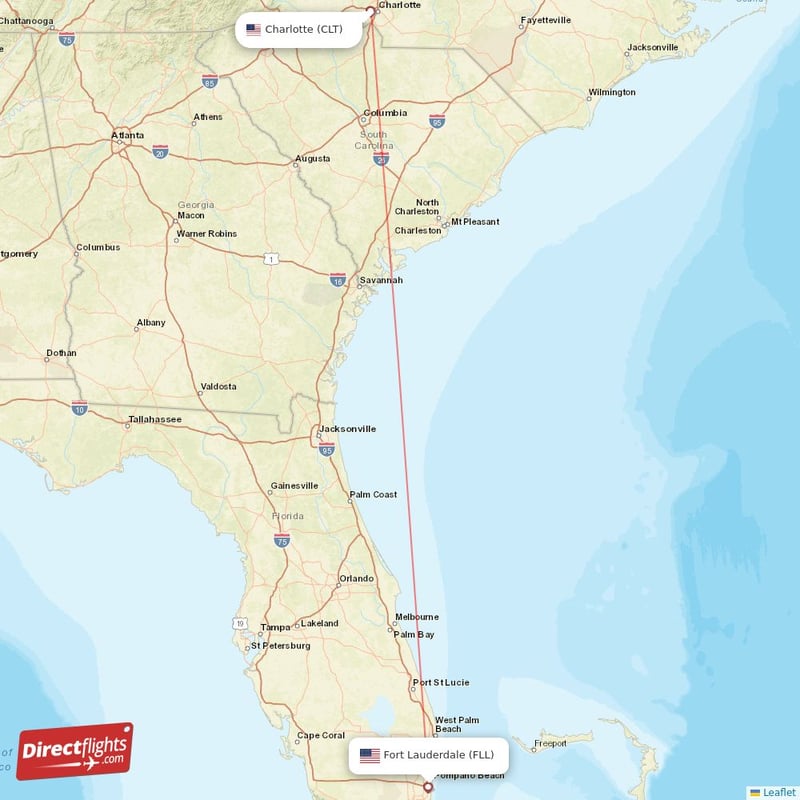
The distance between North Carolina and Florida varies significantly depending on your specific starting point in North Carolina and your chosen destination in Florida. These two states share a long border, with Georgia and South Carolina acting as geographical intermediaries. Generally, the journey can range from approximately 400 miles to over 800 miles by road, translating to driving times of 6 to 14 hours or more, excluding stops. For instance, a drive from Charlotte, North Carolina, to Jacksonville, Florida, is significantly shorter than a trip from Asheville, North Carolina, to Key West, Florida. This vast range means meticulous planning is essential to account for fuel stops, overnight accommodation, and opportunities to explore fascinating landmarks en route.
Understanding the Distance and Key Routes
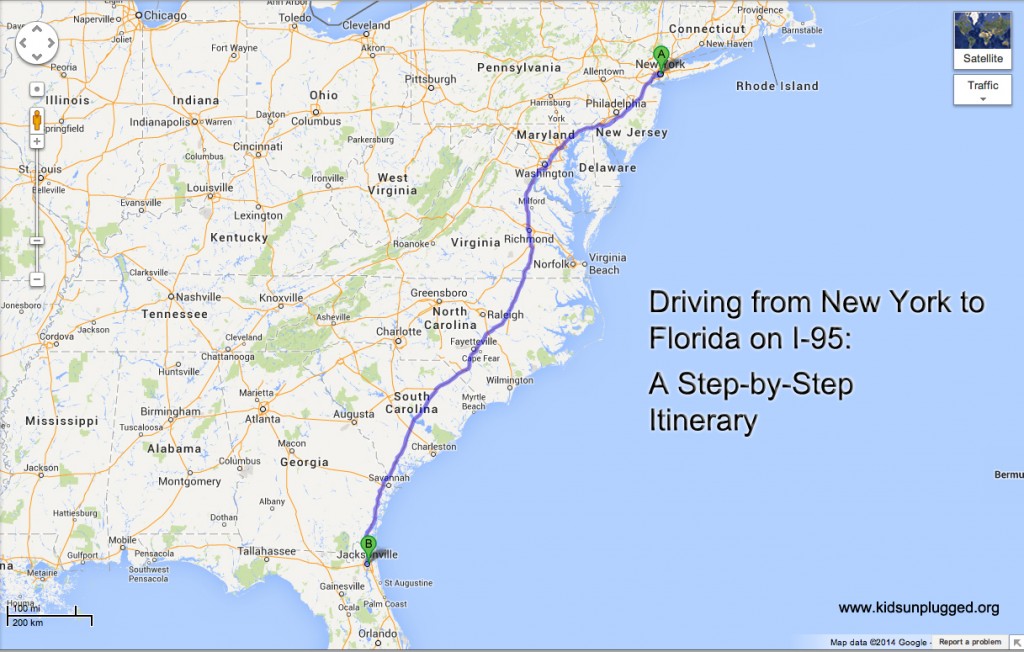
Navigating the expanse between North Carolina and Florida requires an appreciation for the primary travel arteries that connect these two vibrant states. The most common and direct route for motorists is via Interstate 95, a major north-south highway that slices through much of the Eastern Seaboard.
Geographic Overview and Major Interstates
North Carolina, known for its diverse geography ranging from the Appalachian Mountains to its Atlantic coastline, offers multiple departure points. Similarly, Florida presents a spectrum of destinations, from the theme parks of Orlando to the bustling metropolis of Miami and the tranquil beaches of the Gulf Coast. The states of South Carolina and Georgia serve as the crucial land bridges, making travel through them an integral part of the journey.
The predominant highway for this corridor is Interstate 95, a well-maintained thoroughfare that offers the most direct path. Depending on your starting point, you might also utilize Interstate 77 or Interstate 85 to reach I-95. For example, if departing from Asheville, one would typically take I-26 East to merge with I-95 South. These interstates are generally well-equipped with amenities, including rest stops, gas stations, and various dining options, making them suitable for longer drives.
Driving Times and Mileage Estimates
To provide a clearer picture, let’s consider some common city-pair distances and estimated driving times:
- From Charlotte, North Carolina to Orlando, Florida: Approximately 500-550 miles, translating to an 8-9 hour drive. This route typically involves I-77 South to Columbia, South Carolina, then I-26 East to I-95 South, and finally I-4 West into Orlando.
- From Raleigh, North Carolina to Miami, Florida: This is a more significant trek, covering around 750-800 miles, requiring a substantial 12-13 hour drive, primarily via I-95 South. Many travelers opt for an overnight stop on this route.
- From Wilmington, North Carolina to Jacksonville, Florida: This is one of the shorter coastal routes, roughly 350-400 miles, taking about 6-7 hours. It predominantly follows US-17 South or I-95 South after a short drive from Wilmington.
These estimates are for continuous driving and do not account for traffic, construction delays, or necessary breaks. During peak travel seasons, especially holidays or school breaks, travel times can increase considerably. It’s always advisable to check real-time traffic updates before and during your journey.
Popular Starting and Ending Points
The choice of starting and ending points greatly influences your travel planning. In North Carolina, major urban centers like Charlotte, Raleigh, Greensboro, and coastal towns like Wilmington serve as popular departure locations. These cities offer access to major interstates and often have airports for those opting to fly.
In Florida, the array of destinations is even broader:
- Orlando: Home to Walt Disney World Resort, Universal Studios Florida, and a plethora of other theme parks, Orlando is a magnet for families and entertainment seekers.
- Miami / Fort Lauderdale: These South Florida cities are known for their vibrant nightlife, stunning beaches, Art Deco architecture, and diverse cultural scenes.
- Tampa / St. Petersburg: Located on the Gulf Coast, these cities offer beautiful beaches, cultural attractions, and a relaxed atmosphere.
- Jacksonville: The largest city by land area in the contiguous United States, Jacksonville boasts a lively downtown, extensive parks, and pristine beaches.
- Key West: The southernmost point in the continental U.S., famous for its charming historic district, unique atmosphere, and breathtaking sunsets.
Each destination offers distinct attractions and accommodation options, from luxury resorts and boutique hotels to family-friendly suites and budget-conscious apartments. Planning your trip around these specific points helps to fine-tune your travel logistics and budget.
Modes of Travel: Choosing Your Journey
The decision of how to travel between North Carolina and Florida hinges on factors like budget, time constraints, personal preferences, and the purpose of your trip. Each mode of transportation offers a unique experience, from the freedom of a road trip to the speed of air travel.
The Scenic Road Trip Experience
For many, the quintessential way to travel the distance between North Carolina and Florida is by car. A road trip offers unparalleled flexibility, allowing travelers to set their own pace, make spontaneous stops at interesting landmarks, and enjoy the ever-changing scenery. This is particularly ideal for family trips, where carrying extra luggage and managing children’s schedules is easier with your own vehicle.
A drive along I-95 reveals a blend of coastal plains, historical cities, and charming towns. Along the way, you can discover hidden gems in South Carolina like the historic streets of Charleston or the bustling beaches of Myrtle Beach. In Georgia, the enchanting Savannah Historic District and the serene Golden Isles beckon. These stops not only break up the drive but also enrich the overall travel experience, offering glimpses into local culture, diverse food scenes, and unique attractions.
When planning a road trip, consider:
- Vehicle Maintenance: Ensure your car is in top condition for a long drive.
- Overnight Stays: For longer routes (e.g., Raleigh to Miami), plan for a comfortable overnight stay. Many hotels and motels are conveniently located just off I-95.
- Budget: Factor in fuel costs, potential tolls, and accommodation for overnight stops. Road trips can be budget-friendly, especially for groups, as costs are shared.
- Packing: Take advantage of trunk space for coolers, snacks, and entertainment for passengers.
Flying: Speed and Convenience
For those prioritizing speed and minimizing travel time, flying is the most efficient option. Direct flights connect major cities in North Carolina with popular destinations in Florida in approximately 1.5 to 2.5 hours.
Key airports in North Carolina include:
- Charlotte Douglas International Airport (CLT)
- Raleigh-Durham International Airport (RDU)
- Greensboro (Piedmont Triad International Airport) (GSO)
Major airports in Florida include:
- Orlando International Airport (MCO)
- Miami International Airport (MIA)
- Fort Lauderdale-Hollywood International Airport (FLL)
- Tampa International Airport (TPA)
- Jacksonville International Airport (JAX)
When considering air travel, remember to factor in:
- Booking: Booking flights in advance typically yields better prices. Utilize comparison websites and airline apps for the best deals.
- Airport Transfers: Plan how you’ll get to and from the airports. Many destinations offer shuttle services, ride-sharing, or car rental options.
- Luggage: Be mindful of airline luggage restrictions and fees, especially for longer stays or specific activities.
- Accommodation: Research hotels and resorts near your destination airport or attractions for convenience.
Other Transportation Options
While less common for the entire journey, other transportation modes can be considered for specific segments or preferences:
- Bus Services: Companies like Greyhound offer intercity bus services, which are generally the most economical option. However, travel times are significantly longer due to multiple stops.
- Train Travel: Amtrak operates routes along the Eastern Seaboard, offering a more relaxed travel experience with scenic views. While it might take longer than flying, it can be a comfortable alternative, especially for those who dislike driving or flying. Routes like the Silver Meteor or Silver Star connect cities like Raleigh to various Florida destinations.
Each travel option caters to different needs and budgets, providing flexibility in planning your ultimate adventure from North Carolina to Florida.
What to See and Do Along the Way and at Your Destination
The journey from North Carolina to Florida is more than just covering distance; it’s an opportunity to explore a tapestry of diverse landscapes, rich history, and vibrant cultures. Breaking up the drive or planning your destination activities can transform a simple commute into an unforgettable travel experience.
Northern Florida’s Allure
As you cross into Florida, the northern part of the state offers a delightful introduction to its unique charm.
- Jacksonville: As the state’s largest city by land area, Jacksonville boasts extensive public parks, beautiful beaches like Jacksonville Beach and Atlantic Beach, and a growing culinary scene. Explore the Cummer Museum of Art & Gardens or kayak along the St. Johns River.
- St. Augustine: The nation’s oldest continuously inhabited European-established settlement, St. Augustine is a treasure trove of history. Wander through the Castillo de San Marcos, explore St. George Street with its colonial architecture, or climb the St. Augustine Lighthouse for panoramic views.
- Amelia Island: A charming barrier island in Northeast Florida, Amelia Island offers pristine beaches, historic Fernandina Beach, and a relaxed, upscale atmosphere perfect for a luxurious escape.
Georgia’s Coastal Charms
Before reaching Florida, a stop in coastal Georgia is highly recommended for its unique blend of history and natural beauty.
- Savannah: With its cobblestone squares, Spanish moss-draped live oaks, and antebellum architecture, Savannah exudes Southern charm. Take a ghost tour, stroll through Forsyth Park, or visit the Historic District for a taste of its rich past. The city’s food scene is also a major draw, offering traditional Southern cuisine and modern culinary delights.
- Golden Isles: This collection of barrier islands, including St. Simons Island, Jekyll Island, and Sea Island, offers stunning beaches, golf courses, and nature preserves. Jekyll Island is famous for its Historic District and the picturesque Driftwood Beach.
South Carolina’s Rich Heritage
As you traverse South Carolina, several cities stand out as must-visit destinations.
- Charleston: Often lauded as one of the most beautiful cities in the U.S., Charleston is renowned for its well-preserved architecture, cobblestone streets, and gracious hospitality. Explore Rainbow Row, take a carriage tour, or visit Fort Sumter, where the Civil War began. Its culinary scene is vibrant, offering everything from classic lowcountry dishes to innovative fine dining.
- Myrtle Beach: A bustling coastal resort city, Myrtle Beach is a mecca for family entertainment. With miles of sandy beaches, a lively boardwalk, numerous golf courses, and attractions like Broadway at the Beach and Family Kingdom Amusement Park, it caters to all ages.
- Hilton Head Island: Known for its world-class golf courses, pristine beaches, and relaxed atmosphere, Hilton Head Island is a popular destination for those seeking both recreation and tranquility.
North Carolina’s Diverse Landscapes
Before even leaving North Carolina, consider exploring some of its iconic destinations, especially if your journey begins from a more inland location.
- Outer Banks: This string of barrier islands is famous for its wild horses, historic lighthouses (Cape Hatteras Lighthouse), and the site of the Wright Brothers’ first flight at Kill Devil Hills. Ideal for beach lovers and history buffs.
- Blue Ridge Mountains: For those departing from Western North Carolina, the breathtaking beauty of the Blue Ridge Mountains and the Blue Ridge Parkway offers incredible hiking, scenic drives, and charming mountain towns like Asheville. Asheville is renowned for its vibrant arts scene, craft breweries, and the majestic Biltmore Estate.
- Major Cities: Charlotte (a major financial hub with diverse attractions), Raleigh (the state capital with museums like the North Carolina Museum of Art and a thriving food scene), and Greensboro (known for its historical sites and family-friendly activities, including the Greensboro Science Center) all offer urban adventures before heading south.
By integrating these stops into your travel plan, you can transform the trip itself into an integral part of your vacation, experiencing the rich diversity that the Southeastern United States has to offer.
Planning Your Trip: Hotels, Accommodation, and Travel Tips
Successfully navigating the distance from North Carolina to Florida and making the most of your destination involves careful planning, particularly concerning accommodation and practical travel tips. Whether you’re seeking luxury, budget-friendly options, or a unique local experience, the right preparation can enhance your entire journey.
Finding the Perfect Stay
Accommodation is a cornerstone of any travel plan, and the corridor between North Carolina and Florida offers an extensive array of choices to suit every preference and budget.
- Hotels and Resorts: From international chains to independent boutique hotels, you’ll find countless options. In major cities like Charlotte, Charleston, Savannah, Jacksonville, and Orlando, you can choose from luxury resorts offering extensive amenities like spas, multiple pools, and fine dining, to comfortable mid-range hotels perfect for family trips or business stays. Consider specific amenities such as pet-friendly policies, fitness centers, or complimentary breakfast.
- Suites and Apartments: For longer stays, family vacations, or those desiring more space and the convenience of a kitchen, suites and serviced apartments are excellent choices. Many brands offer extended-stay options that provide a home-away-from-home feel. Vacation rentals, including villas and apartments booked through platforms, also offer a personalized accommodation experience, often allowing you to immerse yourself more deeply in the local culture.
- Budget Accommodation: If you’re on a tight budget, hostels, motels, and economy hotels provide clean, comfortable, and affordable options, particularly along major interstate routes. Comparison websites are invaluable for finding the best deals and reading reviews from fellow travelers.
- Unique Stays: For an unforgettable experience, look for unique accommodation types such as historic inns in St. Augustine or Charleston, charming bed and breakfasts in Asheville, or beachfront villas on Amelia Island or the Outer Banks.
When booking, always:
- Compare Prices: Use multiple booking platforms and check hotel direct websites for the best rates.
- Read Reviews: Pay attention to recent reviews regarding cleanliness, service, and location.
- Consider Location: Choose accommodation that is convenient for your planned activities and easily accessible.
- Book in Advance: Especially during peak season or for popular destinations like Orlando, booking well ahead can secure better rates and availability.
Essential Travel Tips and Considerations
Beyond accommodation, several practical tips can ensure your trip from North Carolina to Florida is as smooth as possible.
- Best Time to Travel:
- Spring (March-May): Generally mild weather, fewer crowds than summer, and blooming landscapes. Ideal for outdoor activities and city exploration.
- Fall (September-November): Pleasant temperatures, lower humidity, and beautiful fall foliage in North Carolina. A great time to visit Florida before the winter rush.
- Winter (December-February): Florida enjoys warm, sunny weather, making it a popular escape from colder northern climates. North Carolina can experience chilly temperatures, especially in the mountains.
- Summer (June-August): Hot and humid, especially in Florida, with a higher chance of afternoon thunderstorms. Peak season for family theme park visits, so expect crowds and higher prices.
- Packing Essentials:
- Layered Clothing: Essential due to varying temperatures between states and even within a single day.
- Sun Protection: Sunscreen, hats, and sunglasses are vital, especially for Florida’s intense sun.
- Comfortable Walking Shoes: Indispensable for exploring cities, theme parks, or natural landmarks.
- Rain Gear: A light jacket or umbrella is useful, especially during Florida’s rainy season.
- Travel Documents: Keep IDs, booking confirmations, and any necessary travel permits readily accessible.
- Local Culture and Food: Embrace the diverse culinary scenes. Enjoy North Carolina barbecue, fresh seafood from the Carolinas and Georgia, and the vibrant Cuban influences in South Florida. Research local festivals or events happening during your visit for an authentic tourism experience.
- Navigation: While GPS is common, having a physical map or downloaded offline maps can be a lifesaver in areas with spotty cell service.
- Flexibility: While planning is important, maintain some flexibility in your itinerary to allow for unexpected discoveries or changes in weather.
- Emergency Preparedness: Have a basic first-aid kit, emergency contact numbers, and know how to access roadside assistance if driving.
The journey from North Carolina to Florida offers a rich tapestry of travel experiences, blending the adventure of the open road with the comfort of carefully chosen accommodations and the excitement of diverse attractions. By considering the distances, modes of transport, potential stops, and practical planning tips, you can ensure your trip is not just a transit but an integral, memorable part of your overall adventure. Whether you’re drawn by the majestic mountains, historic cities, or sun-drenched beaches, this route promises a fulfilling exploration of the American Southeast. So, pack your bags, map your course, and prepare to discover the wonders that lie between these two captivating states.
LifeOutOfTheBox is a participant in the Amazon Services LLC Associates Program, an affiliate advertising program designed to provide a means for sites to earn advertising fees by advertising and linking to Amazon.com. Amazon, the Amazon logo, AmazonSupply, and the AmazonSupply logo are trademarks of Amazon.com, Inc. or its affiliates. As an Amazon Associate we earn affiliate commissions from qualifying purchases.