
When travelers prepare for a journey to the middle of the Pacific Ocean, one of the first logistical questions that arises is: what time is it in Hawaii USA? While the literal answer involves a clock and a specific time zone, the cultural answer is far more complex. In the Hawaiian Islands, time is less about the ticking of a second hand and more about the rhythm of the tides, the rising of the sun over ancient volcanic peaks, and the slow, deliberate pace of “island time.” Understanding the temporal landscape of this archipelago is essential for any tourist looking to immerse themselves in the local culture, enjoy the best food, and navigate the world-class activities found across Oahu, Maui, Kauai, and the Big Island.

Understanding Hawaii-Aleutian Standard Time and the Island Pace
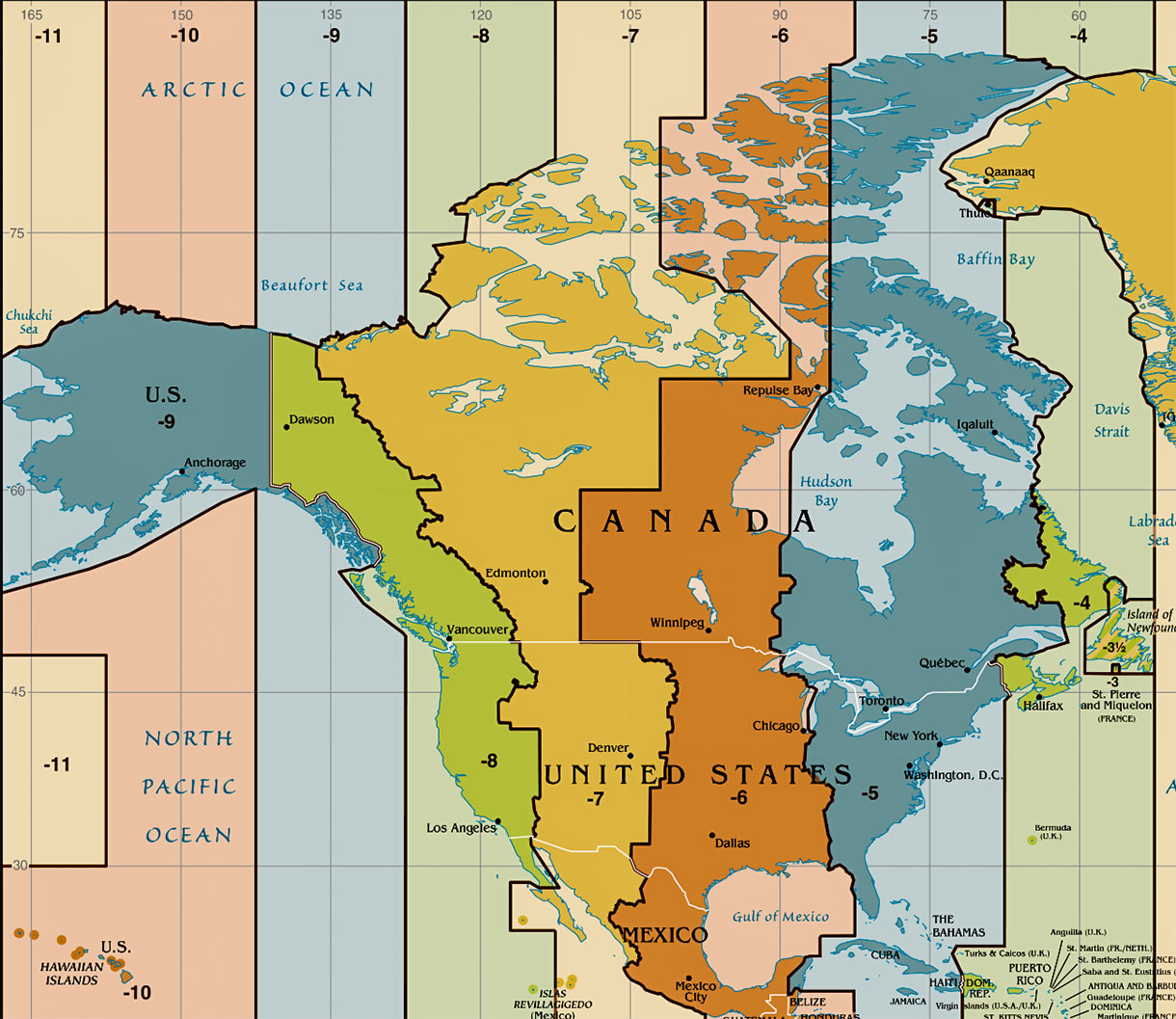
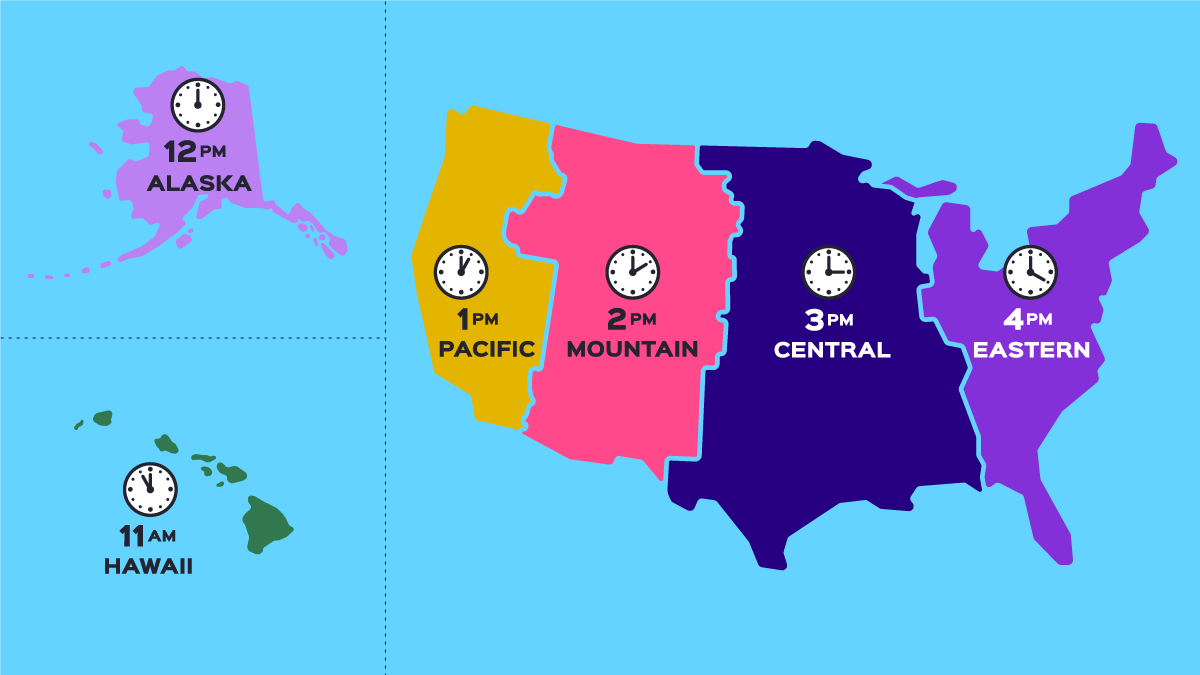
The state of Hawaii operates on Hawaii-Aleutian Standard Time (HST). One of the most unique aspects of this time zone is that it does not observe Daylight Saving Time. This means that while much of the United States mainland shifts their clocks forward or backward, the time in Honolulu remains constant year-round. This lack of change simplifies life for locals but can be a point of confusion for tourists coming from California or New York.
The No-Daylight-Savings Factor
Because Hawaii is located so close to the equator, the length of daylight does not vary as dramatically as it does in more northern states like Alaska. Throughout the year, the sun rises and sets at relatively consistent times, providing a stable backdrop for tourism. For a visitor, this means your internal clock might be your biggest challenge. If you are arriving from the East Coast, you might find yourself wide awake at 4:00 AM. In most destinations, this would be an inconvenience, but in Hawaii, it is a strategic advantage. This early start allows you to beat the crowds at popular spots like Hanauma Bay or secure a parking spot at the Diamond Head state monument.
Adopting “Island Time” Culture
To truly experience Hawaii, one must understand the concept of “island time.” This is not an excuse for being late to a formal reservation, but rather a cultural philosophy that prioritizes connection and presence over rigid schedules. When you are in Kauai or Molokai, you will notice that the pace of life slows down significantly. People take the time to talk, to share a story, or to simply watch the ocean. As a tourist, embracing this mindset is the key to a stress-free vacation. If the service at a local eatery in Haleiwa feels a bit more relaxed than what you are used to in Chicago, remember that you are on an island surrounded by thousands of miles of ocean. There is no rush; the sunset will wait for you.
Planning Your Day Around the Hawaiian Sun
In Hawaii, the sun is the ultimate timekeeper. Most activities are dictated by the light, from the world-famous surfing on the North Shore to the quiet stargazing atop Mauna Kea.
Sunrise Rituals at Haleakala National Park
Perhaps the most iconic “time-sensitive” activity in the islands is witnessing the sunrise at Haleakala National Park on Maui. Because the summit sits at over 10,000 feet, you are often above the cloud line, creating an ethereal experience as the first rays of light hit the volcanic landscape. To do this, you must wake up long before dawn—often around 3:00 AM—and drive up the winding roads. Reservations are required due to its popularity, making it a planned event that dictates the schedule for your entire trip. The reward is a profound silence and a visual spectacle that feels like standing on the edge of the world.
Sunset Magic and the Green Flash
As the day winds down, the focus shifts to the western horizons. Whether you are on the Kona coast of the Big Island or the sands of Waikiki, sunsets are a community event. Locals and tourists alike gather to witness the sky turn shades of pink, orange, and purple. If the conditions are perfect, you might even catch a glimpse of the “green flash”—a rare optical phenomenon where a green spot is visible for a second or two as the sun disappears completely below the horizon. The best way to spend this time is with a “sundowner” drink or during a traditional Luau where the evening’s festivities begin just as the light fades.
Maximizing Daylight for Outdoor Activities
Given the consistency of the daylight hours, many of the best activities in Hawaii are “morning-heavy.” Hiking the Na Pali Coast or driving the Road to Hana requires an early start to ensure you have enough light to finish the journey safely. Furthermore, the ocean is often calmest in the morning, making it the ideal time for snorkeling excursions to Molokini Crater or kayaking in Lanikai Beach. By mid-afternoon, the trade winds often pick up, which is perfect for windsurfers but can make boat tours a bit choppier.
A Culinary Clock: When to Eat Like a Local
Food in Hawaii is a reflection of its multicultural history, blending influences from Japan, the Philippines, China, and Portugal with traditional Polynesian staples. Much like the activities, the food culture follows its own timeline.
Morning Delights: Acai Bowls and Malasadas
If you want to eat like a local, your day starts at a bakery or a fruit stand. Leonard’s Bakery in Honolulu is a rite of passage for many visitors. Their hot malasadas (Portuguese donuts) are best enjoyed fresh in the morning. For those looking for something lighter, the islands are famous for acai bowls topped with local honey and tropical fruits like lilikoi (passion fruit) and guava. These are often sold at small shacks near popular surf breaks, catering to the early-morning athletic crowd.
Lunch on the Go: The Food Truck Culture
By midday, the “lunch wagon” or food truck culture takes over. This is especially prevalent on the North Shore of Oahu and in the town of Hanalei on Kauai. The most famous of these are the shrimp trucks, such as Giovanni’s Shrimp Truck, where the menu is simple and the seating is outdoors. Lunch is often a “plate lunch”—a heavy but delicious combination of two scoops of white rice, macaroni salad, and a protein like kalua pig or mahi-mahi. It is the fuel needed for an afternoon of hiking or swimming.
Evening Feasts and Traditional Luaus
As night falls, the dining scene transitions to more formal experiences. A visit to Helena’s Hawaiian Food is essential for anyone wanting to try authentic dishes like pipikaula (dried beef) and poi. However, the quintessential evening activity for many tourists is the Luau. Places like the Polynesian Cultural Center offer immersive experiences that include an imu ceremony (where a pig is unearthed from an underground oven) followed by traditional music and Hula dancing. These events are not just meals; they are educational journeys into the history of the Hawaiian people.
Navigating Seasonal Events and Local Traditions
While the daily clock is important, the seasonal “time” in Hawaii also dictates what you can see and do. The islands only have two seasons: “summer” (kau) from May to October and “winter” (hooilo) from November to April.
Whale Watching and Winter Waves
If you visit during the winter months, the “time” is right for some of the world’s most spectacular natural displays. The North Shore becomes the epicenter of the surfing world as massive swells hit the coast. This is also the peak time for whale watching, as humpback whales migrate from Alaska to the warm Hawaiian waters to mate and give birth. The Auau Channel between Maui and Lanai is one of the best places in the world to see these majestic creatures.
Festivals and Cultural Celebrations
Throughout the year, the Hawaiian calendar is dotted with festivals that honor the local culture. The Merrie Monarch Festival in Hilo is a week-long celebration of Hula that attracts performers from all over the world. In June, the state celebrates King Kamehameha Day with floral parades and the draping of long lei on the statues of the great king. Participating in or observing these events provides a deeper connection to the islands than any standard tour could offer.
Historical Landmarks and the Passage of Time
To understand the present state of Hawaii, one must look at the landmarks that mark its history. Time has left an indelible mark on the landscape, from the volcanic eruptions that continue to create new land to the architecture of the monarchy.
The Monarchy and Iolani Palace
In the heart of Honolulu stands Iolani Palace, the only royal palace on United States soil. Walking through its halls is like stepping back into the late 19th century. The palace serves as a reminder of the Kingdom of Hawaii and its complex transition into a state. Nearby, the Bishop Museum houses the world’s premier collection of Hawaiian artifacts and royal heirlooms, offering a timeline of the islands’ indigenous history.
Pearl Harbor and World War II
A more somber reflection of time is found at Pearl Harbor. The USS Arizona Memorial marks a specific moment in time—December 7, 1941—that changed the course of world history. Visitors can see the oil still seeping from the sunken battleship, often called “black tears,” which serves as a living memorial to those who lost their lives.
Nature’s Eternal Clock
Finally, nowhere is the passage of time more evident than at Hawaii Volcanoes National Park on the Big Island. Here, Kilauea and Mauna Loa show that the Earth is still a work in progress. You can walk through the Thurston Lava Tube, see vast fields of hardened lava, and witness the power of creation. The geological time scale here dwarfs human history, reminding every tourist that they are just a temporary visitor to these ever-changing volcanic shores.
Whether you are checking the clock to catch a flight from Honolulu International Airport or losing track of the hours while lounging on a beach in Poipu, time in Hawaii is a gift. It is an invitation to slow down, to respect the land (aina), and to live with the spirit of Aloha.
LifeOutOfTheBox is a participant in the Amazon Services LLC Associates Program, an affiliate advertising program designed to provide a means for sites to earn advertising fees by advertising and linking to Amazon.com. Amazon, the Amazon logo, AmazonSupply, and the AmazonSupply logo are trademarks of Amazon.com, Inc. or its affiliates. As an Amazon Associate we earn affiliate commissions from qualifying purchases.