
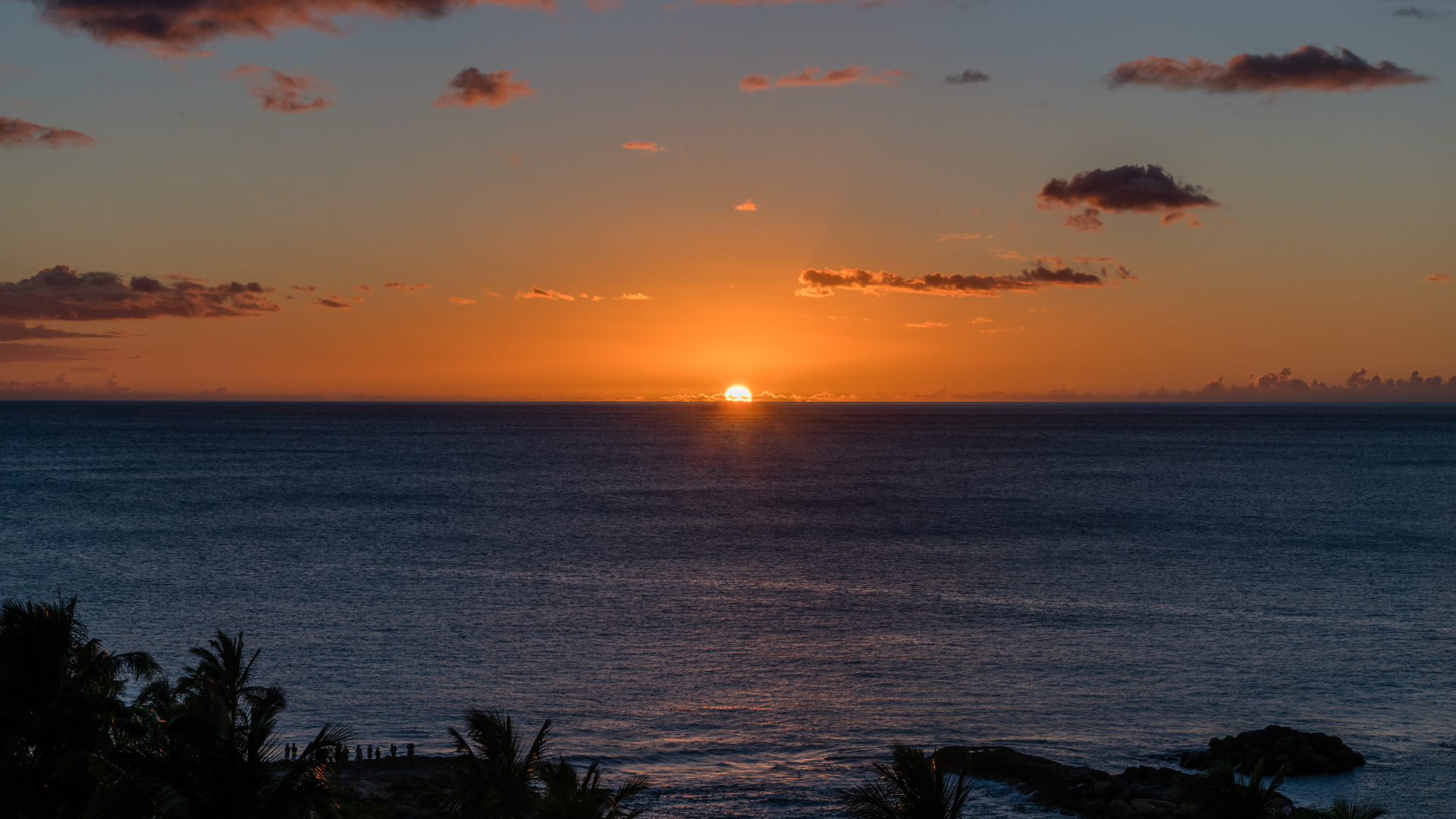
Watching the sun dip below the horizon of the Pacific Ocean is a quintessential experience for anyone visiting Honolulu. As the capital of Hawaii and the pulse of the island of Oahu, this city offers a unique blend of urban energy and natural splendor. However, because Hawaii is located relatively close to the equator, the timing and duration of its sunsets differ significantly from those in the continental United States. Understanding these patterns is essential for planning the perfect evening, whether you are aiming for a romantic dinner, a professional photography session, or a quiet moment of reflection on the sand.
Tracking the Tropical Sun: Seasonal Variations and Timing
In many parts of the world, summer days are drastically longer than winter days. In Honolulu, the variation is much more subtle, but it still impacts your daily itinerary. Because the islands do not observe Daylight Saving Time, the clock remains consistent, but the sun follows its own celestial schedule.
Summer Sunsets vs. Winter Sunsets
During the summer months, specifically around the summer solstice in June, the sun sets at its latest point, typically around 7:15 PM. These summer evenings are characterized by long, lingering “golden hours” where the light stays soft and warm for an extended period. Conversely, during the winter months, the sun sets much earlier. By late December, the sunset can occur as early as 5:50 PM.
For travelers, this means that a winter visit requires earlier planning. If you intend to see the sunset from a specific vantage point like Diamond Head, you must account for the fact that the sky will begin to turn shades of orange and pink well before 6:00 PM. In the summer, you have more flexibility to enjoy afternoon activities before settling in for the evening show.
The Phenomenon of the Green Flash
One of the most sought-after experiences during a Honolulu sunset is the elusive “Green Flash.” This optical phenomenon occurs just as the very last sliver of the sun disappears below the horizon. For a split second, a bright green spot or flash becomes visible. This happens due to the refraction of light in the atmosphere, which bends the sunlight and separates it into different colors.
To see it, you need a perfectly clear horizon over the ocean, free of clouds and haze. While it is rare, the conditions in Hawaii are often ideal for this phenomenon. Locals and repeat visitors often gather at the shoreline, staring intently at the horizon in hopes of catching this legendary tropical moment.
Best Public Spaces for an Unforgettable Sunset View
While you can see the sky change colors from almost anywhere in the city, certain locations offer a more dramatic and unobstructed perspective. Choosing the right spot depends on whether you prefer a sandy beach, a rocky cliffside, or a high-altitude overlook.
Waikiki Beach and Magic Island
Waikiki Beach is undoubtedly the most famous place to watch the sunset. The curve of the bay allows for a stunning view of the sun descending into the water with Diamond Head standing majestically in the background. However, if you are looking for a slightly less crowded experience with a more panoramic view, Magic Island is the place to be.
Located at the end of Ala Moana Beach Park, Magic Island is a man-made peninsula that juts out into the ocean. It provides an unobstructed 180-degree view of the horizon. It is a favorite spot for local families to host barbecues and for joggers to finish their daily runs. The sight of the sun setting behind the masts of yachts leaving the Ala Wai Canal adds a nautical charm to the experience.
The Elevated Perspective: Tantalus Lookout
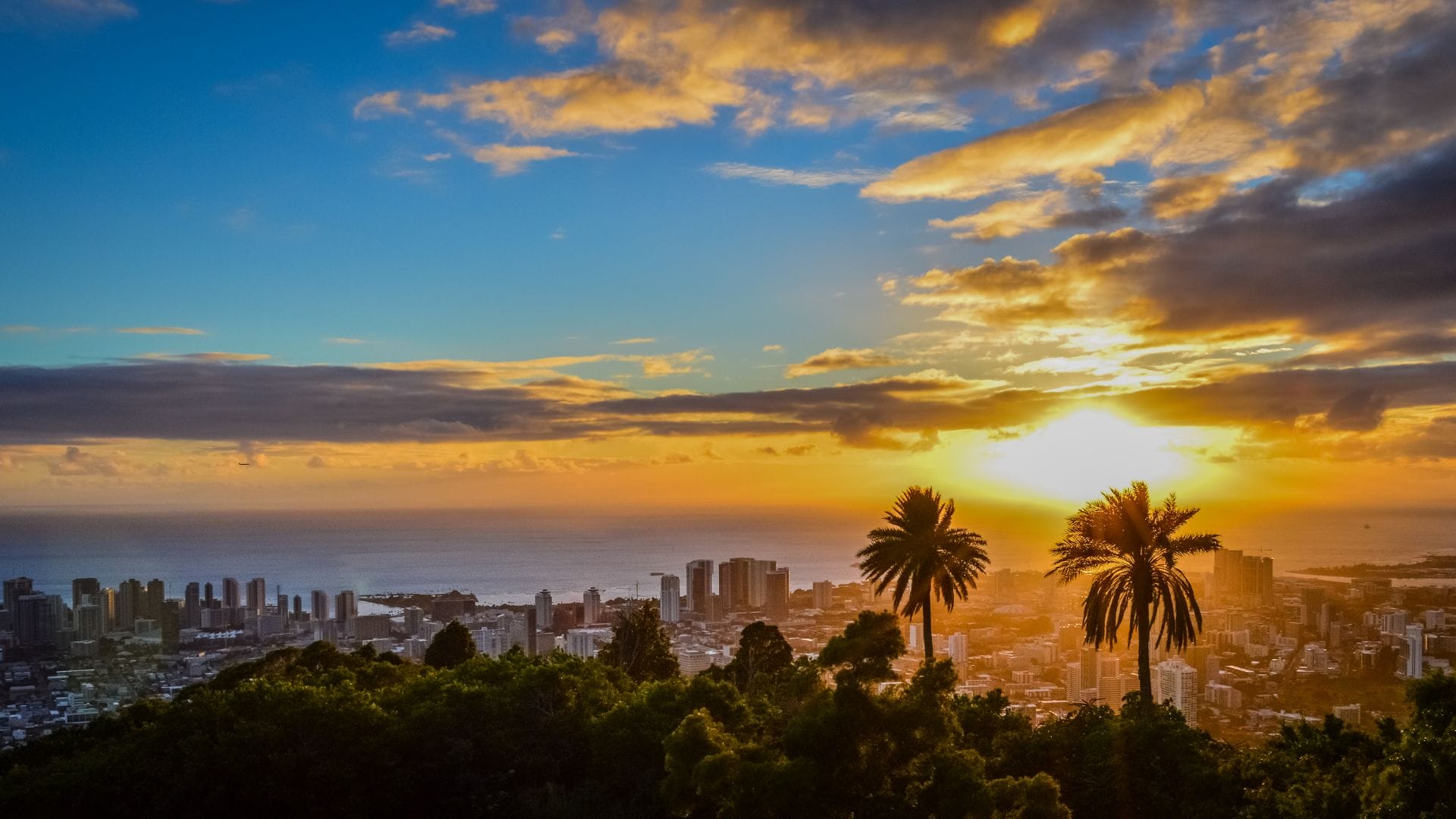
For those who want to see the city lights begin to twinkle as the sun goes down, Tantalus Lookout at Puu Ualakaa State Wayside is unparalleled. This viewpoint is located high above Honolulu and offers a sweeping vista of the entire city, from Diamond Head all the way to Pearl Harbor.
As the sun sets, the skyscrapers of the downtown business district and the hotels of Waikiki begin to glow. The contrast between the deep orange of the sky and the artificial lights of the urban landscape creates a breathtaking scene. Note that the park gates at Puu Ualakaa State Wayside generally close shortly after sunset, so visitors should plan to arrive at least 45 minutes early to secure a spot on the grass and enjoy the transition.
China Walls and the Rocky Coastline
If you are willing to travel a bit further east toward Hawaii Kai, the area known as China Walls in the Portlock neighborhood offers a more rugged experience. These are lava rock ledges that drop off directly into the ocean. During the winter, the waves here can be massive, crashing against the rocks as the sun sets. It is a popular spot for brave local surfers and photographers looking for a more dramatic, nature-focused shot. Watching the sun set from these ancient rock formations provides a deeper connection to the volcanic origins of Oahu.
Immersive Sunset Activities and Local Traditions
In Hawaii, the sunset is more than just a time of day; it is a cultural event. Many activities are timed specifically to coincide with this transition from day to night, allowing visitors to engage with the local culture while enjoying the view.
Sunset Sails and Catamaran Excursions
One of the most popular ways to experience the sunset is from the water. Numerous catamarans depart from Waikiki Beach or Kewalo Basin Harbor in the late afternoon. Being out on the ocean removes all obstructions, providing a pure view of the horizon.
These sails often include traditional Hawaiian music and refreshments. From the deck of a boat, you can see the entire coastline of Honolulu illuminated by the fading light. It is also common to spot marine life, such as green sea turtles or, during the winter months, humpback whales breaching in the distance as the sky turns to purple.
Tiki Torch Lighting and Traditional Hula
Many areas around Waikiki celebrate the sunset with traditional rituals. As the sun begins its descent, you will often see runners moving through the beach parks and hotel grounds to light tiki torches. This tradition harks back to ancient times when fire was used to light the way for evening gatherings.
Public hula performances are also common at sunset. The Kuhio Beach Hula Mound near the statue of Duke Kahanamoku often hosts free performances as the sun goes down. The sound of the pahu drums and the sight of dancers against the backdrop of the ocean create a powerful sense of place that resonates with the history of the Hawaiian Islands.
Sunset Photography Tips for Travelers
For those looking to capture the perfect image, Honolulu is a dream destination. To get the best results, use a tripod if you are at a lookout like Tantalus Lookout. The light fades quickly in the tropics, and as the “blue hour” sets in after the sun has disappeared, a slower shutter speed will help capture the vibrant colors that remain in the atmosphere.
Framing is also key. Including a silhouette of a palm tree or the iconic profile of Diamond Head provides context and scale to your photos. If you are shooting at Kakaako Waterfront Park, the large concrete mounds and rolling hills offer interesting geometric shapes to contrast with the organic colors of the sky.
Sunset Dining and Nightlife Transitions
As the day ends, Honolulu transitions into a vibrant nightlife destination. The “pau hana” (after-work) culture is strong here, and many visitors choose to combine their sunset viewing with a meal or a cocktail.
Iconic Waterfront Venues
There are several legendary spots where you can dine while watching the sun go down. Duke’s Waikiki is perhaps the most famous, named after the legendary surfer. It offers a lively atmosphere right on the sand. For a more refined experience, House Without A Key at the Halekulani provides a sophisticated setting. Here, you can listen to live Hawaiian music and watch a solo hula dancer perform under a century-old kiawe tree as the sky changes colors.
Another exceptional choice is Michel’s at the Colony Surf, located at the far end of Waikiki near Kaimana Beach. This restaurant is widely considered one of the most romantic in the world, specifically because of its westward-facing, open-air view of the sunset. Dining here allows you to experience the transition from the bright tropical sun to the soft glow of candlelight and stars.
Transitioning to the Night Market Scene
Once the sun has fully set, the energy in Honolulu shifts toward the urban centers. In the Kakaako district, the end of the day signals the start of evening activities. This neighborhood is known for its vibrant street art and the SALT at Our Kakaako complex.
Many travelers enjoy watching the sunset at the nearby Kakaako Waterfront Park and then walking into the heart of the district for dinner at a local craft brewery or a contemporary Hawaiian eatery. The sunset serves as the perfect bridge between the outdoor adventures of the day and the culinary and cultural explorations of the night.
Understanding the timing of the sunset in Honolulu is about more than just checking a clock; it is about synchronizing your pace with the natural rhythm of the islands. Whether you are watching from the heights of Tantalus Lookout, the sands of Waikiki Beach, or the deck of a catamaran in the Pacific Ocean, the moment the sun touches the water is a reminder of the unique beauty found in Hawaii. By planning around these times, you ensure that every evening of your journey is as spectacular as the landscape itself.
LifeOutOfTheBox is a participant in the Amazon Services LLC Associates Program, an affiliate advertising program designed to provide a means for sites to earn advertising fees by advertising and linking to Amazon.com. Amazon, the Amazon logo, AmazonSupply, and the AmazonSupply logo are trademarks of Amazon.com, Inc. or its affiliates. As an Amazon Associate we earn affiliate commissions from qualifying purchases.