
Deciding on the ideal moment to visit the Hawaiian Islands is a pleasant dilemma. While most global destinations grapple with extreme seasonal shifts, Hawaii enjoys a tropical climate that remains relatively consistent throughout the year. However, “best” is a subjective term that depends heavily on a traveler’s priorities. Whether you are seeking the most reliable sunshine, the lowest travel costs, the largest surf, or the most vibrant cultural festivals, timing your trip to the Pacific Ocean’s premier archipelago requires a nuanced understanding of local patterns.
Seasonal Breakdowns: When to Experience the Islands at Their Peak
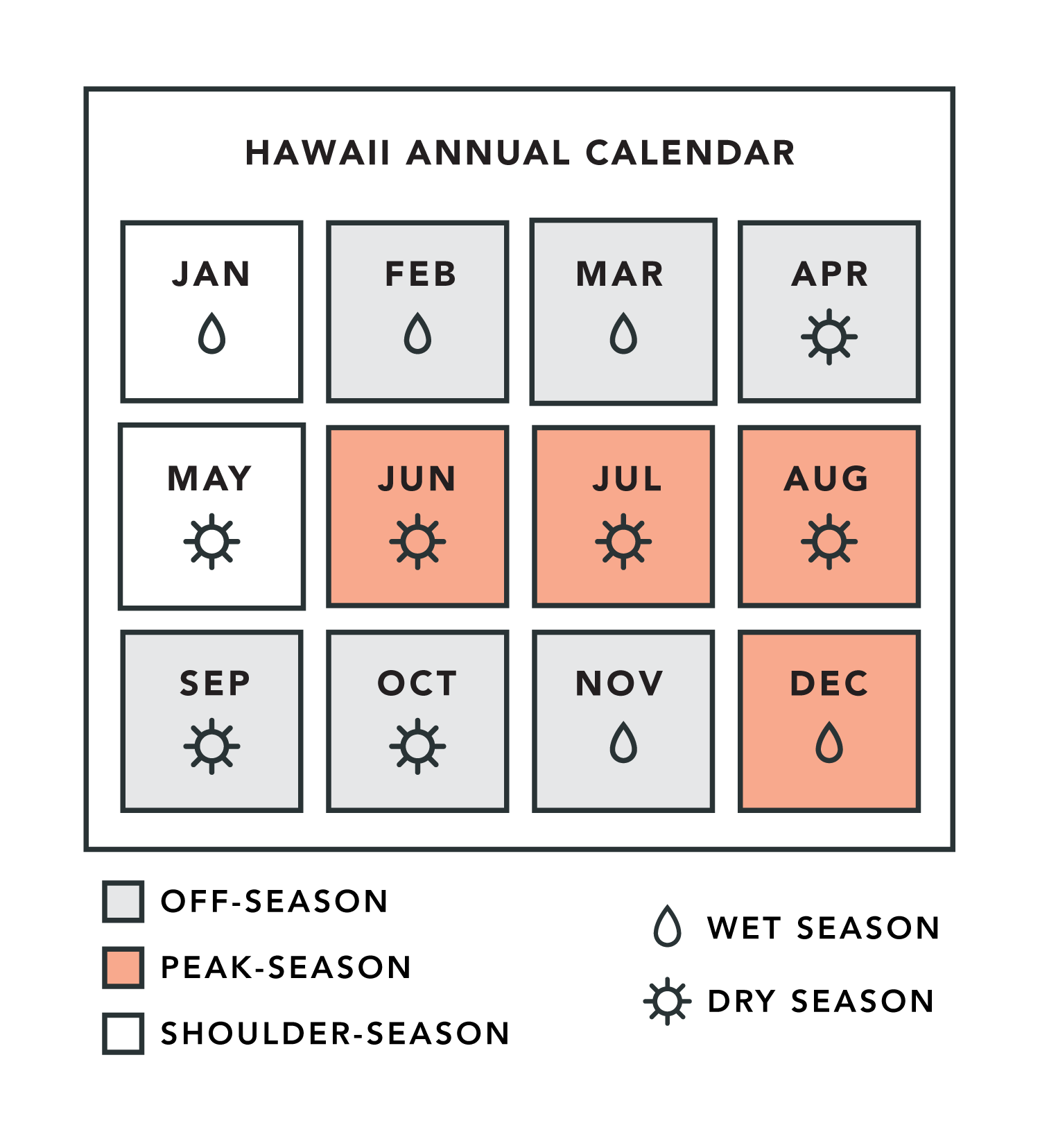
The traditional four seasons behave differently in the tropics. In Hawaii, there are essentially two seasons: the dry season (summer, or kau) from May to October, and the wet season (winter, or hooilo) from November to April. Each window offers a distinct atmosphere for travelers.
Spring: The Sweet Spot (April to June)
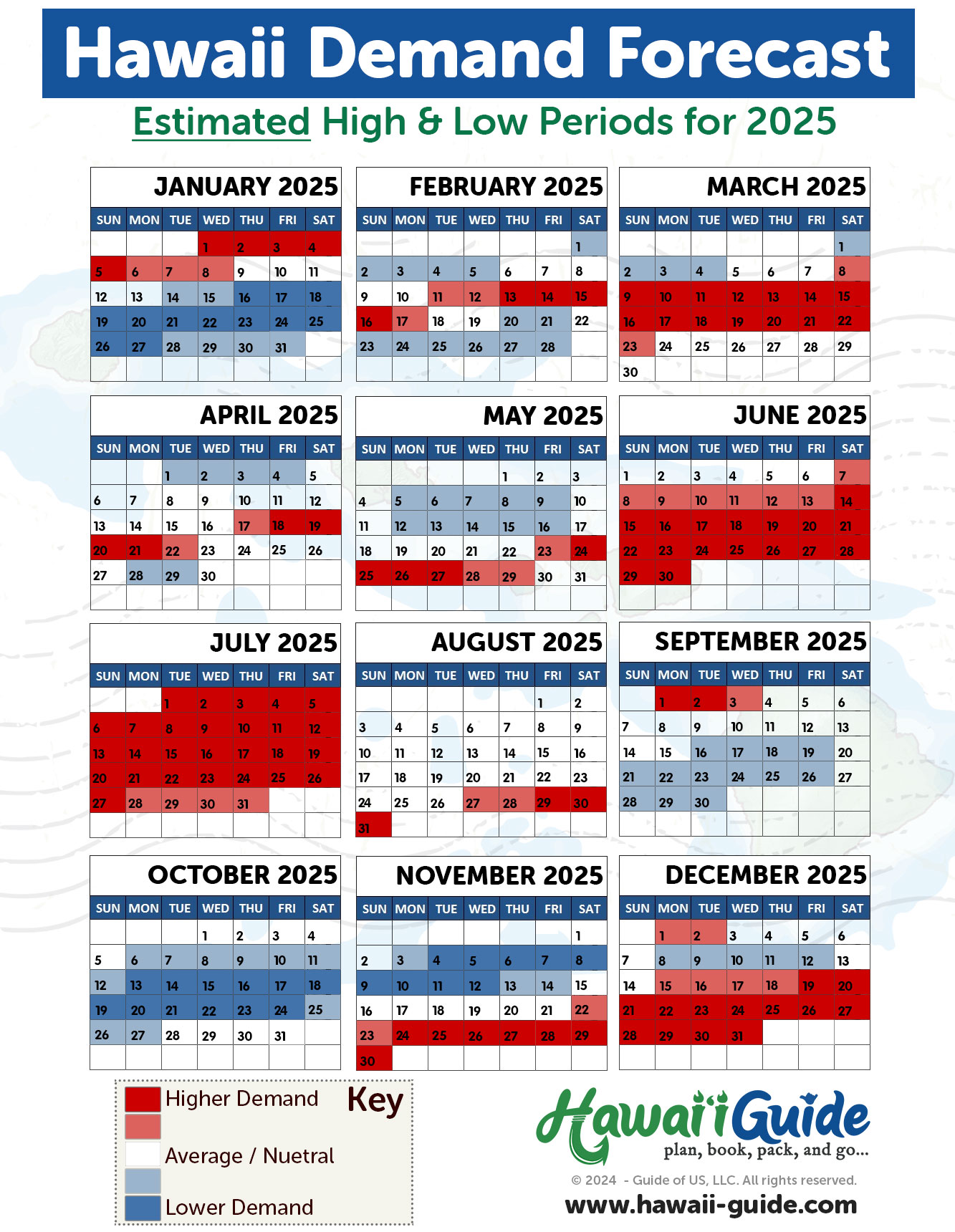
For many seasoned travelers, the period between mid-April and early June represents the “sweet spot” for visiting. During these months, the winter rains have subsided, leaving the landscapes of Kauai and Maui lush and vibrant. Temperatures are comfortably in the high 70s to low 80s Fahrenheit.
Crucially, this period falls between the heavy spring break crowds and the summer vacation rush. Travelers can often find better availability at major sites like Pearl Harbor or Haleakala National Park. May is also when the islands celebrate Lei Day, a beautiful celebration of Hawaiian culture involving floral parades and music.
Summer: Family Fun and Calm Waters (July to August)
Summer brings the warmest temperatures and the calmest ocean conditions on the northern shores. If your dream involves snorkeling in the crystal-clear waters of Hanalei Bay or exploring the sea caves of the Na Pali Coast, summer is the prime time.
The North Shore of Oahu, famous for its massive winter swells, becomes like a lake in the summer, making it safe for swimming and beginner paddleboarding. This is the busiest time for families, so expect popular beaches like Waikiki to be at their most energetic.
Fall: Shoulder Season Serenity (September to November)
September and October offer a unique tranquility. The summer crowds disperse as schools return to session, and the weather remains hot and sunny. This is often the best time for those seeking solitude on the Big Island or Lanai.
However, travelers should note that Hawaii can experience its most humid days during early fall, as the cooling trade winds occasionally drop off. In October, the Ironman World Championship takes place in Kailua-Kona, bringing a surge of athletic energy to the Big Island.
Winter: Whale Watching and Big Waves (December to March)
Winter is a spectacular time to visit for nature enthusiasts. From December through April, thousands of Humpback Whales migrate from Alaska to the warm Hawaiian waters to mate and give birth. The Auau Channel between Maui and Lanai is one of the best places in the world for whale watching.
For surf fans, winter is the only time to witness the legendary big waves. Professional surfers flock to the Banzai Pipeline and Waimea Bay to tackle swells that can reach 30 feet or higher. While it is the rainiest time of year, showers are often brief and followed by brilliant rainbows.
Weather Patterns Across the Archipelago
While the general seasonal trends hold true, the geography of Hawaii creates fascinating microclimates. Understanding these can help you choose the right side of an island for your stay.
Regional Microclimates: Windward vs. Leeward
Each island has a “windward” side (north and east) and a “leeward” side (south and west). The trade winds hit the windward sides first, dropping moisture and creating lush, rainforest-like environments. Hilo on the Big Island is famous for being one of the wettest cities in the United States.

Conversely, the leeward sides are shielded by the mountains, resulting in a much drier, sunnier climate. Locations like Poipu Beach on Kauai or Wailea in Maui are nearly guaranteed to be sunny, even if the other side of the island is experiencing a downpour. If your primary goal is a beach vacation with minimal rain risk, the leeward coasts are your best bet year-round.
Rain and Hurricane Season Considerations
The official hurricane season in the Central Pacific runs from June 1st through November 30th. While direct hits are extremely rare in Hawaii history, tropical storms can occasionally bring increased humidity and heavy rain. Most rain in Hawaii occurs overnight or in short, intense bursts during the day. It is rare for rain to ruin an entire trip unless a significant weather system is passing through.
For those planning to explore high altitudes, such as the summit of Mauna Kea or Haleakala, temperatures can drop below freezing and snow is possible even in winter. Checking local forecasts for these specific regions is essential.
Best Timing for Major Events and Festivals
If you want to immerse yourself in the local culture, timing your trip to coincide with a major festival can be a transformative experience. Hawaii takes great pride in its heritage, and the festivals reflect a deep connection to the land and history.
Cultural Highlights: Merrie Monarch and Aloha Festivals
The Merrie Monarch Festival, held annually in Hilo starting on Easter Sunday, is the world’s most prestigious hula competition. It is a week-long celebration that requires planning months—or even a year—in advance due to its immense popularity.
In September, the Aloha Festivals take place across the islands. This is the largest cultural celebration in Hawaii, featuring parades, street parties (ho’olaule’a), and traditional ceremonies. Honolulu hosts the most significant of these events, turning the streets of Waikiki into a vibrant showcase of Polynesian pride.
Sporting Events and Surf Competitions
The winter months bring the Vans Triple Crown of Surfing to the North Shore of Oahu. Watching these elite athletes navigate the world’s most dangerous waves is a bucket-list item for many.
Additionally, King Kamehameha Day on June 11th is a state holiday honored with floral parades and the draping of long leis on the statues of King Kamehameha. Another significant date is Prince Kuhio Day in March, celebrating the “Citizen Prince” with canoe races and community festivals.
Tailoring Your Visit to Specific Islands
While the archipelago shares a general climate, the best time to visit can vary depending on which island you intend to explore.
Oahu: The Gathering Place
Oahu is the busiest island and has the most consistent weather. For shoppers and urban explorers, the best time is mid-January through March, when the holiday crowds have left Honolulu and the weather is cool enough for comfortable city walking. History buffs visiting Pearl Harbor should aim for mid-week mornings to avoid the largest tour groups.
Maui: The Valley Isle
If you are traveling to Maui for the beaches of Kaanapali or the charm of Lahaina, the late spring is ideal. For those driving the Road to Hana, the summer months provide more daylight and drier roads, making the narrow turns and bridge crossings much safer and more scenic.
Kauai: The Garden Isle
Kauai is the oldest and lushest island, which also makes it the rainiest. To maximize your chances of dry hiking weather on the Kalalau Trail or seeing the red hues of Waimea Canyon without fog, aim for the summer. However, the waterfalls of the Wailua River are at their most impressive during the winter months.
Big Island: The Island of Adventure
The Big Island is so large that it contains 8 of the world’s 13 climate zones. The best time to visit Hawaii Volcanoes National Park is during the shoulder seasons (May or October) when the air is clearer and the trails are less crowded. Stargazers visiting the Mauna Kea Observatory will find the clearest skies during the dry summer months.
Ultimately, the best time to visit Hawaii depends on your personal interests. If you want the quintessential tropical experience with calm blue waters and endless sun, July is your month. If you want to see the power of nature and the majestic migration of marine life, February is unbeatable. Regardless of when you choose to go, the spirit of aloha remains a constant, welcoming visitors with warmth and beauty in every season. By aligning your travel goals with the islands’ natural and cultural rhythms, you can ensure an experience that is both authentic and unforgettable.
LifeOutOfTheBox is a participant in the Amazon Services LLC Associates Program, an affiliate advertising program designed to provide a means for sites to earn advertising fees by advertising and linking to Amazon.com. Amazon, the Amazon logo, AmazonSupply, and the AmazonSupply logo are trademarks of Amazon.com, Inc. or its affiliates. As an Amazon Associate we earn affiliate commissions from qualifying purchases.