
For many travelers planning an escape to the United States, the concept of seasonality is often defined by four distinct shifts in weather. However, in the middle of the Pacific Ocean, the archipelago of Hawaii operates on a different rhythmic cycle. Understanding when summer occurs in this tropical paradise is not just about checking a calendar; it is about understanding the transition of trade winds, the height of the ocean swells, and the blossoming of local flora. While the mainland experiences the traditional transition from spring to summer in June, the Hawaiian summer, known traditionally as “Kau,” spans a broader timeframe and offers a unique set of atmospheric conditions that transform the travel experience across the islands.
The Two Seasons of the Hawaiian Archipelago
In Hawaii, the climate is generally categorized into only two seasons: Kau (summer) and Hooilo (winter). The summer season typically begins in May and extends through October. During these months, the sun is more directly overhead, resulting in higher temperatures and a more consistent weather pattern characterized by the steady presence of trade winds.
Defining the Kau Season
The summer months in Hawaii are marked by daytime temperatures that average between 85°F and 88°F (29°C to 31°C). While this may seem high, the tropical climate is tempered by the cooling northeasterly trade winds that blow across the islands. These winds are most reliable during the summer, providing a natural air-conditioning effect that makes outdoor exploration pleasant.
One of the most significant indicators of summer in the islands is the stability of the weather. Unlike the winter months, which may bring sporadic heavy rains and “Kona storms” from the south or west, summer usually sees brief, localized showers that often occur overnight or in the early morning. These rains are what keep the landscape lush without typically disrupting daily travel plans.
Daylight and Water Temperatures
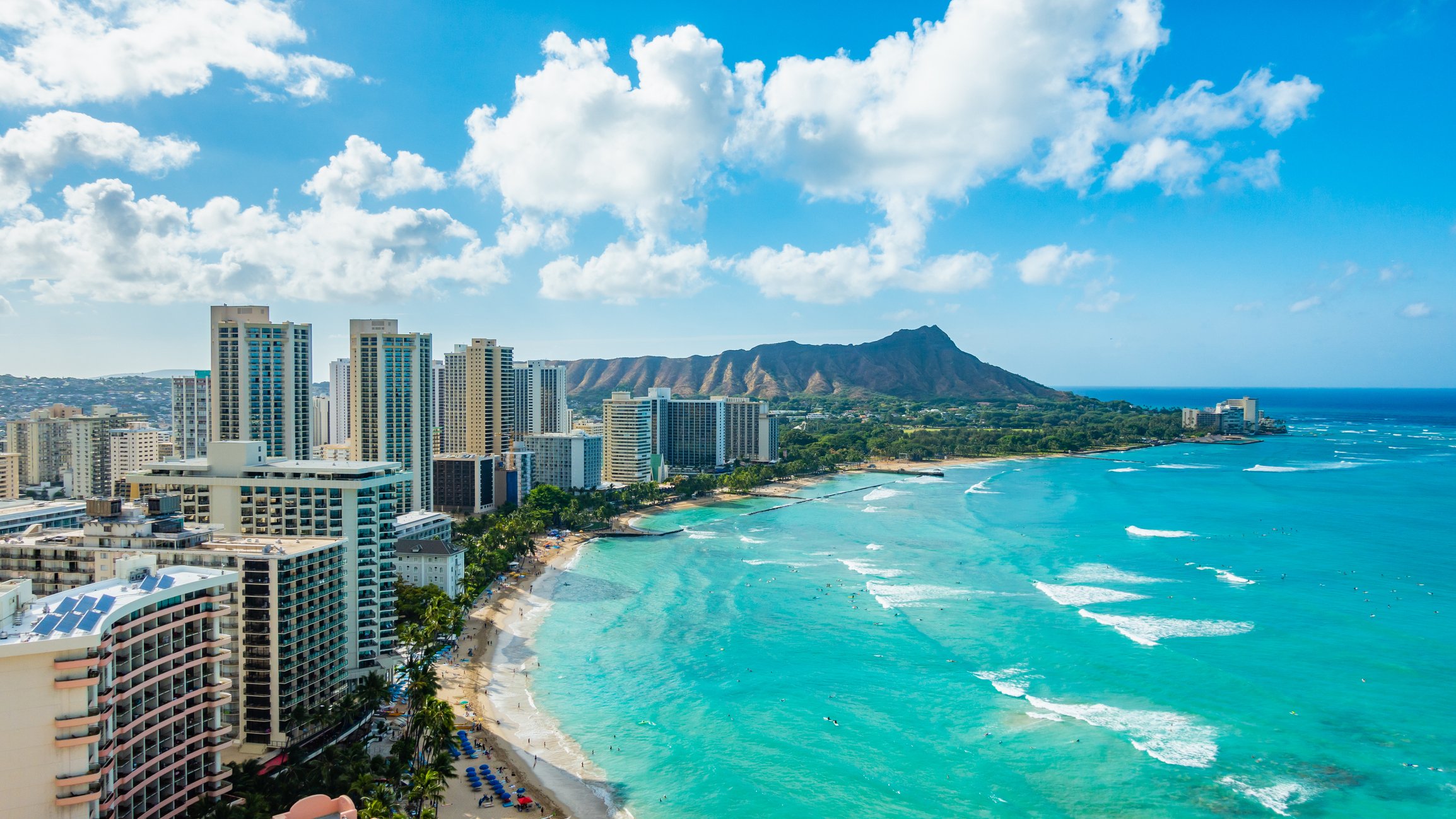
During the peak of summer, Hawaii enjoys roughly 13.5 hours of daylight. Because the islands are located relatively close to the equator, there is less variation in day length than in more northern latitudes, but the extra hour of evening light in July and August is a welcome boon for those visiting Waikiki Beach or taking sunset cruises.
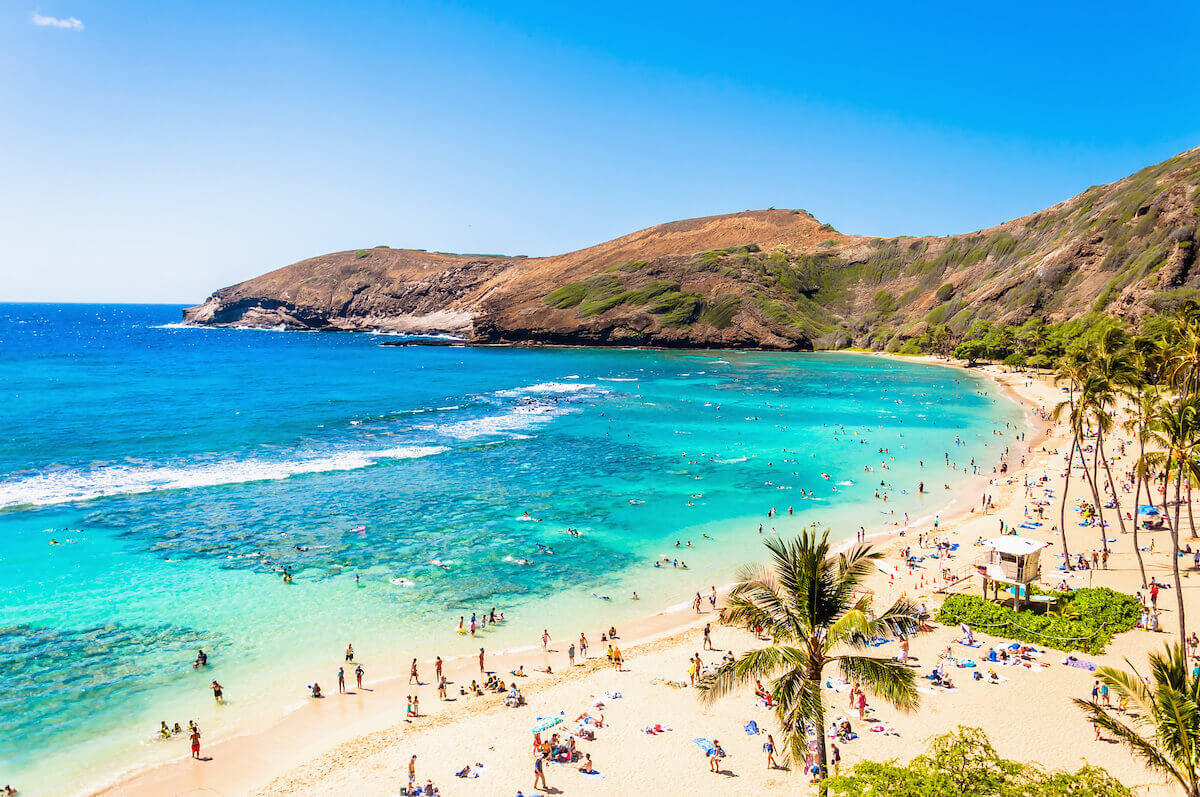
Furthermore, the ocean temperature reaches its annual peak during the late summer months of August and September. The water temperature can climb to a balmy 80°F (27°C) or higher. This makes summer the premier time for snorkeling at Hanauma Bay or swimming in the sheltered lagoons of the various resorts.
Regional Variations and Island-Specific Weather
While the entire state enters summer simultaneously, the geographical diversity of the islands means that summer looks and feels different depending on where you land. Each island has its own microclimates, influenced by towering volcanic peaks and the direction of the wind.
Oahu: The Heart of Summer Activity
On Oahu, summer is the season of calm. The famous North Shore, which is known for its massive, dangerous waves in the winter, transforms into a series of placid, glass-like bays during the summer. This shift makes the summer the only time of year when it is safe for amateur swimmers and snorkelers to explore the vibrant reefs of the northern coastline.
In the state capital of Honolulu, summer is vibrant and bustling. Tourists flock to historic sites like Pearl Harbor and the volcanic crater of Diamond Head. The leeward (western) side of the island remains hot and dry, while the windward (eastern) side catches the moisture-laden trade winds, resulting in occasional refreshing mists.
Maui: The Valley Isle’s Warmth
Summer on Maui is characterized by incredibly clear skies, particularly in the resort areas of West Maui and South Maui. If you are planning to drive the legendary Road to Hana, the summer months offer more predictable driving conditions, though the tropical rainforests along the route will always have a higher chance of rain.
For those heading to the summit of Haleakala National Park, summer provides the best opportunity for a clear sunrise view. While the summit is always cold due to its high elevation, the summer months are less likely to be obscured by the heavy cloud cover that often settles in during the winter.
Kauai: The Garden Isle’s Golden Months
Kauai is the oldest and lushest of the main islands, but its reputation for rain can sometimes deter travelers. Summer is the ideal time to visit the “Garden Isle” because it is the driest season. Exploring the Napali Coast by boat or helicopter is far more reliable in the summer, as sea conditions are generally calmer, allowing tour operators to enter the sea caves along the coastline.
Similarly, hiking through Waimea Canyon is more comfortable in the summer. The trails are less likely to be muddy, and the visibility across the “Grand Canyon of the Pacific” is typically at its peak.
The Big Island: A Land of Extremes
On the Big Island, the summer experience is defined by the contrast between the sunny Kona coast and the rainier Hilo side. Summer is an excellent time for those looking to visit Hawaii Volcanoes National Park, as the higher elevations of the park are more temperate.
For stargazers, the summer sky over Mauna Kea is exceptionally clear. Since the summer atmosphere is more stable, the world-class observatories atop the mountain have some of their best viewing nights during these months.
Summer Experiences and Activities
Summer in Hawaii dictates the type of activities that are most accessible and enjoyable. The transition from the rough winter seas to the gentle summer waters changes the focus of many travel itineraries.
Snorkeling and Diving
Because the winter swells subside, summer is the golden age for underwater exploration. Destinations like the Molokini Crater off the coast of Maui offer incredible visibility, often exceeding 100 feet. In Oahu, the waters of Waimea Bay become so still that they resemble a swimming pool, allowing for easy access to rock jumping and snorkeling.
Hiking and Terrestrial Adventure
While the heat can be intense, the lack of rain makes summer the best time for long-distance hiking. Trails that might be treacherous in the winter, such as the Kalalau Trail on Kauai, are most frequently traversed during the summer. Travelers should, however, plan their hikes for the early morning to avoid the midday sun and always carry more water than they anticipate needing.
Cultural Festivals and Local Life
The summer season is also a time of great cultural significance. In June, the islands celebrate King Kamehameha Day with elaborate floral parades and ceremonies. Visitors can witness the traditional lei-draping of the statue in Honolulu, a stunning display of local craftsmanship and reverence for Hawaiian history.
Another highlight is the Bon Dance season. Reflecting the Japanese heritage that is woven into the fabric of the islands, Buddhist temples across Hawaii host Bon Dances throughout the summer. These events are open to the public and offer a wonderful opportunity to experience local food, music, and community spirit. For those interested in broader Pacific cultures, the Polynesian Cultural Center on Oahu offers expanded summer programming that highlights the traditions of various island nations.
Practical Planning for Your Summer Expedition
Planning a trip during the Hawaiian summer requires a different approach than a winter visit. From navigating crowds to managing the tropical sun, certain logistical considerations can significantly impact the quality of the trip.
Navigating the Summer Crowds
Because summer coincides with school vacations in the United States and several international locations, it is one of the busiest times of year for the islands. Popular destinations like Kailua-Kona or the historic town of Lahaina can see a surge in visitors. To mitigate this, travelers are encouraged to book their accommodations and car rentals well in advance.
Exploring the more secluded islands, such as Lanai or Molokai, can offer a reprieve from the summer bustle of the larger islands. These locations provide a slower pace of life and a more intimate connection with the natural environment.
Packing and Health Safety
The summer sun in Hawaii is exceptionally strong due to the islands’ low latitude. High-SPF, reef-safe sunscreen is a necessity, as traditional sunscreens contain chemicals that can harm the delicate coral reefs. Lightweight, breathable clothing made of linen or moisture-wicking fabrics is recommended.
It is also important to note that summer is the beginning of the hurricane season in the central Pacific Ocean, which runs from June through November. While direct hits are extremely rare, travelers should remain aware of weather forecasts and consider travel insurance that covers weather-related disruptions.

Understanding the Trade Winds
The presence of the trade winds is the single most important factor for comfort during a Hawaiian summer. When booking accommodations, travelers should look for properties that are designed to take advantage of these winds, often featuring “jalousie” windows that allow for cross-ventilation. If you are sensitive to heat, choosing a hotel on the windward side or ensuring your rental has air conditioning is a wise move, as some older or more traditional lodges may rely solely on the breeze.
Ultimately, summer in Hawaii is a season of abundance and accessibility. It is the time when the islands are at their most vibrant, the ocean is at its most welcoming, and the cultural calendar is at its most festive. By understanding the nuances of the Kau season, travelers can better appreciate the unique geographic and cultural tapestry that makes this destination a perennial favorite for explorers from around the world. Whether it is the golden sands of Poipu Beach or the lush valleys of Hanalei Bay, the Hawaiian summer offers an unparalleled window into the beauty of the tropics.
LifeOutOfTheBox is a participant in the Amazon Services LLC Associates Program, an affiliate advertising program designed to provide a means for sites to earn advertising fees by advertising and linking to Amazon.com. Amazon, the Amazon logo, AmazonSupply, and the AmazonSupply logo are trademarks of Amazon.com, Inc. or its affiliates. As an Amazon Associate we earn affiliate commissions from qualifying purchases.