
For residents and frequent visitors to Hawaii, the changing of the seasons isn’t marked by falling leaves or cooling temperatures, but by the weight of heavy fruit hanging from backyard trees and the sweet, unmistakable fragrance that begins to drift through the warm Pacific air. Mango season in the islands is more than just a harvest period; it is a cultural phenomenon that dictates social calendars, culinary menus, and community sharing. Understanding the timing and nuances of this season is essential for any traveler looking to experience the authentic culinary landscape of the archipelago.
The Seasonal Timeline: When to Expect the Harvest
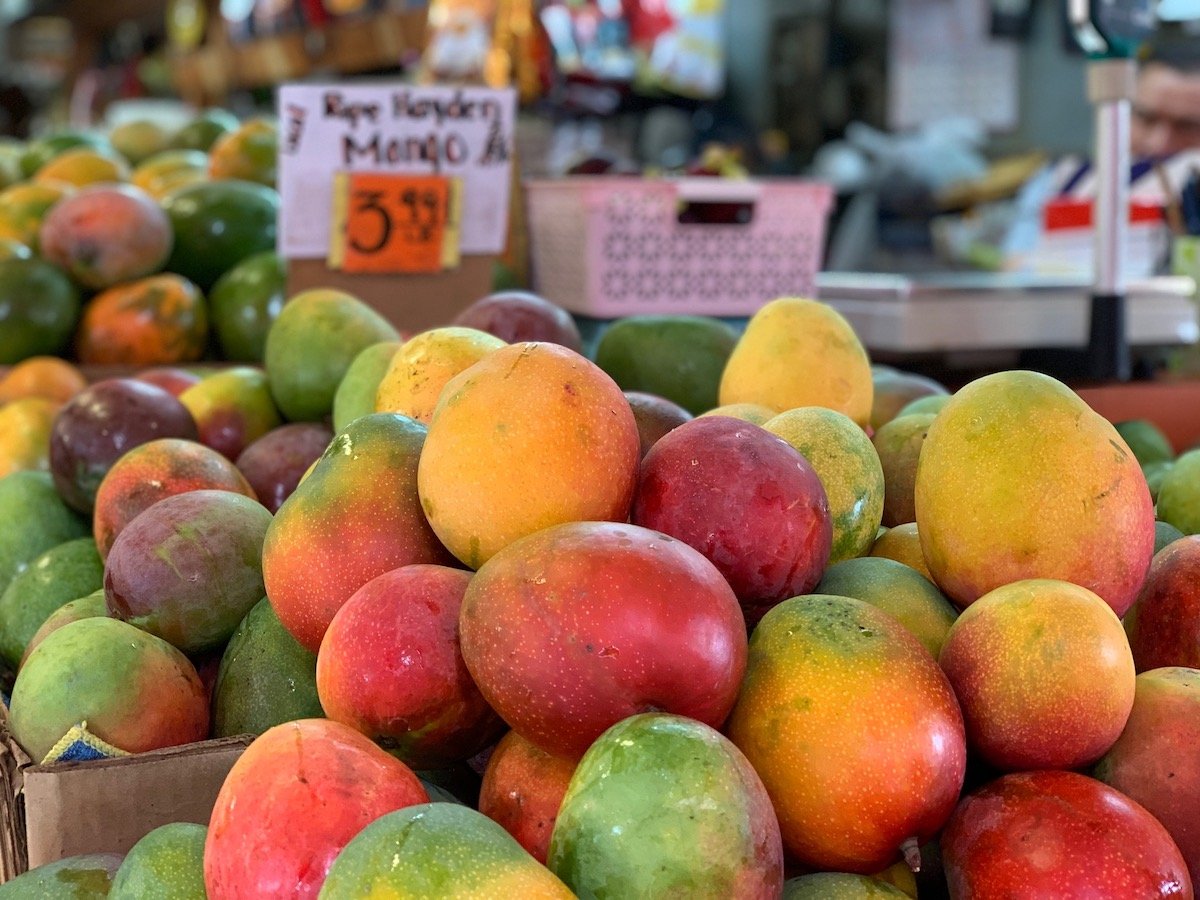
While you might find a stray mango at a specialty market at various points in the year, the true mango season in the United States island chain is remarkably distinct. Generally, the season begins in late spring and stretches through the end of summer, but the peak and duration can vary significantly based on weather patterns and the specific island.
The Spring Awakening (March to May)
Early in the year, typically around March or April, the mango trees across Oahu and the neighbor islands begin to flower. These small, pale blossoms are a harbinger of the sweetness to come. Depending on the rainfall in regions like Kona or the southern shores of Kauai, the first “early” mangoes might appear on roadside stands by late May. These early fruits are often highly sought after, as the anticipation built over the winter months is high.
The Peak Summer Heat (June to August)
If you find yourself wandering the streets of Honolulu or driving the road to Hana in July, you are in the heart of the “mango madness.” This is when the harvest is at its most prolific. During these months, the trees are heavily laden with fruit, and farmers markets are overflowing with different varieties. The heat of the Hawaiian summer is crucial for the fruit’s sugar development; the more sun the fruit receives, the sweeter the pulp becomes.
The Late Bloomers and Fall Tapering (September to October)
By September, the main harvest begins to wane, but it is not entirely over. Certain late-season varieties continue to ripen through October. These late-season mangoes are often found in the drier, leeward areas of the islands, where the ground remains warm even as the days begin to shorten. By November, the season has generally concluded, and the islands begin the wait for the next year’s bloom.
Exploring Regional Variations Across the Archipelago
While the general timeframe for mango season is consistent across the state, each island offers a slightly different experience based on its unique microclimates and agricultural traditions.
Oahu: The Urban Harvest
On the most populated island, mango season is a community event. In residential neighborhoods near Diamond Head or in the lush valleys of Manoa, backyard trees drop fruit faster than families can eat them. This leads to the charming tradition of “mango boxes” left on sidewalks for neighbors to help themselves. For visitors staying in Waikiki, the best place to experience this is the KCC Farmers Market, where local growers bring dozens of varieties for tasting.
Maui: The Valley Isle’s Sweetness
On Maui, the mango culture is deeply rooted in the island’s agricultural history. The town of Lahaina and the surrounding West Maui areas are known for producing some of the juiciest fruit due to the consistent sunlight. Travelers exploring Haleakala National Park will often find small, independent stands on the lower slopes selling “sun-ripened” mangoes that have a deeper, more concentrated flavor than those found in commercial grocery stores.
Kauai and the Big Island: Wild and Volcanic
On the Big Island, the volcanic soil provides a mineral-rich foundation that many believe improves the complexity of the fruit’s flavor. The Hilo Farmers Market is a premier destination for mango hunters, offering varieties that are rarely seen on the mainland. Similarly, on the “Garden Isle” of Kauai, the heavy rainfall on the north shore near Princeville and the sunny stretches of Poipu create two very different growing environments, leading to a staggered harvest that can sometimes last longer than on the other islands.
Hawaii’s Distinct Mango Varieties
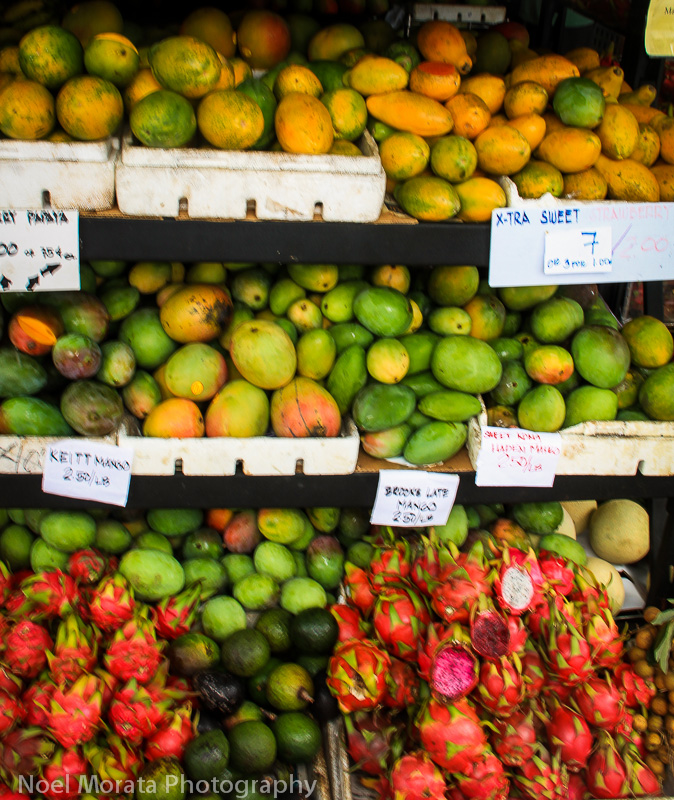
To truly appreciate mango season, one must understand that not all mangoes are created equal. In Hawaii, there are over 60 varieties of mangoes grown, each with its own profile of sweetness, fiber content, and acidity.
The Haden: The Gold Standard
The Haden mango is arguably the most famous variety in the islands. Known for its brilliant red and yellow skin and its rich, aromatic flavor, the Haden is the quintessential Hawaiian mango. It was introduced to the islands in the early 20th century and has since become the benchmark against which all other mangoes are measured. Its texture is firm but smooth, making it ideal for eating fresh or using in desserts.
The Rapoza: Large and Luscious
For those who prefer a mango with very little fiber, the Rapoza is the prize. These fruits can grow to be quite large and turn a beautiful purple-red when ripe. Because they have a smaller pit relative to their size, they offer a significant amount of “meat.” The Rapoza is often the favorite of local chefs in Honolulu for creating high-end pastries and purees.
The Pirie: A Local Favorite
The Pirie mango is often described as having a “spicy” or complex sweetness that sets it apart from the more straightforward Haden. It is a smaller fruit, often greener in appearance even when ripe, and is highly prized by local families. Because Pirie trees can be temperamental and don’t produce a heavy crop every year, finding them at a market is often considered a stroke of good luck.
Culinary Traditions and How to Enjoy the Harvest
The arrival of mango season triggers a transformation in local kitchens. While eating a perfectly ripe mango over the kitchen sink is a time-honored tradition, the fruit finds its way into nearly every aspect of Hawaiian cuisine during the summer months.
Pickled Mango: A Tangy Delicacy
One of the most unique ways mangoes are consumed in Hawaii is “pickled mango.” Often made from green (unripe) mangoes, this snack is a staple of local culture. The fruit is sliced and soaked in a mixture of vinegar, sugar, salt, and sometimes Chinese 5-spice or Li Hing Mui (dried plum powder). The result is a crunchy, tart, and sweet treat that evokes deep nostalgia for many who grew up in the islands.
Mangoes in Modern Gastronomy
In the refined dining rooms of Waikiki, chefs incorporate the seasonal harvest into sophisticated menus. You might find mango-infused ceviche, mango wood-smoked meats, or elaborate tarts featuring the fruit. One notable annual event is “Mangoes at the Moana,” held at the historic Moana Surfrider. This event celebrates the harvest with cooking competitions and tastings, showcasing the versatility of the fruit in modern Pacific Rim cuisine.
The Gift of Mangoes
In Hawaiian culture, food is a primary language of affection and community. During peak season, it is common for people to bring bags of mangoes to their workplace, doctors’ offices, or social gatherings. If you are visiting a friend on the islands during this time, a gift of high-quality mangoes from a local market is often more appreciated than a bottle of wine.
Tips for the Traveling Mango Enthusiast
If you are planning your trip to Hawaii specifically to coincide with the mango harvest, there are a few practical considerations to keep in mind to ensure you get the most out of the experience.
Selecting the Perfect Fruit
Don’t be fooled by color alone. While a red blush is beautiful, many Hawaiian mangoes are perfectly ripe while still primarily green or yellow. The best way to check for ripeness is by scent and touch. A ripe mango will give slightly under gentle pressure and will have a strong, sweet aroma at the stem end. Avoid fruit with excessively soft spots or skin that appears shriveled.
Navigating Farmers Markets
To find the best selection, arrive early. Markets like the one in Kapaa or the smaller community markets in Makawao can sell out of the most popular varieties within an hour of opening. Talk to the farmers; they are usually happy to explain the flavor profiles of the different varieties they are selling and can often tell you exactly when a specific fruit will be ready to eat.
Agricultural Restrictions
It is a common heartbreak for travelers to realize they cannot take fresh mangoes back to the mainland United States. Due to strict agricultural regulations designed to prevent the spread of invasive species like the Mediterranean fruit fly, fresh mangoes are prohibited in checked or carry-on luggage when departing from Hawaii. To take the taste of the season home, look for “certified” processed mango products, such as dried mango, mango jams, or preserves, which are permitted for transport.
Respecting Private Property
While it may be tempting to pick a low-hanging fruit from a tree while hiking near Waimea Canyon or exploring the backroads of Molokai, always remember that most trees belong to someone. Picking fruit from private property without permission is considered disrespectful. Instead, look for designated “u-pick” farms or support the local economy by purchasing from roadside stands, which often operate on an “honor system” where you leave cash in a box in exchange for the fruit.
The Cultural Legacy of the Harvest
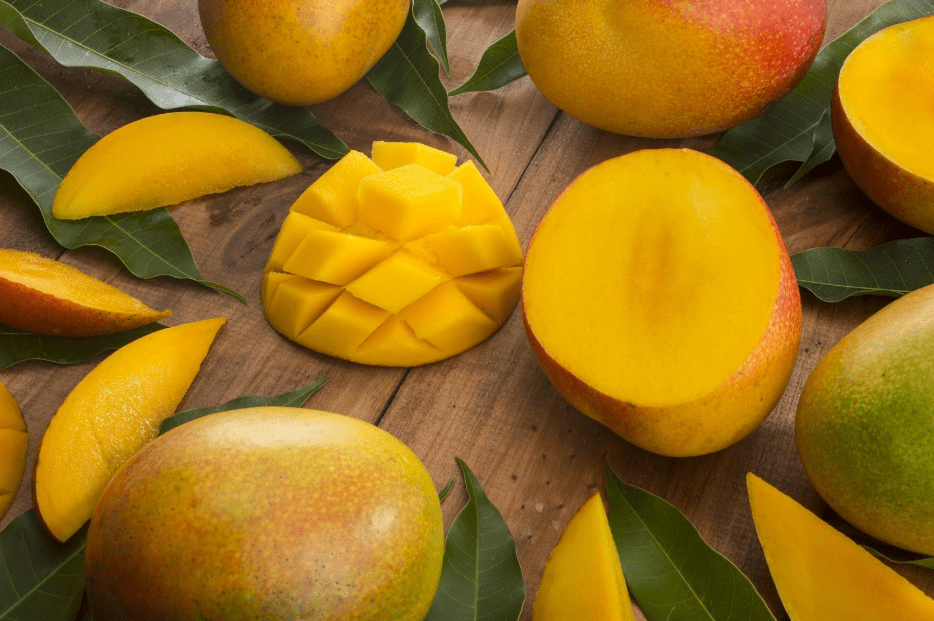
Mango season represents the abundance and generosity of the Hawaiian islands. It is a time when the pace of life seems to slow down just enough to appreciate the simple pleasure of a perfectly ripened fruit. Whether you are watching the sunset near Pearl Harbor with a sliced mango in hand or exploring the lush trails of Hawaii Volcanoes National Park, the presence of this “King of Fruits” defines the summer experience.
For the visitor, timing a trip to coincide with this season offers a deeper connection to the local lifestyle. It provides an opportunity to move beyond the typical tourist fare and engage with the rhythms of the land. From the first blossoms in the spring to the final late-season harvests on Lanai, mango season is a vibrant, delicious, and essential chapter in the story of Hawaii.
LifeOutOfTheBox is a participant in the Amazon Services LLC Associates Program, an affiliate advertising program designed to provide a means for sites to earn advertising fees by advertising and linking to Amazon.com. Amazon, the Amazon logo, AmazonSupply, and the AmazonSupply logo are trademarks of Amazon.com, Inc. or its affiliates. As an Amazon Associate we earn affiliate commissions from qualifying purchases.