
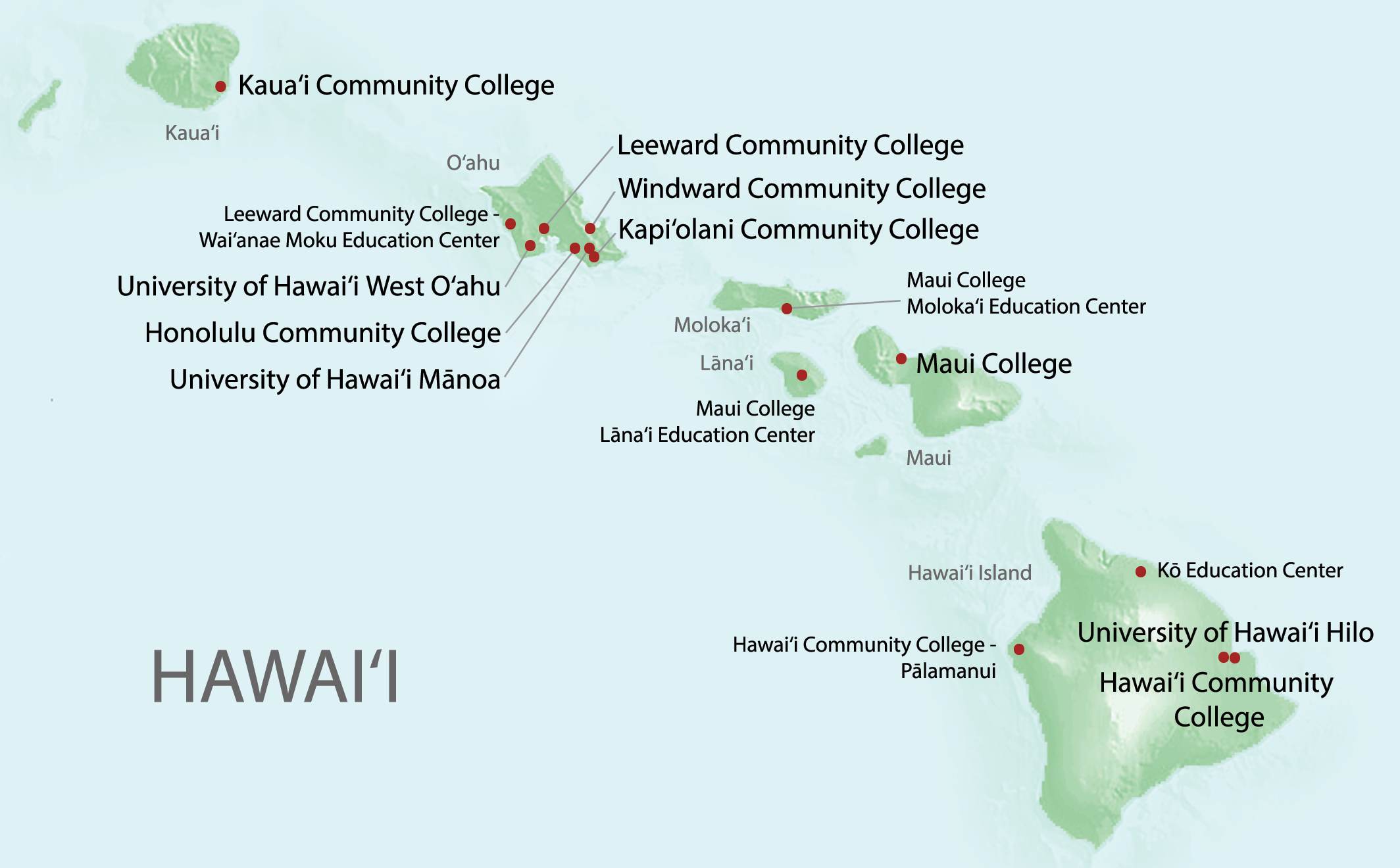
When people ask, “Where is Hawaii University located?” they are typically referring to the flagship institution of the University of Hawaii System, which is the University of Hawaii at Manoa. This sprawling educational landmark is situated in the heart of Honolulu on the island of Oahu. However, the university is not a single point on a map; it is a massive network of campuses and research facilities that span the entire Hawaiian Islands chain, serving as pillars of history, architecture, and scientific discovery in the Pacific Ocean.
The Flagship Campus: University of Hawaii at Manoa
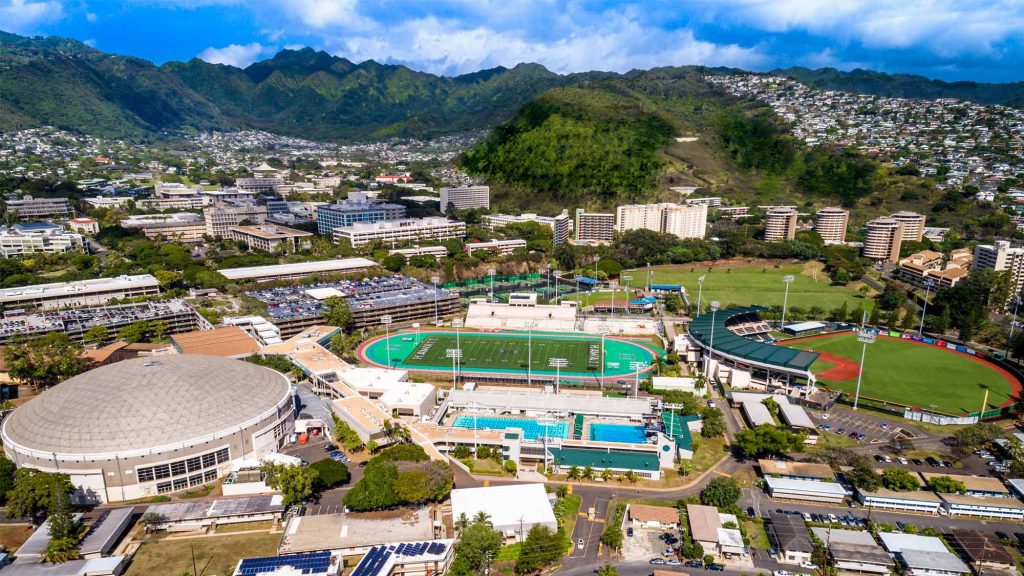
The primary campus, and the one most synonymous with the name “Hawaii University,” is located in the lush Manoa Valley. This district is roughly three miles inland from Waikiki Beach and just a short drive from the bustling financial center of Downtown Honolulu. As a landmark, the Manoa campus is celebrated for its unique blend of tropical landscapes and diverse architectural styles.
The Natural Splendor of Manoa Valley
The geography of the Manoa campus is defined by its proximity to the Ko’olau Range. Because of the valley’s unique microclimate, the university is famously known for its frequent rainbows, earning its athletic teams the name the Rainbow Warriors. Visitors to the area often view the campus as a gateway to natural landmarks such as Manoa Falls and the Lyon Arboretum, the latter of which is managed by the university and showcases thousands of tropical plant species.
Architectural Highlights of the Historic Quad
Within the Manoa campus, the Historic Quad stands as a testament to the early 20th-century development of the islands. The most iconic structure here is Hawaii Hall, the university’s first permanent building, completed in 1912. Built in a neo-classical style with distinctive local touches, it sits across from Varney Circle, a central gathering point that features a beautiful fountain and a collection of indigenous trees. Nearby, the Sinclair Library and George Hall complement this historical core, providing an architectural narrative of Hawaii’s transition into a modern educational hub.
The Statewide Reach: From Hilo to the Garden Isle
While Manoa is the administrative and historical center, the university’s presence is felt across every major island. Each regional campus serves as a local landmark that reflects the specific character of its island home.
University of Hawaii at Hilo and the Big Island
On Hawaii Island, often called the Big Island, the University of Hawaii at Hilo provides a starkly different environment than Honolulu. Located on the rainy, windward side of the island, this campus is a landmark for those interested in volcanic studies and marine biology. Its proximity to Hawaii Volcanoes National Park makes it a critical site for geological research. The campus itself is nestled between the slopes of Mauna Kea and the crashing waves of Hilo Bay.
University of Hawaii – West Oahu and Kapolei
The newest addition to the four-year university sites is University of Hawaii – West Oahu, located in the rapidly growing city of Kapolei. This campus is a landmark of modern sustainable design, featuring contemporary architecture that maximizes natural light and ventilation. It serves the Ewa Plain and the Leeward Coast, areas that have historically been agricultural but are now becoming the second urban center of Oahu.
The Maui College Landmark in Kahului
On the island of Maui, the University of Hawaii Maui College is centrally located in Kahului. It acts as a cultural and educational anchor for the Valley Isle, positioned near the Kahului Airport and the Kanaha Pond State Wildlife Sanctuary. The campus is vital for its focus on sustainable living and renewable energy, reflecting the environmental priorities of the Maui community.
Scientific and Cultural Landmarks of the University
Beyond the traditional classroom buildings, “Hawaii University” manages several of the most famous scientific and cultural landmarks in the Pacific. These sites are often what international visitors and researchers associate most strongly with the institution.
The Institute for Astronomy and Mauna Kea
One of the most prestigious landmarks associated with the university is the Mauna Kea Observatories. Located at the summit of Mauna Kea on the Big Island, this is the premier site for ground-based astronomy in the world. The university’s Institute for Astronomy manages the high-altitude precinct, which houses telescopes from various nations, including Japan, Canada, and the United States. The white domes of the telescopes against the barren, volcanic landscape of the summit make this an unmistakable geographic and scientific landmark.
The East-West Center and Japanese Garden
Back on the Manoa campus, the East-West Center is a landmark of international diplomacy and cultural exchange. Established by the United States Congress in 1960, it sits on land adjacent to the university. The Imin Center, designed by the world-renowned architect I.M. Pei, is a masterpiece of modernist architecture. Behind this building lies the Japanese Garden, a serene landmark featuring a koi pond, stone lanterns, and a traditional tea house, symbolizing the deep cultural ties between Hawaii and Asia.
Coconut Island (Moku o Lo’e)
Located in Kaneohe Bay on the windward side of Oahu, Coconut Island is a unique landmark entirely dedicated to the Hawaii Institute of Marine Biology. This 29-acre island is surrounded by a 64-acre coral reef, making it a living laboratory. For many residents and visitors, the sight of the research boats shuttling between the Lilipuna Pier and the island is a familiar part of the Kaneohe coastline.
Practical Geography for Visitors and Landmark Seekers
Understanding where “Hawaii University” is located requires a grasp of Honolulu’s layout. The Manoa campus is a primary destination for those looking to experience the history and academic culture of the islands.
Proximity to Iconic Honolulu Destinations
The university’s flagship location is strategically placed near several other major landmarks. It is situated just north of the Ala Moana Center, one of the largest open-air shopping centers in the world, and east of the Punchbowl Crater, which houses the National Memorial Cemetery of the Pacific. To the south lies Diamond Head State Monument, perhaps the most famous volcanic landmark in Hawaii.
The Kapiolani Community College campus, part of the wider university system, is actually located on the slopes of Diamond Head. This location is a landmark in its own right, famous for hosting the KCC Farmers Market, where locals and tourists gather to sample the best of Hawaiian agriculture and culinary arts.
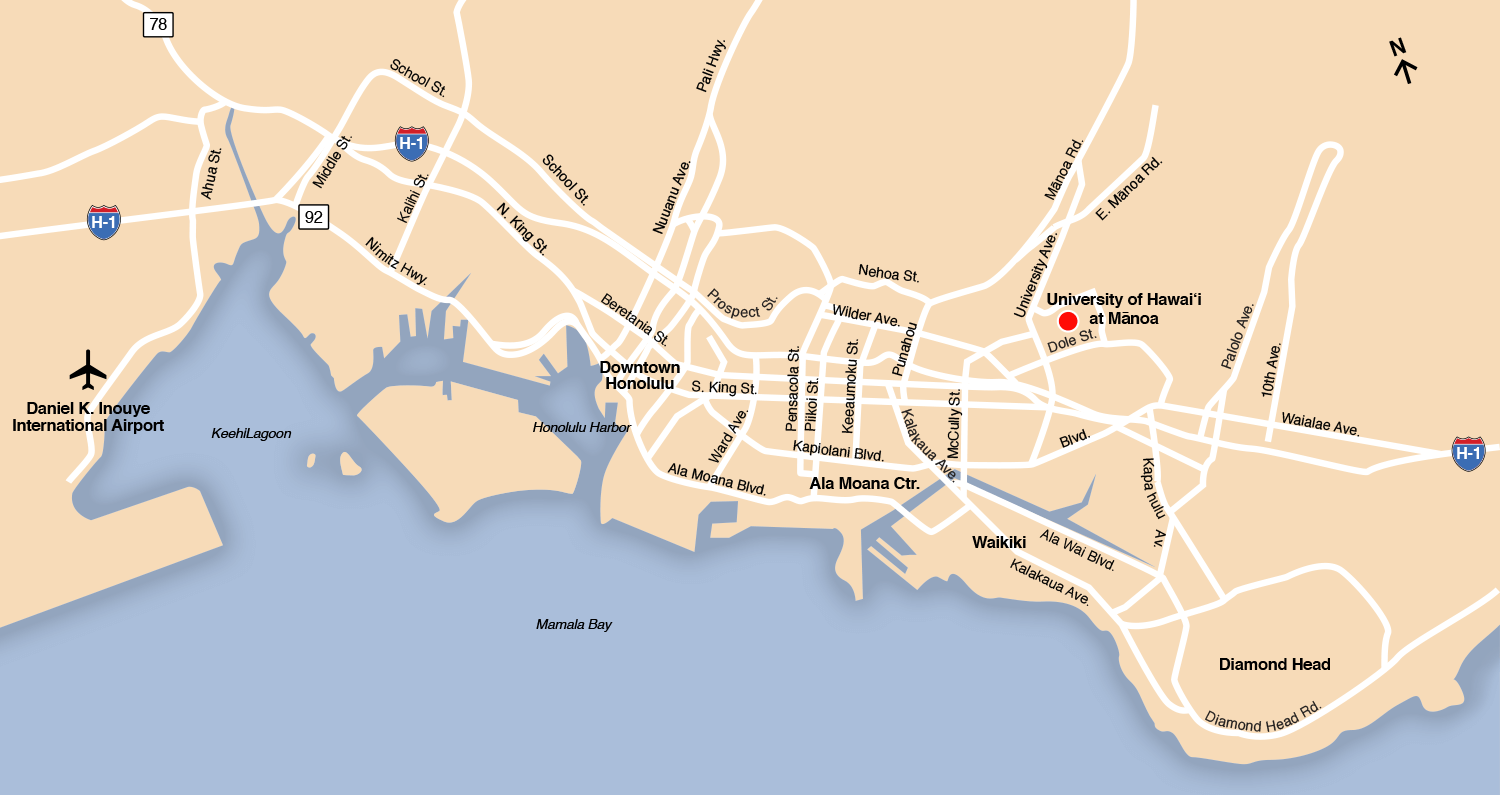
Accessing the University
For those staying in Waikiki, the Manoa campus is easily accessible via TheBus, Honolulu’s award-winning public transit system. The journey takes visitors through the historic neighborhood of Moiliili, known for its cultural landmarks like the Old Stadium Park. As one moves up University Avenue, the urban density of Honolulu gives way to the canopy of monkeypod trees and the cooler air of the valley.
In summary, when asking “Where is Hawaii University located?” the answer is as diverse as the islands themselves. While the heart of the institution beats in Manoa Valley in Honolulu, its branches reach from the astronomical heights of Mauna Kea to the marine depths of Kaneohe Bay. Whether you are looking for the historic architecture of Hawaii Hall or the modern sustainability of the West Oahu campus, the University of Hawaii System represents a collection of the most significant geographic and cultural landmarks in the Central Pacific.
LifeOutOfTheBox is a participant in the Amazon Services LLC Associates Program, an affiliate advertising program designed to provide a means for sites to earn advertising fees by advertising and linking to Amazon.com. Amazon, the Amazon logo, AmazonSupply, and the AmazonSupply logo are trademarks of Amazon.com, Inc. or its affiliates. As an Amazon Associate we earn affiliate commissions from qualifying purchases.