
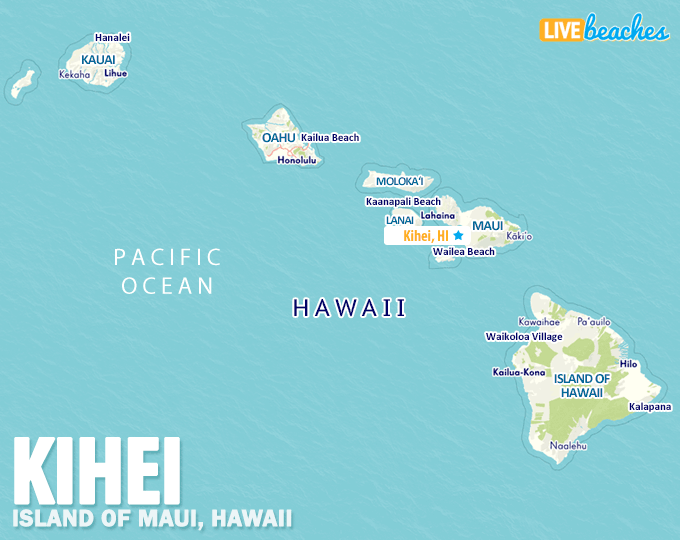
Kihei is a vibrant coastal community situated on the southwest shore of Maui, the second-largest island in the Hawaii archipelago. Known for its consistent sunshine, miles of white sand beaches, and panoramic views of the Pacific Ocean, this destination serves as a primary hub for travelers seeking an authentic island experience. Unlike the secluded resort enclaves of the north or the high-end luxury districts to its immediate south, this region offers a more accessible, laid-back atmosphere that captures the true essence of life in the United States’ most tropical state.
Geography and Location of South Maui’s Sunniest Town
Understanding where this town lies is essential for planning any trip to the Valley Isle. Geographically, the area occupies a significant portion of the South Maui coastline, stretching approximately six miles from the Maalaea area in the north down to the border of Wailea in the south. It is nestled in the “rain shadow” of Haleakala, the massive dormant volcano that dominates the island’s landscape. This positioning ensures that the region remains one of the driest and sunniest spots on the entire island, receiving significantly less rainfall than Hana or the West Maui Mountains.
The Layout of the Coastline
The town is primarily organized along two main arteries: South Kihei Road and the Piilani Highway. South Kihei Road runs directly parallel to the shoreline, providing immediate access to beach parks, local eateries, and surf shops. The northern end begins near Sugar Beach, a long stretch of sand famous for its coastal walks and windsurfing conditions. As you move south, the coastline transforms into a series of smaller, protected coves and world-class beach parks. The southern edge of the town eventually blends into the manicured landscapes of the Wailea Resort area, though the transition is marked by a distinct shift from local charm to high-end luxury.
Proximity to Major Hubs
One of the greatest advantages of this location is its proximity to Kahului Airport, the main aviation gateway for the island. Travelers arriving in Kahului can typically reach the heart of the southern coast in about 20 to 25 minutes by car. Furthermore, the town’s central location makes it an ideal jumping-off point for exploring other parts of Maui. It is positioned roughly equidistant from the historic town of Lahaina (before its recent changes) and the lush, rolling hills of Upcountry Maui. This makes it a strategic choice for those who want to experience the diversity of the island’s microclimates without spending hours in transit.
Top Attractions and Must-Visit Destinations in Kihei
The allure of this region lies in its public spaces and natural attractions. Because the town was developed with a focus on coastal access, the beaches are the primary draw for visitors from North America and beyond. The area is characterized by “Kam” beaches—three distinct beach parks that serve as the social and recreational heart of the community.
The Kamaole Beach Parks
The Kamaole Beach Park I, Kamaole Beach Park II, and Kamaole Beach Park III are often referred to by locals simply as “Kam 1, 2, and 3.” Kamaole Beach Park I is the largest, featuring a wide, sandy shore and excellent swimming conditions. It is also home to Charlie Young Beach, a more secluded section at its northern end that is perfect for sunset viewing. Kamaole Beach Park III is arguably the most popular for families, boasting a large grassy area, a playground, and consistent waves that are ideal for boogie boarding. These parks are equipped with lifesavers, showers, and picnic facilities, making them some of the most user-friendly destinations in Hawaii.
Kalama Park and Cove Park
For those interested in activities beyond swimming, Kalama Park offers a massive 36-acre oceanfront space. While not a swimming beach in the traditional sense, it features a skate park, basketball courts, and the “Cove,” which is the premier spot for beginner surf lessons on the island. Cove Park provides gentle, rolling waves that allow novice surfers to find their footing in a safe environment. On any given morning, the water here is dotted with longboards and paddleboards, creating a quintessential Hawaiian scene against the backdrop of the West Maui Mountains.
Kealia Pond National Wildlife Refuge
At the northern entrance of the town lies the Kealia Pond National Wildlife Refuge. This 700-acre wetland is one of the few remaining natural salt marshes in Hawaii and serves as a sanctuary for endangered bird species, such as the Hawaiian Stilt and the Hawaiian Coot. A scenic boardwalk winds through the refuge, offering visitors a quiet place to walk and observe the island’s unique ecology. During the winter months, the nearby Maalaea Bay becomes a prime spot for viewing Humpback Whales as they migrate to the warm Hawaiian waters.

Exploring Nearby Wonders: Day Trips from Kihei
While there is plenty to do within the town limits, its location makes it the perfect starting point for more ambitious Maui adventures. Because you are already situated in the south, you have a “head start” on several of the island’s most famous landmarks.
The Luxury of Wailea and Makena
Just a few minutes south of the town center, the landscape changes as you enter Wailea. This area is famous for its luxury resorts, high-end shopping at The Shops at Wailea, and world-class golf courses. Continuing further south leads to Makena Beach State Park, also known as “Big Beach.” This is one of the most photographed beaches in the world, featuring a massive expanse of golden sand and turquoise water. Nearby, La Perouse Bay offers a starkly beautiful landscape of jagged lava rock, marking the site of the last volcanic eruption on Maui.
Snorkeling at Molokini Crater
The town’s proximity to Maalaea Harbor is a major draw for marine enthusiasts. From this harbor, dozens of catamarans and tour boats depart daily for Molokini Crater. This crescent-shaped, partially submerged volcanic crater is a federally protected marine life conservation district. The water inside the crater is exceptionally clear, often with visibility exceeding 100 feet. Snorkelers can see a dazzling array of tropical fish, eels, and occasionally Hawaiian Green Sea Turtles. Because Maalaea Harbor is just a short drive from the northern end of town, visitors can easily book a morning snorkel excursion and be back on the beach by lunchtime.
The Scenic Road to Hana and Haleakala
Though the Road to Hana officially begins near the town of Paia on the north shore, staying on the south side provides a relatively straightforward path to the start of the journey. Similarly, a trip to the summit of Haleakala National Park is a must for any visitor. The drive from the coast to the 10,023-foot summit takes approximately two hours, transitioning through several distinct ecological zones. Watching the sunrise from the “House of the Sun” is a transformative experience, and the town’s central location makes the early morning wake-up call slightly more manageable.
Why Kihei is the Ideal Home Base for Maui Travelers
Choosing where to stay on an island as diverse as Maui can be difficult, but this region consistently ranks as a favorite for several reasons. It balances the needs of the modern traveler with the natural beauty that brings people to Hawaii in the first place.
Centralized Access to the Island
The primary reason many experienced travelers choose this area is its convenience. From a central point on the southern coast, you are never more than an hour or two away from any major attraction on the island. Whether you want to explore the lush valleys of Iao Valley State Monument or the rugged cliffs of the north shore, you are perfectly positioned. This eliminates the “resort fatigue” that can occur when staying in more isolated areas like Kapalua, where every excursion requires a lengthy drive.
The Best Whale Watching on the Island
During the winter months (typically December through April), the waters of the Auau Channel and Maalaea Bay become a playground for Humpback Whales. Because the coastline here is relatively shallow and protected, it is a preferred nursing ground for mother whales and their calves. Residents and visitors alike can often spot whales breaching and tail-slapping from the shore, particularly from vantage points like the McGregor Point Lighthouse. The accessibility of these sightings makes the region a premier destination for wildlife photography and marine education.

Local Culture and Culinary Experiences
The town is also a hub for local Hawaiian culture and food. Unlike some tourist-heavy areas that cater strictly to international palates, the dining scene here is a mix of high-end seafood and local “plate lunch” spots. Exploring the various shopping plazas along South Kihei Road reveals a wealth of hidden gems, from fresh poke shops to authentic shave ice stands. This blend of accessibility, natural beauty, and local flavor ensures that anyone asking “Where is Kihei?” will find their answer not just on a map, but in the heart of the Maui experience.
LifeOutOfTheBox is a participant in the Amazon Services LLC Associates Program, an affiliate advertising program designed to provide a means for sites to earn advertising fees by advertising and linking to Amazon.com. Amazon, the Amazon logo, AmazonSupply, and the AmazonSupply logo are trademarks of Amazon.com, Inc. or its affiliates. As an Amazon Associate we earn affiliate commissions from qualifying purchases.