
The long-running police procedural series Hawaii Five-0, both the 1968 original and the 2010 reboot, did more than just tell stories of crime and justice; it served as a sprawling visual love letter to the island of Oahu. While many television productions rely heavily on soundstages in Los Angeles or Vancouver, this production remained deeply committed to filming on location in Hawaii. This dedication allowed the show to feature genuine landmarks, from historic government buildings to breathtaking natural wonders, making the setting as much a character as Steve McGarrett or Danny Williams. For fans and travelers alike, visiting these sites offers a glimpse into the architectural heritage and natural beauty of the United States fifty-first state.
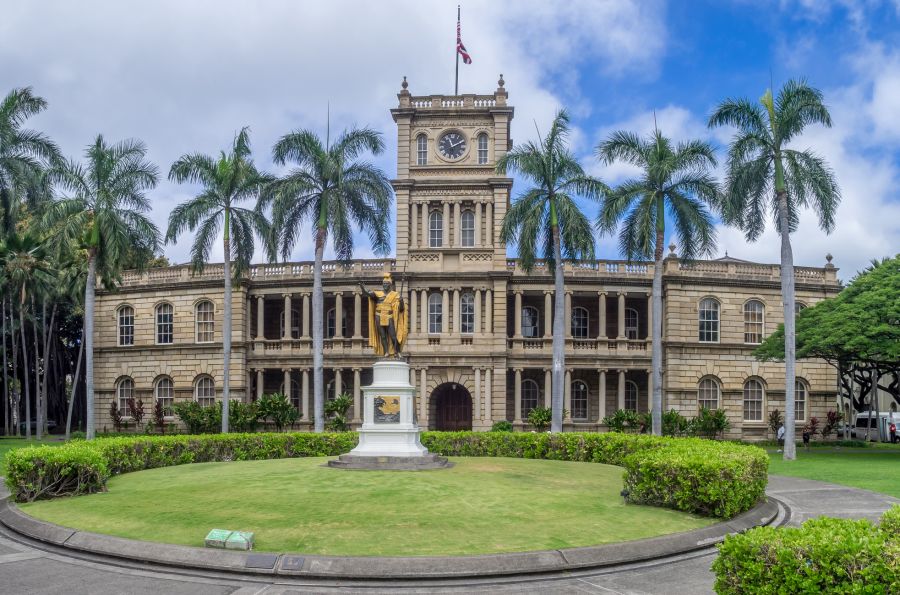
The Heart of the Command Center: Ali’iolani Hale and Historic Honolulu
Perhaps the most recognizable landmark in the entire series is the headquarters of the Five-0 task force. While the interior scenes were often filmed on a soundstage at the Hawaii Film Studio near Diamond Head, the exterior shots showcased one of the most significant architectural pieces in Honolulu.
Ali’iolani Hale: The Five-0 Headquarters
Ali’iolani Hale serves as the visual anchor for the show. Located in the heart of downtown Honolulu, this building is the actual home of the Hawaii State Supreme Court. Completed in 1874 during the reign of King Kamehameha V, its clock tower and neo-classical design reflect a period when the Kingdom of Hawaii was modernizing its infrastructure. In the show, the sweeping drone shots of the courtyard and the grand entrance provided a sense of authority and history. Visitors to the site can explore the King Kamehameha V Judiciary History Center located inside, which offers insights into the legal history of the islands.
The King Kamehameha Statue
Standing prominently in front of Ali’iolani Hale is the King Kamehameha Statue. This iconic bronze figure, draped in a gold-leafed feathered cloak and helmet, is one of the most photographed landmarks in Hawaii. It honors the monarch who unified the Hawaiian Islands in 1810. In Hawaii Five-0, the statue is frequently used in transitional shots to establish the downtown setting. It remains a site of great cultural reverence, particularly during Kamehameha Day celebrations when the statue is draped in long strands of lei.
Iolani Palace and the Capitol District
Just across the street from the headquarters lies Iolani Palace, the only royal palace on soil that is now part of the United States. While the palace itself was more prominently featured as the headquarters in the original 1968 series, the reboot frequently filmed in the surrounding Capitol District. The modern Hawaii State Capitol building, with its unique architecture symbolizing volcanoes and the ocean, often appeared in scenes involving the Governor of Hawaii. Nearby, Honolulu City Hall, known locally as Hale Puna, provided a backdrop for various municipal-themed plotlines.
Coastal Wonders and Natural Backdrops
The allure of Hawaii Five-0 was often found in its contrast between gritty police work and the pristine beauty of the Pacific landscape. The production made extensive use of the diverse ecosystems found on Oahu, from the calm waters of the south shore to the rugged cliffs of the east.
Waikiki Beach: The Urban Coastline
No show filmed in Honolulu would be complete without Waikiki Beach. This world-famous stretch of sand and surf was a frequent filming location for casual meetings between characters. The backdrop of Leahi, better known as Diamond Head, provided an unmistakable silhouette. The show often utilized the Kuhio Beach section, specifically near the Duke Kahanamoku Statue, to highlight the vibrant energy of the tourist district.
Kualoa Ranch: The Backlot of Hawaii
Located on the windward coast, Kualoa Ranch served as the primary filming site for any episode requiring dense jungles, rugged mountains, or remote valleys. This private nature reserve is often called the “backlot of Hawaii” because it has hosted productions like Jurassic Park and Lost. In Hawaii Five-0, the Ka’a’awa Valley within the ranch was used for high-stakes chases and tactical operations. The dramatic fluted ridges of the Ko’olau Mountains rising from the valley floor provided a cinematic scale that studio sets could never replicate.
The North Shore and Banzai Pipeline
When the script called for surf culture or high-intensity water scenes, the crew headed to the North Shore. Landmarks like the Banzai Pipeline and Waimea Bay were featured prominently, especially in episodes focusing on the character Kono Kalakaua. The laid-back atmosphere of Haleiwa town also served as a recurring location, offering a rustic contrast to the high-rise landscape of downtown Honolulu.
Private Residences and Luxury Estates
The homes of the characters became landmarks in their own right, reflecting their personalities and the lifestyle of the islands. The most famous of these is the McGarrett ancestral home.
The Bayer Estate: Steve McGarrett’s Home
The beachfront house where Steve McGarrett lived is a real-life historic residence known as the Bayer Estate. Located in the neighborhood of Aina Haina in East Honolulu, this coastal home was built in the 1930s and is listed on the Hawaii State Register of Historic Places. Its wide wrap-around porch and lawn leading directly to the ocean became iconic symbols of the show. Fans frequently visit the area to catch a glimpse of the “McGarrett House,” which remains a private event venue when not hosting television crews.
Hilton Hawaiian Village: A Recurring Resort Landmark
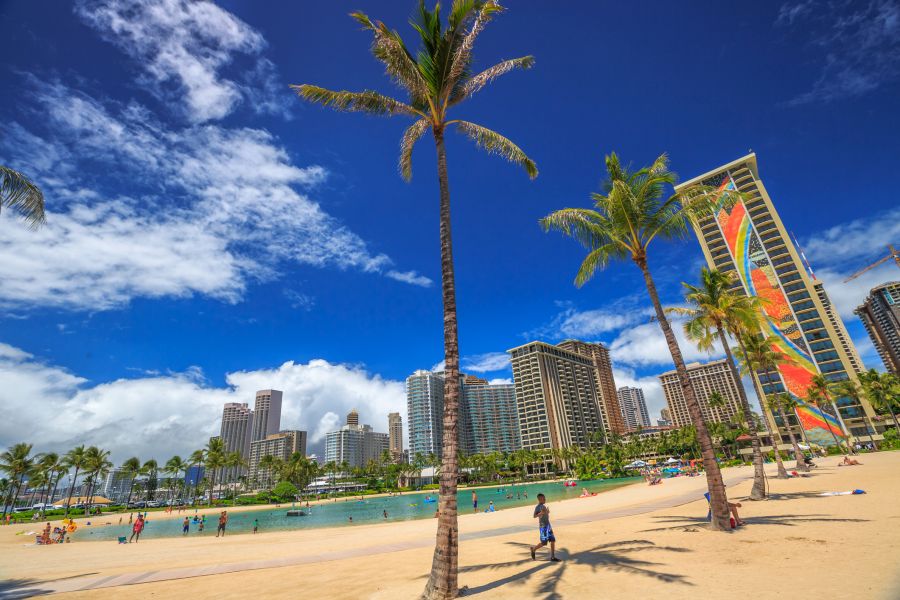
The Hilton Hawaiian Village in Waikiki played a significant role throughout the series. The resort’s Tropics Bar & Grill was a frequent hangout for the team, and the Rainbow Suite was often used for scenes involving wealthy suspects or visiting dignitaries. The resort’s iconic Rainbow Tower, featuring a massive ceramic tile mosaic, is a landmark that viewers can see in many establishing shots of the Honolulu skyline.
The Estate at China Walls
For more dramatic or villainous settings, the show often utilized the luxury estates in Portlock. The rugged lava rock formations known as China Walls nearby provided a stunning natural landmark for scenes involving the turbulent Pacific crashing against the shore. These locations emphasized the “luxury lifestyle” aspect of the show, showcasing the high-end architecture that defines parts of the Oahu coastline.
Honoring History: Pearl Harbor and The Punchbowl
Hawaii Five-0 frequently paid tribute to the military history of the islands, particularly given Steve McGarrett’s background as a Navy SEAL. This led the production to film at some of the most somber and significant landmarks in the United States.
Pearl Harbor and the USS Arizona Memorial
Pearl Harbor was more than just a filming location; it was a recurring theme in the series. The show featured the USS Arizona Memorial and the USS Missouri in several episodes, particularly those dealing with McGarrett’s father’s legacy and World War II history. Filming at these locations required immense coordination with the U.S. Navy, and the resulting scenes offered viewers a respectful look at these hallowed grounds. The Pacific Aviation Museum on Ford Island also appeared, with its historic hangars and control tower serving as authentic backdrops for action sequences.
National Memorial Cemetery of the Pacific
Commonly referred to as the Punchbowl Crater, the National Memorial Cemetery of the Pacific is a site of immense historical and emotional weight. Located in a volcanic crater overlooking Honolulu, it is the final resting place for thousands of military personnel. The show filmed several poignant scenes here, using the Honolulu Memorial and its grand staircase to convey a sense of sacrifice and honor. The panoramic views from the rim of the crater also provided the production with some of its most breathtaking shots of the city and Mamala Bay.
Tantalus Lookout and Punchbowl Neighborhoods
Surrounding the cemetery, the winding roads of Tantalus Lookout provided the setting for numerous car chases. The lush, forest-covered hills of Mount Tantalus offer a stark contrast to the urban sprawl below. These roads are famous for their sharp turns and dense canopy, making them a favorite for the show’s cinematography team to capture the diverse terrain of Oahu within minutes of the downtown core.
Modern Landmarks and Everyday Island Life
Beyond the historic and natural sites, Hawaii Five-0 captured the pulse of modern life in Honolulu by filming at popular local spots and commercial centers.
Ala Moana Center and Magic Island
The Ala Moana Center, the world’s largest open-air shopping mall, was frequently used for lifestyle scenes. Just across from the mall is Magic Island, a man-made peninsula at Ala Moana Beach Park. This landmark was a favorite for filming community events, such as the shrimp festivals or volleyball games featured in the show. The view from Magic Island looking back toward the Waikiki skyline is one of the most recognizable vistas in the series.
The Rainbow Drive-In and Local Eateries
To ground the show in local culture, the production often filmed at famous eateries. The Rainbow Drive-In in Kapahulu is a landmark of the Hawaiian food scene, known for its plate lunches. Its appearance in the show helped highlight the everyday life of residents. Similarly, while Kamekona’s Shrimp Truck was a fictional business, it was often parked at Hilton Hawaiian Village or filmed near the real Giovanni’s Shrimp Truck locations on the North Shore.

Hawaii Convention Center
The Hawaii Convention Center served as a versatile filming location. Its modern architecture, featuring glass walls and a “folding” roof inspired by Hawaiian sailing canoes, often stood in for airports, high-tech offices, or international summits. The rooftop garden, with its tropical foliage and views of the Honolulu skyline, provided a sophisticated urban landmark that complemented the show’s polished aesthetic.
By utilizing these diverse landmarks, Hawaii Five-0 did more than just film on an island; it integrated the history, culture, and geography of Oahu into the very fabric of its storytelling. From the regal halls of Ali’iolani Hale to the serene heights of Punchbowl Crater, the show remains a definitive guide to the landmarks that define Hawaii today.
LifeOutOfTheBox is a participant in the Amazon Services LLC Associates Program, an affiliate advertising program designed to provide a means for sites to earn advertising fees by advertising and linking to Amazon.com. Amazon, the Amazon logo, AmazonSupply, and the AmazonSupply logo are trademarks of Amazon.com, Inc. or its affiliates. As an Amazon Associate we earn affiliate commissions from qualifying purchases.