
The story of how Hawaii became part of the United States is a complex narrative of international diplomacy, corporate interests, and a struggle for sovereignty that is physically etched into the landmarks of Honolulu. To understand who annexed the islands, one must look beyond a single name and instead examine a collection of influential figures, legislative maneuvers, and global conflicts that converged at the end of the 19th century. Today, the historic sites of Oahu serve as silent witnesses to the transition of the Hawaiian Kingdom from an independent monarchy to an American territory.
The Royal Seat of Power: Iolani Palace and the Fall of the Monarchy
At the heart of the annexation story is Iolani Palace, a grand Florentine-style structure that stands as the only royal palace on American soil. Completed in 1882 by King Kalakaua, the palace was intended to demonstrate the sophistication and modernity of the Hawaiian Kingdom to the rest of the world. However, by the late 1880s, the palace became the center of a political firestorm.
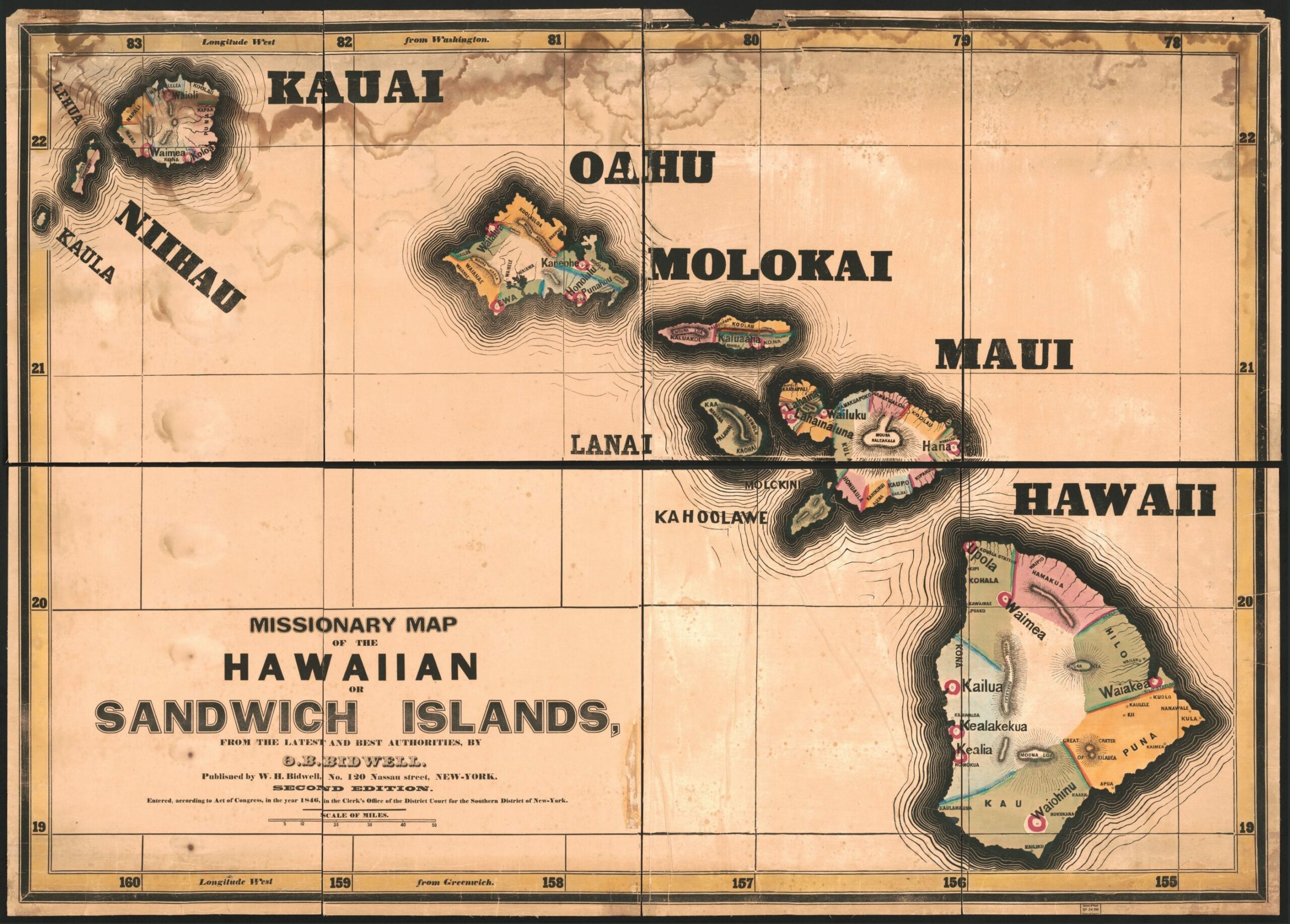
The Architecture of Sovereignty and the Bayonet Constitution
King Kalakaua was a world traveler who sought to modernize his nation, equipping Iolani Palace with electricity and telephones before even the White House in Washington possessed them. Yet, his power was severely curtailed in 1887 by a group of sugar planters and politicians known as the Hawaiian League. This group forced the King to sign the Bayonet Constitution, which stripped the monarchy of much of its authority and disenfranchised many Native Hawaiians while granting voting rights to wealthy foreign residents.
The 1893 Overthrow and the Role of John L. Stevens
When Queen Liliuokalani ascended the throne following her brother’s death, she moved to restore power to the monarchy and the people through a new constitution. This sparked immediate resistance from the Committee of Safety, a 13-member group led by Lorrin Thurston. To ensure the success of their coup, the committee sought the help of the United States Minister to Hawaii, John L. Stevens.
In January 1893, John L. Stevens ordered troops from the USS Boston to land in Honolulu. The presence of the United States Navy and Marine Corps intimidated the Queen’s forces. To avoid bloodshed, Queen Liliuokalani surrendered her authority, not to the provisional government, but to the United States government, believing that the American president would eventually restore her to power once the facts were known.
The Political Architects: From the Republic to the United States
The question of who annexed Hawaii moves from the streets of Honolulu to the halls of power in the United States. Following the overthrow, the Committee of Safety established a provisional government and immediately sought a treaty of annexation.
Sanford B. Dole and the Provisional Government
Sanford B. Dole, a lawyer and jurist born in the islands to missionary parents, was named the president of the provisional government. When the initial attempt at annexation was stalled, Sanford B. Dole declared the formation of the Republic of Hawaii in 1894. Under his leadership, the republic maintained control while waiting for a more favorable political climate in North America.
The transition was not without its critics. President Grover Cleveland was deeply skeptical of the overthrow. He dispatched James Blount to investigate the events. The resulting Blount Report concluded that the overthrow was illegal and that the majority of Native Hawaiians opposed annexation. Grover Cleveland refused to support the treaty, but he lacked the political will to forcibly restore the Queen.
The Newlands Resolution and William McKinley
The political tides turned with the election of William McKinley in 1896. Unlike his predecessor, William McKinley was an expansionist who saw Hawaii as a vital strategic asset in the Pacific Ocean. However, a formal treaty of annexation still faced stiff opposition in the United States Senate from anti-imperialists.
To bypass the two-thirds majority required for a treaty, the annexationists utilized a joint resolution, which required only a simple majority in both houses of Congress. This legislative maneuver, known as the Newlands Resolution, was introduced by Representative Francis G. Newlands. On July 7, 1898, William McKinley signed the resolution, officially annexing Hawaii to the United States.

Strategic Landmarks and the Military Influence
While political figures like Sanford B. Dole and William McKinley are the traditional answers to who annexed Hawaii, the geopolitical landscape of the era played an equally significant role. The islands were prized not just for their sugar, but for their location.
The Allure of Pearl Harbor
Long before the official annexation, the United States had eyes on Pearl Harbor. In 1887, as part of the renewal of the Reciprocity Treaty, the United States gained the exclusive right to maintain a coaling and repair station at the harbor. This deep-water port was seen as the “Key to the Pacific,” essential for protecting American trade routes to Asia. Today, Pearl Harbor is a National Historic Landmark, serving as a reminder of the military necessity that drove the annexation movement.
The Impact of the Spanish-American War
The catalyst that finally pushed the Newlands Resolution through Congress was the Spanish-American War. As the United States fought Spain in the Philippines and Guam, Hawaii became a critical mid-way point for refueling and supplies. The war underscored the strategic value of the islands, silencing many of the domestic critics of annexation who had previously argued against overseas expansion.
Preserving the Story: Historical Sites for the Modern Traveler
For those interested in the history of who annexed Hawaii, the physical landmarks of Honolulu offer the most poignant narrative. These sites are more than just architecture; they are the stages where the drama of a nation’s transformation unfolded.
Washington Place and the Queen’s Legacy
Washington Place was the private residence of Queen Liliuokalani. Built by her father-in-law, it was here that she retreated after the overthrow and where she lived until her death in 1917. The home is a landmark of resilience, housing the legacy of a monarch who spent her final decades fighting for the rights of her people. It stands today as a museum and a symbol of the Hawaiian Kingdom’s enduring spirit.
Aliiolani Hale and the Judicial Center
Directly across from Iolani Palace stands Aliiolani Hale. Originally commissioned by King Kamehameha V as a palace, it was repurposed during construction to serve as the government headquarters. During the 1893 overthrow, the Committee of Safety read their proclamation of the provisional government from the steps of this building. Today, it houses the Hawaii State Supreme Court and features the iconic Statue of King Kamehameha in its courtyard.
The Royal Mausoleum and the End of an Era
To see the resting place of the monarchs who witnessed these changes, one must visit Mauna Ala, the Royal Mausoleum. Located in the Nuuanu Valley, this sacred ground holds the remains of the Kamehameha and Kalakaua dynasties. It is one of the few places in Hawaii where the Hawaiian flag can fly alone, without the United States flag, signifying its unique status as sovereign soil.
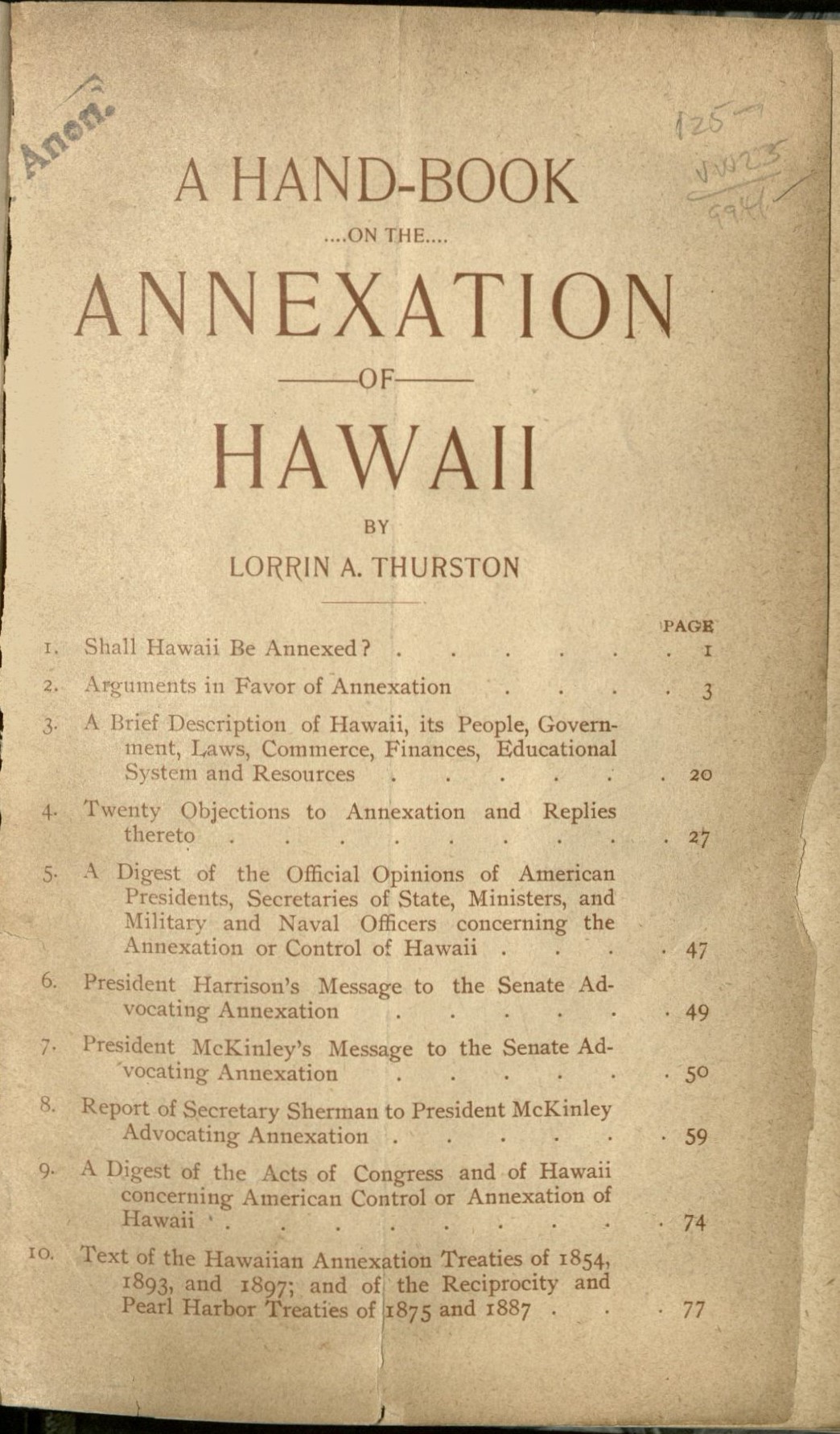
The Modern Landscape of the 50th State
The question “Who annexed Hawaii?” is often answered with names like Sanford B. Dole and William McKinley, but the legacy of that annexation is felt in every corner of the state today. From the bustling streets of Waikiki to the volcanic heights of Diamond Head, the history of the islands is a blend of Polynesian heritage and American influence.
The Bishop Museum, founded by Charles Reed Bishop in memory of Princess Bernice Pauahi Bishop, serves as the premier institution for preserving the history of Hawaii and the Pacific. Here, visitors can see the royal regalia, artifacts, and documents that tell the full story of the kingdom, the overthrow, and the eventual annexation.
In 1993, on the 100th anniversary of the overthrow, the United States government issued a formal apology to Native Hawaiians. This “Apology Resolution” acknowledged that the overthrow occurred with the active participation of American agents and that the Native Hawaiian people never directly relinquished their claims to their inherent sovereignty.
Today, visiting the landmarks of Honolulu is an essential experience for any traveler. Places like the Nuuanu Pali Lookout provide a sense of the ancient battles that unified the islands, while the historic district of Honolulu provides the context for their controversial entry into the United States. Understanding who annexed Hawaii requires a journey through these sites, acknowledging both the grandeur of the monarchy and the geopolitical forces that reshaped the Pacific forever.
LifeOutOfTheBox is a participant in the Amazon Services LLC Associates Program, an affiliate advertising program designed to provide a means for sites to earn advertising fees by advertising and linking to Amazon.com. Amazon, the Amazon logo, AmazonSupply, and the AmazonSupply logo are trademarks of Amazon.com, Inc. or its affiliates. As an Amazon Associate we earn affiliate commissions from qualifying purchases.