
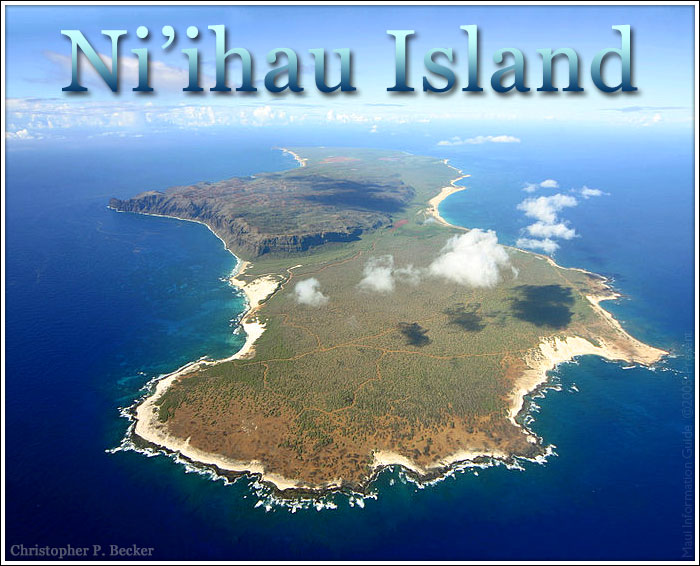
The Niihau Island, often referred to as the “Forbidden Island,” remains one of the most enigmatic and preserved landmarks in the United States. Located just 17 miles southwest of Kauai, this private sanctuary stands as a testament to a bygone era, resisting the rapid modernization that has transformed much of the Hawaiian Islands. To understand who owns this unique piece of land is to delve into a rich tapestry of history, royal decrees, and a family’s unwavering commitment to cultural preservation.
The Historical Acquisition of Niihau
The story of the ownership of Niihau Island is not a modern real estate transaction but a historical legacy that began in the mid-19th century. The island’s status as a private estate is rooted in the decisions made by the Kingdom of Hawaii during a time of significant transition for the archipelago.

The Sinclair Family Legacy
In 1864, Elizabeth Sinclair, a widow from Scotland who had been living in New Zealand, arrived in the Hawaiian Islands with her family. Seeking a permanent home and a place to establish a ranch, the Sinclair Family looked toward the westernmost islands of the chain. Elizabeth Sinclair was a woman of remarkable foresight and determination. Upon arriving in Honolulu, she caught the attention of the Hawaiian monarchy, who were at the time considering the sale of certain crown lands to boost the kingdom’s treasury and promote agricultural development.
The purchase of Niihau Island was finalized for the sum of $10,000 in gold. This transaction was not merely a commercial exchange but a transfer of stewardship. The Sinclair Family brought with them livestock and a vision for a self-sustaining community, which would eventually define the island’s character for the next century and a half.
The Royal Sale by King Kamehameha V
The sale was authorized by King Kamehameha V, the reigning monarch of the Kingdom of Hawaii at the time. Legend has it that the King made a specific request to the Sinclair Family upon the transfer of the land. He asked that they protect the island and its inhabitants from the outside influences that were already beginning to change the face of Oahu and Maui.
The King’s desire was to ensure that the Native Hawaiians living on the island could maintain their traditional lifestyle, language, and culture. Elizabeth Sinclair and her descendants took this request to heart, establishing a policy of isolation that has largely persisted to this day. This royal connection is why Niihau Island remains a unique historical landmark, reflecting the sovereign decisions of the Hawaiian Monarchy.
The Robinson Family and the Era of Private Ownership
As the years passed, the ownership of Niihau Island transitioned through the descendants of the Sinclair Family. Specifically, it passed into the hands of the Robinson Family, following the marriage of Elizabeth Sinclair’s daughter to a member of the Robinson Family.
Protecting the Hawaiian Way of Life
Aubrey Robinson, the grandson of Elizabeth Sinclair, became one of the most influential figures in the island’s history. Under his management, the island was closed to outsiders in 1915. This was a move intended to protect the residents from the Spanish Flu epidemic, but it also served to solidify the island’s isolation.
The Robinson Family viewed their role as one of paternalistic guardianship. They maintained the island as a working cattle and sheep ranch, and they ensured that the residents of Niihau Island were the only people in the world who spoke Niihau Hawaiian as their primary language. This commitment to cultural preservation has made Niihau Island a living landmark of indigenous heritage.
The Current Stewardship
Today, the island is owned by Bruce Robinson and Keith Robinson, the great-great-grandsons of Elizabeth Sinclair. The brothers have continued the family tradition of strict privacy and environmental conservation. While many have criticized the restricted access, the Robinson Family argues that it is the only way to protect the fragile ecosystem and the traditional lifestyle of the roughly 70 to 200 permanent residents.
The brothers manage the island’s resources carefully. Keith Robinson is particularly known for his work in preserving endangered Hawaiian plants, turning parts of the island into a botanical sanctuary for species that are extinct elsewhere. Their ownership is characterized by a deep sense of responsibility toward the land and its history, ensuring that Niihau Island remains a pristine example of the Pacific Ocean ecosystem.
The “Forbidden Island” as a Natural and Cultural Landmark
Niihau Island is more than just a private property; it is a significant geographic and cultural landmark within the United States. Its isolation has allowed it to remain a sanctuary for both people and wildlife, largely untouched by the developments seen in Lihue or Kailua-Kona.
Geographic Features and Geological Origin
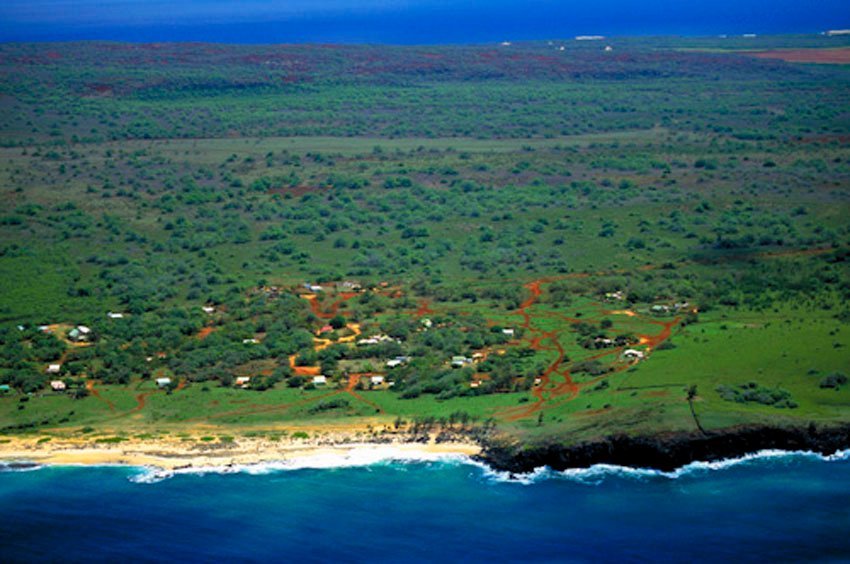
Geologically, Niihau Island is about 6 million years old, making it one of the older islands in the Hawaiian chain. It is a relatively low-lying island compared to its neighbors, with its highest point being Mount Paniau, which rises to 1,281 feet. The island’s arid climate is a result of being in the rain shadow of Kauai, leading to a unique landscape of scrubland and seasonal lakes.
One of the most notable landmarks on the island is Lake Halulu, which is the largest natural lake in Hawaii. This brackish lake provides a critical habitat for various bird species and is a rare feature in an archipelago characterized more by its volcanic peaks and rainforests than its wetlands.
Puuwai Village: The Heart of the Island
The primary settlement on Niihau Island is the village of Puuwai. This community is the only one of its kind in the United States. There are no paved roads, no telephone lines, and no running water systems in the traditional sense. Residents rely on rainwater harvesting and solar energy.
Puuwai is the cultural heart of the island where the traditions of the Polynesians are still practiced daily. The residents are renowned for their craftsmanship, particularly the creation of Niihau Shell leis. These intricate necklaces, made from the tiny shells found on the island’s beaches, are highly prized and are the only shells in the world that are legally classified as gems. These leis are a significant cultural landmark in themselves, representing the artistic heritage of the Niihau Island people.
Ecological Preservation and Wildlife Sanctuary
The restricted access enforced by the Robinson Family has had a profound impact on the island’s ecology. Because the island is not subjected to mass tourism or commercial development, it has become an unintended sanctuary for some of the rarest species in the Pacific Ocean.
Rare Flora and Fauna of Niihau
Niihau Island serves as a critical refuge for the Hawaiian Monk Seal, one of the most endangered marine mammals in the world. The quiet, undisturbed beaches of Niihau Island provide the perfect environment for these seals to pup and bask. Additionally, the island’s coastal areas are frequented by Green Sea Turtles, who find safety in the island’s protected waters.
The island is also home to several species of endangered Hawaiian waterbirds, including the Hawaiian Coot and the Hawaiian Stilt. These birds thrive in the seasonal wetlands and the shores of Lake Halulu. The absence of common invasive species found on other islands has allowed these native populations to maintain a foothold.
The Significance of Lehua Island
Located just north of Niihau Island is the crescent-shaped Lehua Island. While it is a separate landmass, it is closely associated with the Niihau Island estate. Lehua Island is a state-designated seabird sanctuary and is home to one of the largest and most diverse seabird colonies in the Hawaiian Islands.
The Lehua Crater is a prominent landmark that can be seen from the western shores of Kauai. The efforts to eradicate invasive rats on Lehua Island have been a major conservation success, further highlighting the region’s importance as a natural landmark focused on biological restoration.
The Future of Niihau in the Modern World
The ownership of Niihau Island remains a topic of fascination and occasionally controversy. As the world becomes more interconnected, the isolation of the “Forbidden Island” faces new challenges.
Balancing Tradition with Modernity
While the Robinson Family maintains their policy of restricted access, they have introduced limited tourism to help fund the island’s maintenance and conservation efforts. These take the form of highly controlled helicopter tours and hunting excursions, which do not allow visitors to interact with the residents of Puuwai. This approach is designed to generate necessary revenue without compromising the privacy or culture of the island’s inhabitants.
The residents themselves face the challenge of modern influence. With the availability of modern technology and the need for medical care often requiring trips to Kauai or Oahu, the boundary between Niihau Island and the rest of the United States is more porous than it once was. However, the core identity of the island as a private, protected landmark remains intact.
Legal Status and Sovereignty
The unique legal status of Niihau Island as a privately owned island within the State of Hawaii is a rarity. Unlike Lanai, which is also largely privately owned but integrated into the state’s tourism and residential infrastructure, Niihau Island operates almost like a sovereign estate under the stewardship of the Robinson Family.
This stewardship is governed by the original deed from the Kingdom of Hawaii, which has been upheld through various legal transitions, including the annexation of Hawaii by the United States and the subsequent statehood in 1959. Niihau Island remains a landmark of private property rights and cultural preservation, standing as a silent witness to the complex history of the Pacific Ocean region. Its ownership is not just about a title deed, but about the preservation of a legacy that dates back to a queen’s purchase and a king’s request.
LifeOutOfTheBox is a participant in the Amazon Services LLC Associates Program, an affiliate advertising program designed to provide a means for sites to earn advertising fees by advertising and linking to Amazon.com. Amazon, the Amazon logo, AmazonSupply, and the AmazonSupply logo are trademarks of Amazon.com, Inc. or its affiliates. As an Amazon Associate we earn affiliate commissions from qualifying purchases.