
For many travelers, the first sound they hear upon arriving in Hawaii isn’t the gentle crashing of waves or the melodic strumming of a ukulele. Instead, it is the sharp, persistent crowing of a rooster. Whether you are stepping off a plane at the Lihue Airport or enjoying a luxury breakfast in Waikiki, the presence of feral chickens is an inescapable and fascinating part of the local tourism landscape. These birds have become an unofficial mascot of the islands, particularly on Kauai, sparking curiosity among visitors who wonder how a domesticated farm animal became a wild, ubiquitous feature of a tropical paradise.
Understanding the story of the Hawaiian chicken is essential for any traveler looking to immerse themselves in the local culture. It is a tale that blends ancient migration, colonial history, natural disasters, and the unique ecological balance of the Pacific Ocean islands.
The Ancestral Journey: From Polynesia to the Pacific
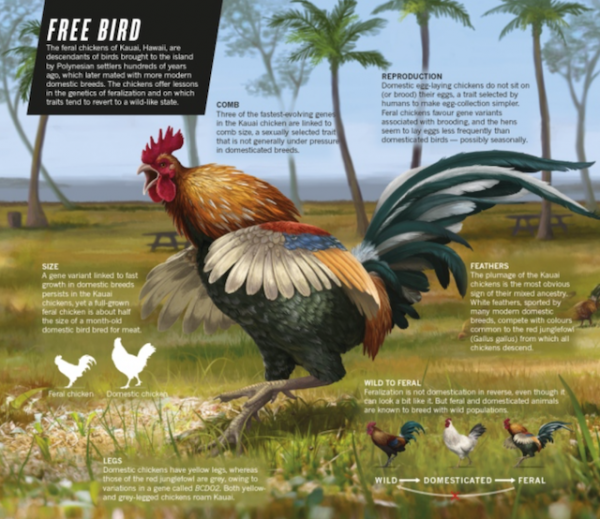
The presence of chickens in the Hawaiian Islands is not a modern accident. Their history begins over a thousand years ago with the first Polynesian voyagers. These skilled navigators traveled across vast stretches of the ocean in double-hulled canoes, bringing with them “canoe plants” and essential livestock to sustain new settlements. Among these animals was the Red Junglefowl, known locally as “Moa.”
The Legacy of the Moa
The Moa was a vital part of early Polynesian life, providing a reliable source of protein and feathers for ceremonial capes and ornaments. Unlike the plump, heavy chickens found on modern industrial farms, these original birds were lean, flighty, and highly adaptable. When the first settlers landed on Oahu and Maui, the Moa were integrated into the local ecosystem.
For centuries, these birds lived in a semi-wild state near villages. When Captain James Cook arrived in the islands in 1778, he noted the presence of these birds, which had already established a firm foothold in the local environment. This ancestral lineage is still present in the DNA of the feral chickens travelers see today, particularly in the more remote areas of the Big Island and the valleys of Kauai.
Colonial Influence and New Breeds
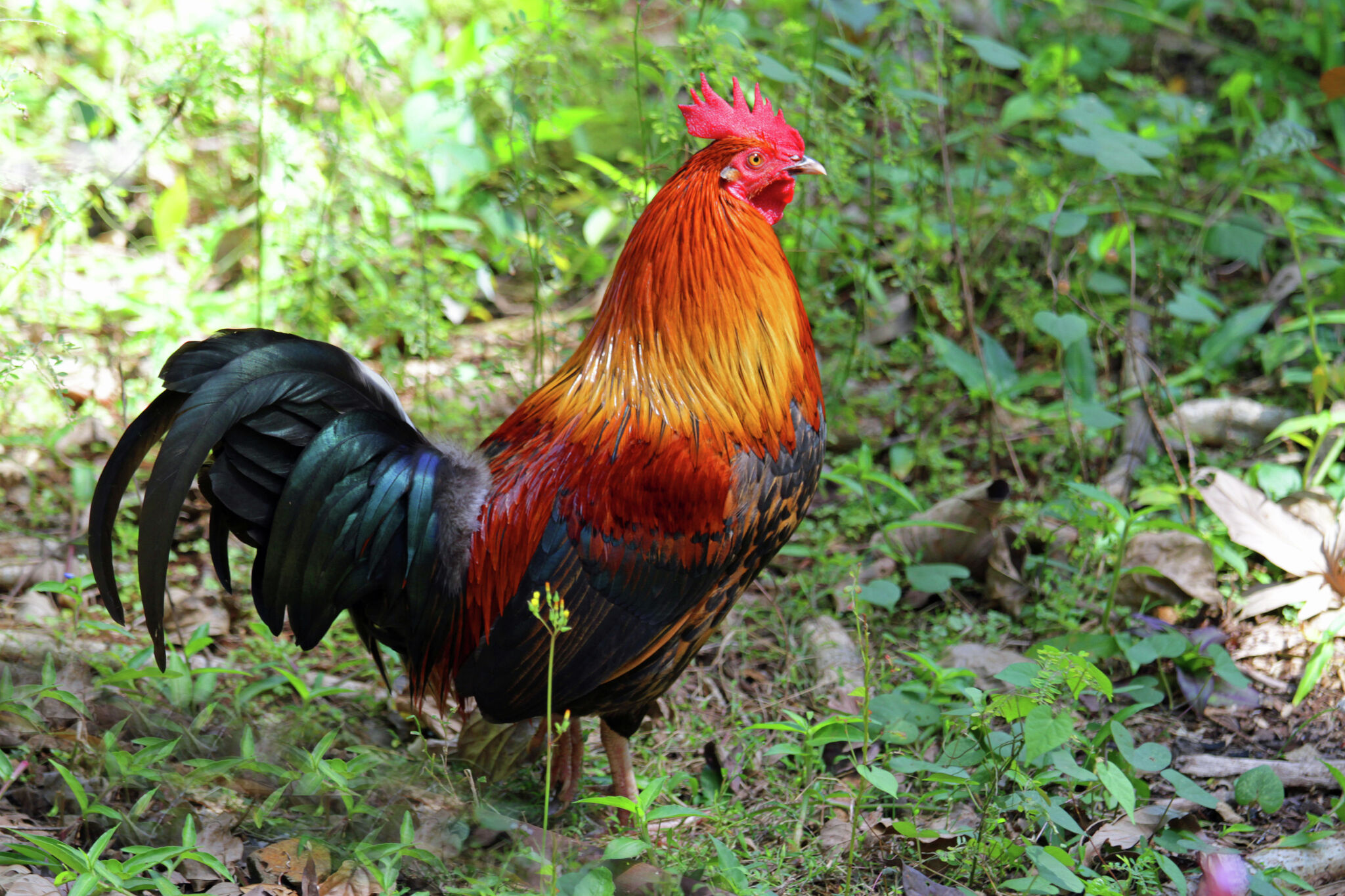
As Hawaii became a hub for international trade, more varieties of chickens were introduced from Europe and the United States. These domestic breeds were intended for egg production and meat. Over time, many of these domestic birds escaped or were released, leading to a complex hybridization between the ancient Red Junglefowl and modern domestic stock. This genetic mix is why the chickens seen in Honolulu or Hilo vary so significantly in color, size, and temperament.
The Kauai Catalyst: How Hurricane Iniki Changed the Landscape
While chickens are present on all the islands, Kauai is famously known as the “Garden Isle” of chickens. The reason for their overwhelming numbers on this specific island is tied to a significant event in modern Hawaiian history: Hurricane Iniki.
The Great Escape of 1992
In September 1992, Hurricane Iniki struck Kauai with devastating force. It was the most powerful hurricane to hit the state in recorded history, causing massive destruction to homes, infrastructure, and agriculture. Among the casualties were thousands of chicken coops. As the structures were torn apart by the winds, domestic chickens were thrust into the wild.
In the aftermath, these domestic escapees encountered the wild Moa populations that had long lived in the Waimea Canyon and the lush interior valleys. The two populations began to interbreed at an unprecedented rate. Without significant natural predators on Kauai—unlike other islands that have invasive mongooses—the chicken population exploded.
A Predator-Free Paradise
The absence of the Mongoose is a critical factor for tourism and ecology. On islands like Maui and Oahu, the mongoose was introduced to control rat populations in sugar cane fields (a failed experiment, as rats are nocturnal and mongooses are diurnal). However, mongooses are efficient predators of ground-nesting birds and eggs. Because the mongoose was never successfully established on Kauai, the feral chickens face very little opposition, allowing them to thrive in every niche, from the beaches of Poipu Beach to the peaks of Mount Waialeale.
Tourism and the Chicken: What Visitors Should Expect
For the millions of tourists who visit Hawaii annually, the feral chickens are more than just a biological curiosity; they are a constant companion. From a tourism perspective, these birds offer a unique, albeit sometimes noisy, charm to the island experience.
Encountering Wildlife in Unexpected Places
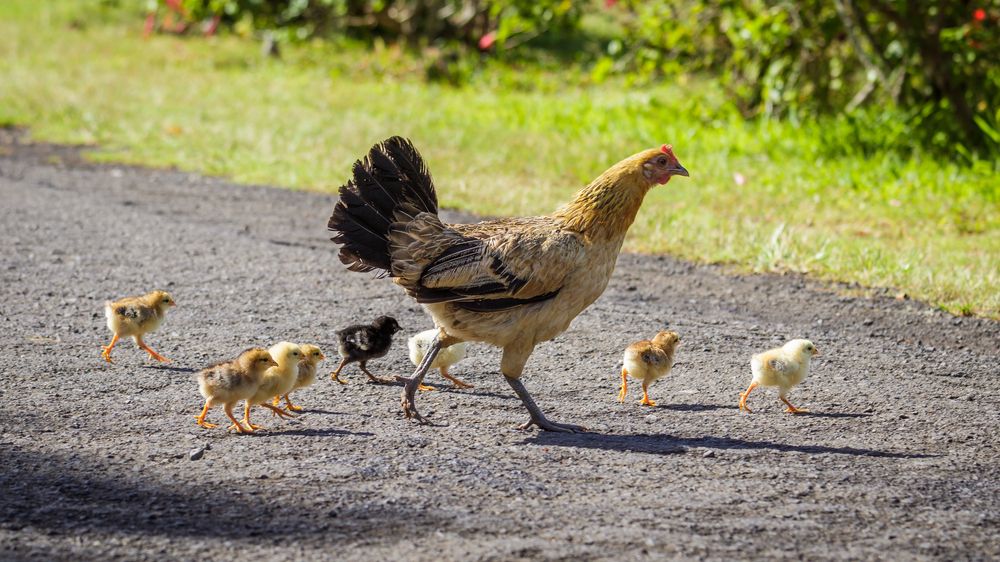
It is not uncommon to see a mother hen and her trail of chicks crossing the road in Kapaa or foraging for crumbs under a table at a luxury resort in Hanalei. For families traveling with children, these encounters are often a highlight of the trip. The birds are generally used to humans, though they remain wild animals.
However, visitors should be aware of “The Rooster Alarm Clock.” In Hawaii, roosters do not just crow at dawn; they crow at midnight, 3:00 AM, and throughout the heat of the day. If you are staying in a rental home or a resort near a wooded area, such as those found on the North Shore, earplugs may become your most valued travel accessory.
Tips for Responsible Interaction
When engaging with the local environment, it is important for tourists to follow local guidance regarding the feral population:
- Do Not Feed the Chickens: While it might be tempting to toss a piece of bread to a chick, this encourages aggressive behavior and leads to overpopulation in high-traffic tourist areas. Many resorts, such as the Grand Hyatt Kauai Resort and Spa, have signs explicitly asking guests to refrain from feeding the wildlife.
- Drive Carefully: Chickens often wander onto highways and local roads. In areas like Lihue, local drivers are accustomed to slowing down for a crossing flock, and visitors are encouraged to do the same to maintain the slow, respectful pace of island life.
- Respect Private Property: If you are chasing the perfect photo of a colorful rooster, ensure you are not trespassing on residential property or sensitive agricultural lands.
The Cultural and Ecological Significance of the Hawaiian Chicken
The presence of these birds has sparked ongoing debate among locals and policymakers. To some, they are a nuisance that damages gardens and creates noise pollution. To others, they are an integral part of the “Aloha Spirit” and a reminder of Hawaii’s agricultural roots.
A Symbol in Local Art and Commerce
The tourism industry has embraced the feral chicken with open arms. In gift shops across Lahaina and Kailua-Kona, you will find t-shirts, postcards, and ornaments featuring the “Kauai Chicken.” They have become a symbol of the islands’ resilience and quirky character. Local artists often use the vibrant plumage of the roosters as inspiration for paintings and sculptures, selling them at markets like the Aloha Stadium Swap Meet.
Ecological Roles: Pest Control or Pest?
Ecologically, the chickens provide a service by consuming large quantities of insects, including the invasive Centipede and various beetles that plague local gardens. This natural pest control is highly valued by many residents. Conversely, their scratching can disturb native plant species and impact the delicate topsoil in forest reserves.
In certain areas, the birds are protected under local laws, especially those that possess strong genetic markers of the original Red Junglefowl. These birds are considered a link to the Polynesian heritage and are treated with a level of cultural reverence.
Exploring Other Island Fauna
While the chickens are the most visible, they are part of a broader ecosystem that makes Hawaii a premier destination for nature lovers. While searching for roosters, visitors might also spot the Nene, the state bird of Hawaii, which is a rare species of goose found in places like Haleakala National Park. Understanding the balance between domestic, feral, and native species is a key part of the educational experience of modern Hawaiian tourism.
Ultimately, the chickens of Hawaii represent the intersection of history and chance. They are a living legacy of the ancient voyagers and a testament to the transformative power of nature. Whether you find them charming or a bit too loud, they are an undeniable part of the fabric of the islands. Next time you find yourself at a scenic lookout in Kokee State Park, listening to a rooster’s call echoing through the canyon, you’ll know that you are hearing a story that spans thousands of miles and over a millennium of history.
LifeOutOfTheBox is a participant in the Amazon Services LLC Associates Program, an affiliate advertising program designed to provide a means for sites to earn advertising fees by advertising and linking to Amazon.com. Amazon, the Amazon logo, AmazonSupply, and the AmazonSupply logo are trademarks of Amazon.com, Inc. or its affiliates. As an Amazon Associate we earn affiliate commissions from qualifying purchases.