
To the uninitiated traveler, the sight of stacks upon stacks of blue-and-yellow cans in a grocery store in Hawaii might be a curious spectacle. While much of the mainland United States views this canned precooked pork product as a relic of the past or a punchline to a joke, in the islands of the Pacific Ocean, it is a revered staple. From high-end bistros to humble gas stations, this canned meat—produced by Hormel Foods—is woven into the fabric of local culinary identity. Understanding why this product is so popular requires a deep dive into the history, economics, and unique cultural synthesis of the Hawaiian Islands.
The Historical Roots of a Culinary Phenomenon
The story of the relationship between Hawaii and this canned meat begins not in a kitchen, but on the battlefield. The popularity of the product is inextricably linked to the geopolitical events of the mid-20th century, specifically the impact of World War II on the Pacific theater.
The Military Influence and Wartime Rations
Following the attack on Pearl Harbor in 1941, the islands became the central hub for military operations in the region. Thousands of soldiers were stationed across Oahu, Maui, and Kauai, and with them came a massive logistical challenge: how to feed a growing population in a remote location where fresh meat was difficult to transport and store.
Hormel Foods had introduced the product in 1937, and its long shelf life and lack of need for refrigeration made it the perfect ration for the military. As soldiers were served the meat for breakfast, lunch, and dinner, it inevitably flowed into the local economy. Surplus supplies were often distributed to the local population, and because fresh meat was heavily rationed and often unavailable to civilians during the war years, the canned alternative became a vital source of protein.
Post-War Economic Necessity
Even after World War II ended, the presence of the canned meat remained. The infrastructure for importing fresh goods to the islands was still developing, and the cost of shipping perishable items across the ocean meant that fresh beef and pork were prohibitively expensive for many families. The canned product was affordable, accessible, and, perhaps most importantly, it didn’t spoil in the tropical heat of Honolulu or the humid valleys of the Big Island. Over time, what began as a wartime necessity transformed into a comfort food that reminded generations of the resilience and ingenuity of the islands.
From Rations to Rituals: The Cultural Integration of Spam
What sets the Hawaiian experience apart from other regions that were exposed to military rations is how the local community embraced and elevated the ingredient. Rather than viewing it as a “lesser” meat, the diverse ethnic groups in Hawaii integrated it into their traditional cooking techniques.
The Asian-Pacific Fusion
Hawaii is a melting pot of cultures, with significant influences from Japan, the Philippines, China, and Korea. When these immigrant communities encountered the canned meat, they applied their own culinary logic to it.
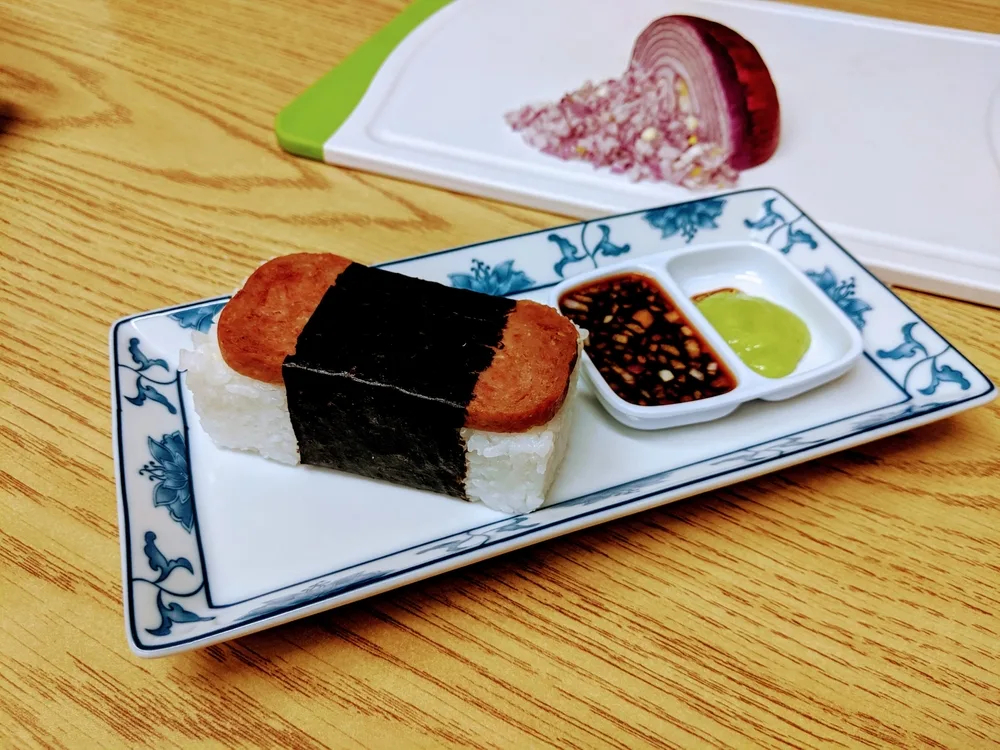
Japanese residents, for instance, applied the concept of “onigiri” (rice balls) to the meat, leading to the creation of the now-iconic Musubi. Filipino families integrated the meat into “silog” breakfasts, frying it alongside garlic rice and eggs. This cultural synthesis meant that the product was no longer just an American military ration; it had become an essential ingredient in the local “plate lunch” culture that defines Hawaii today.
The Rise of the Musubi
Perhaps the most famous iteration of this food in the islands is the Musubi. This snack consists of a slice of grilled meat placed on top of a block of white rice and wrapped in “nori” (dried seaweed). It is the quintessential grab-and-go meal for locals and tourists alike.
Whether you are at a 7-Eleven in Waikiki or a small mom-and-pop shop in Hilo, Musubi is omnipresent. Its popularity stems from its perfect balance of salty, savory meat and neutral rice, held together by the umami of the seaweed. For many who grew up in the islands, the Musubi is more than just a snack; it is a childhood memory, a school lunch staple, and a symbol of local identity.
The Culinary Versatility of Spam in Local Cuisine
To understand the popularity of the product, one must look at how it is prepared. In Hawaii, it is rarely eaten straight from the can. Instead, it is treated with culinary respect, often marinated in soy sauce and sugar (a combination known as “shoyu-sugar”) and fried until the edges are crispy and caramelized.
Breakfast Traditions
In many Hawaiian households and local diners, breakfast is incomplete without a few slices of fried meat. It is frequently served alongside “scoops” of white rice and over-easy eggs. This combination is so popular that even major fast-food chains have adapted their menus to suit local tastes. For example, McDonald’s and Burger King outlets across the islands offer specific breakfast platters featuring the canned meat, a move that would be unheard of in their mainland United States locations.
Creative Modern Interpretations
As the culinary scene in Hawaii has evolved, chefs have begun to experiment with the ingredient in more sophisticated ways. You might find “Spam fries” served with spicy mayo at a trendy gastropub in Kakaako, or even “Spam fried rice” enriched with truffle oil at a high-end resort. These modern interpretations show that the ingredient has transcended its origins as a cheap meat substitute and has earned its place in the world of gourmet fusion.
The versatility of the meat allows it to pair well with the bold flavors of the Pacific. It complements the sweetness of pineapple, the heat of sriracha, and the richness of a runny egg yolk. This adaptability is a key reason why it has remained relevant for over eighty years.
Economic Practicality and Modern Popularity
While the historical and cultural factors are significant, there is also a very practical reason for the continued dominance of the product in the Hawaiian Islands. Hawaii remains one of the most isolated island chains in the world, and this isolation dictates much of its consumer behavior.
Food Security and Logistics
Most of the food consumed in Hawaii is imported, which makes the food supply chain vulnerable to disruptions. Whether it’s a shipping strike, a major storm in the Pacific Ocean, or a global supply chain crisis, the islands are often the first to feel the impact.
In this environment, shelf-stable proteins are not just a preference; they are a necessity for disaster preparedness. Almost every household in Hawaii keeps a “hurricane stash” of canned goods, and Hormel Foods products are always at the top of the list. The reliability of the product ensures that it remains a permanent fixture in the local pantry.
High Consumption Rates
The statistics are staggering: Hawaii consumes more Spam per capita than any other state in the United States. It is estimated that residents of the islands consume roughly seven million cans per year. This high demand ensures that the product is always in stock and often featured in weekly grocery store advertisements. Because it is purchased in such high volumes, it remains one of the most affordable ways for families to incorporate meat into their daily diet, especially as the cost of living in the islands continues to rise.
Celebrating the Can: Events and Festivals
The popularity of the meat has reached such heights that it is now the subject of its own annual celebration. This festival is a testament to how much the local community prides itself on this unique culinary quirk.
The Waikiki Spam Jam
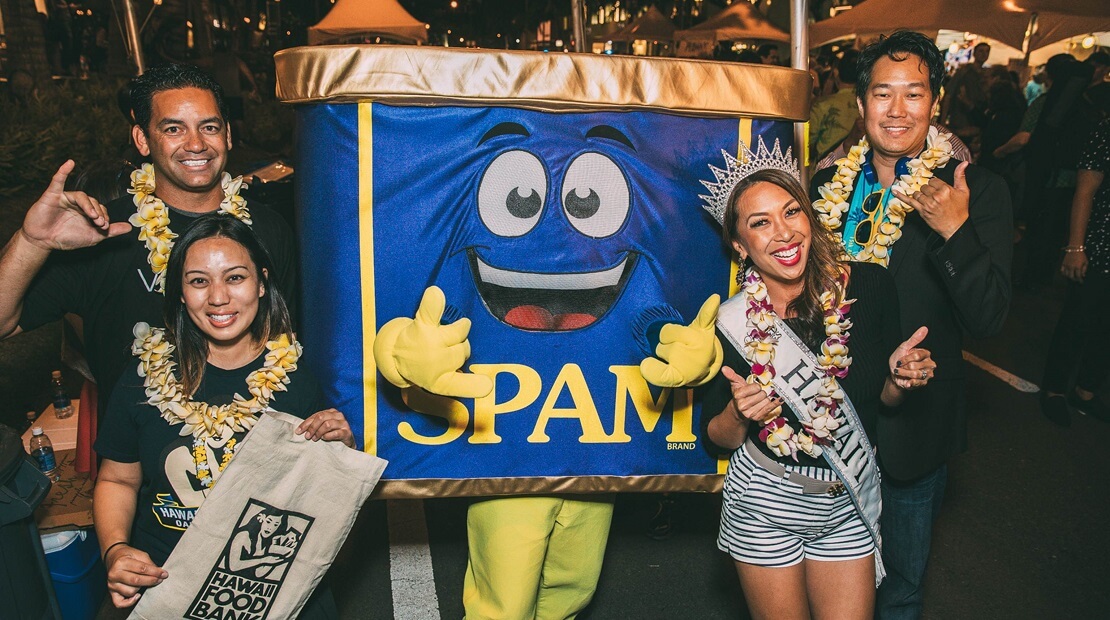
Every year, thousands of people gather on Kalakaua Avenue for the Waikiki Spam Jam. This street festival is one of the most popular events in Honolulu, featuring live music, family-friendly entertainment, and, most importantly, dozens of booths where local restaurants serve creative dishes featuring the canned meat.
From Spam sliders and Spam nachos to even Spam-flavored desserts, the festival showcases the incredible range of the ingredient. The Waikiki Spam Jam also serves a philanthropic purpose, with proceeds benefiting the Hawaii Foodbank. For tourists, it is an eye-opening experience that demonstrates the sheer enthusiasm that Hawaii has for a product that is often overlooked elsewhere.
A Global Connection
The love for this canned meat is not unique to Hawaii alone; it is a trait shared by many regions in the Pacific and Asia that had a significant military presence during the 20th century. Places like Guam, the Philippines, and South Korea share similar culinary traditions. This creates a sense of regional connection, where the blue-and-yellow can serves as a shared cultural touchstone across the Pacific Ocean. When visitors from Japan or Korea visit Oahu, they often find the local obsession with the meat to be both familiar and fascinating.
Conclusion: A Cultural Icon of the Islands
In the end, the popularity of Spam in Hawaii is a story of adaptation and aloha. It is a story of how a foreign, mass-produced product was adopted by a resilient community and transformed into something uniquely local. It represents the history of the islands—from the dark days of World War II to the bustling, multicultural society of today.
For the traveler, tasting a Musubi or a local breakfast plate is more than just a culinary curiosity; it is a way to engage with the authentic culture of the islands. It is a reminder that food is often more than the sum of its ingredients; it is a carrier of history, a builder of community, and, in the case of Hawaii, a beloved icon that resides proudly in a small blue can. Whether you are exploring the streets of Waikiki or the rural landscapes of Kauai, the presence of this canned meat is a constant, savory reminder of the islands’ unique and enduring spirit.
LifeOutOfTheBox is a participant in the Amazon Services LLC Associates Program, an affiliate advertising program designed to provide a means for sites to earn advertising fees by advertising and linking to Amazon.com. Amazon, the Amazon logo, AmazonSupply, and the AmazonSupply logo are trademarks of Amazon.com, Inc. or its affiliates. As an Amazon Associate we earn affiliate commissions from qualifying purchases.