
The landscape of global accommodation has undergone a seismic shift over the last decade. When Airbnb first entered the market, it was positioned as a budget-friendly alternative to the traditional hospitality industry, offering travelers the chance to sleep on an air mattress in a local’s spare room. Today, the platform has evolved into a multi-billion dollar giant featuring everything from urban lofts in New York City to sprawling villas in Italy. However, as the platform has matured, so have its costs. Travelers frequently find themselves at a crossroads: is the peer-to-peer rental model still the most economical choice, or have established giants like Marriott International and Hilton Worldwide regained their competitive edge?
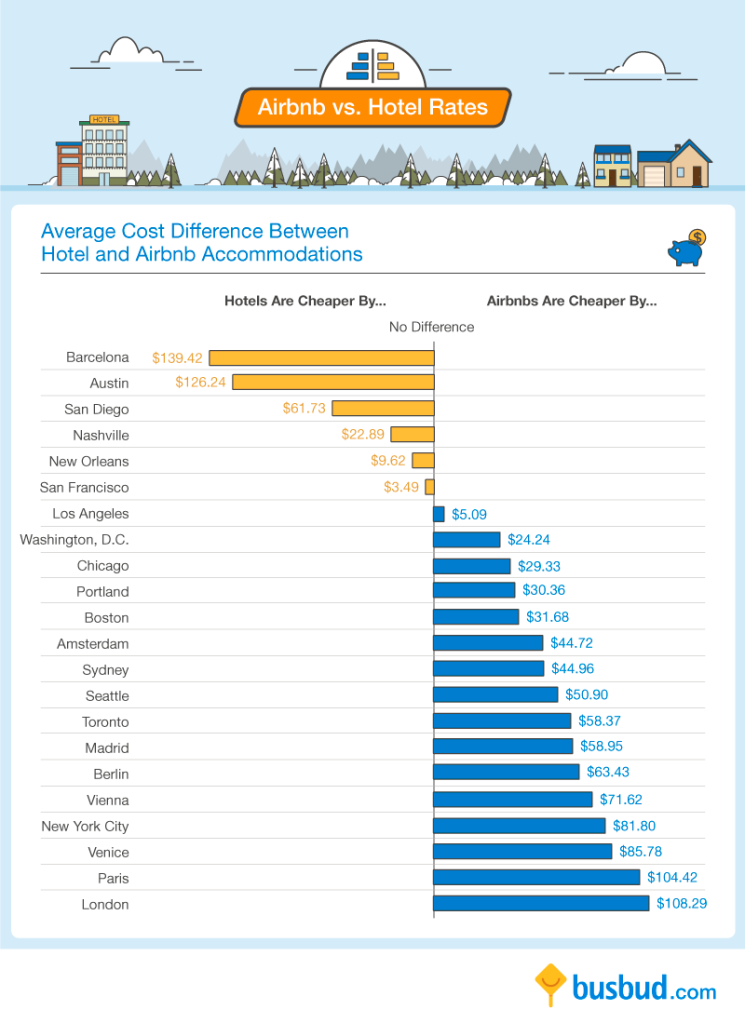
To determine whether Airbnb is truly cheaper than a hotel, one must look beyond the initial nightly rate. The answer depends heavily on the destination, the number of guests, the length of stay, and the specific amenities required for a comfortable trip.
The Economics of Booking: Base Rates vs. Final Totals
The most common mistake travelers make when comparing accommodation prices is looking only at the “sticker price” displayed in search results. In many cases, the price transparency of a traditional hotel room differs significantly from the fee structure of a short-term rental.
The Breakdown of Short-Term Rental Fees
While a hotel room usually carries a standard nightly rate plus local taxes, an Airbnb booking often includes several additional line items. Cleaning fees have become a major point of contention for users. These are set by individual hosts and can range from a nominal $20 to upwards of $200 for a single stay. Furthermore, the platform charges a service fee to guests, typically around 14% of the booking subtotal. In cities like Paris or London, local occupancy taxes are also tacked onto the final bill, which can make a seemingly affordable apartment more expensive than a mid-range room at a Holiday Inn.
Hotel Pricing Transparency and Loyalty
In contrast, hotels have moved toward greater price transparency, often driven by consumer protection laws in regions like the United States and the European Union. While resort fees are a known frustration in destinations like Las Vegas or Miami, the standard nightly rate at a Hyatt Hotels Corporation or InterContinental Hotels Group property often includes basic services that rental guests pay for separately. Additionally, hotel loyalty programs offer a layer of value that rentals cannot easily match. Points earned at a Marriott International property can lead to free nights, room upgrades, and late check-outs, effectively lowering the long-term cost of travel for frequent flyers.
Value Propositions: Space, Amenities, and Self-Sufficiency
The “cheapest” option isn’t always the one with the lowest price tag; it is often the one that offers the most value for the money spent. This is where the comparison between rentals and hotels becomes more nuanced, particularly regarding the specific needs of the traveler.
The Kitchen Advantage and Dining Costs
One of the primary ways Airbnb can be cheaper than a hotel is through indirect savings. A private apartment in Tokyo or Barcelona almost always includes a kitchen. For families or long-term travelers, the ability to cook meals rather than dining out for every breakfast, lunch, and dinner can save hundreds of dollars over the course of a week. In a hotel setting, unless you are staying at an extended-stay brand like Residence Inn, you are often limited to an expensive minibar or room service, which significantly inflates the daily budget.
Group Travel and Cost Per Head
When traveling with a large group or family, Airbnb frequently wins the price war. Booking three separate rooms at a Four Seasons Hotels and Resorts or even a Wyndham Hotels & Resorts property is almost always more expensive than renting a single four-bedroom house. In popular group destinations like Bali or Thailand, a private villa with multiple bathrooms and a shared living space offers a much lower “cost per head” than traditional hotel suites.
The Cost of Convenience and Service
However, hotels provide “hidden” value in the form of service. Daily housekeeping, a 24-hour front desk, and on-site security are standard at properties managed by Accor or Hilton Worldwide. In a rental, if a toilet breaks or the Wi-Fi fails, you are at the mercy of an individual host’s response time. For business travelers or those on a tight schedule in a city like Dubai, the reliability and predictability of a hotel are often worth the potential premium in price.

Geographic Variations: Where Hotels Win and Rentals Dominate
The price gap between these two accommodation types fluctuates wildly based on the destination’s local economy and real estate regulations.
Urban Centers and Regulatory Impact
In densely populated cities like New York City, San Francisco, and Amsterdam, strict regulations on short-term rentals have been implemented to protect the local housing market. These regulations often limit the supply of available apartments, driving prices up. In these markets, you may find that a room at a boutique hotel or a well-known chain like Marriott International is actually cheaper than a legal rental. Conversely, in cities with a high volume of new apartment inventory, such as Bangkok or Mexico City, rentals remain highly competitive and are often significantly cheaper than luxury hotels.
Prime Locations and Landmarks
Proximity to major landmarks also dictates the price difference. Staying within walking distance of the Eiffel Tower in France or the Colosseum in Rome will be expensive regardless of the accommodation type. However, hotels often occupy the most prestigious real estate. For example, staying at a hotel overlooking Times Square or Central Park might be a once-in-a-lifetime experience that an Airbnb in the same vicinity cannot replicate for the same price, especially when considering the views and accessibility.
Regional Trends in Australia and Asia
In Australia, particularly in Sydney, hotel prices can be notoriously high during the peak season. Here, rentals in residential suburbs like Bondi Beach can offer a more local experience at a lower rate than staying in the Central Business District. Meanwhile, in Japan, the rise of “minkpaku” (private lodging) has provided a cheaper alternative to the often small and expensive hotel rooms in Tokyo.
Long-Term Stays and the Digital Nomad Factor
The duration of a stay is perhaps the most significant factor in determining which option is cheaper. The accommodation market has adapted to the rise of remote work, with both hotels and rental platforms vying for the “long-term stay” demographic.
Monthly Discounts and Utilities
Airbnb is specifically designed to reward longer stays. Many hosts offer significant discounts—sometimes as high as 30% to 50%—for bookings that exceed 28 days. When you factor in that the nightly rate includes all utilities, high-speed internet, and a fully furnished living space, it becomes an incredibly cost-effective option for digital nomads living in Spain or Portugal.
Extended Stay Hotels
Hotels are fighting back with their own extended-stay brands. Companies like Hyatt Hotels Corporation have brands specifically targeting this market, offering tiered pricing based on the length of the stay. While the base price might still be slightly higher than a private apartment, the inclusion of breakfast, fitness centers, and loyalty points can narrow the gap. For someone staying a month in California, the security and amenities of a professional hotel might outweigh the marginal savings of a rental.
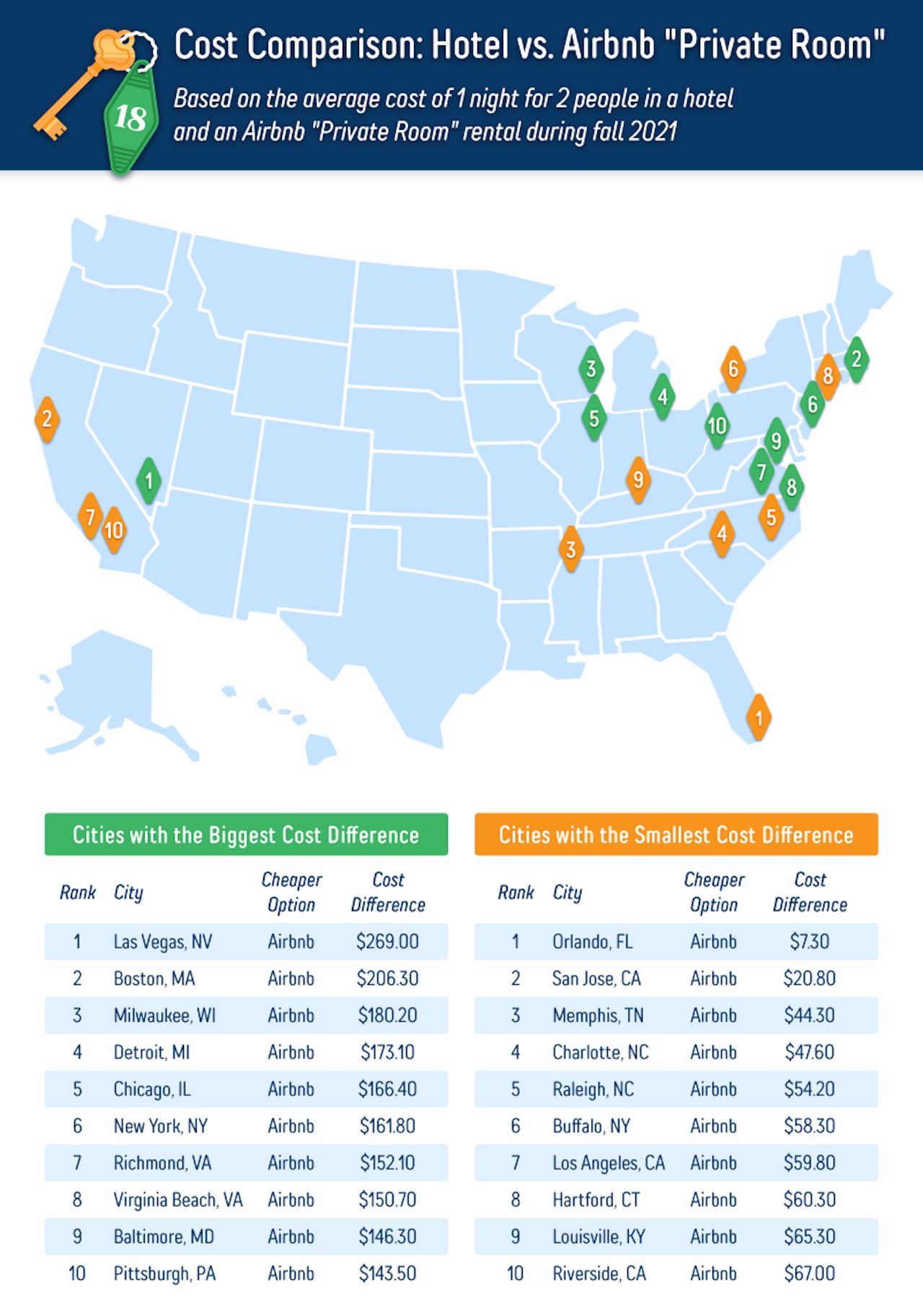
Strategic Comparison: How to Choose the Most Affordable Option
To truly find the best deal, travelers must employ a systematic approach to comparing these two types of accommodation.
- Calculate the “Total Stay” Cost: Never compare nightly rates. Add all fees, taxes, and estimated food costs for both options.
- Check the Cancellation Policy: Many Airbnb hosts have strict cancellation policies where you might lose your money even if you cancel weeks in advance. Most hotels, particularly those in the Marriott International or Hilton Worldwide portfolios, offer flexible rates that allow for free cancellation up to 24 hours before arrival.
- Factor in Transportation: A cheap rental located far from the city center of London or Paris might end up being more expensive once you account for the daily cost of trains or taxis to reach attractions like Buckingham Palace or the Louvre Museum.
- Evaluate the “Work” Involved: Staying in a hotel is a passive experience; someone else makes the bed and takes out the trash. In many Airbnb rentals, guests are expected to perform “check-out chores,” such as stripping linens or starting the dishwasher, despite paying a cleaning fee.
While Airbnb was once the undisputed king of budget travel, the rise of fees and the professionalization of the platform have leveled the playing field. In modern travel, there is no universal answer to which is cheaper. For the solo traveler visiting Tokyo for two nights, a hotel is likely the better deal. For a family of five spending a week in Florida, a rental home will almost certainly save them money. The savvy traveler must remain platform-agnostic, comparing the total cost and value of each accommodation based on their specific itinerary and needs.
LifeOutOfTheBox is a participant in the Amazon Services LLC Associates Program, an affiliate advertising program designed to provide a means for sites to earn advertising fees by advertising and linking to Amazon.com. Amazon, the Amazon logo, AmazonSupply, and the AmazonSupply logo are trademarks of Amazon.com, Inc. or its affiliates. As an Amazon Associate we earn affiliate commissions from qualifying purchases.