
In the evolving landscape of global accommodation, the question of payment flexibility is more relevant than ever. For decades, the hospitality industry was synonymous with credit card culture. Travelers heading to major destinations like New York City or London were often told that a credit card was a non-negotiable requirement for securing a room. However, as financial habits shift and younger generations opt for debt-free payment methods, the answer to “Can you book a hotel room with a debit card?” has shifted from a hesitant “no” to a nuanced “yes.”
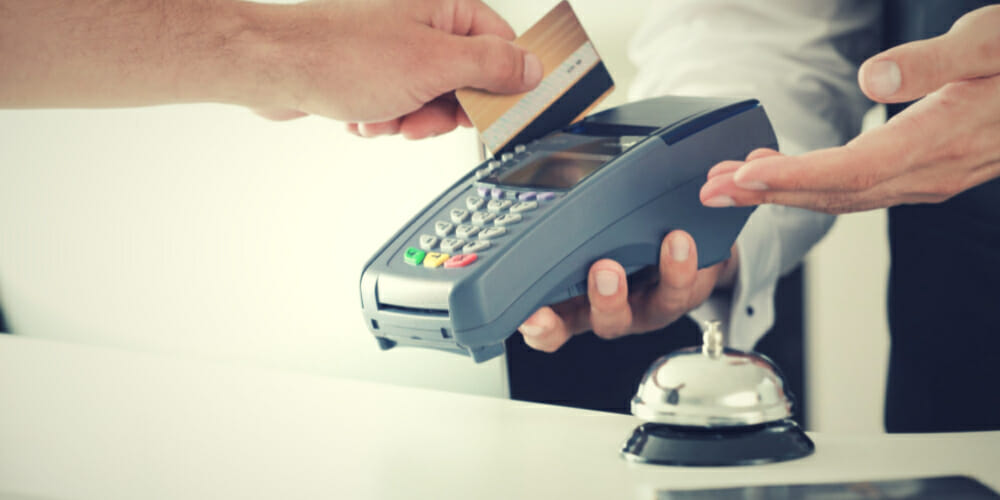
While booking a room with a debit card is increasingly possible, the process is governed by specific rules, financial implications, and brand-specific policies. Understanding these logistics is essential for anyone planning a stay at a Marriott or a boutique Hyatt property. This guide explores the intricacies of using debit cards in the accommodation sector, from authorization holds to regional differences across Europe and the United States.
The Mechanics of Booking Accommodations with Debit Cards
The primary reason hotels historically favored credit cards is security. When you book a room at a luxury establishment like The Ritz-Carlton or a massive resort like Bellagio Las Vegas, the property is essentially handing over an expensive asset—the room—without receiving full payment until the end of the stay. Credit cards provide a guarantee that the hotel can recoup costs for damages, room service, or extended stays.
Why Credit Cards Are Historically Preferred
Credit cards function as a line of credit, meaning the bank’s money is at stake initially, not the consumer’s liquid cash. For a hotel, this makes it easier to place “holds” on funds. If a guest at a Hilton property decides to raid the minibar or accidentally breaks a fixture, the hotel can simply charge the credit line. With a debit card, the hotel is accessing the guest’s actual bank balance, which introduces a different set of risks and administrative hurdles.
The Shift Toward Payment Flexibility
Despite the traditional preference for credit, the market has had to adapt. Competitive pressure from platforms like Airbnb and Booking.com has forced traditional hotel chains to become more inclusive. Today, most major brands, including Best Western and Wyndham, allow debit card bookings, provided the card carries a major logo such as Visa or Mastercard. This shift allows a broader demographic of travelers—particularly those from countries where credit cards are less common, such as Germany or Japan—to access premium accommodations.
Understanding Incidentals and Authorization Holds
The most critical factor to understand when using a debit card for a hotel stay is the “authorization hold.” This is where many travelers encounter financial frustration. When you check into a hotel in Paris or Tokyo, the front desk clerk will swipe your card. If it is a debit card, they are not just checking that the card is active; they are reserving a specific amount of money from your checking account.
The Impact on Your Bank Balance
Unlike a credit card hold, which simply lowers your available credit limit, a debit card hold effectively freezes your actual cash. If the room rate is $200 per night for three nights, and the hotel requires a $50 per night incidental deposit, a total of $750 will be “held.” Even though the hotel hasn’t “spent” that money yet, you cannot use it to buy dinner in France or souvenirs in Italy.
This hold can remain on your account for several days after you check out. While the hotel might release the funds immediately upon your departure from a Four Seasons Hotels and Resorts location, your bank may take 3 to 10 business days to process that release and make the funds available again. For travelers on a strict budget, this can be a significant hurdle.
Comparing Policies Across Major Brands
Policies regarding debit card holds vary significantly between companies. For instance, InterContinental Hotels Group (IHG) properties often warn guests at check-in that debit holds can take longer to clear. Meanwhile, budget-friendly options like Motel 6 may have lower incidental requirements than a high-end stay at The Venetian Las Vegas. It is always advisable to call the specific property in advance, especially in high-traffic cities like Miami or Chicago, to ask about their specific “debit card incidental policy.”
Challenges and Solutions for Debit Card Users

While booking with a debit card is possible, it is not without its risks. The most common issue is the potential for overdrafts. If a traveler is unaware of the authorization hold and continues to spend money during their trip to Canada or Mexico, they may find their account overdrawn when the hotel hold is applied.
Risks of Overdrafts and Frozen Funds
If your bank account has $1,000 and the hotel holds $800, you only have $200 of spending power left. If an automated bill payment hits your account during your stay, you could face hefty overdraft fees. Furthermore, some hotels in Las Vegas or Orlando may perform a “pre-authorization” a few days before you even arrive, which can catch travelers off guard.
Best Practices for Stress-Free Check-ins
To navigate these challenges, seasoned travelers use several strategies:
- Buffer Your Account: Always ensure your bank account has significantly more money than the total cost of the stay plus at least $200–$500 for incidental holds.
- Use Two Cards: You might use a debit card to pay for the actual room on a site like Expedia but provide a credit card at the front desk specifically for the incidental hold.
- Ask for Immediate Release: Upon checkout, ask the front desk clerk to manually release the hold. While it still depends on your bank in Australia or the United Kingdom, the hotel’s prompt action can speed up the process.
- Confirm Identity Requirements: Many hotels that accept debit cards require a government-issued photo ID that matches the name on the card to prevent fraud.
Regional Differences in Booking Procedures
The ease of using a debit card for accommodation depends heavily on where you are in the world. The banking systems in North America operate differently than those in Southeast Asia or Europe.
Booking in the United States and Canada
In the United States, debit cards are widely accepted at mid-scale and luxury brands like Sheraton or Westin. However, many “no-frills” motels may still require a credit card or a substantial cash deposit if a debit card is used. In Canada, the Interac system is common, but for international hotel bookings, a Visa or Mastercard-branded debit card is usually necessary.
European and Asian Hospitality Standards
In Europe, particularly in countries like Spain and Greece, debit cards (often called “check cards”) are the standard. European hotels are often more accustomed to debit transactions, though the incidental hold practice is still prevalent in major hubs like Berlin or Rome.
In Asia, the landscape is more varied. While high-tech cities like Singapore and Seoul have no issues with debit cards, smaller boutique hotels in Thailand or Vietnam may prefer cash or credit. Always check the payment section on Priceline or Agoda when booking in these regions.
Alternatives to Debit Card Bookings
If the prospect of a frozen bank account is unappealing, there are other ways to secure accommodation without a traditional credit card. The rise of fintech has introduced several alternatives that provide the convenience of a card without the same “hold” complications.
Prepaid Cards and Digital Wallets
Some hotels accept prepaid travel cards, such as those offered by Travelex or Revolut. However, these are often treated with more suspicion than standard debit cards because they aren’t linked to a permanent bank account. Digital wallets like Apple Pay and Google Pay are increasingly accepted at the front desks of modern brands like Aloft Hotels, but they usually still require a card on file for incidentals.

Third-Party Platforms vs. Direct Booking
Using a third-party site like Hotels.com or Orbitz can sometimes simplify the process. When you “pre-pay” for a room through these platforms using a debit card, the room cost is taken immediately, and the hotel only needs to hold funds for incidentals upon arrival. This separates the largest chunk of the expense from the “hold” period, making it easier to manage a travel budget in cities like San Francisco or Amsterdam.
Ultimately, while the hospitality industry still leans toward credit for its own financial security, the modern traveler has more options than ever. Whether you are staying at a Holiday Inn in the suburbs or a suite overlooking Central Park, a debit card is a viable tool—as long as you are prepared for the temporary “disappearance” of your funds during the authorization process. By understanding the policies of the specific Accommodation provider and planning your cash flow accordingly, you can enjoy your travels without the need for a credit line.
LifeOutOfTheBox is a participant in the Amazon Services LLC Associates Program, an affiliate advertising program designed to provide a means for sites to earn advertising fees by advertising and linking to Amazon.com. Amazon, the Amazon logo, AmazonSupply, and the AmazonSupply logo are trademarks of Amazon.com, Inc. or its affiliates. As an Amazon Associate we earn affiliate commissions from qualifying purchases.