
Navigating the intricacies of the accommodation industry requires a clear understanding of the contractual agreements made at the moment of booking. Whether you are planning a luxury escape to France or a business trip to New York City, the question of whether you can cancel a hotel reservation is rarely a simple “yes” or “no.” It is a multi-layered issue involving rate types, booking channels, timing, and local consumer laws. In the modern landscape of the accommodation sector, flexibility has become a premium commodity, and understanding the fine print is essential for any traveler looking to protect their financial interests.
Understanding Hotel Cancellation Policies
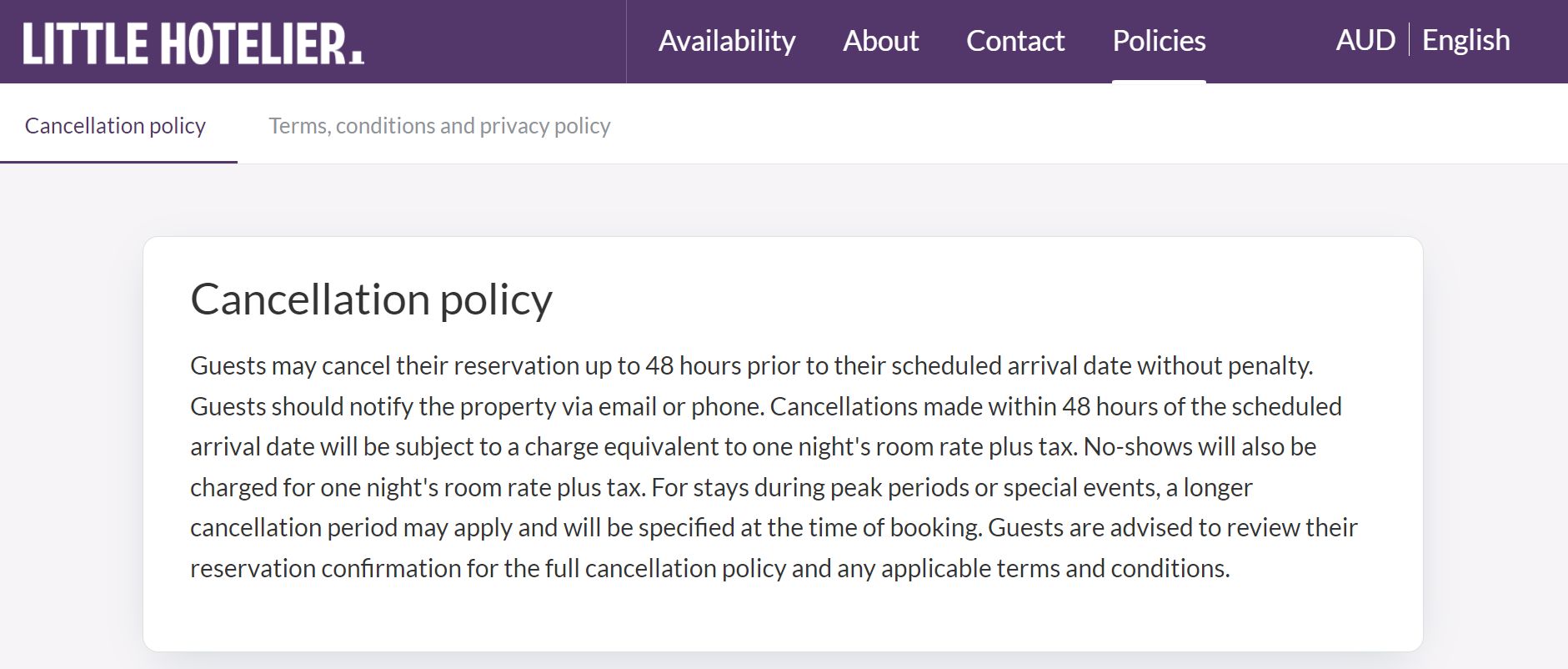
The foundation of any hotel stay is the reservation agreement, which dictates the terms under which a guest may retract their commitment to stay. These policies are designed by revenue management teams at major chains like Marriott International or Hilton Worldwide to balance guest flexibility with the hotel’s need for predictable occupancy.
Non-Refundable vs. Flexible Rates
When comparing accommodation options, you will notice a significant price discrepancy between different rate tiers for the same room. The most common distinction is between “Non-Refundable” and “Flexible” (or “Best Available”) rates.
Non-refundable rates are typically the lowest price points offered by properties ranging from the Holiday Inn to the Four Seasons. In exchange for a lower price, the guest agrees that the full amount of the stay is forfeited if they cancel at any time. This is a “prepaid” model where the hotel secures its revenue regardless of whether the room is occupied. Conversely, flexible rates allow for cancellation without penalty up until a specific deadline. These rates are often 10% to 20% higher but offer peace of mind for those traveling to volatile markets or during unpredictable seasons in Japan or Italy.
The 24-Hour and 48-Hour Rules
For many years, the industry standard for flexible bookings was a 24-hour cancellation window. However, as demand surged in major hubs like London and Singapore, many major brands shifted to a 48-hour or even a 72-hour window. This means that if your check-in is at 3:00 PM on a Friday, you must cancel by 3:00 PM on the preceding Wednesday to avoid being charged for the first night’s stay plus taxes.
In high-demand destinations such as Dubai or during major events like the Super Bowl in the United States, hotels may implement even stricter policies. Some luxury resorts, such as Atlantis The Palm, may require a 7-day or 14-day notice during peak holiday periods. Always verify the specific time zone of the hotel; a midnight deadline in Tokyo is vastly different from a midnight deadline in Los Angeles.
Booking Channels: Impact on Flexibility
Where you book your accommodation is just as important as when you book it. The relationship between the guest, the hotel, and the intermediary (if any) defines the ease of the cancellation process.
Online Travel Agencies (OTAs)
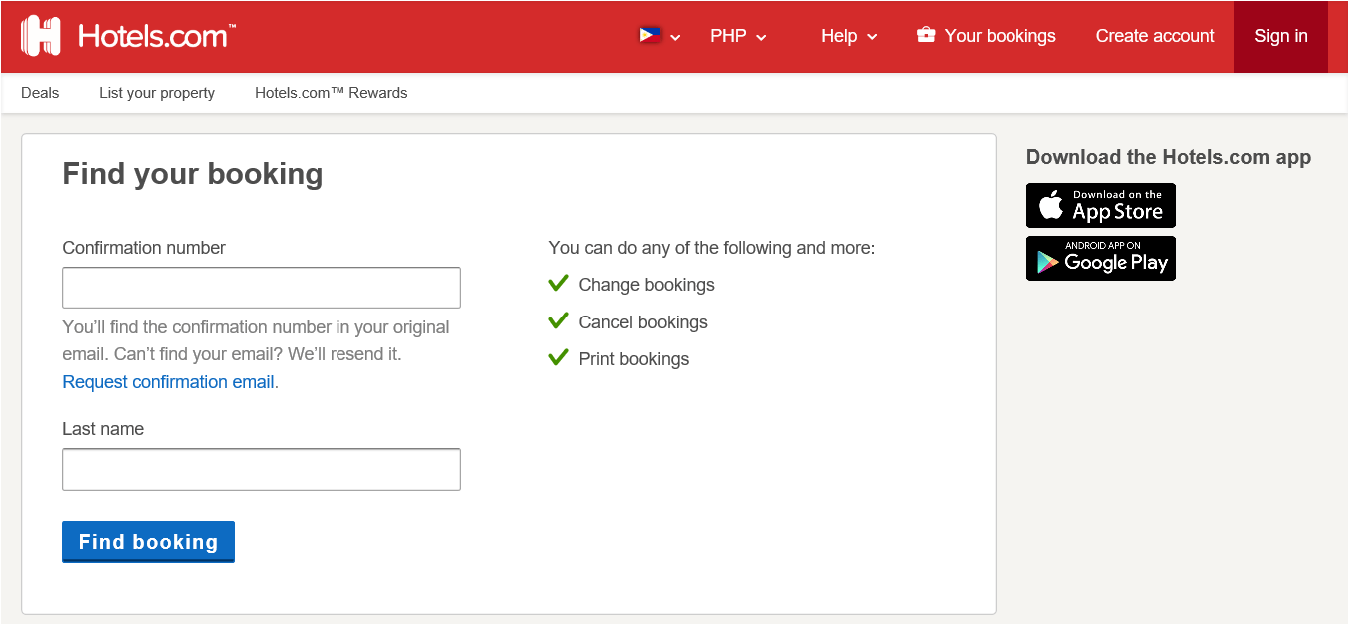
Millions of travelers use platforms like Bookingcom, Expedia, and Agoda to compare prices across different brands. While these sites provide excellent comparison tools, canceling a reservation through an OTA can sometimes be more complex. When you book via Hotelscom, you are bound by both the hotel’s policy and the OTA’s specific terms of service.
If you need to cancel, you generally must do so through the OTA’s portal rather than calling the hotel directly. In many cases, the hotel’s front desk at a property like the Sheraton cannot modify an OTA reservation because the financial transaction is managed by the third party. This “vender-of-record” model means that the OTA holds your money, and the hotel only receives payment after you check in.
The Benefits of Direct Booking
Booking directly through a hotel’s website—such as Hyatt or Accor—often provides the most straightforward path to cancellation. Direct bookings create a one-to-one relationship between the guest and the provider. If an emergency arises, a manager at the The Ritz-Carlton New York has much more discretion to waive a fee for a direct booking than they do for one made via Priceline.
Furthermore, loyalty programs offered by groups like Wyndham or Choice Hotels often grant members enhanced cancellation rights. High-tier members might enjoy “guaranteed availability” or the ability to cancel up to 4:00 PM on the day of arrival, a perk rarely extended to those booking via third-party comparison sites.
Navigating Extraordinary Circumstances and Force Majeure
Sometimes, life intervenes in ways that make travel impossible. In these instances, the standard “non-refundable” clause may be challenged by extraordinary circumstances, often referred to in legal and insurance terms as “force majeure.”
Travel Insurance and Credit Card Protections
When a hotel like the Burj Al Arab or the Marina Bay Sands refuses a refund due to their strict policy, travel insurance becomes the primary safety net. Many premium credit cards from American Express, Visa, and Mastercard offer built-in trip cancellation insurance.
If you must cancel due to a covered reason—such as illness, injury, or a natural disaster in Thailand or Mexico—these insurers may reimburse your non-refundable accommodation costs. It is vital to document the reason for cancellation, whether it is a doctor’s note or a government-issued travel advisory for countries like Germany or Australia.
Negotiating with Hotel Management
In the accommodation industry, hospitality is still a human-centric business. If you are past the cancellation deadline but have a legitimate emergency, calling the hotel directly is often more effective than an automated system. When speaking with a front desk manager at a Fairmont or a Westin, be polite and transparent.
One common strategy for “canceling” a non-refundable room is to ask for a modification instead of a refund. Rather than losing the entire payment, ask if the hotel can move the dates of your stay to a later period or provide a credit voucher for a future visit to Barcelona or Sydney. From the hotel’s perspective, this retains the revenue while still providing service to the guest, making it a win-win scenario.
Best Practices for Modifying or Canceling Your Stay
To avoid the stress of “can I cancel,” travelers should adopt a proactive approach to accommodation management. This involves a mix of strategic booking and careful documentation.
Documenting Your Requests
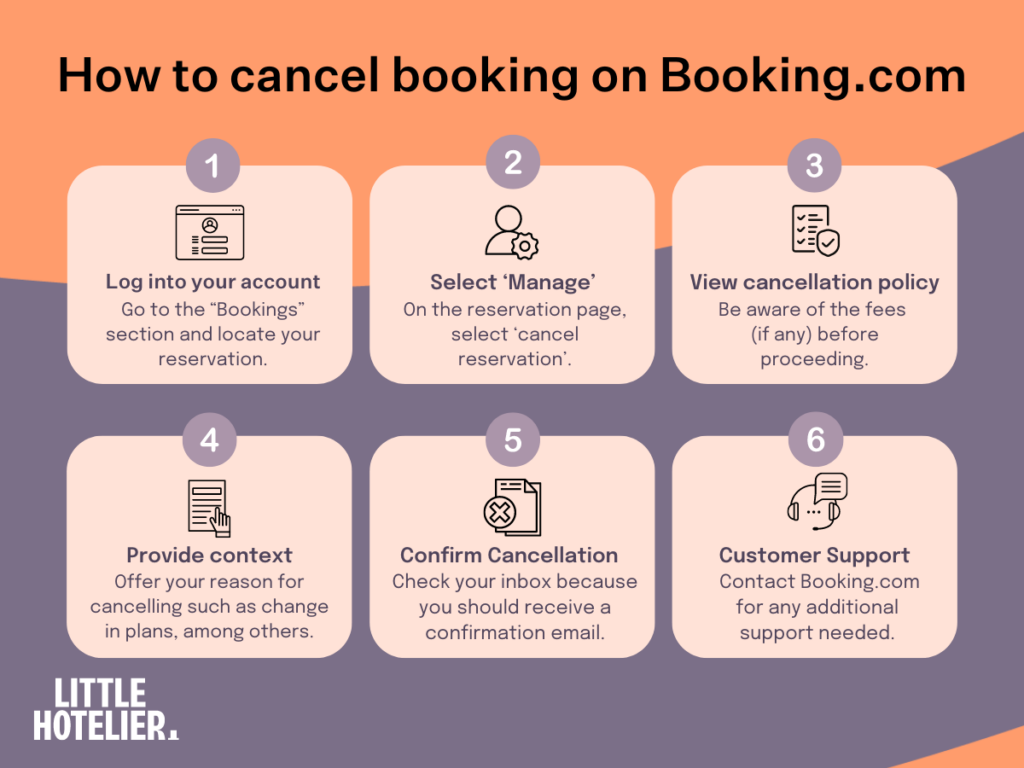
The moment you decide to cancel, do so via a method that provides a time-stamped confirmation. If you cancel via a website, take a screenshot of the confirmation page and ensure you receive a cancellation number via email. In the event of a dispute with a property in Canada or Hong Kong, this number is your only proof that the request was made within the allowed window.
If you are canceling over the phone with a boutique hotel like The Savoy or a specific Mandarin Oriental property, record the name of the staff member you spoke with and the exact time of the call. This level of detail is crucial if a “no-show” charge unexpectedly appears on your credit card statement.
Strategies for Avoiding Cancellation Fees
One clever tactic used by seasoned travelers is the “modification maneuver.” Some hotel systems allow you to change the dates of a reservation even if you are within the cancellation penalty window. By moving the reservation to a date several weeks in the future, you may effectively reset the cancellation clock. Once the new dates are confirmed, you then cancel the reservation under the standard flexible policy. While not all systems allow this—and some hotels in Rome or Berlin have closed this loophole—it remains a potential avenue for those in a bind.
Another option is to use secondary marketplaces. If you have a non-refundable room at a luxury spot like the Bellagio Las Vegas or a trendy W Hotels location, and the hotel refuses to budge, you might be able to sell your reservation to another traveler. While this requires the hotel to allow a name change on the reservation, it is a growing trend in the accommodation sector that helps guests recoup costs while keeping rooms occupied.
In conclusion, the ability to cancel a hotel reservation is a privilege defined by the terms you accept at the time of purchase. By understanding the nuances of the United Kingdom consumer protections, the specifics of Marriott and Hilton policies, and the differences between booking channels, you can navigate the world of accommodation with confidence. Always prioritize flexibility when plans are uncertain, and utilize every tool—from travel insurance to direct negotiation—to ensure your travel budget remains protected. Whether your journey takes you to the St Regis or a local Best Western, the key to a stress-free cancellation lies in the details of the digital contract.
LifeOutOfTheBox is a participant in the Amazon Services LLC Associates Program, an affiliate advertising program designed to provide a means for sites to earn advertising fees by advertising and linking to Amazon.com. Amazon, the Amazon logo, AmazonSupply, and the AmazonSupply logo are trademarks of Amazon.com, Inc. or its affiliates. As an Amazon Associate we earn affiliate commissions from qualifying purchases.