
The hospitality industry has undergone a massive digital transformation over the last decade, with guest expectations shifting toward seamless, contactless experiences. One of the most frequent questions modern travelers ask before checking into a luxury suite or a business resort is: “Do hotels take Apple Pay?” The answer is increasingly positive, as major hotel brands and independent boutique properties recognize the security and convenience of mobile wallets. From the bustling streets of New York City to the serene resorts of Bali, the adoption of Apple Pay is becoming a standard amenity rather than a rare luxury.

Major Hotel Chains and Their Adoption of Apple Pay
The integration of mobile payment technology is most visible within the portfolios of global hospitality giants. These corporations have the infrastructure to roll out Near Field Communication (NFC) technology across thousands of properties, ensuring a consistent guest experience regardless of the destination.
Marriott International and the Shift to Contactless
Marriott International, one of the world’s largest lodging companies, was an early adopter of Apple Pay. Travelers staying at brands such as The Ritz-Carlton, W Hotels, and Courtyard by Marriott often find that they can pay for their stay, dining, and spa services with a simple tap of their iPhone or Apple Watch. Marriott has integrated this technology into its mobile app, allowing guests to bypass the front desk entirely in many locations.
Hilton Worldwide and Digital Innovation
Hilton Worldwide has taken a similar approach, focusing heavily on its Hilton Honors app. While payment at the physical front desk varies by individual property ownership, most Hilton properties in major markets like London and Chicago support Apple Pay. Brands under their umbrella, including Waldorf Astoria and DoubleTree by Hilton, have updated their point-of-sale systems to accommodate the growing number of tech-savvy travelers.
Hyatt Hotels and InterContinental Hotels Group
Hyatt Hotels has been particularly proactive in implementing guest-facing technology. Many Park Hyatt and Andaz locations allow for mobile payments. Similarly, InterContinental Hotels Group, which manages brands like Holiday Inn and Crowne Plaza, has seen a significant increase in Apple Pay acceptance across its European and North American properties.
How Apple Pay Enhances the Guest Experience
The benefits of using mobile wallets in a hotel setting extend far beyond the mere convenience of not carrying a physical credit card. For the modern guest, it represents a commitment to security, speed, and hygiene.
Seamless Check-in and Digital Keys
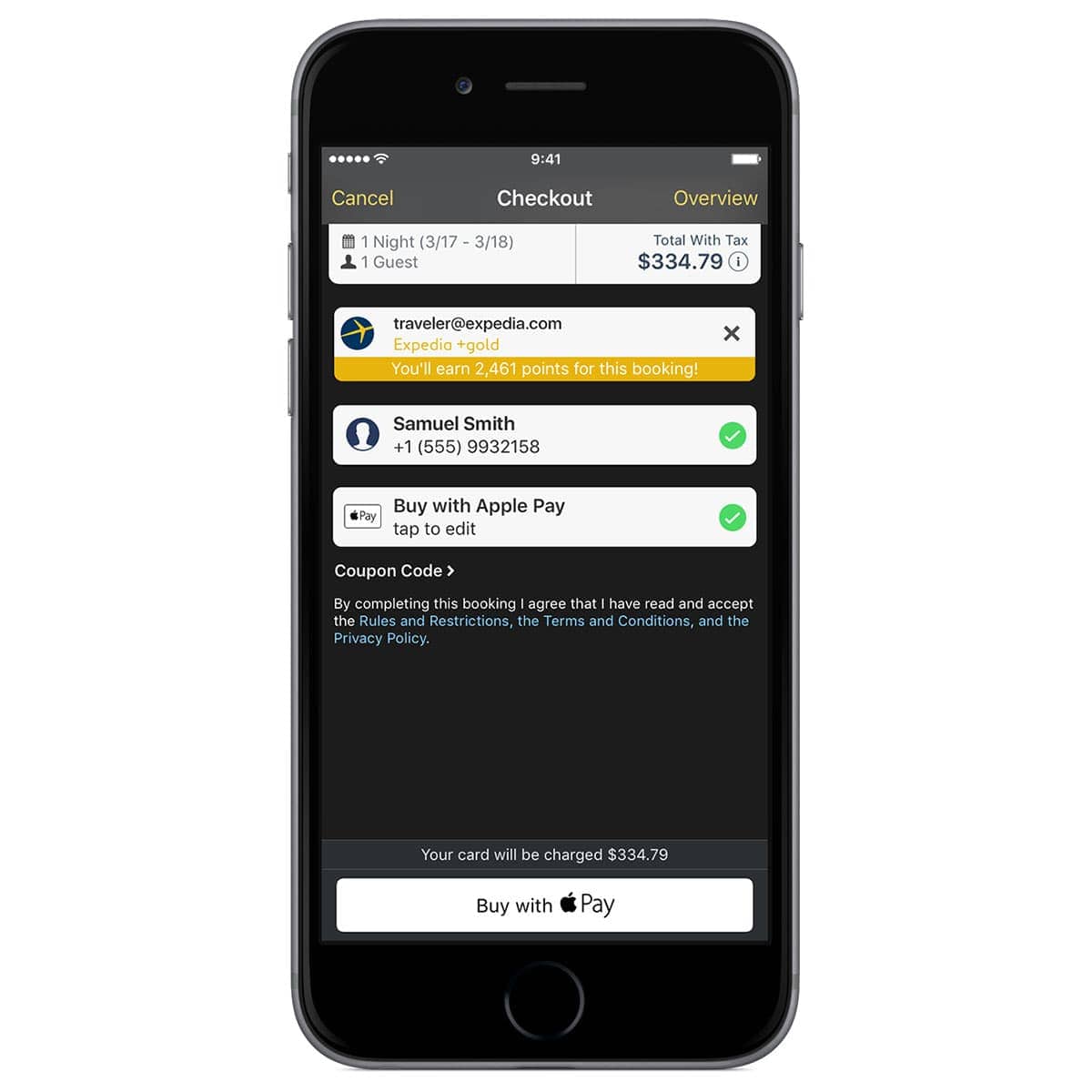
One of the most significant advancements in hotel technology is the marriage of mobile payments and digital room keys. Properties like those managed by Disney World in Orlando or MGM Resorts in Las Vegas have streamlined the arrival process. Guests can often settle their balance via Apple Pay through the hotel’s app and receive a digital key on their device. This eliminates the need to stand in line at the lobby, providing a “straight-to-room” experience that is highly valued by business travelers and families alike.
Security and Privacy in Hospitality
Security is a paramount concern for travelers, especially when staying in unfamiliar cities like Paris or Tokyo. Apple Pay uses a process called tokenization, meaning the hotel never actually receives the guest’s credit card number. Instead, a unique Device Account Number is assigned, encrypted, and securely stored. In the event of a data breach at a hotel chain, guests who used Apple Pay are significantly more protected than those who used traditional plastic cards.
On-Property Spending and Amenities
Beyond the room rate, hotels are integrated ecosystems of commerce. Whether it is a cocktail at a rooftop bar in Dubai or a massage at a Four Seasons spa, Apple Pay facilitates quick transactions. Many luxury resorts encourage guests to charge expenses to their room, but for those who prefer to pay as they go, having a mobile wallet enables them to move freely around the property—from the pool to the gym—without needing a wallet.
Regional Variations in Mobile Payment Acceptance
While the global trend is moving toward contactless payments, the availability of Apple Pay in hotels can vary significantly based on the country and the specific region.
High Adoption in Europe and the United Kingdom
In the United Kingdom and across much of Europe, contactless payment has been the norm for years. Hotels in cities like Amsterdam, Berlin, and Madrid almost universally accept Apple Pay. Even smaller boutique hotels and bed-and-breakfasts in the French Riviera or the Tuscany region have upgraded their terminals to support NFC technology, driven by the local consumer preference for “tap-to-pay” methods.
The United States Market
The United States was slightly slower to adopt NFC technology compared to Europe, but it has caught up rapidly. In major hubs like San Francisco and Miami, it is rare to find a high-end hotel that does not accept mobile payments. However, travelers might still encounter limitations at older motels or independent properties in more rural parts of the Midwest.
Growing Presence in Asia and Oceania
In Asia, the landscape is diverse. In Singapore and Hong Kong, Apple Pay is widely accepted in hotels. However, in Mainland China, local platforms like Alipay and WeChat Pay dominate, though international chains still typically offer Apple Pay to cater to Western tourists. In Australia, specifically in cities like Sydney and Melbourne, the hospitality sector is highly digitized, and Apple Pay is a standard payment method at most reception desks.
Navigating Challenges: Incidental Holds and Pre-Authorizations
Despite the convenience, there are technical nuances that travelers should understand when using Apple Pay for hotel stays. The primary challenge revolves around incidental holds.
The Process of Pre-Authorization
When you check into a hotel, the property typically places a “hold” on your funds to cover the room rate plus potential incidental charges (like minibar usage or room service). When using a physical credit card, this is a routine transaction. With Apple Pay, some legacy hotel management systems may struggle to process these holds correctly or may take longer to release the funds back to the guest’s account after check-out.
Solutions for the Guest
To ensure a smooth experience, it is often recommended to use a physical card for the initial check-in hold and then use Apple Pay to settle the final bill upon departure. However, as hotels upgrade to more advanced Property Management Systems (PMS), these friction points are disappearing. Many Fairmont and Loews Hotels properties have already refined this process, allowing the entire cycle—from authorization to final settlement—to occur within the Apple Pay ecosystem without issue.
The Future of Hotel Payments and Frictionless Travel
As we look toward the future of the hospitality industry, the role of mobile payments will only expand. We are moving toward an era where the “transaction” becomes invisible, integrated into the overall guest journey.
Integration with Loyalty Programs
Future developments will likely see a deeper integration between Apple Pay and hotel loyalty programs. Imagine checking into a Radisson property where your Apple Wallet not only holds your payment method and room key but also automatically updates your loyalty points balance and applies relevant discounts in real-time. This level of personalization is the next frontier for brands like Wyndham Hotels & Resorts and Choice Hotels.
The Rise of Smart Hotels
In tech-forward cities like Seoul and Seattle, “smart hotels” are experimenting with IoT (Internet of Things) integrations. In these environments, Apple Pay could be used to authorize everything from laundry services to high-speed Wi-Fi upgrades with a touch of a button on a guest’s device. The goal is to remove every possible barrier between the guest and the services they wish to enjoy.
Final Thoughts for the Modern Traveler
While it is always wise to carry a physical backup card when traveling to remote areas or staying at smaller, independent inns, the vast majority of modern hotels now embrace Apple Pay. Whether you are booking a suite at the Bellagio or a sleek apartment through Marriott Bonvoy, the convenience of mobile payments is a defining feature of contemporary hospitality. As more properties across France, Japan, and Canada upgrade their systems, the days of fumbling for a plastic card at the front desk are rapidly coming to an end. Travelers can now enjoy their journeys with the peace of mind that their payment method is as mobile and secure as they are.
LifeOutOfTheBox is a participant in the Amazon Services LLC Associates Program, an affiliate advertising program designed to provide a means for sites to earn advertising fees by advertising and linking to Amazon.com. Amazon, the Amazon logo, AmazonSupply, and the AmazonSupply logo are trademarks of Amazon.com, Inc. or its affiliates. As an Amazon Associate we earn affiliate commissions from qualifying purchases.