
The thrill of checking into a new room, whether it is a high-rise suite in New York City or a cozy boutique stay in Paris, is often accompanied by a quiet, lingering anxiety: the fear of bed bugs. These resilient hitchhikers do not discriminate based on the price of the room or the number of stars on the door. From the most exclusive Four Seasons Hotels and Resorts to budget-friendly hostels in Bangkok, bed bugs are a global reality of modern travel. Understanding how to identify their presence is an essential skill for any traveler navigating the world of modern accommodation.
The Pre-Booking Phase: Due Diligence and Digital Trails
Your defense against an infestation begins long before you set foot in a lobby. In the digital age, the history of an accommodation is often recorded in the shared experiences of previous guests. While one bad review should not necessarily disqualify a property, patterns are significant.
Deciphering User Reviews on Major Platforms
When browsing Booking.com or Expedia, it is crucial to use the search functionality within the review sections. Use keywords like “bugs,” “bites,” or “infestation.” Be discerning; occasionally, guests mistake carpet beetles or spiders for bed bugs. However, if multiple reviews over the last six months mention similar issues at a Marriott International property or a local inn in London, it is a red flag that the management may not have the situation under control. Professional property management usually responds to such reviews with specific details about professional extermination services they have employed.
Using Specialized Bed Bug Tracking Databases
Beyond standard booking sites, specialized resources can provide a deeper look into the history of a building. In the United States and Canada, websites like the Bed Bug Registry allow users to report sightings in specific hotels. If you are staying in a city known for high density, such as Chicago or Los Angeles, these databases are invaluable. While some reports may be dated, they highlight properties that have historically struggled with the structural challenges of pest control.
The Anatomy of a Room Inspection: A Step-by-Step Guide
The most critical window of time occurs during the first ten minutes after you enter your room. Before you unpack, before you sit on the bed, and certainly before you use the restroom, you must conduct a thorough inspection. This proactive approach is the only way to ensure your Airbnb or Hilton Worldwide suite is truly safe.
Establishing a Sterile “Safe Zone”
Upon entering the room, do not place your luggage on the bed or the carpet. The safest place for your bags is in the bathtub or on a tiled bathroom floor. Bed bugs find it difficult to navigate smooth, slippery surfaces like porcelain or tile, and they rarely congregate in bathrooms unless the infestation is severe. If a luggage rack is available, pull it away from the wall and inspect the webbing before placing your suitcase on it.
The Mattress and Bedding Deep-Dive
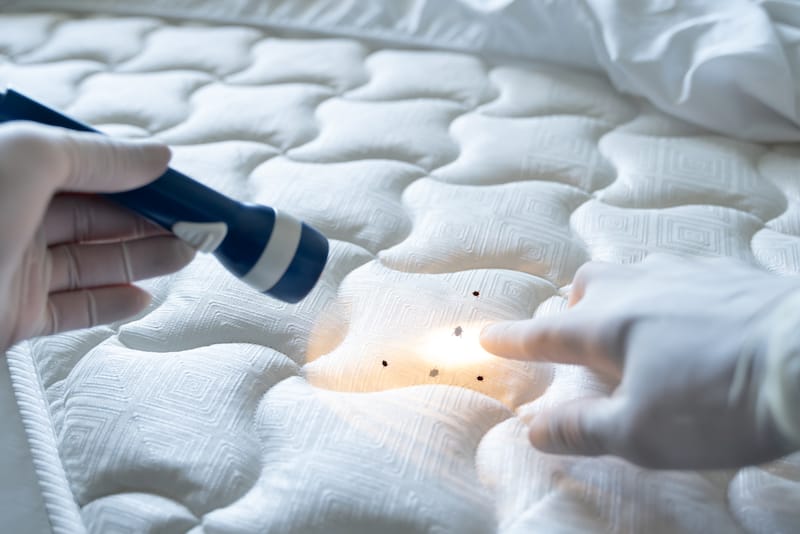
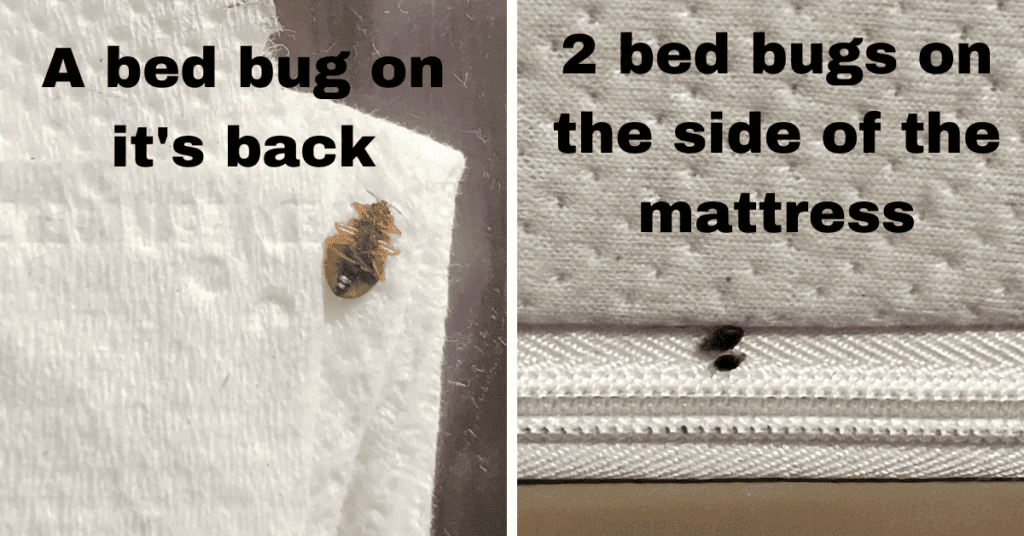
The bed is the primary habitat for these insects because it provides easy access to their host. Strip back the sheets and the mattress protector at the corners. You are looking for three things: live bugs, cast skins (exoskeletons), and fecal spots.
Live bed bugs are roughly the size of an apple seed, reddish-brown, and oval-shaped. Cast skins are translucent, yellowish shells left behind as the bugs grow. Fecal spots look like tiny, dark brown or black ink dots that smear if touched with a damp cloth. Pay close attention to the piping and seams of the mattress. In a Hyatt or any other major chain, mattresses are often high-quality with deep crevices where bugs love to hide. Use a flashlight—the one on your smartphone works perfectly—to peer into these dark folds.
Beyond the Bed: Furniture, Curtains, and Wall Fixtures
Bed bugs are not limited to the mattress. They are masters of hiding in tight spaces within a few feet of the sleeping area. Inspect the headboard, especially if it is upholstered or wooden with decorative carvings. If possible, pull the headboard slightly away from the wall to check the back.
Check the nightstands, removing drawers to look at the joints and undersides. In cities like Rome or Tokyo, where hotel rooms might be smaller and more compact, the proximity of furniture to the bed makes these secondary checks even more vital. Don’t forget to glance at the folds of the curtains and the edges of the baseboards. Even the frames of artwork hanging above the bed can harbor a small colony.

Assessing Risk Across Different Types of Accommodation
The risk profile changes depending on the type of accommodation you choose. While no place is immune, the “turnover” rate and the cleaning protocols vary significantly between a luxury resort in Florida and a long-term apartment rental in Berlin.
Luxury Hotels vs. Budget Lodgings
There is a common misconception that bed bugs are a sign of filth. In reality, they are attracted to carbon dioxide and body heat, not dirt. A five-star The Ritz-Carlton can have bed bugs just as easily as a roadside motel. However, the difference usually lies in the response. High-end chains often have rigorous integrated pest management (IPM) protocols and more frequent deep-cleaning cycles. Budget accommodations may have less oversight, meaning an infestation can go unnoticed for longer periods, reaching higher densities.
The Rise of Short-Term Rentals and Airbnbs
Short-term rentals present a unique challenge. Unlike an InterContinental Hotels Group property, which has a professional housekeeping staff trained to spot signs of pests, an individual host may not know what to look for. When staying in private homes in San Francisco or Barcelona, you are relying on the diligence of a private individual. This makes your personal inspection even more critical. Always check the reviews specifically for mentions of cleanliness and “unexplained bites.”
Post-Detection Protocol: Protecting Your Rights and Your Belongings
If you do find evidence of bed bugs, your priority must shift from relaxation to mitigation. How you handle the next hour will determine whether you bring the problem home with you.
Communicating with Management and Documenting Evidence
If you find a bug or suspicious spotting, take clear photographs and videos immediately. This evidence is your leverage for a refund or a room change. Contact the front desk or the host right away. In a professional setting, like a Sheraton, the staff should be trained to handle this discreetly and efficiently.
Do not accept a room directly adjacent to, above, or below the infested room, as bed bugs can easily travel through wall voids and electrical outlets. If the hotel is fully booked, you may need to move to a different property entirely. In this case, your documentation will be essential when seeking a refund through Tripadvisor or your credit card company.
Remediation for Your Personal Gear
If you have already spent a night in a room before discovering bed bugs, assume your luggage is contaminated. When you move to a new location or return home to Australia or the United Kingdom, do not bring your suitcase inside.
The most effective way to kill bed bugs and their eggs is heat. Launder all your clothes—even the clean ones—on the highest heat setting for at least 30 minutes. For items that cannot be washed, such as the suitcase itself or delicate electronics, consider using a portable heating chamber designed for pest control. In many major cities like Seattle, professional pest control companies offer “heat treatment” services for travelers returning from infested areas.
Long-Term Prevention Strategies for the Savvy Traveler
Living a lifestyle that involves frequent travel, whether for business in Singapore or leisure in Italy, requires a permanent shift in how you handle your belongings.
First, consider investing in hard-shell luggage. While not bug-proof, hard-shell suitcases have fewer seams and fabric surfaces for bugs to cling to compared to soft-sided bags. Second, use compression bags or packing cubes for your clothing. By keeping your items sealed inside your suitcase, you add an extra layer of protection.
Third, never store your suitcase on the floor or on the extra bed in a hotel room. Keep it on a elevated surface at all times. When you return home, make it a habit to inspect your bags in the garage or a laundry room rather than the bedroom.
Traveling the world to see landmarks like the Eiffel Tower or the Colosseum should be about making memories, not bringing back pests. By incorporating these inspection habits into your travel routine, you can enjoy the diversity of global accommodations with confidence and peace of mind. Whether you are staying in a luxury villa in Mexico or a high-tech hotel in South Korea, being informed is your best defense against the hidden world of bed bugs.
LifeOutOfTheBox is a participant in the Amazon Services LLC Associates Program, an affiliate advertising program designed to provide a means for sites to earn advertising fees by advertising and linking to Amazon.com. Amazon, the Amazon logo, AmazonSupply, and the AmazonSupply logo are trademarks of Amazon.com, Inc. or its affiliates. As an Amazon Associate we earn affiliate commissions from qualifying purchases.