
The traditional concept of a hotel stay is often associated with short-term travel, such as a weekend getaway or a brief business trip. However, the rise of the flexible workforce, digital nomadism, and corporate relocations has surged interest in long-term lodging solutions. Extended stay hotels occupy a unique niche in the hospitality industry, bridging the gap between a standard hotel room and a residential apartment. One of the most common questions for those seeking semi-permanent housing is: how long can you actually stay at an extended stay hotel? The answer involves a complex interplay of corporate policy, local legislation, and financial strategy.
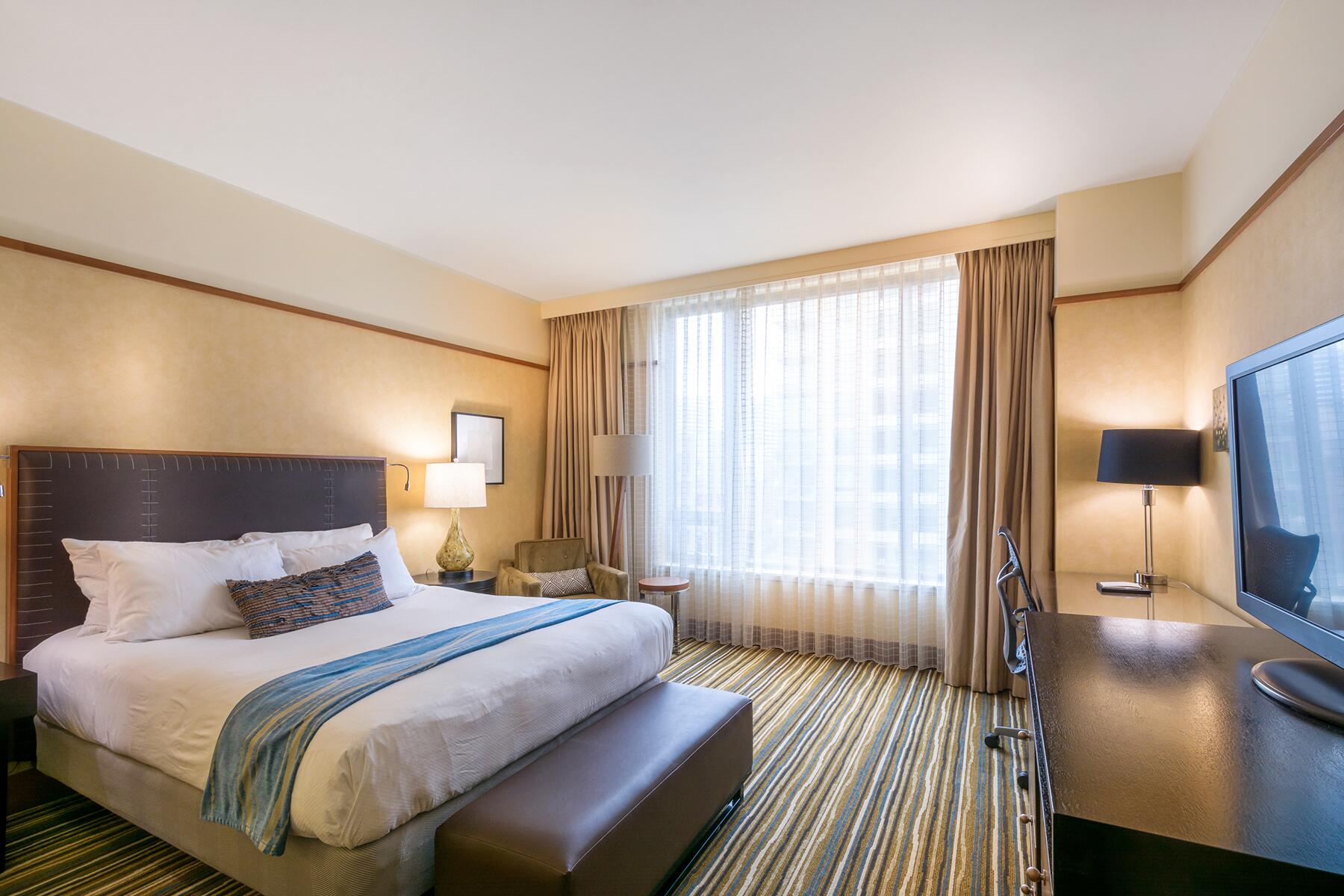
Understanding the Legal and Policy Framework of Long-Term Stays
Technically, there is no universal maximum limit on how long a guest can remain in an extended stay property. Many brands, such as Extended Stay America and Residence Inn by Marriott, are specifically designed to accommodate guests for weeks, months, or even years. However, the duration of a stay is often governed by the specific laws of the jurisdiction where the property is located, particularly in the United States and Canada.
The Transition from Guest to Tenant
In many regions, staying at a hotel for a consecutive period—typically 30 days—triggers a legal shift in the relationship between the occupant and the provider. Once a guest passes the 30-day mark, they may be legally classified as a “tenant” rather than a “transient guest.” This transition is significant because it often grants the individual certain protections under local landlord-tenant laws. For the hotel, this means that the process of removing a guest for non-payment becomes more legally complex, potentially requiring a formal eviction process rather than a simple checkout.
In states like California and New York, these laws are particularly robust. To manage this risk, some hotels may have policies that require guests to “check out” and “check back in” after a certain period, or they may limit stays to 29 days unless a specific long-term contract is signed. Conversely, many dedicated extended stay brands embrace the long-term model and are fully prepared to handle the administrative requirements of monthly residents.
Tax Implications of Long-Term Occupancy
Another critical factor in the duration of a stay is the Transient Occupancy Tax (TOT). In many cities, such as San Francisco or Miami, guests are required to pay a hotel tax for short-term stays. However, once a stay exceeds 30 consecutive days, the guest often becomes exempt from this tax because they are no longer considered a transient visitor. This can result in significant savings, effectively lowering the daily rate after the first month. Understanding these local tax codes is essential for anyone planning a stay of several months in major metropolitan areas like Chicago or Boston.
Comparing Extended Stay Brands and Amenities
When considering a stay that lasts several months, the choice of brand is paramount. Not all extended stay hotels offer the same level of comfort or service. Major hospitality groups like Marriott International, Hilton, and InterContinental Hotels Group have developed specific sub-brands to cater to this market.
Upscale Long-Term Options
For those seeking a more luxurious experience during a relocation to London or Dubai, options like Marriott Executive Apartments or Frasers Hospitality provide high-end finishes and concierge services. These properties often function more like serviced apartments than traditional hotels, offering multi-bedroom units that are ideal for families.
In the mid-tier and upscale categories, brands such as Homewood Suites by Hilton and Staybridge Suites offer a balanced approach. These properties typically feature full kitchens with full-sized refrigerators, stovetops, and dishwashers. For a guest staying three to six months, having the ability to cook meals rather than relying on takeout is vital for both health and budget.
Budget-Friendly Extended Stays
For those focusing on economy, brands like Candlewood Suites or WoodSpring Suites prioritize functionality and low costs. These hotels may offer fewer frills—perhaps omitting daily housekeeping in favor of weekly service—to keep the price point accessible for construction workers, students, or individuals in transitional housing situations.
Global Presence and Specialized Chains
While the extended stay model is highly developed in North America, it is also expanding rapidly across Europe and Asia. In Germany, Adina Apartment Hotels provides a similar experience for travelers in Berlin and Munich. Meanwhile, The Ascott Limited dominates much of the market in Singapore and Tokyo, offering sophisticated living for international corporate assignees.

The Financial Logic of Extended Stays
One of the primary drivers for staying at an extended stay hotel for a long duration is the financial structure of the booking. Unlike traditional hotels that charge a static nightly rate, extended stay properties utilize a tiered pricing model.
Tiered Nightly Rates
Typically, the nightly rate decreases as the length of stay increases. A guest staying for seven nights might pay a certain rate, while a guest committing to 30 nights or more will see a significant reduction in the daily cost. For stays exceeding 90 days, some properties, such as Element by Westin or Hyatt House, may offer custom contracts that are competitive with local residential lease prices.
Inclusion of Utilities and Services
When comparing the cost of an extended stay hotel to a traditional apartment in Los Angeles or Seattle, one must factor in the “all-inclusive” nature of the hotel. The nightly rate covers electricity, water, high-speed internet, cable television, and furniture. Furthermore, amenities like a fitness center, pool, and breakfast are often included. For a professional on a temporary assignment, the convenience of not having to set up utility accounts or purchase furniture can outweigh the higher monthly cost compared to an unfurnished apartment.
Loyalty Programs and Rewards
Long-term stays are also a prime opportunity to accumulate massive amounts of loyalty points. Staying at a TownePlace Suites by Marriott for three months can easily earn a guest enough points for a week-long vacation at a luxury resort in Hawaii or France. This added value makes the extended stay model particularly attractive to business travelers who are reimbursed by their employers but get to keep the loyalty rewards.
Navigating the Logistics of Permanent-Temporary Living
Living in a hotel for several months requires a different mindset than a standard vacation. The logistics of daily life, such as mail delivery, laundry, and pet care, must be managed within the confines of a commercial property.
Managing Mail and Deliveries
Most extended stay hotels are equipped to handle mail for their long-term guests. If you are staying at a property in Las Vegas or Atlanta, you can usually have packages from Amazon or your personal mail sent directly to the front desk. For very long stays, some guests choose to rent a P.O. Box to maintain a consistent address, but for most, the hotel’s business center and front desk suffice.
Laundry and Housekeeping
Standard hotels offer expensive dry-cleaning services, but extended stay brands like Home2 Suites by Hilton almost always provide on-site guest laundry facilities. This is a crucial amenity for anyone staying longer than a week. Housekeeping in these properties is often scheduled once or twice a week rather than daily. This reduced frequency offers more privacy to the guest, making the suite feel more like a personal home and less like a temporary room.
Traveling with Pets
A significant percentage of extended stay guests are in the middle of a move, which often involves pets. Brands like Staybridge Suites and Extended Stay America are famously pet-friendly. While there is usually a non-refundable pet fee, it is often more affordable than finding a short-term apartment rental that allows animals. For families moving to Austin or Denver, this flexibility is a major deciding factor.
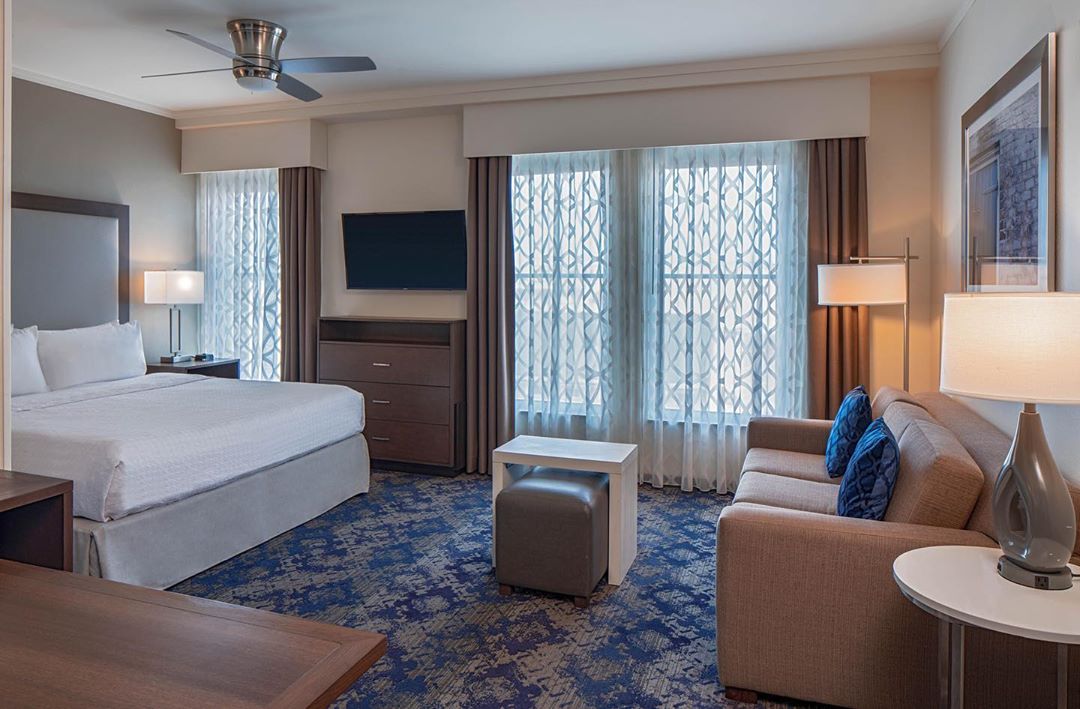
Choosing the Right Duration for Your Needs
Ultimately, the length of time you can stay at an extended stay hotel is limited only by your budget and the property’s willingness to host you. Whether you are a digital nomad exploring Mexico, a consultant working a project in Sydney, or a homeowner waiting for renovations to finish in Toronto, these hotels offer a versatile solution.
The key to a successful long-term stay is communication. By negotiating directly with the sales manager of a property, guests can often secure better rates and specific room assignments that away from high-traffic areas like elevators or ice machines. As the world becomes more mobile, the boundaries of “home” continue to expand, and the extended stay hotel remains the premier choice for those who need the comforts of an apartment with the flexibility of a hotel. From the urban density of Tokyo to the sprawling suburbs of the United States, these accommodations provide the essential infrastructure for modern, nomadic living.
LifeOutOfTheBox is a participant in the Amazon Services LLC Associates Program, an affiliate advertising program designed to provide a means for sites to earn advertising fees by advertising and linking to Amazon.com. Amazon, the Amazon logo, AmazonSupply, and the AmazonSupply logo are trademarks of Amazon.com, Inc. or its affiliates. As an Amazon Associate we earn affiliate commissions from qualifying purchases.