
The television series Hotel Portofino has captured the imaginations of travelers and history enthusiasts alike, blending the high-stakes drama of the 1920s with the breathtaking aesthetics of the Italian Riviera. For those who have found themselves enchanted by the sun-drenched terraces, the meticulously designed suites, and the complex inner workings of a luxury establishment, the question of its longevity is paramount. As of the current television landscape, Hotel Portofino has officially spanned three seasons, each delving deeper into the trials and triumphs of running an upscale villa in one of the world’s most iconic coastal destinations.
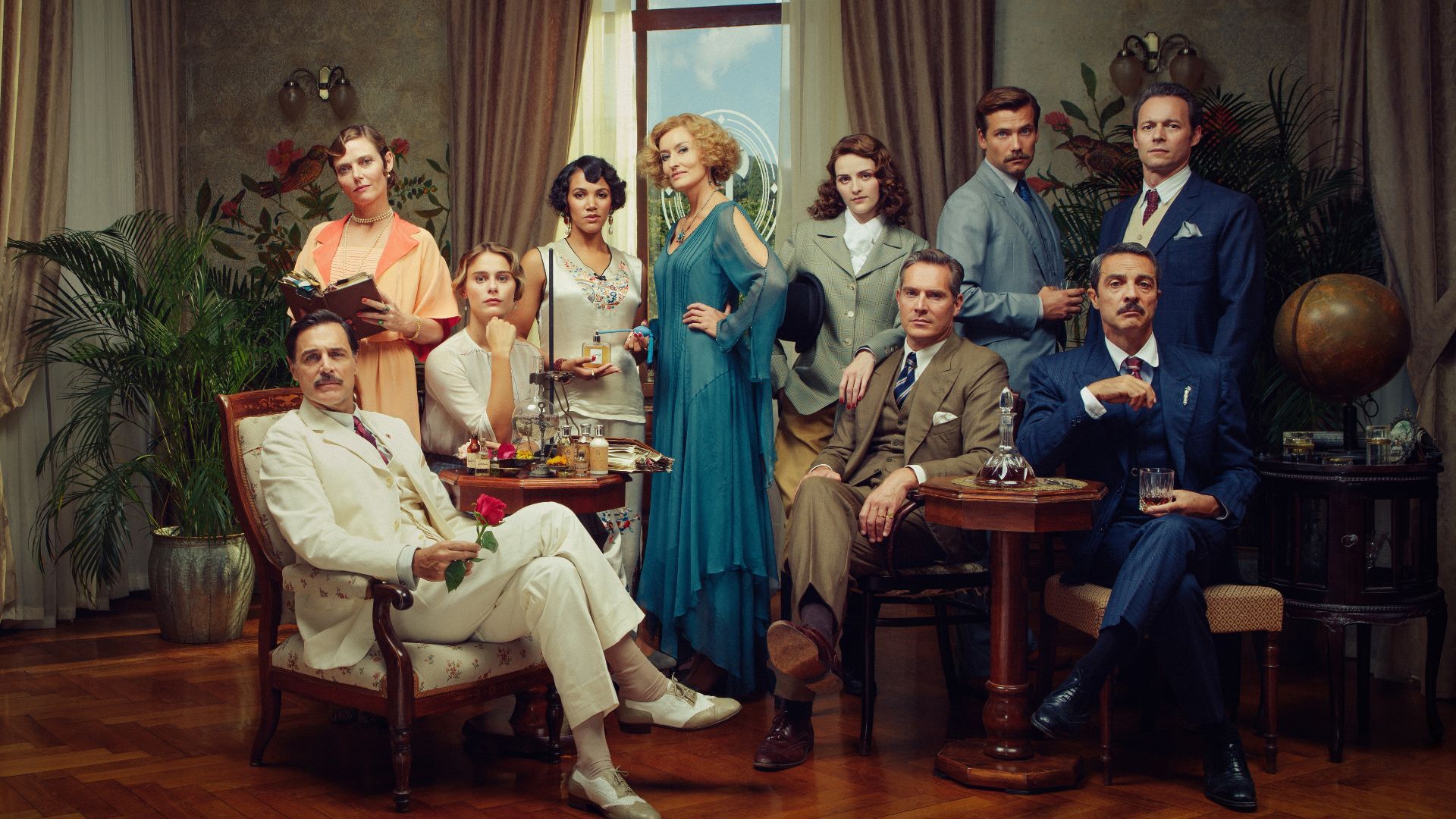
This series serves as more than just a period piece; it is a cinematic love letter to the hospitality industry’s golden age. From the sprawling gardens overlooking the Mediterranean Sea to the elegant dining rooms where international aristocrats once mingled, the show provides an immersive look at what it takes to manage a world-class destination during a period of intense social and political transition in Italy.
The Legacy of Hotel Portofino Across Three Captivating Seasons
The journey of the Ainsworth family, who founded the titular hotel, unfolds across three distinct seasons. Each season focuses on the evolution of the property and the shifting expectations of the high-society guests who frequent it. By understanding the timeline of the show, fans and hospitality enthusiasts can appreciate the meticulous detail put into recreating the atmosphere of a vintage European resort.
Season One: A New Beginning in Italy
The inaugural season of Hotel Portofino introduces us to the establishment shortly after its opening. Set in 1926, the narrative explores the challenges of establishing a British-run hotel in the heart of Italy. This season highlights the “Grand Hotel” philosophy—where the setting is as much a character as the people. The focus remains on the aesthetic beauty of the Ligurian Coast and the rigorous standards of service required to satisfy a clientele accustomed to the best hotels in London and Paris.
Season Two: Expanding the Reach of Luxury
Returning for a second outing, the series moves forward in time, showcasing how the hotel has matured. The property has become a recognized name among the elite traveling through Europe. In this season, the focus shifts slightly toward the operational complexities of maintaining a luxury brand amidst the rising political tensions of the era. The hospitality elements are heightened, featuring more elaborate social events, high-tea services, and the intricate management of the hotel’s staff and supply chains, which were often strained in the post-war years.
Season Three: The High Stakes of High Society
The third season continues the saga, further cementing the show’s place as a definitive look at historical hospitality. By this point, the Hotel Portofino is a seasoned player in the luxury market. The narrative explores the necessity of modernization and the constant pressure to innovate while preserving the classic charm that attracts visitors to the Portofino region. This season is particularly noted for its focus on the guest experience, showcasing the personalized attention and bespoke services that defined the era’s most prestigious villas and resorts.
Architectural Splendor and the Aesthetic of 1920s Hospitality
One of the reasons the series has resonated so strongly with viewers is its dedication to the architectural and interior design standards of the early 20th century. The fictional Hotel Portofino is a masterclass in the Belle Époque and Art Deco influences that dominated the era.
The Influence of the Belle Époque on Portofino
While the show is set in the mid-1920s, the architecture of the hotel reflects the late Belle Époque style—a period characterized by optimism, regional peace, and a flourish of artistic expression. The high ceilings, ornate cornices, and expansive arched windows are designed to maximize the natural light of the Mediterranean Sea. For those studying hotel design, the show illustrates how physical space was used to create a sense of exclusivity. The transition from public spaces like the grand lobby to the private sanctuary of a guest suite was choreographed through wide staircases and lushly carpeted hallways, a hallmark of the Italian Riviera style.
Designing the Perfect Guest Suite
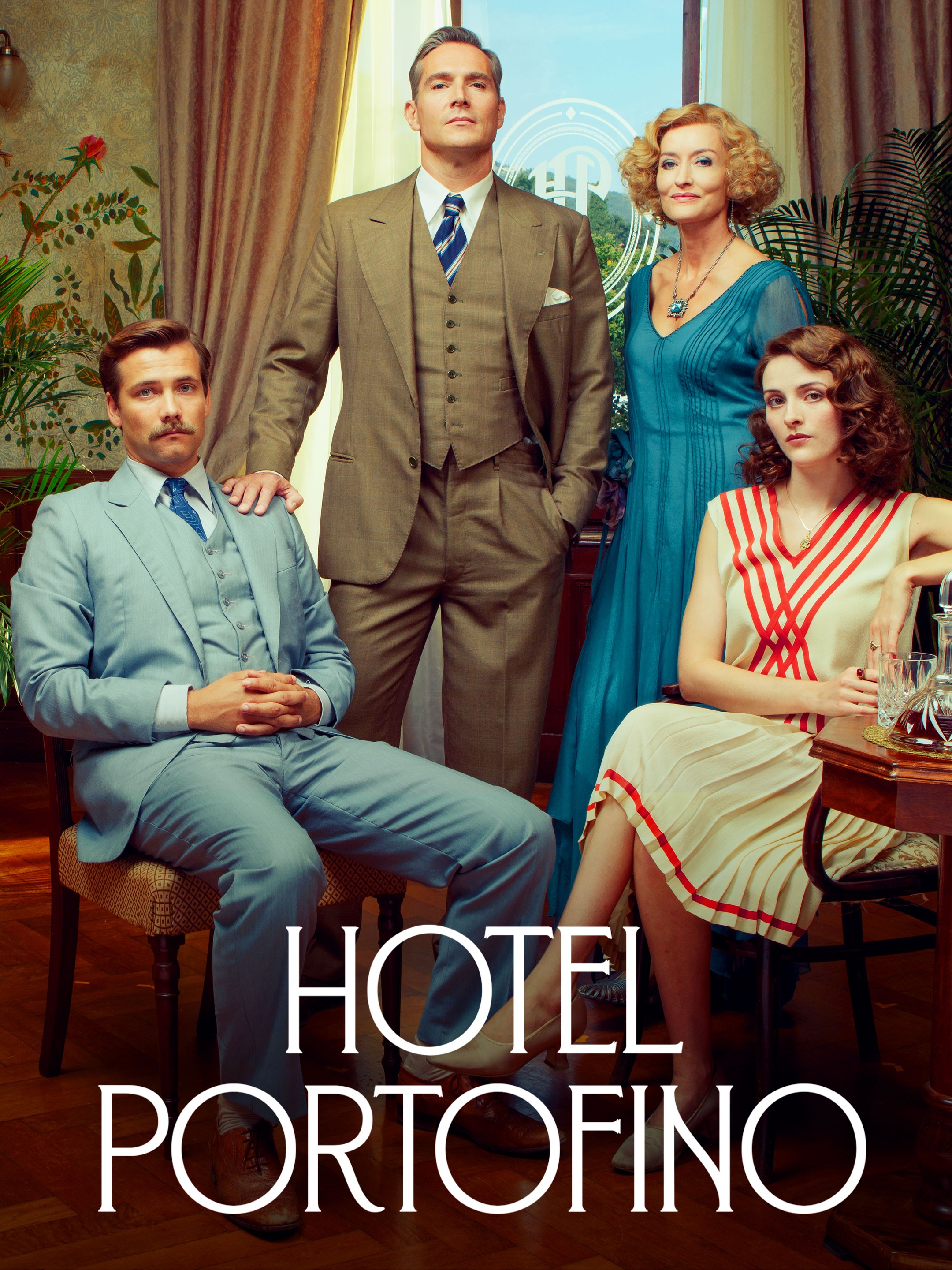
The suites depicted in Hotel Portofino are more than just rooms; they are extensions of the guests’ own homes. During the 1920s, a luxury hotel suite was expected to provide a level of comfort that rivaled the finest estates in England. This meant incorporating writing desks, vanity tables, and en-suite facilities that were considered the height of technology at the time. The series accurately portrays the shift toward more breathable fabrics and lighter color palettes—pinks, creams, and seafoam greens—which were chosen to reflect the coastal environment of Italy.
Beyond the Screen: Real-Life Inspirations and the Hotel Splendido
While the hotel in the series is a fictional creation, it draws heavy inspiration from the real-world hospitality history of Portofino. The town itself has long been a sanctuary for the rich and famous, and the “hotel as a destination” concept was perfected here.
The Allure of the Ligurian Coast
The real Portofino, a small fishing village turned high-end resort, served as the spiritual blueprint for the show. To understand the seasons of the show is to understand the seasons of the coast. The influx of tourists during the summer months and the quiet, industrious winters are reflected in the hotel’s operational cycle. While the show was filmed primarily in Croatia—specifically in the town of Opatija and the nearby Lovran—the production design was meticulously crafted to mimic the specific pastel-colored buildings and rugged cliffside views found in Genoa and Santa Margherita Ligure.
Modern Amenities with Historical Roots
The Hotel Splendido is perhaps the most famous real-life counterpart to the fictional Ainsworth establishment. Originally a monastery, it was transformed into a hotel in the early 1900s and became a beacon for international travelers. Much like the scenes in the TV show, the Hotel Splendido set the standard for what a luxury stay should feel like: a mixture of seclusion, impeccable service, and a view that captures the essence of the Mediterranean Sea. The show captures this transition from traditional hospitality to the more modern, amenity-driven stays we see today in places like Porto Venere or the Cinque Terre.
Comparing the Hotel Portofino Experience to Contemporary Luxury Resorts
Studying the three seasons of Hotel Portofino allows us to draw fascinating parallels between the historical hospitality model and contemporary luxury standards. While the technology has changed, the core principles of the industry remain remarkably similar.
Service Standards in the Interwar Period
In the era of the show, service was the ultimate luxury. The ratio of staff to guests was significantly higher than in most modern hotels. Every guest at the Hotel Portofino would have expected a level of personalization that today is reserved only for the most exclusive boutique hotels or private villas. This included everything from unpacking trunks to arranging private excursions along the coast of Italy. The show highlights how these service standards were a form of “invisible work,” where the goal was to ensure the guest’s every whim was met before they even had to ask.
The Evolution of the Destination Hotel
What the series illustrates so well across its three seasons is the birth of the “destination hotel.” Before this era, travel was often functional or strictly for the purpose of “taking the air” in a spa town. By the 1920s, the hotel itself became the reason for the trip. The social life of the hotel—the bar, the terrace, the evening musical performances—became a microcosm of society. Modern travelers who seek out iconic stays in Venice or Florence are participating in a tradition that was solidified during the years depicted in the series.
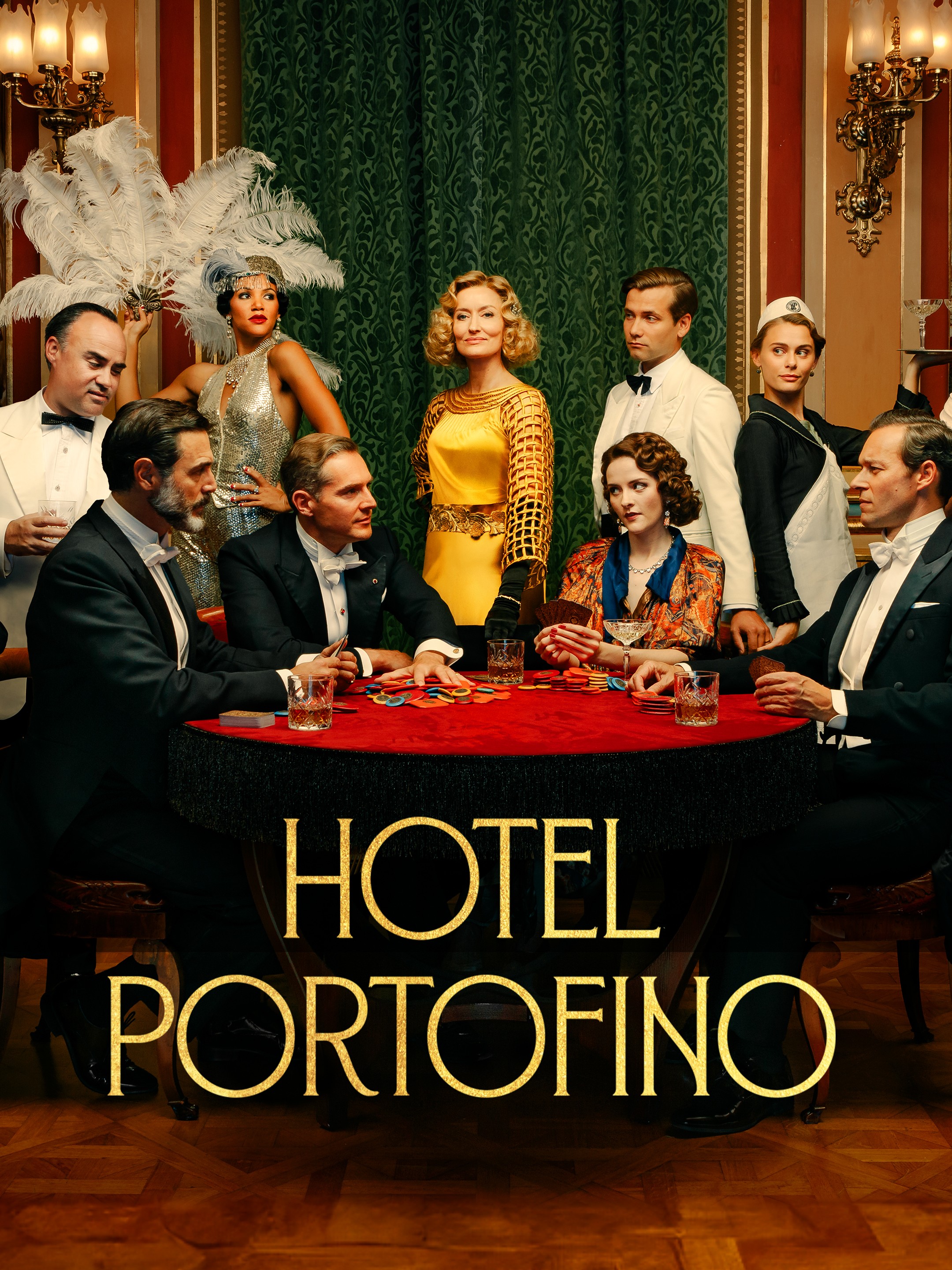
The Filming Locations: A Hospitality Guide to Opatija
Interestingly, for those who want to visit the “real” Hotel Portofino, the journey leads to Croatia. The town of Opatija was chosen as the primary filming location because its architecture perfectly mirrors that of the Italian Riviera. The Lungomare Promenade, a 12-kilometer coastal walkway, provides the backdrop for many of the show’s outdoor scenes. The actual hotel building featured is the Villa Madonna, a stunning property that exemplifies the grand, historic villas of the region.
The presence of the film crew in Croatia has boosted the profile of Opatija as a premiere hotel destination, proving that the allure of 1920s luxury remains a powerful draw for modern tourism. Whether it is the Italian Riviera or the Adriatic Coast, the legacy of the grand hotel continues to thrive, fueled by the romanticism and elegance showcased throughout the seasons of the show.
In conclusion, Hotel Portofino offers a three-season exploration of the peak of luxury hospitality. By examining the architectural choices, the service standards, and the geographic inspirations, we gain a deeper appreciation for the hotels that serve as the setting for our most memorable travels. The series is not just a story of a family; it is a chronicle of an industry that learned how to turn a simple stay into an unforgettable experience.
LifeOutOfTheBox is a participant in the Amazon Services LLC Associates Program, an affiliate advertising program designed to provide a means for sites to earn advertising fees by advertising and linking to Amazon.com. Amazon, the Amazon logo, AmazonSupply, and the AmazonSupply logo are trademarks of Amazon.com, Inc. or its affiliates. As an Amazon Associate we earn affiliate commissions from qualifying purchases.