
The experience of checking into a luxury suite or a boutique resort is often defined by the seamlessness of the environment. From the crisp linens and the perfectly arranged toiletries to the absence of dust on the highest mahogany shelves, the physical state of a hotel room is the primary indicator of its quality. Behind this perfection is the housekeeping staff, a group of professionals whose work is essential yet frequently performed out of the guest’s sight. While most travelers are well-versed in tipping bellhops or valets, the question of how much to tip a maid in a hotel remains one of the most debated aspects of modern hospitality etiquette.

In the United States and Canada, tipping is a standard expectation, but the specifics vary significantly depending on the level of service, the type of property, and the length of the stay. Understanding the nuances of this practice is not just about following social norms; it is about recognizing the physical labor and dedication required to maintain the high standards of the global hotel industry.
The Unseen Pillar of Hospitality: Why Housekeeping Matters
Housekeeping is arguably the most physically demanding job within a hotel. Unlike front desk agents or concierges, who primarily interact with guests in a climate-controlled lobby, housekeepers spend their shifts lifting heavy mattresses, scrubbing surfaces, and moving heavy carts across expansive hallways. In high-traffic destinations like Las Vegas or New York City, a single housekeeper may be responsible for cleaning 15 to 20 rooms per shift, often with a strict time limit for each.
The Impact of Cleanliness on Guest Satisfaction
In the world of professional hospitality, cleanliness is the cornerstone of brand reputation. A guest staying at The Ritz-Carlton or a Four Seasons property expects a level of detail that transcends basic hygiene. They look for “turn-down service,” organized personal belongings, and a sense of renewal every time they re-enter their room. Housekeepers are the guardians of this experience. When a room is flawlessly maintained, it enhances the guest’s sense of well-being, directly impacting the hotel’s reviews on major booking platforms.
The Economic Reality of the Role
Despite the importance of their work, housekeeping is often one of the lower-paid positions in the hospitality sector. While luxury brands like St. Regis or Waldorf Astoria may provide better benefits, many staff members rely on tips to supplement their income. This is particularly true in expensive urban centers like Chicago or San Francisco, where the cost of living is exceptionally high. Tipping serves as a direct way for guests to show appreciation for the “invisible” labor that makes their vacation or business trip comfortable.
Setting the Standard: Recommended Tipping Amounts by Hotel Type
There is no universal “tip calculator” for hotel maids, but industry experts and hospitality associations generally agree on a range based on the property’s service level. The goal is to match the gratuity to the complexity of the service provided.
Budget and Mid-Range Hotels
For stays at properties like Holiday Inn, Hampton Inn, or Courtyard by Marriott, a tip of $2 to $5 per night is considered standard. These hotels typically offer daily refreshes, but the scope of work is often more streamlined than at a full-service resort. If you are traveling as a solo business traveler and keeping the room relatively tidy, the lower end of that range is acceptable.
Luxury Resorts and High-End Suites
When staying at a five-star institution such as The Plaza Hotel or a sprawling property like the Bellagio, the expectations for housekeeping are much higher. These rooms often feature complex layouts, marble bathrooms that require meticulous polishing, and high-end tech amenities. For these environments, a tip of $5 to $10 per night is appropriate. If you are staying in a multi-bedroom villa or a penthouse at a resort in Bora Bora or the Maldives, where the staff may provide service multiple times a day (including evening turn-down), $10 to $20 per day is a generous and appreciated gesture.
Adjusting for Room Condition and Occupancy
The amount should also reflect the number of people in the room. A family of four staying in a standard room at Disney’s Grand Floridian Resort will naturally create more work than a single guest. More towels are used, more trash is generated, and the floors require more attention. In these cases, adding an extra $1 or $2 per person per day is a thoughtful way to account for the increased workload.
The Logistics of Tipping: When, Where, and How

One of the most common mistakes guests make is leaving a lump sum tip at the end of a week-long stay. While this seems convenient, it often results in the wrong person receiving the gratuity.
Daily vs. End-of-Stay Tipping
The hospitality industry frequently uses a rotating schedule for staff. The person who cleans your room on Monday might be off on Tuesday, and a completely different team might handle your check-out day. If you leave a large tip on the final morning, the housekeeper who worked hard for the first five days of your stay receives nothing. To ensure fairness, it is highly recommended to tip daily. This guarantees that whoever performed the labor that day is the one who benefits.
Where to Leave the Tip
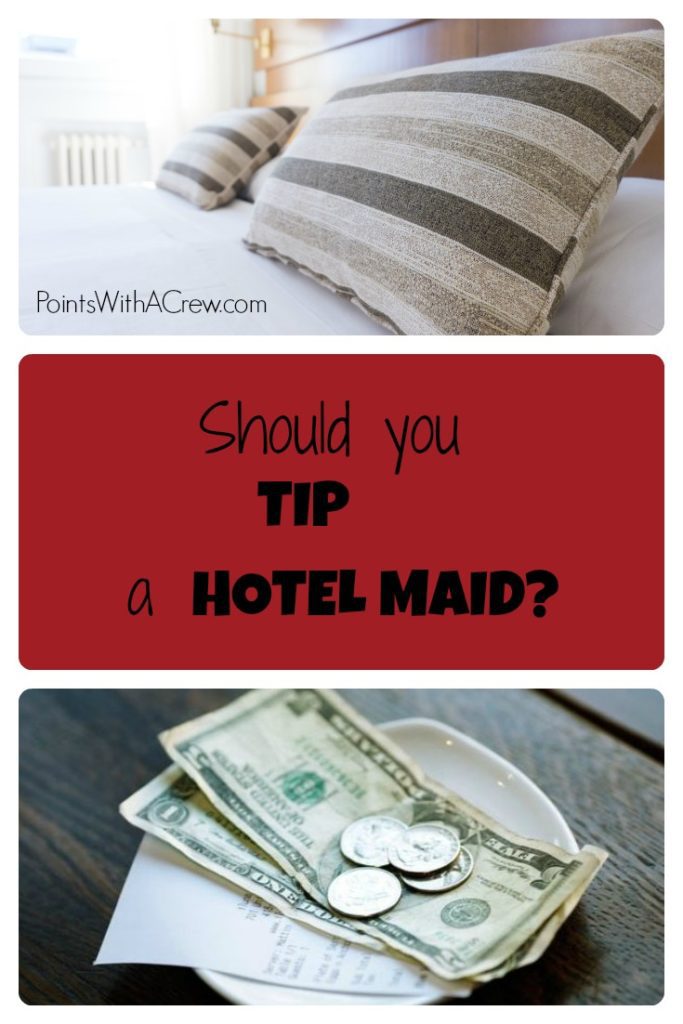
To avoid confusion, do not simply leave cash on a nightstand or a desk without a note. Housekeepers are often trained not to touch money left in the room unless it is clearly intended as a tip, to avoid any accusations of theft. The best practice is to place the cash in a provided hotel envelope (often found in the desk drawer) or to leave it on the pillow with a brief “Thank You” note. If no envelope is available, placing the money on a prominent surface like the bathroom counter or the center of the bed is the clearest signal.
Digital Tipping and Modern Solutions
As society moves toward a cashless economy, some hotel chains, including certain Marriott and Hilton properties, have begun implementing digital tipping systems. These often involve a QR code placed on a card in the room, allowing guests to tip via credit card or digital wallet. While convenient, these systems are not yet universal, so carrying small denominations of cash remains a travel essential for those visiting Mexico, Hawaii, or other popular vacation spots.
Navigating International Waters: Tipping Customs Around the Globe
While the United States has a strong tipping culture, other parts of the world view gratuities through a different cultural lens. Travelers should always research the local customs of their destination, whether they are visiting Europe, Asia, or the Middle East.
The European Perspective
In many European countries, such as France, Italy, and the United Kingdom, service charges are often included in the room rate or the bill. Tipping a maid in London or Paris is appreciated but not mandatory. If you choose to tip at a boutique hotel in Rome, a few euros per day is considered a kind gesture, but it is not expected with the same intensity as it is in North America.
Tipping in Asia and Oceania
In Japan, tipping can actually be perceived as confusing or even offensive. The Japanese culture of “Omotenashi” focuses on providing wholehearted hospitality without the expectation of a reward. If you leave money in a room in Tokyo or Kyoto, the staff may actually chase you down to return what they believe you accidentally left behind. Similarly, in Australia and New Zealand, tipping is not the norm, as service workers are typically paid a higher base wage. However, at high-end international chains like Hyatt in Sydney, small tips are becoming more common due to the influence of international travelers.
Beyond the Dollar: Recognizing Exceptional Service
While financial gratuity is the primary way to say thank you, it is not the only way to recognize the efforts of a hotel’s housekeeping department. In the modern hospitality industry, feedback is a valuable currency.
The Power of the Positive Review
If a housekeeper goes above and beyond—perhaps by noticing you are sick and leaving extra water, or carefully arranging a child’s stuffed animals—mentioning them by name in a post-stay survey or on a review site like TripAdvisor can have a significant impact. For employees at large chains like InterContinental or Aman Resorts, these mentions can lead to employee-of-the-month honors, bonuses, or even promotions.
Communication and Courtesy
Simple acts of courtesy can also make a housekeeper’s day easier. Using the “Do Not Disturb” sign when you don’t need service saves the staff unnecessary trips and allows them to prioritize other rooms. Tidying up slightly—such as piling used towels in one area or throwing away large pieces of trash—is always appreciated. When you encounter the staff in the hallways of a Wynn Las Vegas or a Fairmont property, a simple smile and a verbal “thank you” go a long way in acknowledging their presence and the value of their work.
Ultimately, tipping a maid in a hotel is about more than just money. It is a reflection of the guest’s awareness of the effort required to create a “home away from home.” Whether you are staying in a modest inn in Vermont or a luxury skyscraper in Dubai, a well-placed tip and a note of gratitude ensure that the cycle of high-quality service and mutual respect continues to thrive in the world of global travel.
LifeOutOfTheBox is a participant in the Amazon Services LLC Associates Program, an affiliate advertising program designed to provide a means for sites to earn advertising fees by advertising and linking to Amazon.com. Amazon, the Amazon logo, AmazonSupply, and the AmazonSupply logo are trademarks of Amazon.com, Inc. or its affiliates. As an Amazon Associate we earn affiliate commissions from qualifying purchases.