
The art of travel extends far beyond choosing the right destination or finding the most comfortable suite. It encompasses a complex web of social interactions and etiquette that define the modern travel lifestyle. One of the most frequently debated aspects of this lifestyle is tipping. Whether you are checking into a luxury resort in Dubai or a boutique hotel in Paris, understanding the nuances of gratuity is essential for any savvy traveler. Tipping is more than just a financial transaction; it is a gesture of appreciation for the service professionals who ensure your stay is seamless, comfortable, and memorable.
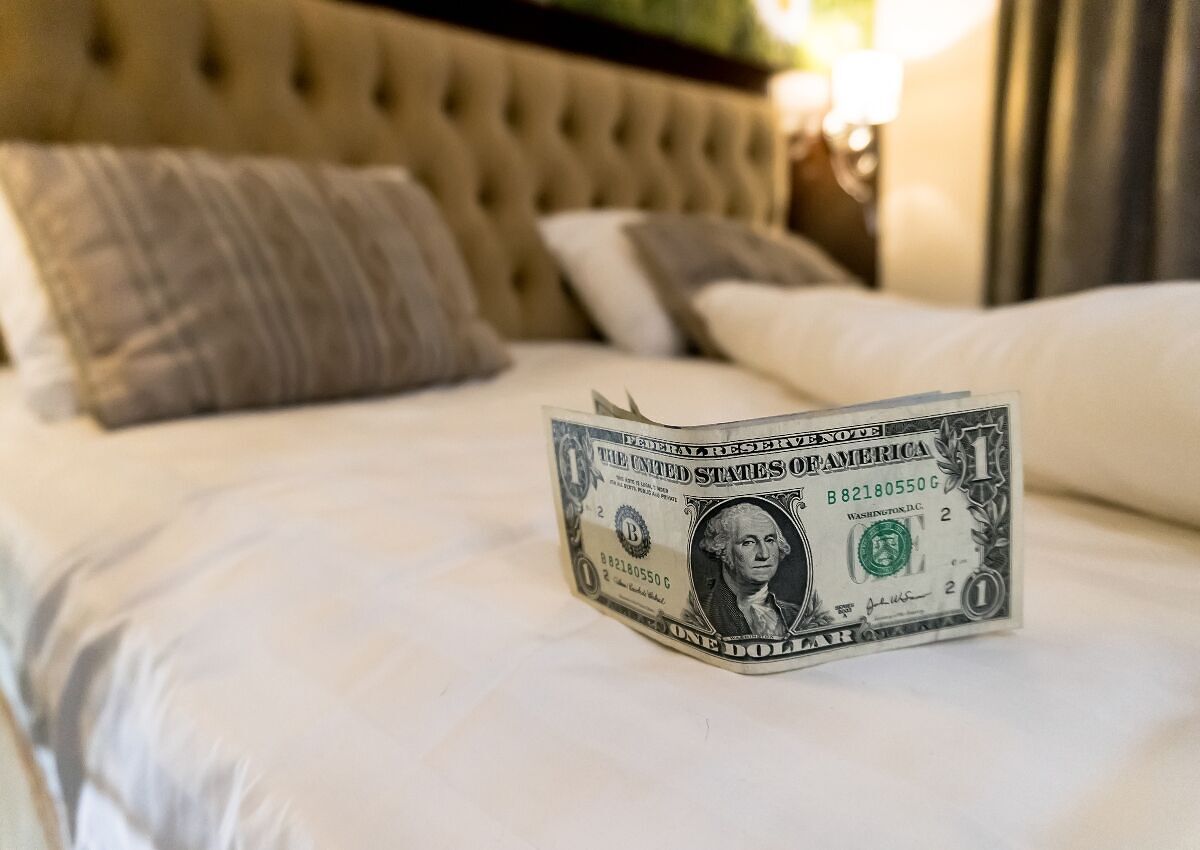
In the world of high-end travel and business stays, the “how much” and “to whom” can vary significantly based on location, the level of service provided, and the specific culture of the hospitality industry in that region. For those who frequent establishments like The Ritz-Carlton or Four Seasons Hotel, the expectations may differ from a casual weekend getaway at a local bed and breakfast. This guide explores the intricate world of hotel tipping, providing a roadmap for those who wish to navigate their travels with grace and confidence.
The Etiquette of Gratuity in Modern Lifestyle Travel
Tipping is an integral part of the hospitality ecosystem, particularly in regions like the United States and Canada. In these countries, the service industry often relies on tips to supplement base wages. However, the lifestyle of a modern traveler is global, and what is considered generous in New York City might be viewed as unnecessary or even offensive in Tokyo.
For the luxury traveler, tipping is often about acknowledging the “invisible” service. When you return to a room that has been perfectly tidied, with fresh linens and replenished amenities at a St Regis, that experience is the result of dedicated work by housekeeping staff who are rarely seen. In a business travel context, tipping is often a matter of efficiency and professionalism—ensuring that the valet has your car ready for a 6:00 AM meeting or that the concierge has secured a last-minute table for a high-stakes dinner in London.
The philosophy of tipping has evolved. It is no longer just about rewarding exceptional service; it has become a standard part of the travel budget. For those following a budget travel lifestyle, this means planning for these costs ahead of time. For family trips, it involves teaching the next generation about the importance of respecting service workers. Regardless of the travel style, the core principle remains the same: a tip is a recognition of the human effort that makes the travel lifestyle possible.
A Comprehensive Guide to Hotel Staff Roles and Tipping Norms
Navigating a hotel lobby can feel like a gauntlet of tipping opportunities. From the moment your car pulls up to the entrance of a Grand Hyatt to the moment you check out, various staff members contribute to your experience. Understanding the role of each individual helps in determining an appropriate gratuity.
Housekeeping and Room Attendants
Housekeeping is arguably the most important service in any hotel, yet it is often the most overlooked when it comes to tipping. These individuals are responsible for the cleanliness and sanitation of your private sanctuary. In a standard hotel like a Marriott International property, a tip of $3 to $5 per night is considered standard. In luxury environments such as a Waldorf Astoria, this may increase to $10 per night. It is best practice to tip daily rather than at the end of the stay, as the staff members assigned to your room may rotate. Leaving the tip in a clearly marked envelope or with a brief note ensures it is recognized as a gift for the attendant.
Valet and Bellhops
The first point of contact is often the valet. In bustling cities like Chicago or Los Angeles, valet parking is a high-demand service. A tip of $2 to $5 is appropriate when your car is returned to you. Similarly, bellhops who assist with heavy luggage should be tipped $1 to $2 per bag, or a flat $5 to $10 if you have a significant amount of gear. If you are staying at a high-end resort in Las Vegas, where the distances from the curb to the room can be substantial, a slightly higher tip is a kind gesture.
The Concierge
The concierge is the gatekeeper to the best experiences a city has to offer. If you are staying at a Hyatt Regency and the concierge simply gives you directions to a local landmark, a tip is not required. However, if they secure difficult reservations, arrange for private tours, or solve a travel crisis, a tip of $10 to $50 is appropriate depending on the complexity of the request. For high-level lifestyle travelers who rely on the concierge for bespoke experiences, a significant tip at the end of the stay is often the norm.
Room Service and Dining
Most room service bills at hotels like Sheraton or Westin include a “service charge” or “delivery fee.” It is important to check the bill to see if this includes a gratuity. If it does not, a 15% to 20% tip is standard. If a gratuity is already included, an additional $1 to $2 for the person who physically delivers the tray is a polite way to show extra appreciation.

Global Variations: Tipping Standards Across Different Cultures
The lifestyle of an international traveler requires cultural intelligence. Tipping norms are not universal, and applying the American standard globally can sometimes lead to awkward situations.
In Japan, for instance, the culture of “omotenashi” (wholehearted hospitality) means that exceptional service is expected and built into the price. In most cases, tipping is not practiced and can even be seen as a sign of disrespect or confusion. If you are staying at a luxury hotel in Singapore, a 10% service charge is almost always added to the bill, making additional tipping unnecessary, though small change left behind is common.
In Europe, particularly in France and Italy, service is often included in the bill (“service compris”). However, it is common to leave a few Euros for the housekeeping staff or the porter. In United Kingdom, tipping is appreciated but generally more modest than in North America. A pound or two for the porter is plenty.
Moving to Thailand or other parts of Southeast Asia, the tipping culture is more relaxed. While not strictly required, the low cost of living means that a small tip can make a significant difference to the staff. In the United Arab Emirates, specifically in luxury hubs like the Burj Al Arab, tipping is common and expected among the international clientele that frequents these five-star establishments.
Tailoring Your Tips to the Stay Experience
Your tipping strategy should reflect your specific travel lifestyle. A business traveler on a corporate account might have different constraints and expectations than a family on a once-in-a-lifetime vacation.
Luxury Travel Lifestyle
In the world of ultra-luxury travel, the relationship between the guest and the staff is more personal. If you are staying at a boutique villa in Australia, the staff may go above and beyond to personalize your stay. In these instances, tipping should reflect the bespoke nature of the service. Many luxury travelers prefer to leave a lump sum for the “Staff Appreciation Fund” if the hotel provides one, ensuring that the back-of-house staff—who are not guest-facing—also receive a portion of the gratuity.
Budget and Family Travel
For those focusing on budget travel or family trips, tipping can feel like a burden on a tight financial plan. However, even small amounts are appreciated. In these scenarios, consistency is more important than the amount. Tipping $2 every day for housekeeping at a mid-range hotel in Hong Kong is better than leaving nothing at all. It also serves as a valuable lesson for children about the value of service and the importance of showing gratitude to those who work hard to facilitate our leisure.
Extended Stays and Business Travel
If you are staying at a property for an extended period—perhaps a month-long business assignment in San Francisco—the tipping dynamic changes. You may develop a rapport with the staff. In such cases, a weekly tip for housekeeping or a larger gift at the end of the stay is often more practical than daily payments. Business travelers should also be mindful of company policies regarding reimbursable expenses, as many corporations allow for a certain percentage of gratuity to be included in travel expense reports.

Practical Strategies for Managing Tipping While Traveling
To maintain a smooth and professional travel lifestyle, preparation is key. There is nothing more awkward than wanting to tip a porter at a hotel in Mexico City only to realize you have no small bills or local currency.
- Carry Small Denominations: Always carry a stash of $1, $5, and $10 bills (or the local equivalent, like 5 Euro notes). This prevents the “I’ll get you next time” scenario, which rarely happens and leaves staff feeling undervalued.
- Use Envelopes: Many luxury hotels provide stationery or specific tipping envelopes. Using these adds a layer of professionalism and ensures the money reaches the intended recipient.
- Digital Tipping: Some modern hotel chains are beginning to implement digital tipping via QR codes in the room. This is a convenient option for the modern traveler who rarely carries cash, though many still prefer the personal touch of physical currency.
- Observe the Culture: When in doubt, observe what others are doing or ask the front desk about the local customs. Most hotel managers are happy to provide guidance on what is appropriate for their specific property.
Tipping is a fundamental component of the travel experience. It bridges the gap between a simple transaction and a meaningful human interaction. By understanding the expectations and cultural norms of the hospitality industry, you can ensure that your travel lifestyle is defined by respect, gratitude, and a commitment to acknowledging the hard work of those who make your journeys possible. Whether you are navigating the high-energy streets of Seoul or relaxing on a beach in Bali, a well-placed tip is the universal language of a sophisticated traveler.
LifeOutOfTheBox is a participant in the Amazon Services LLC Associates Program, an affiliate advertising program designed to provide a means for sites to earn advertising fees by advertising and linking to Amazon.com. Amazon, the Amazon logo, AmazonSupply, and the AmazonSupply logo are trademarks of Amazon.com, Inc. or its affiliates. As an Amazon Associate we earn affiliate commissions from qualifying purchases.