
The transition into young adulthood often comes with a newfound desire for independence, frequently manifesting as the urge to travel. Whether it is a spring break trip, a post-graduation road trip, or a professional journey for a first job, the logistics of accommodation are paramount. However, many travelers are surprised to find that reaching the legal age of majority does not always grant them the keys to a hotel room. The question of how old you must be to book a hotel is not answered by a single universal law, but rather by a complex web of regional regulations, corporate liabilities, and individual property preferences. Understanding these nuances is essential for any traveler under the age of 25 to ensure they are not left without a place to stay.

Understanding the Gap Between Legal Maturity and Corporate Policy
In many parts of the world, including the United States and the United Kingdom, the age of 18 is legally recognized as the threshold for adulthood. At this age, individuals can vote, join the military, and sign legally binding contracts. Since a hotel reservation is, at its core, a contract between the guest and the provider, one might assume that 18 is the magic number for booking. While this is legally true in many jurisdictions, it does not prevent private businesses from setting their own internal policies that exceed the legal minimum.
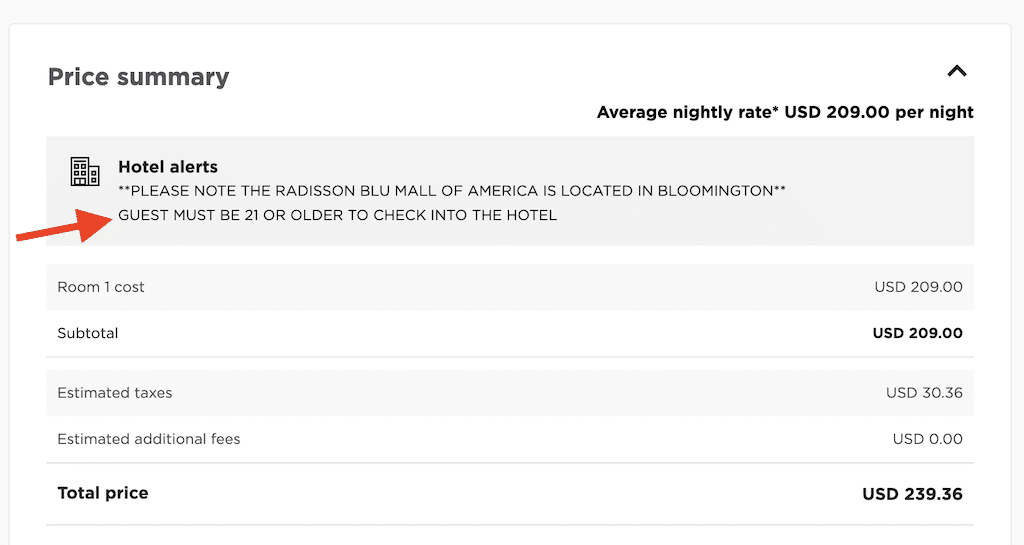
Why Many Hotels Require Guests to be 21
It is common to find hotels, particularly in major tourist hubs, that set a minimum check-in age of 21. There are several professional and financial reasons for this discrepancy. The primary factor is insurance liability. Many insurance providers offer lower premiums to hotels that restrict guests to those 21 and older, citing statistical data that suggests younger guests are more likely to cause property damage or engage in activities that lead to liability claims.
Another significant factor is the presence of alcohol. Hotels with extensive minibars in the rooms or those that house casinos, such as properties in Las Vegas or Atlantic City, often mandate a minimum age of 21 to comply with strict liquor and gaming laws. By ensuring all primary guests are of legal drinking age, the hotel minimizes the risk of underage consumption on their premises, which could result in the loss of their operating licenses.
Contractual Reliability and “No-Party” Policies
Hotels are in the business of managing risk. Historically, younger travelers have been associated with a higher risk of “party” bookings, which can disturb other guests and lead to wear and tear on the facility. Properties under brands like Marriott International or Hilton Hotels & Resorts often leave the age requirement to the discretion of the individual franchise owner. If a property is located near a university or a beach destination like Miami, the owner may raise the age limit to 21 or even 25 during peak seasons to maintain the hotel’s professional atmosphere and protect the physical assets.
Geographic Standards and Global Variations
The age requirements for booking accommodation vary significantly depending on which corner of the globe you are exploring. Travelers must research the local customs and laws of their destination country well in advance.
The Landscape in North America
In the United States and Canada, the 21-plus rule is quite prevalent, though not universal. In cities like New York City or Los Angeles, you can find plenty of hotels that allow 18-year-olds to check in, provided they have a valid credit card. However, in states like Florida or Texas, specifically in resort areas, the age of 21 is more standard. Interestingly, some locations allow 18-year-olds to stay if they are active-duty military members, often requiring a military ID as proof.
Trends Across Europe
Europe is generally much more accommodating to younger travelers. In countries such as France, Germany, and Italy, the minimum age is almost universally 18. This is partly due to a different cultural approach to young adulthood and the widespread availability of youth-oriented accommodation. Whether you are booking a boutique hotel in Paris or a historic stay in London, 18 is typically sufficient to secure a room.
Regulations in Asia and the Middle East
In Asia, the rules can be more rigid. In Japan, while 18 is the legal age of majority as of recent changes, some hotels still prefer guests to be 20, which was the long-standing legal threshold. In South Korea, the age is often 19. Meanwhile, in the Middle East, specifically in cities like Dubai, the rules are strict; many hotels require guests to be at least 21, and some even require unmarried couples to stay in separate rooms or adhere to specific local customs regarding documentation.
The Financial Logistics of Booking as a Young Adult
Even if you find a hotel that permits bookings at 18, the financial requirements can serve as a second barrier. The booking process for accommodation is heavily reliant on financial “trust” markers that younger travelers may not yet possess.
The Credit Card Hurdle
Most hotels require a credit card at the time of booking and check-in. This is not just for the room rate, but to cover incidentals—extra charges for the minibar, room service, or potential damage. While many young adults have debit cards, many hotels are hesitant to accept them. A credit card allows the hotel to place a “hold” on a specific amount of money without immediately withdrawing it. Visa and Mastercard credit cards are the standard. If a hotel does accept a debit card, they will often withdraw a significant security deposit—sometimes hundreds of dollars—which may not be refunded to the guest’s bank account for several business days after checkout.
Identification and Documentation
At check-in, the hotel will require a government-issued photo ID to verify the guest’s age. This usually means a driver’s license or a passport. For international travelers visiting Australia or Singapore, a passport is the only universally accepted form of ID. If the name on the ID does not match the name on the credit card used for the booking, the hotel may refuse the check-in, regardless of the guest’s age. This is a common issue for young travelers whose parents might have paid for the room in advance.
Strategic Alternatives for Travelers Under 21
If the traditional hotel market feels restrictive, there are several alternative accommodation types that are traditionally more welcoming to the 18-to-20 demographic. These options often provide a more social environment and are specifically geared toward the needs of younger explorers.
Youth Hostels and Social Hubs
Hostels are the gold standard for young travelers. Organizations like Hostelling International have built a global network where 18 is the standard minimum age, and in some cases, younger travelers can stay with parental consent. Hostels are not just budget-friendly; they are designed for the mobility and social habits of young adults. From Barcelona to Tokyo, hostels provide a reliable safety net for those who find hotel policies too restrictive.
Vacation Rentals and Peer-to-Peer Platforms
Platforms like Airbnb have changed the landscape of accommodation booking. While Airbnb requires users to be at least 18 to create an account and book a stay, individual “hosts” can still set their own house rules. However, because these are private residences, hosts are often more flexible than large corporations. It is important to read the fine print, as some hosts may still specify a preference for older guests to avoid the “party house” scenario.
University Housing and Short-Term Stays
During the summer months, many universities in cities like Boston or Chicago open their dormitories to the public as short-term rentals. These are excellent options for 18-year-olds, as the environment is already tailored to that age group. Similarly, specialized student housing providers often offer “summer stays” that bypass the strict 21-plus rules of nearby luxury hotels.
Best Practices for a Successful Check-In
To avoid the stress of being turned away at the front desk after a long day of travel, young adults should take a proactive approach to the booking process.
Verify Policies Directly
Do not rely solely on third-party booking sites like Expedia or Booking.com. While these sites often list age requirements in the “Fine Print” section, they are not always up to date. The most reliable method is to call the hotel’s front desk directly. Ask specifically: “What is the minimum age for the primary guest to check in?” and “Do you require a credit card or is a debit card with a deposit acceptable?”
Third-Party Authorization Forms
If a parent or guardian is paying for the room, but the traveler is 18, the hotel will likely require a “Third-Party Credit Card Authorization Form.” This must be filled out and sent to the hotel before arrival. This form gives the hotel legal permission to charge a card that is not physically present at the desk. Without this, even a pre-paid room might be denied if the traveler cannot produce a card in their own name for incidentals.

Choosing the Right Brand
Some hotel brands are known for being more “lifestyle” oriented and friendly to younger demographics. Brands like Moxy, owned by Marriott, or Tru by Hilton, often cater to a younger crowd and are more likely to have 18-plus policies than a high-end luxury brand or a casino-resort. When traveling to family-heavy destinations like Disney World in Orlando, policies are also generally more relaxed to accommodate young families and older teenagers traveling for events.
In conclusion, while the legal ability to book a hotel room generally begins at 18, the practical ability is often dictated by corporate policy, insurance, and local laws. By researching the specific requirements of a destination, ensuring the correct financial tools are in hand, and communicating directly with the property, young travelers can navigate the accommodation world with confidence and professionalism.
LifeOutOfTheBox is a participant in the Amazon Services LLC Associates Program, an affiliate advertising program designed to provide a means for sites to earn advertising fees by advertising and linking to Amazon.com. Amazon, the Amazon logo, AmazonSupply, and the AmazonSupply logo are trademarks of Amazon.com, Inc. or its affiliates. As an Amazon Associate we earn affiliate commissions from qualifying purchases.