
Florida, the Sunshine State, beckons millions of visitors each year with its pristine beaches, world-famous theme parks, vibrant cities, and lush natural landscapes. Whether you’re planning a dream vacation to Walt Disney World Resort in Orlando, exploring the Art Deco architecture of Miami, or considering a move to the balmy shores of Tampa, understanding the ins and outs of identification (ID) in the state is crucial. The question “How much is ID in Florida?” extends far beyond a simple monetary cost. It encompasses the types of identification required for various activities, their legal implications, the process for obtaining them, and ultimately, the freedom and peace of mind they afford. From checking into a luxury resort to renting a car, or even just enjoying an evening out, your ID is your key to unlocking the full Florida lifestyle. This comprehensive guide aims to shed light on all facets of identification in Florida, ensuring that whether you’re a fleeting tourist or a prospective long-term resident, you’re well-equipped with the knowledge to navigate the state seamlessly. We’ll delve into the essential IDs for travelers, the intricacies of obtaining a state-issued card, and the critical role identification plays in enjoying Florida’s diverse attractions and accommodations.
Navigating Florida’s ID Landscape for Travelers
For anyone visiting Florida, understanding which forms of identification are acceptable and when they are required is paramount to a smooth and enjoyable trip. Unlike the sometimes complex requirements for residents, travelers often rely on widely recognized documents from their home state or country. However, knowing the specifics can prevent unwelcome surprises and ensure uninterrupted access to the experiences Florida has to offer.
Essential IDs for Travel and Leisure
When you’re exploring Florida’s destinations, your primary form of identification will likely be your government-issued driver’s license or state ID card if you’re a domestic traveler. For international visitors, a valid passport is the gold standard. These documents serve as proof of identity and age for a multitude of common travel activities.
Consider checking into a hotel or resort in Key West. The front desk will invariably ask for a photo ID that matches the name on the reservation and the credit card used for payment. This is standard procedure across the board, from boutique hotels to expansive resorts. Similarly, if you plan to rent a car in Florida, a valid driver’s license from your home state or country is non-negotiable. International visitors may also need an International Driving Permit (IDP) in conjunction with their national license, depending on their country of origin. Always check with the rental car agency beforehand to avoid any last-minute complications.
Age verification is another critical area where your ID takes center stage. Florida strictly enforces a minimum drinking age of 21. Whether you’re ordering a cocktail at a trendy South Beach bar, purchasing alcoholic beverages at a grocery store, or attending a concert with age restrictions, expect to be asked for a valid photo ID. This isn’t just a formality; businesses can face severe penalties for serving underage individuals. Therefore, always carry your ID when engaging in activities where age verification might be required. For entry into some theme parks or special events within them, ID might be required to confirm ticket ownership or age-restricted access, though usually less common for general entry. The key takeaway for travelers is to always have a valid, unexpired government-issued photo ID readily accessible.
The REAL ID Act and Air Travel
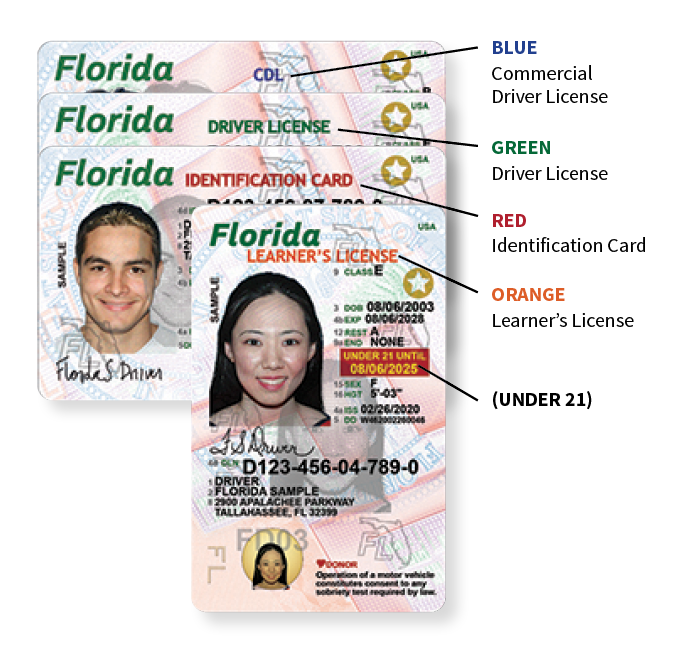
One of the most significant aspects of identification for domestic travelers in recent years has been the implementation of the REAL ID Act. This federal mandate sets security standards for state-issued driver’s licenses and identification cards. While the enforcement deadline has been pushed back multiple times, it’s crucial for anyone planning to fly domestically within the United States to be aware of these requirements.
As of May 7, 2025, every air traveler 18 years of age and older will need a REAL ID compliant driver’s license or state ID card, or another acceptable form of identification, to fly within the U.S.. This means that standard driver’s licenses or ID cards that are not REAL ID compliant (often indicated by a star or an outline of a star in the upper right corner) will no longer be accepted by the Transportation Security Administration (TSA) at airport security checkpoints.
For Florida residents, obtaining a REAL ID compliant document involves a specific application process with the Florida Department of Highway Safety and Motor Vehicles (FLHSMV), requiring proof of identity, social security number, and two proofs of residency. For visitors from other states, your current state-issued driver’s license or ID card must be REAL ID compliant if you intend to use it for domestic air travel. If it’s not, you’ll need to present an alternative acceptable document, such as a valid U.S. passport or a passport card. International visitors will continue to use their valid passports for domestic flights, as passports are already considered highly secure and compliant forms of identification. Being prepared for REAL ID is essential for any traveler flying into or out of Florida’s major airports, such as Orlando International Airport or Miami International Airport, ensuring a hassle-free journey through security.
Understanding Florida State ID Cards and Driver’s Licenses
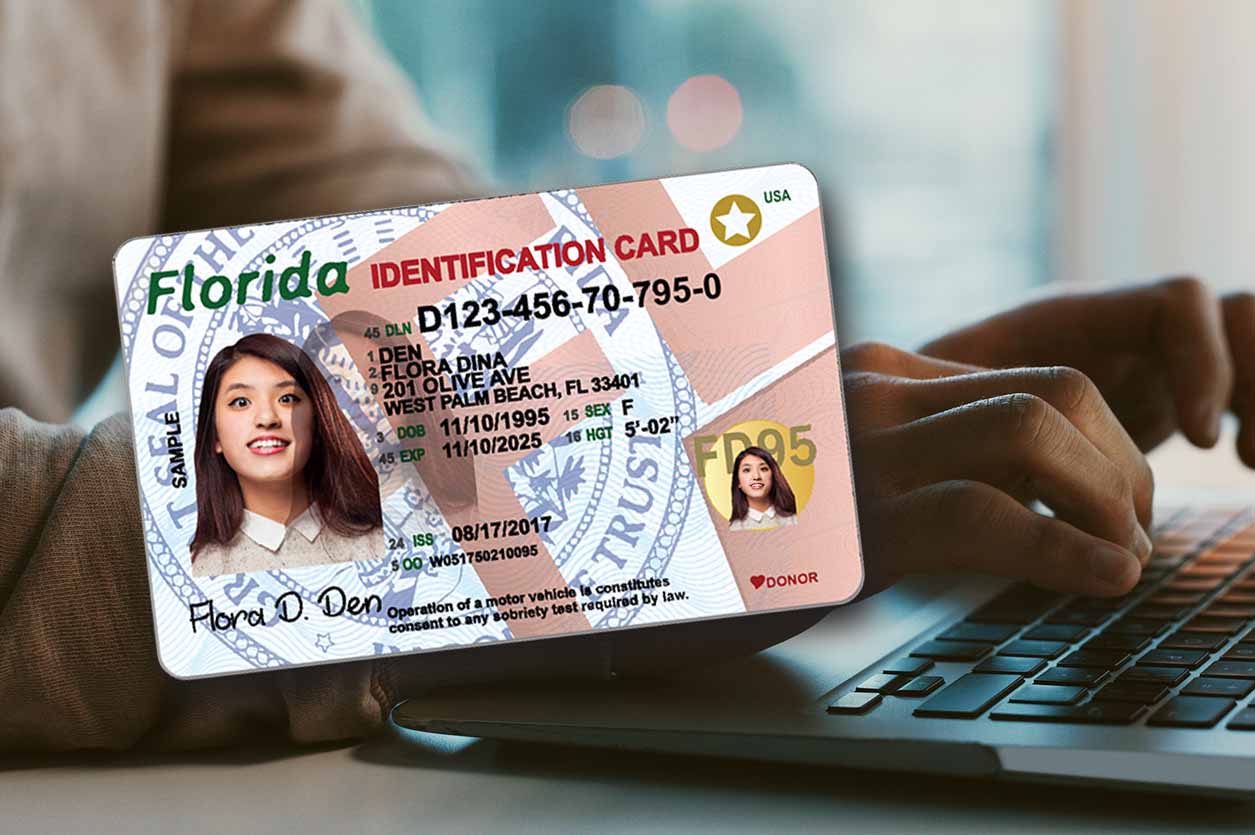
While travelers often rely on their home state or country’s identification, those considering a longer stay or a permanent move to Florida will find immense benefit in obtaining a Florida Driver’s License or a Florida Identification Card. These state-issued documents are not only highly convenient but also serve as official proof of residency, which can be crucial for various aspects of daily life, from banking to voting. Understanding the costs and application process is the first step towards establishing roots in the Sunshine State.
Costs and Application Process for Florida Residents (and Long-Term Visitors)
The monetary “cost” of ID in Florida refers primarily to the fees associated with obtaining a Florida Driver’s License or a Florida Identification Card. These fees are set by the state and are subject to change, so it’s always best to verify the current rates on the official Florida Department of Highway Safety and Motor Vehicles (FLHSMV) website. Generally, the fees are quite reasonable. As of current information, a new Class E Florida Driver’s License (the standard non-commercial license) costs around $48.00. A new Florida Identification Card typically costs about $25.00. Renewals and replacement cards for lost or stolen IDs also incur fees, usually lower than the initial application.
The application process for either document requires an in-person visit to an FLHSMV service center. You’ll need to present several documents to prove your identity, social security number, and two proofs of residential address. Acceptable documents for identity typically include a U.S. birth certificate, U.S. passport, or valid immigration documents. For proof of social security, your Social Security card is usually sufficient. Proof of residency can include utility bills, a lease agreement, or bank statements, among others. All documents must be originals or certified copies. For a Florida Driver’s License, you will also need to pass vision and hearing tests, and potentially a written knowledge exam and a driving skills test if you’re a new driver or transferring a license from certain countries. It’s highly recommended to gather all required documents before your visit and even make an appointment online to minimize wait times.
Why Obtain a Florida ID? Beyond Driving
The reasons for obtaining a Florida Identification Card or Florida Driver’s License extend far beyond the necessity of operating a vehicle. For individuals who do not drive, the Florida Identification Card serves as a robust, state-recognized form of identification. It’s particularly useful for seniors, non-drivers, or anyone who prefers not to carry their passport for daily identification needs.
Possessing a Florida-issued ID significantly simplifies various aspects of life within the state. It provides readily accepted proof of age for activities like purchasing alcohol or tobacco, entering age-restricted venues, or gambling at casinos like the Hard Rock Casino Hollywood. Moreover, it streamlines administrative tasks: opening bank accounts, registering children for school, accessing certain government services, or even registering to vote all become easier when you can present a Florida ID that clearly establishes your identity and residency. For new residents, swapping an out-of-state license for a Florida Driver’s License is a crucial step in establishing full residency and enjoying all the privileges that come with living in the Sunshine State, often simplifying interactions across the state from government offices to private businesses.
The Role of ID in Florida’s Vibrant Tourism and Lifestyle Scene
Florida’s appeal is deeply intertwined with its dynamic tourism and lifestyle offerings. From thrilling nightlife to serene cruises and robust rental markets, your identification card is more than just a piece of plastic or paper; it’s a vital tool that grants you access and ensures your safety and compliance with local regulations. Understanding its role in these contexts is key to fully immersing yourself in the Florida experience.
Age Verification and Access to Attractions
Florida’s cities like Miami, Orlando, and Tampa boast bustling nightlife scenes with countless bars, nightclubs, and entertainment venues. Entry into many of these establishments, especially those serving alcohol, is strictly restricted to individuals aged 21 and older. Doormen and bartenders are diligent about checking IDs, and a valid government-issued photo ID is absolutely essential. Whether it’s a Florida Driver’s License, a state ID card, or a passport, ensure it’s unexpired and clearly shows your date of birth. Attempting to use a fake ID or one that doesn’t belong to you can lead to serious legal consequences, including fines and potential arrest, definitely not the kind of experience you want on your Florida vacation.
Beyond nightlife, identification is frequently required for other significant leisure activities. Renting a car, as mentioned earlier, is impossible without a valid driver’s license. If you’re embarking on a cruise from one of Florida’s major ports such as PortMiami or Port Canaveral, you’ll need a valid passport or other approved travel documents (like a birth certificate and government-issued photo ID for closed-loop cruises for U.S. citizens) for boarding. Even for certain specialized tours or recreational activities, like jet ski rentals or boat charters, operators often require an ID to verify age and potentially to keep on file for liability purposes. While theme parks generally don’t require ID for entry, some special events, annual pass pickups, or specific experiences might. Always carry your ID, even if you don’t anticipate needing it, as it serves as your universal key to access the best of Florida’s vibrant lifestyle.
Security and Practicalities for Visitors
For any traveler, the security and practical handling of your identification are as important as knowing when to present it. Losing your ID, especially a passport, while on vacation can quickly turn a dream trip into a nightmare of administrative hurdles. It’s crucial to implement smart strategies to protect your documents.
Always keep your primary identification, such as your driver’s license or passport, in a secure location, ideally in a hotel safe when not needed, or a secure wallet or travel pouch when out and about. Consider carrying a photocopy or a digital image of your ID on your phone (stored securely, not easily accessible) as a backup, though these are rarely accepted as official identification. If your ID is lost or stolen, report it to local law enforcement immediately. Obtain a police report, as this will be essential for replacing your documents. For a lost passport, contact your country’s embassy or consulate in the United States without delay. For a lost driver’s license, you’ll need to contact your home state’s Department of Motor Vehicles or equivalent agency. Having other forms of secondary identification, such as a credit card with your name on it or even a student ID, can sometimes assist in proving your identity in an emergency, though they won’t substitute for official government-issued ID.
The rise of digital identification, such as mobile driver’s licenses, is a growing trend. While some states are piloting these programs, their widespread acceptance in Florida is still evolving. At present, it’s generally safest to assume that a physical, government-issued ID is required for most official and age-restricted transactions. Always check the specific requirements of any establishment or service provider if you intend to rely on a digital form of ID, as acceptance can vary widely. Until digital IDs are universally recognized, your physical identification remains your most reliable and legally sound form of proof in the Sunshine State.
The Broader Implications: Accommodation, Booking, and Beyond
Beyond the immediate needs of enjoying Florida’s tourist attractions and lifestyle, identification plays a fundamental role in the more formal aspects of travel and residency, particularly concerning accommodation and long-term planning. The robustness of your ID and its acceptance can significantly impact your ease of booking, checking in, and even establishing a new life in the state.
ID for Hotel Stays and Accommodation Bookings
When you book a stay at a hotel, resort, or even a vacation rental through platforms like Airbnb or VRBO in popular Florida destinations like St. Augustine or Fort Lauderdale, your ID is a crucial component of the check-in process. Hotels require a valid photo ID for several reasons: to verify your identity against the reservation, to ensure you meet the minimum age requirement for check-in (typically 18 or 21, depending on the property’s policy), and for security purposes. This helps prevent fraud and ensures that only authorized guests are occupying the rooms.
Furthermore, your ID is often essential for credit card verification. Many accommodations will ask for your ID to confirm that the person checking in is indeed the cardholder, especially if a deposit or payment is being made upon arrival. This is a measure to protect both the guest and the hotel from financial fraud. For different types of accommodation, the requirements might vary slightly. A luxury resort might have stricter protocols than a budget motel, but a valid photo ID is almost universally expected. For vacation rentals, while a physical check-in might not always occur, hosts often require guests to upload copies of their ID to the booking platform or provide it directly to verify identity and comply with local short-term rental regulations. Ensuring your ID is readily available and valid will guarantee a smooth and efficient check-in, allowing you to quickly settle into your Florida retreat.
Long-Term Stays and Relocation
For individuals considering a long-term stay in Florida, or those planning to make it their permanent home, the importance of ID evolves from mere travel convenience to a foundational element of residency. The transition from an out-of-state driver’s license or ID to a Florida Driver’s License or Florida Identification Card is one of the first and most critical steps in establishing yourself in the state.
Florida law generally requires new residents to obtain a Florida Driver’s License within 30 days of becoming a resident. This timeline reinforces the state’s expectation that your primary identification aligns with your place of residence. Establishing residency with a Florida-issued ID opens doors to a multitude of services and rights. It’s often required for banking, voter registration, applying for state benefits, qualifying for in-state tuition at Florida’s universities, and even obtaining certain types of insurance or professional licenses. Without a Florida ID, navigating these processes can become cumbersome, requiring alternative proofs of residency that may be less straightforward.
Moreover, having a Florida Driver’s License or Florida Identification Card simplifies interactions with local authorities and businesses. It serves as undeniable proof of your connection to the community, fostering a smoother experience in daily transactions and official engagements. The initial “cost” of obtaining this ID is a small investment in comparison to the immense convenience, recognition, and peace of mind it provides for those embracing the Florida lifestyle long-term.
In conclusion, “How much is ID in Florida?” is a question with layered answers. Monetarily, state-issued identification cards and driver’s licenses are affordably priced. However, their true value is immeasurable, providing the freedom to travel, verify age, secure accommodations, and ultimately, fully participate in the vibrant tourism and lifestyle that define the Sunshine State. Whether you’re a brief visitor or a new resident, understanding and securing the appropriate identification is your passport to an unhindered and enriching Florida experience.
LifeOutOfTheBox is a participant in the Amazon Services LLC Associates Program, an affiliate advertising program designed to provide a means for sites to earn advertising fees by advertising and linking to Amazon.com. Amazon, the Amazon logo, AmazonSupply, and the AmazonSupply logo are trademarks of Amazon.com, Inc. or its affiliates. As an Amazon Associate we earn affiliate commissions from qualifying purchases.