
Securing affordable accommodation in New York City is often viewed as one of the most significant hurdles for travelers visiting the United States. Known for its high cost of living and premium real estate, the Big Apple demands a strategic approach to booking. To find value in a market dominated by luxury high-rises and historic landmarks, one must look beyond the surface level of standard travel agencies and understand the mechanics of the city’s hospitality industry. From timing the market to leveraging geographic arbitrage, obtaining a budget-friendly room requires a blend of technical knowledge and local insight.

Strategic Timing and Seasonal Booking Windows
The price of a hotel room in Manhattan is rarely static. It fluctuates based on supply, demand, and the city’s dense calendar of international events. To find the lowest rates, travelers must align their stay with the periods when the city’s occupancy rates naturally dip.
Navigating the Low Season
The absolute cheapest time to book accommodation in New York is during the post-holiday slump, specifically from early January through early March. After the New Year’s Eve crowds depart, hotels often find themselves with significant inventory and lower demand. During this window, even high-end establishments near Central Park or Midtown may slash prices by up to 50% to maintain occupancy. While the weather in New York State can be biting during these months, the indoor amenities and reduced room rates offer the best value of the year.
Avoiding Peak Event Pricing
Conversely, travelers must be aware of dates that trigger massive price surges. The United Nations General Assembly in September, New York Fashion Week in February and September, and the Macy’s Thanksgiving Day Parade can cause prices to quadruple. By checking the city’s major event calendar before finalizing dates, you can avoid these artificial inflation periods. Additionally, booking a stay that begins on a Sunday and ends on a Tuesday often yields lower rates than weekend stays, as the business travel crowd has yet to arrive and the leisure crowd is heading home.
The Last-Minute vs. Early Bird Debate
While some cities reward early planning, New York City has a robust last-minute booking culture. Apps like Hotel Tonight specialize in offloading unsold inventory 24 to 72 hours before check-in. This is a high-risk, high-reward strategy. If the city is not hosting a major convention, you may find a suite at the Standard High Line for the price of a budget room. However, for those who prefer security, booking 90 days in advance with a “cancelable” rate allows you to lock in a price while remaining flexible enough to re-book if a better deal appears later.
Utilizing Comparison Tools and Booking Platforms
The digital landscape for accommodation is vast, and price parity is a myth. Different platforms often have access to different “buckets” of inventory or exclusive negotiated rates. To find the cheapest hotel, you must utilize a multi-platform search strategy.
Leveraging Aggregators and Meta-Search Engines
Platforms like Google Hotels, Kayak, and Trivago are essential for comparing prices across hundreds of booking sites simultaneously. These tools are particularly effective at highlighting “opaque” deals. Services like Hotwire or Priceline offer “Hot Rates” or “Express Deals” where the name of the hotel is hidden until after the purchase. In a market as dense as New York, you can often identify these hotels by looking at the neighborhood, star rating, and amenities. For example, a 4-star hotel in Chelsea with a rooftop bar and gym is highly likely to be a Moxy Hotels or an Arlo SoHo.
The Power of Direct Booking
Once you have identified a low price on a third-party site like Booking.com or Expedia, it is often worth visiting the hotel’s official website. Many chains, such as Marriott, Hilton, and Hyatt, offer a “Best Rate Guarantee.” If you find a lower price elsewhere, they will often match it and add an extra discount or points. Furthermore, booking directly often exempts you from the worst rooms in the building—those near elevators or with restricted views—and makes it easier to negotiate the removal of “facility fees” or “resort fees” upon check-out.
Membership and Loyalty Advantages
Membership in organizations like AAA or AARP frequently provides a 10% to 15% discount on standard rates. Similarly, being a member of a hotel’s free loyalty program can unlock “member-only” rates that are not visible to the general public. For frequent visitors, using a co-branded travel credit card can earn enough points for a free night at iconic locations like the Waldorf Astoria or the St. Regis New York, effectively bringing the average cost of the trip down significantly.

Geographic Arbitrage: Exploring Beyond Manhattan
In New York City, the largest factor influencing price is proximity to Times Square and Midtown Manhattan. By expanding your search to other boroughs or even across the Hudson River, you can secure much higher-quality accommodation for a fraction of the price.
The Rise of Long Island City
Long Island City in Queens has become a premier hub for budget-conscious travelers. Located just one subway stop away from Manhattan, this neighborhood features a high density of new-build hotels from reputable chains like Holiday Inn and Home2 Suites. These hotels are often 30% to 50% cheaper than their counterparts across the water, yet they offer modern amenities and, in many cases, spectacular views of the Empire State Building and the Chrysler Building.
Brooklyn and the Value of Commuting
While Williamsburg has become as expensive as Manhattan, other areas of Brooklyn offer exceptional value. Neighborhoods like Downtown Brooklyn or Bushwick provide unique accommodation experiences in boutique settings. For example, the Pod Brooklyn offers micro-rooms that prioritize efficiency and design over square footage, catering to travelers who spend most of their time exploring the Brooklyn Museum or Prospect Park.
The Jersey City Alternative
Crossing the state line into New Jersey can lead to massive savings. Jersey City and Hoboken are connected to Lower Manhattan via the PATH train, which runs 24 hours a day. Staying at a hotel like the Westin Jersey City Newport often costs less than a basic room in Greenwich Village. An added benefit is the lack of the “New York City Hotel Tax,” though you should always factor in the cost of the PATH or ferry fare when calculating your total savings.
Understanding the New York Accommodation Model
The type of hotel you choose will drastically impact your final bill. New York City has pioneered several specific accommodation models designed to offer lower prices in a high-rent environment.
The Micro-Hotel Revolution
To combat high prices, the city has seen a surge in “micro-hotels.” These establishments, such as YOTEL New York Times Square and Pod 39, offer tiny but intelligently designed rooms. By stripping away unnecessary square footage and focusing on communal social spaces, these hotels provide a high-end feel at a budget price. They are ideal for solo travelers or couples who view their room primarily as a place to sleep after a long day at the Metropolitan Museum of Art or the Statue of Liberty.
European-Style Shared Bathrooms
For the absolute lowest rates in Manhattan, one must consider historic boutique hotels that utilize shared bathroom facilities. The Jane Hotel in the West Village is a classic example. Originally built as a lodge for sailors, it offers “cabin” rooms that are extremely affordable. While sharing a hallway bathroom isn’t for everyone, these hotels are often located in the most desirable, historic neighborhoods where traditional hotel rooms are prohibitively expensive.
Decoding Hidden Fees and Taxes
When comparing hotel prices in New York, the “sticker price” is rarely what you pay. The city applies a suite of taxes, including a 14.75% occupancy tax and a flat $2.00 to $3.50 per night “unit fee.” Furthermore, many hotels have introduced “Destination Fees” or “Amenity Fees,” which can add $25 to $50 per night to your bill. These fees often cover things like Wi-Fi, bottled water, or a credit at the hotel bar. When using comparison sites, always look for the “total price including taxes and fees” to ensure you are making an accurate comparison between properties like the Row NYC and the Freehand New York.
Long-Term Stay Discounts and Apart-Hotels
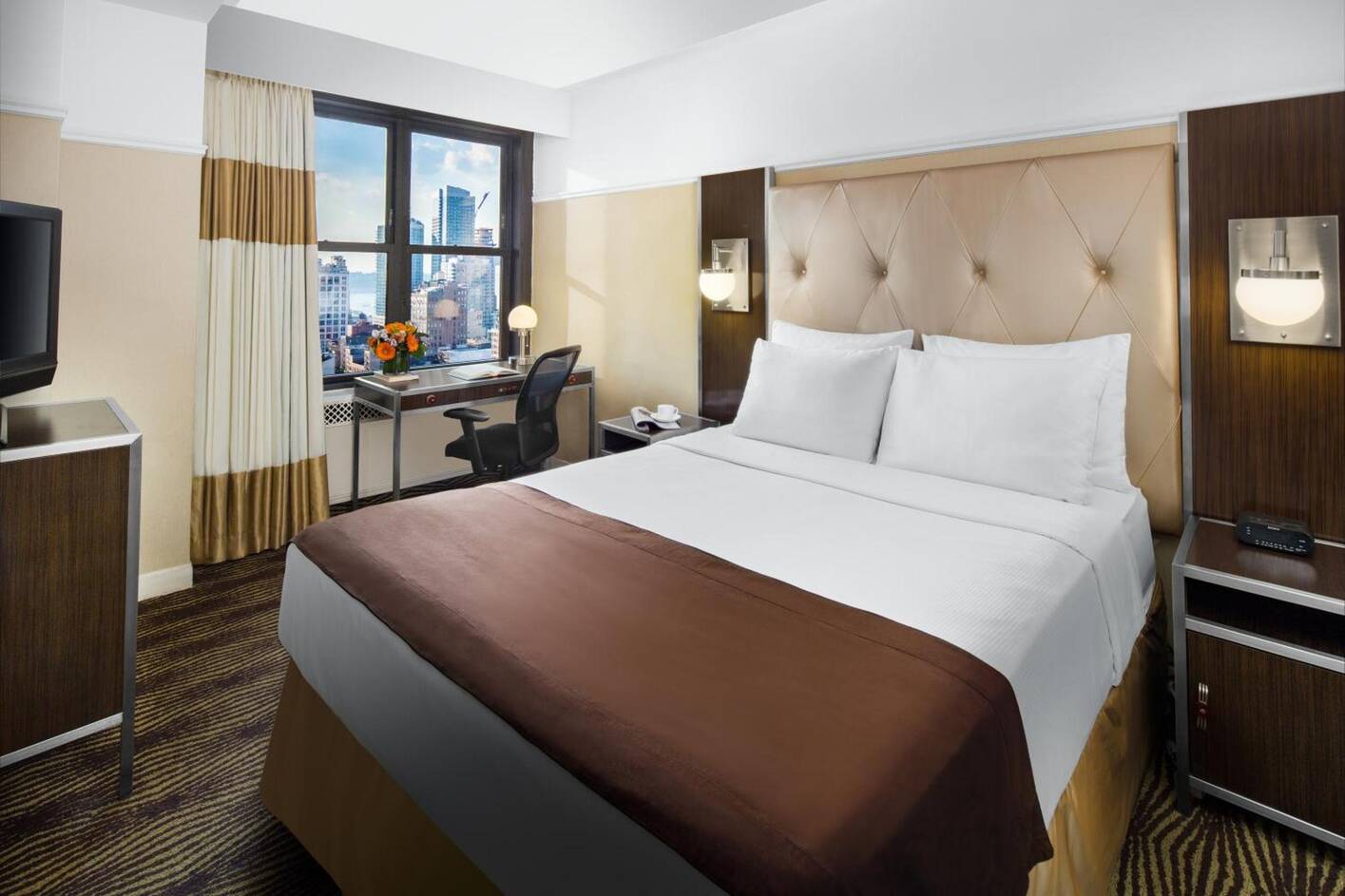
If your trip to the United States extends beyond five days, you may qualify for “extended stay” rates. Properties like Residence Inn by Marriott or Sonder offer apartment-style accommodations with kitchenettes. While the nightly rate might seem similar to a hotel, the ability to prepare meals and the lack of daily housekeeping fees can result in significant overall savings. Furthermore, these “apart-hotels” are often located in residential areas like the Upper West Side or Harlem, offering a more authentic local experience away from the tourist traps of Grand Central Terminal.
By combining these strategies—timing, geographic flexibility, digital tool proficiency, and an understanding of the local hotel tax structure—travelers can successfully navigate the complexities of the New York City accommodation market. Finding a cheap hotel in this global metropolis is not a matter of luck; it is a result of calculated planning and the willingness to look beyond the bright lights of the city center.
LifeOutOfTheBox is a participant in the Amazon Services LLC Associates Program, an affiliate advertising program designed to provide a means for sites to earn advertising fees by advertising and linking to Amazon.com. Amazon, the Amazon logo, AmazonSupply, and the AmazonSupply logo are trademarks of Amazon.com, Inc. or its affiliates. As an Amazon Associate we earn affiliate commissions from qualifying purchases.